
Infant formula is the only food in the American grocery store that the federal government legally requires to carry an expiration date. Every other date you see – “sell by,” “best by,” “use by,” “freeze by” – is voluntary, unregulated, and not federally defined. According to the USDA’s Food Safety and Inspection Service, except for infant formula, product dates are not an indicator of a product’s safety and are not required by federal law.
On one side, that means a tremendous amount of perfectly good food gets thrown away because people assume a printed date equals a safety deadline. There are many foods that are likely still safe well past their date – dried pasta, hard cheeses, canned goods, honey, vinegar. Tossing them is a waste of money, not a health decision. On the other side, the same lack of standardization means consumers have no clear signal for the foods where the date actually does matter. Botulism can occur in both store-bought and home-canned foods, and bulging or leaking cans are a significant red flag – but most people don’t know which warning signs to look for, or which foods deserve that level of scrutiny.
Bacterial contamination in a specific set of perishable foods doesn’t announce itself. It doesn’t make food smell different, change its color, or alter its texture in any reliable way. You can eat something that looks and smells completely normal and become seriously ill. These are the 13 foods where expired food safety isn’t theoretical – it’s a documented, ongoing public health concern.
1. Infant Formula
The FDA requires infant formula to bear a “Use By” date, and the formula must not be fed to infants after this date. The reason goes beyond basic spoilage. Until the declared date, the infant formula will contain no less than the amount of each nutrient declared on the product label – manufacturers must conduct stability testing to prove their products maintain nutritional quality up to the “Use By” date. After that date, nutrient degradation can render the formula insufficient as a sole food source for an infant who depends on it entirely for growth and development. There is no smell test, no visual check, and no workaround – if the date has passed, the formula should not be used.
2. Deli Meats

Listeria monocytogenes can grow at refrigerator temperatures, and deli meats are particularly associated with this risk, making them unsafe after expiration. According to the CDC, “Listeria can grow on foods kept in the refrigerator.” Refrigeration slows the growth of most bacteria. With Listeria, it doesn’t. That makes expired deli meat one of the most consequential expired food safety failures a household can make.
A 2024 Boar’s Head deli meat recall linked to Listeria resulted in 59 confirmed infections and 10 deaths across 19 states, according to the CDC’s outbreak investigation. Those sliced turkey and ham products were sitting in refrigerators across the country, appearing normal, and making people fatally ill. Deli counter meats should be consumed within three to five days of slicing. Pre-packaged varieties last up to two weeks unopened – but once the seal breaks, the same short window applies.
3. Soft Cheeses
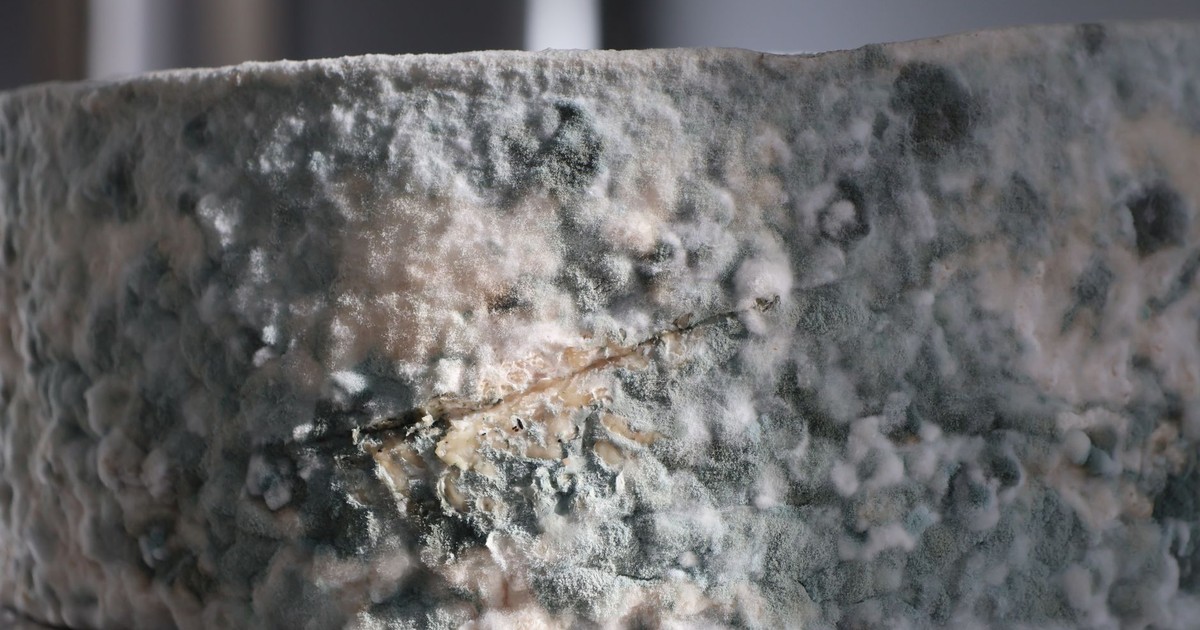
Soft cheeses – brie, camembert, ricotta, queso fresco, feta – have a moisture content that makes them a hospitable environment for bacterial growth in a way that hard cheeses simply aren’t. Soft cheese, even pasteurized ones, can be a riskier food choice, according to the CDC. Mold penetrates soft cheese more deeply than the surface suggests, and Listeria thrives in these conditions. Hard cheeses, by contrast, have low moisture, which limits how far any contamination can spread – you can cut away the moldy section and eat the rest safely.
The risk is concentrated in vulnerable populations. Pregnant women, older adults, and anyone who is immunocompromised face a significantly higher probability of severe illness from Listeria-contaminated soft cheese. Past the expiration date, the bacterial load in a soft cheese can climb quickly. Unlike expired crackers, the stakes are real – and the food offers no warning signs before it causes harm.
4. Raw Fish and Sushi
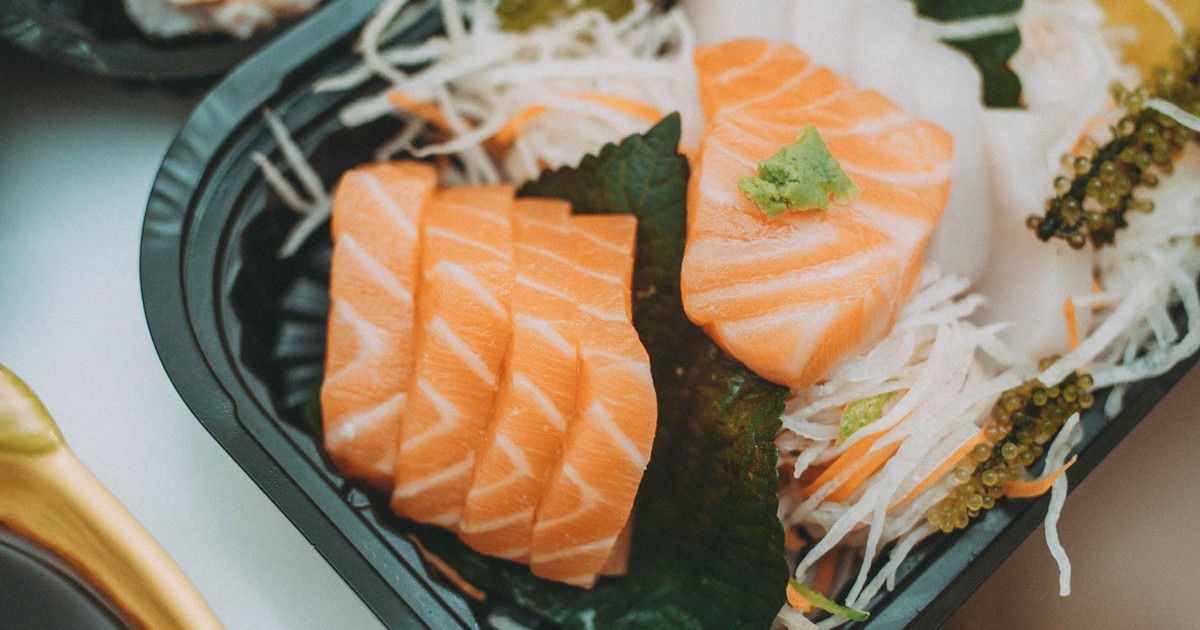
Raw fish operates on a fundamentally shorter timeline than almost any other refrigerated protein. According to the FDA, raw fish and seafood can contain disease-causing bacteria, parasitic worms, toxins, and viruses. That’s true from the moment of purchase – and those risks multiply rapidly as the fish ages past its use-by date.
Raw sushi should be eaten within a couple of days to reduce the risk of food poisoning. For whole raw fish fillets, the window is even shorter – fish purchased fresh should typically be cooked or consumed the same day or the next. If you find a piece of raw fish in your fridge and you’re unsure how old it is, the smart move is to discard it. Unlike meat, fish does not have the visual cues of color change that signal spoilage until bacterial contamination is already well advanced.
5. Raw Chicken
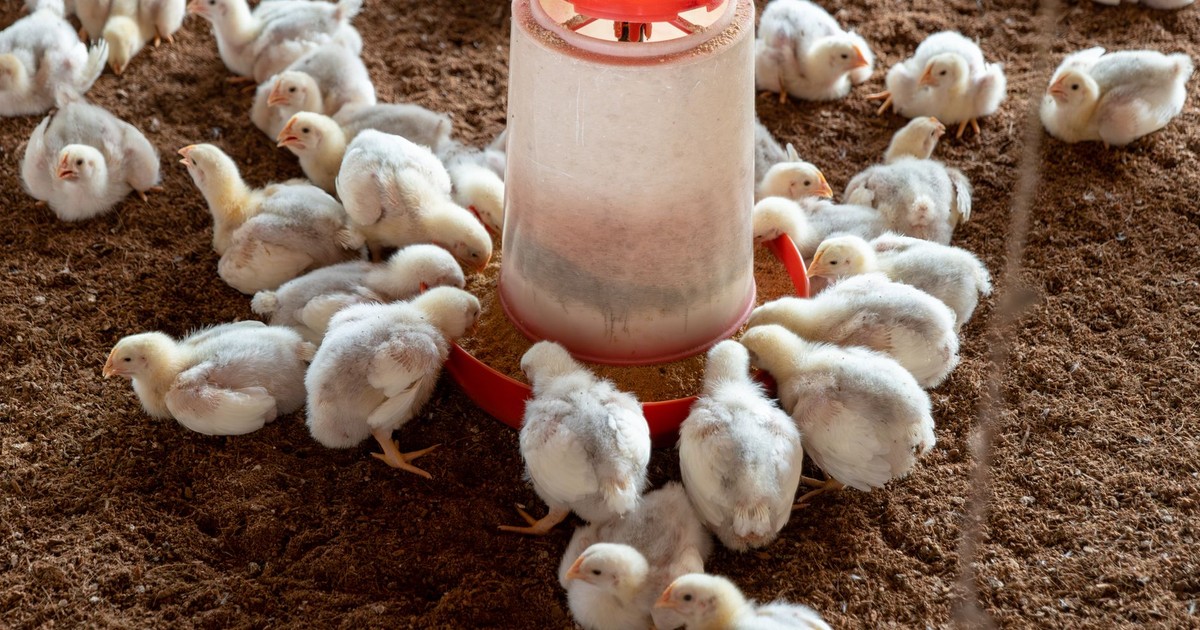
Chicken can harbor harmful bacteria such as Salmonella and Campylobacter, which multiply over time even under refrigeration, increasing the risk of foodborne illness. Grinding and processing distribute surface bacteria throughout the meat, which means heat penetration during cooking must be complete, and the clock on freshness is strict.
Broiler chicken carcasses have a refrigerated shelf life of between three and five days of cold storage, according to a 2025 study in Frontiers in Microbiology. Past that window, bacterial counts increase to levels where even thorough cooking may not fully eliminate risk. The use-by date on a chicken package is one of the few voluntary dates that closely tracks a genuine safety threshold – not just peak quality.
6. Raw Oysters

Oysters present a unique expired food safety problem because the danger is baked into how they feed. Because oysters feed by filtering water, Vibrio bacteria can concentrate inside their tissues – accumulating in quantities that reflect the bacterial load of the surrounding water. Warm-water months bring higher ambient Vibrio concentrations, which translates directly into higher risk from oysters harvested in those conditions.
Vibriosis causes an estimated 80,000 illnesses and 100 deaths in the United States every year, with higher risk concentrated in warm water months. Raw oysters past their use-by date should never be eaten. Even within their date, anyone who is pregnant, immunocompromised, or over 65 should consult a doctor before eating raw shellfish. Cooking oysters destroys Vibrio – but that’s only relevant if you’re not eating them raw.
7. Eggs (Especially After a Recall)
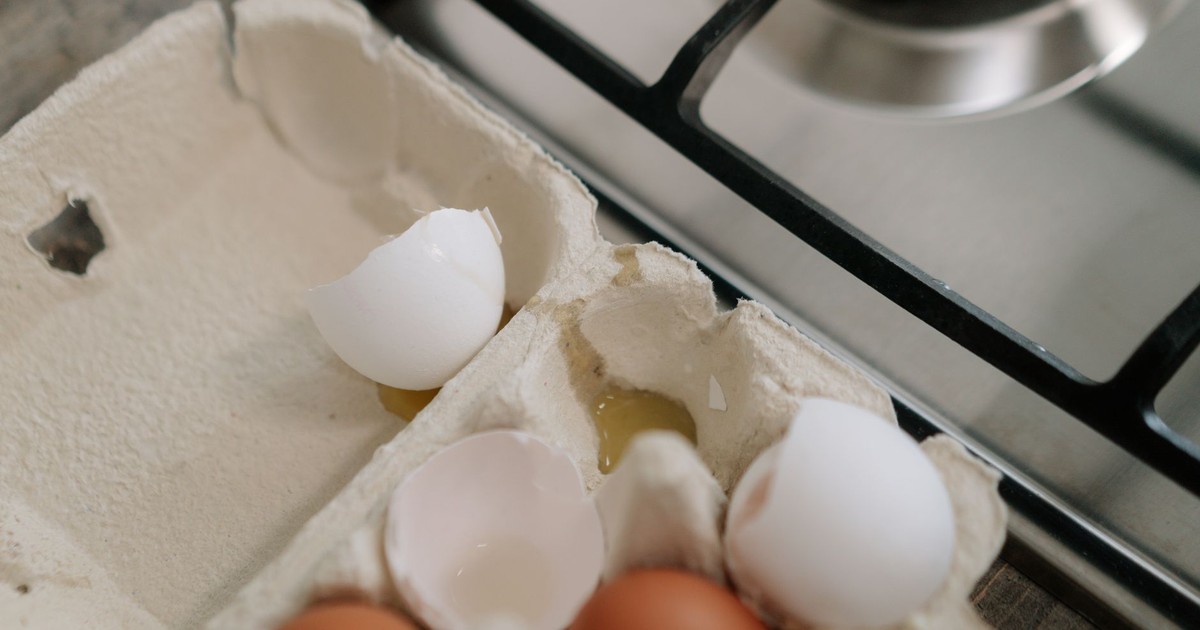
The sell-by date on an egg carton is a quality marker, not a safety cutoff – properly stored shell eggs generally remain safe for several weeks after packing. But that general flexibility disappears during active outbreak conditions. The FDA’s outbreak investigation confirmed a Salmonella outbreak in July 2026 tied to recalled eggs that left 98 people ill across 17 states, with 26 hospitalizations. The recalled eggs came from Midwest Poultry Services and were distributed under multiple brand names including products sold at Kroger and Brookshire’s stores.
Salmonella infection typically occurs within 12 to 72 hours of eating contaminated food, and symptoms usually last four to seven days, according to the FDA. Cracked or dirty eggs should always be discarded immediately regardless of the date. During any active recall, dates become irrelevant – if your eggs fall within the recalled lot numbers, throw them out no matter how fresh the carton looks.
8. Raw Ground Beef

Ground beef is more vulnerable than whole-cut beef because the grinding process exposes surface bacteria throughout the entire mass. When meat is ground, more of the meat is exposed to harmful bacteria, which multiply rapidly in the temperature “Danger Zone,” according to the USDA’s Food Safety and Inspection Service. A steak with surface bacteria can be cooked to safety by searing the outside. Ground beef that’s past its date may carry E. coli or Salmonella throughout every gram of the patty.
The USDA recommends that ground meat be eaten or frozen within two days of purchase, regardless of the printed sell-by date. Beyond the expiration date, the risk climbs sharply. Signs of spoilage – gray or brown color, slimy texture, sour smell – indicate the beef has already declined, but contaminated beef can still appear and smell completely normal. When in doubt, discard it.
9. Fresh Berries
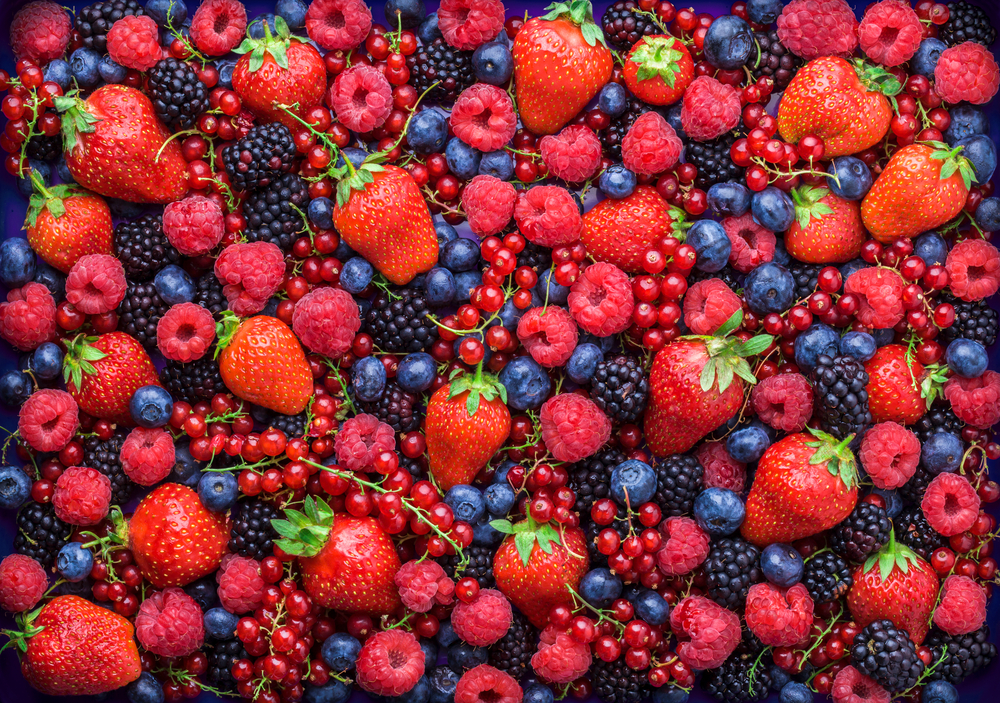
Berries are a case where the produce itself creates a unique vulnerability. Leafy greens, sprouts, berries, and melons are consumed raw or with minimal processing, which offers no opportunity to kill pathogens through cooking. A strawberry or blueberry goes from the field to your mouth without any heat treatment at any point in the chain. That means any contamination that occurs during growing, harvesting, washing, or packaging arrives at your table intact.
In July 2026, the FDA and CDC investigated an outbreak of Shiga toxin-producing E. coli linked to recalled frozen organic blueberries, causing multiple illnesses and hospitalizations across southeastern states. Once berries show mold, or once the package has passed its use-by date and the fruit is no longer firm and vibrant, discard the entire container. Mold on soft fruit spreads through the entire batch far faster than it spreads through a hard cheese, and the visible mold represents only a fraction of the contamination.
10. Fresh Leafy Greens
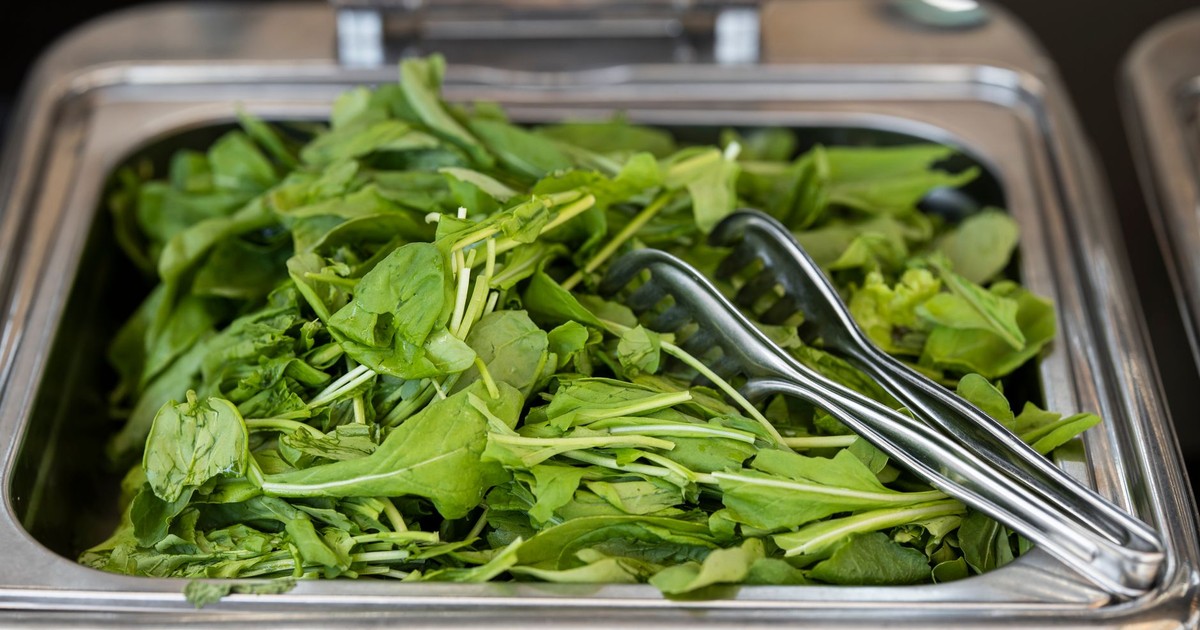
The same logic that applies to berries applies even more forcefully to bagged salad greens and spinach. Pre-washed, bagged greens create warm, moist conditions inside the package – an ideal environment for bacterial growth. Listeria, E. coli, and Salmonella have all been linked to leafy green outbreaks in the United States, and these foods sit among the most recalled produce categories each year.
Leafy greens rank among the most frequently cited culprits in American food poisoning cases, which makes their use-by dates worth taking seriously. Once bagged greens are past their date, or if the bag shows pooled moisture and the leaves have begun to turn slimy, the package should go in the trash. Unlike most produce, bagged greens offer nowhere safe to trim – the entire batch has been co-mingled, and you can’t simply remove the compromised leaves.
11. Fresh-Squeezed or Unpasteurized Juice
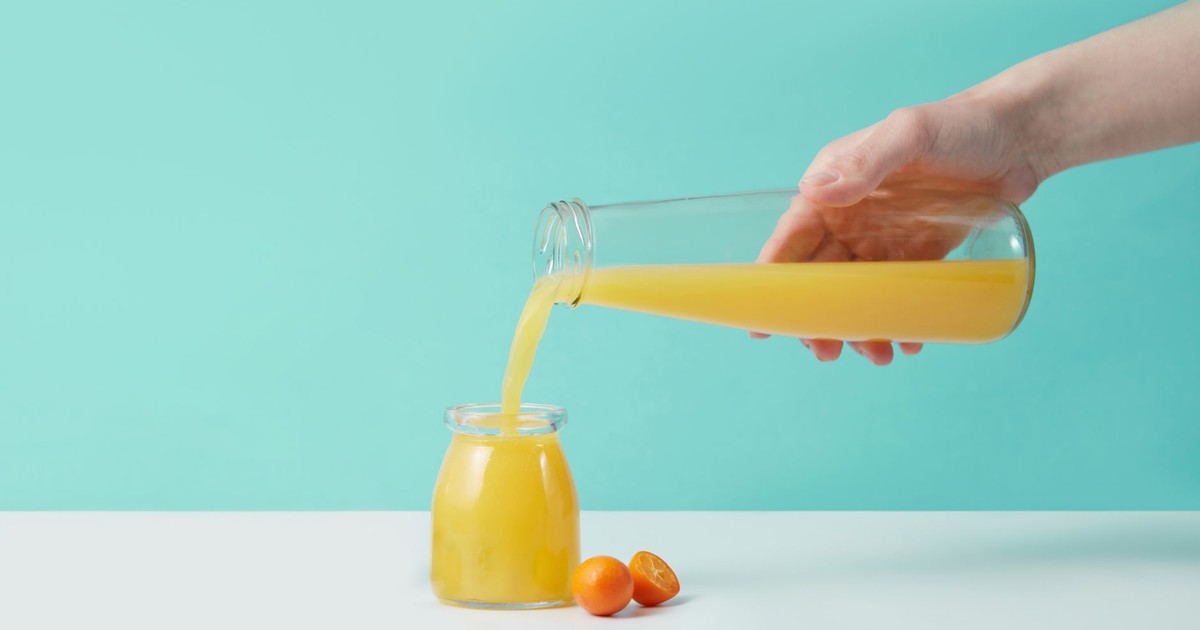
Pasteurization kills the bacteria and pathogens that naturally accumulate in fresh juice. Unpasteurized, fresh-squeezed juice – the kind sold in the refrigerated section of juice bars, farm stands, and some grocery stores – has had no such treatment. E. coli, Salmonella, and Cryptosporidium (a microscopic parasite) have all been documented in unpasteurized juice. The FDA requires unpasteurized juice to carry a warning label for exactly this reason.
Fresh-squeezed juice should be consumed on the day it’s made, or within the very short use-by window provided by the retailer. After that window closes, pathogen counts can climb quickly. Children, pregnant women, and immunocompromised adults face the greatest risk – for these groups, the FDA recommends avoiding unpasteurized juice entirely, regardless of the date.
12. Sprouts

Sprouts – alfalfa, bean, radish, clover – are grown in the warm, wet conditions that microbes love. Seeds can carry Salmonella or E. coli on their surfaces, and the sprouting process is essentially an incubation environment for anything that’s already there. The FDA has linked sprout outbreaks to multiple pathogen types over decades, and the agency advises high-risk groups to avoid raw sprouts entirely.
The use-by date on sprouts is short for good reason. Once the date passes, the microbial load in a package of sprouts rises rapidly. Cooking sprouts eliminates this risk – but most people eat them raw, in sandwiches or salads, which removes that safety margin. After the expiration date, sprouts should be discarded without exception. This is one food where the date is a genuine safety signal, not a quality estimate.
13. Opened Condiments Containing Eggs or Dairy

Mayonnaise, cream-based salad dressings, and refrigerated dips made with dairy or eggs become high-risk foods the moment they’re opened and begin aging. Commercially sealed, these products are stable. Once opened, they’re exposed to repeated temperature changes as the refrigerator door opens and closes, cross-contamination from utensils, and gradual acidity breakdown that allows bacterial growth to begin.
Starting July 1, 2026, California requires food manufacturers to standardize date labels – “best if used by” for quality, and “use by” for genuine safety concerns. Until federal labeling catches up, the “use by” date on opened mayonnaise or dairy-based dressings should be treated as a hard cutoff, not a suggestion. After that date, Salmonella and Staphylococcus aureus can both grow at levels sufficient to cause illness – and again, neither bacteria changes the product’s taste or appearance enough to warn you.
What to Do Now

There are more than 50 different date label phrases currently in use on American food packaging, with no standardized definitions – which means the confusion around expired food safety isn’t the consumer’s fault. The system isn’t designed for clarity. The practical fix is simple: treat “use by” dates on high-moisture, protein-rich, or raw foods as hard safety deadlines. Treat “best by” dates on shelf-stable, dry, or low-moisture foods as quality guides you can stretch.
For the 13 foods above, the rule is unambiguous: when the date passes, discard the food. That includes deli meats, soft cheeses, raw poultry, raw fish, and especially infant formula. When in doubt with any of these foods, don’t rely on smell or appearance – those cues fail specifically with the most dangerous bacterial contaminants, including Listeria and Salmonella. Storing meats and poultry at or below 40°F, keeping raw proteins on the lowest refrigerator shelf to prevent drip contamination, and checking recall notices from the FDA and CDC before eating any food flagged in a recent outbreak are three practical steps that cost nothing and reduce real risk.
Read More: 13 Foods That Pose Health Risks After Expiration
Disclaimer: This information is not intended to be a substitute for professional medical advice, diagnosis, or treatment and is for information only. Always seek the advice of your physician or another qualified health provider with any questions about your medical condition and/or current medication. Do not disregard professional medical advice or delay seeking advice or treatment because of something you have read here.
AI Disclaimer: This article was created with the assistance of AI tools and reviewed by a human editor.
Trending Products

Red Light Therapy for Body, 660nm 8...

M PAIN MANAGEMENT TECHNOLOGIES Red ...

Red Light Therapy for Body, Infrare...

Red Light Therapy Infrared Light Th...

Handheld Red Light Therapy with Sta...

Red Light Therapy Lamp 10-in-1 with...

Red Light Therapy for Face and Body...

Red Light Therapy Belt for Body, In...

Red Light Therapy for Shoulder Pain...
