
For many, the idea of a Friday night without plans is a source of “FOMO”, aka Fear Of Missing Out. It may leave a lingering sense of inadequacy. However, for a significant portion of the population, that same silence is a sanctuary. While society often pathologizes solitude, labeling it as “loneliness” or “social withdrawal”, psychological research suggests a much more nuanced reality. Those who enjoy being alone aren’t necessarily antisocial or lonely; rather, they may possess a specific set of personality traits and cognitive processes that allow them to flourish in the absence of others.
The distinction between solitude and loneliness is the cornerstone of this psychological inquiry. Loneliness is a subjective feeling of social isolation; the painful discrepancy between desired and actual social contact. Solitude, conversely, is the state of being physically alone without the emotional distress. In fact, for those with a high affinity for solitude, being alone is a restorative, voluntary, and deeply rewarding experience.
The Big Five: Personality and the Affinity for Solitude
Image credit: Shutterstock
To understand why some people enjoy being alone, psychologists often look toward the Five-Factor Model of personality. While the most obvious culprit is Introversion, the relationship is more complex than simply being “quiet.”
Introversion vs. Extraversion
According to Eysenck’s theory of personality, extraverts have a lower base level of cortical arousal and seek out social stimulation to reach an optimal state. Introverts, however, have a higher base level of arousal. For an introvert, a crowded room can feel like a sensory assault. When they choose solitude, they are often regulating their nervous system to return to a baseline of comfort.
Openness to Experience
Research published in the Journal of Research in Personality indicates that individuals high in “Openness to Experience” are more likely to enjoy being alone. This is because solitude provides the cognitive space necessary for imaginative play, intellectual exploration, and divergent thinking. These individuals don’t see an empty room as a void; they see it as a laboratory for ideas.
The Neurobiology of the “Loner”
The brain’s reward system plays a significant role in how we perceive social interaction. The dopamine reward pathway, specifically the ventral striatum, reacts differently in people who prefer solitude.
Studies using fMRI technology have shown that extraverts experience a significant dopamine “rush” in response to social rewards, such as a smiling face or a lively conversation. In contrast, those who enjoy being alone do not show the same level of hypersensitivity to these external social cues. Their reward systems may be more attuned to internal stimuli, such as the satisfaction of completing a solo project or the “flow state” achieved during deep reflection.
Furthermore, the Default Mode Network (DMN), or the brain network active when we are not focused on the outside world, tends to be highly active in those who find value in solitude. This network is responsible for self-referential thought, remembering the past, and envisioning the future. For people who naturally enjoy being alone, the DMN is a source of rich internal entertainment rather than a breeding ground for rumination.
Autonomy and Self-Determination Theory
Self-Determination Theory (SDT), developed by Deci and Ryan, posits that human well-being depends on three basic needs: competence, relatedness, and autonomy. Solitude is the ultimate expression of autonomy. When we are with others, we are constantly self-monitoring, or adjusting our behavior, tone, and even our thoughts to fit social norms or the needs of our companions. This is known in psychology as “social checking.”
For those who enjoy being alone, the primary draw is the total absence of social pressure. In solitude, the social self is deactivated. This allows for a few things, including:
- Freedom of Choice: Deciding exactly what to do, when to do it, and how to do it without negotiation.
- Emotional Regulation: Processing complex emotions without the influence of others’ reactions.
- Authentic Self-Expression: Engaging in hobbies or behaviors that might feel “cringe” or judged in a social setting.
Solitude as a Catalyst for Creativity

History is filled with “creative loners,” from Nikola Tesla to Virginia Woolf. Psychology confirms that this isn’t just a trope. Creative achievement often requires what psychologists call “deliberate practice” and “incubation.” A study by Long and Averill (2003) found that solitude is a crucial environment for transformation. When we are alone, our minds are free to make remote associations, aka the unconventional connections between ideas that lead to “Eureka!” Moments.
Furthermore, the “Collaborative Inhibition” phenomenon suggests that groups actually generate fewer unique ideas than the same number of individuals working alone. For those who enjoy being alone, the silence acts as a catalyst for the “incubation” phase of creativity, where the subconscious mind works on a problem without the distraction of social feedback.
The Role of Attachment Style
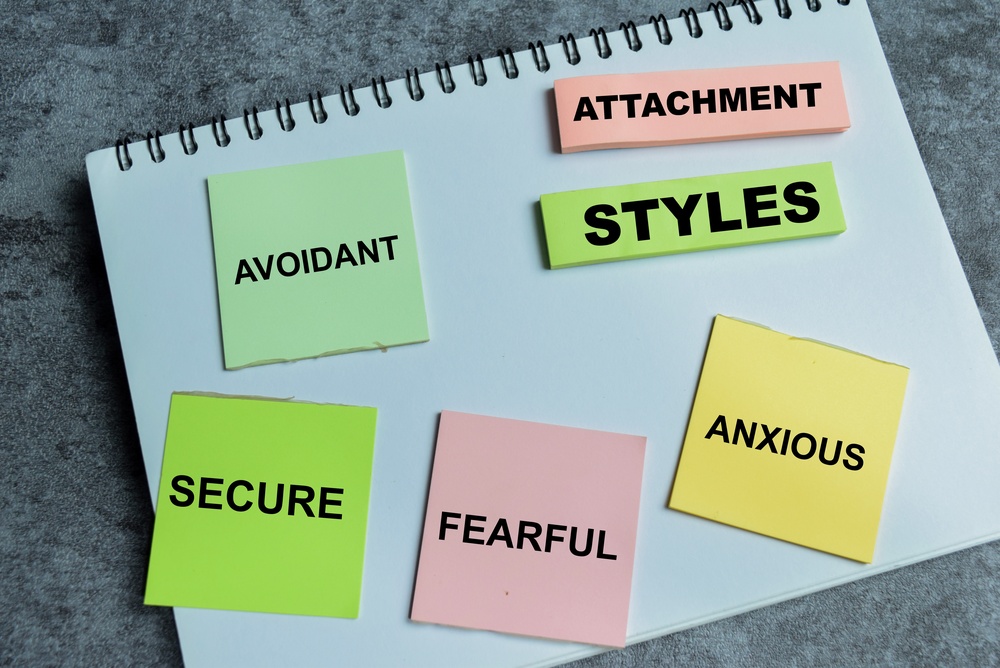
Our early childhood experiences shape how we view being alone. Attachment theory, pioneered by John Bowlby and Mary Ainsworth, describes how we relate to others and ourselves. Individuals with secure attachment, for example, usually feel comfortable both in relationships and in solitude. They have a “secure base” within themselves. Those with avoidant attachment, however, tend to enjoy being alone, but as a defense mechanism to avoid the perceived “engulfment” or vulnerability that comes with being with other people. Finally, those with anxious attachment often struggle with solitude, viewing it as a sign of abandonment.
Modern research, however, has identified a group of “Secure High-Solitude” individuals. These people have healthy social lives and strong relationships, yet they actively carve out time for themselves. They don’t use solitude to escape people; they use it to return to themselves.
Solitude vs. Social Anxiety: The “Positive Withdrawal”

It is a common misconception that everyone who stays home is anxious. Psychologists distinguish between “Social Anxious Withdrawal” and “Non-social Withdrawal”, often called Unsociality. People with social anxiety often want to be with others but are paralyzed by the fear of judgment. Those with unsociability, however, simply have a low social appetite. They aren’t afraid of people or judgment; they just find more value in solitary activities.
Research suggests that unsociable individuals, those who truly enjoy being alone, score high on measures of self-esteem and self-reliance. Unlike those with social anxiety, they do not experience internalizing problems like depression or high stress when they are alone. In fact, their well-being increases when they have sufficient “met-time.”
The Evolution of Solitude: A Survival Advantage?
From an evolutionary perspective, humans are social animals. Our ancestors survived because they lived in tribes. Why, then, would some of us be wired to enjoy being alone?
Some evolutionary psychologists argue that solitary-seekers provided a different kind of value to the tribe. While the extraverts were hunting and socializing, the more solitary members might have been the ones observing patterns in nature, developing new tools, or keeping watch. This diversified portfolio of personality types ensured the survival of the group. In the modern world, this translates to the deep thinkers, researchers, and analysts who thrive in quiet environments.
The Psychological Benefits of Choosing Solitude
When people enjoy being alone, they tap into several mental health benefits that are often overlooked by our always-on culture:
- Restoration of Attention: According to Attention Restoration Theory (ART), urban and social environments drain our directed attention. Solitude, especially in a quiet or natural setting, allows our cognitive resources to replenish.
- Identity Formation: Especially in adolescence and young adulthood, solitude provides the room to breathe necessary to figure out one’s own values apart from parental or peer influence.
- Increased Empathy: Counterintuitively, spending time alone can increase empathy. By reflecting on one’s own experiences in private, individuals often gain a deeper understanding of the human condition, which they then bring back to their social interactions.
Not An Excuse To Not Be Social
While the psychological benefits of solitude are profound, those who enjoy being alone must navigate the thin line between healthy unsociability and the risks of chronic social isolation. From an evolutionary and psychological standpoint, humans remain inherently social creatures. A total lack of social integration can lead to a phenomenon known as “social atrophy,” where interpersonal skills diminish and the threshold for social anxiety begins to lower. Furthermore, prolonged isolation can inadvertently trigger the brain’s hypervigilance mode, a survival mechanism where the mind perceives social threats more acutely than they actually are. This can potentially lead to the very loneliness the individual originally aimed to avoid. Maintaining a social baseline ensures cognitive flexibility and emotional resilience, providing the necessary external perspectives that prevent the internal Default Mode Network from spiraling into unproductive rumination. By balancing their cherished solitude with meaningful, high-quality social interactions, these individuals can protect their cardiovascular health and long-term cognitive function while still reaping the rewards of their independent lifestyle.
Read More: 10 Signs You Grew Up Chronically Lonely
Embracing the “Solitary High”

In a world that equates busy with important and social with healthy, it is vital to recognize that the desire for solitude is a legitimate and often superior psychological state for many. People who enjoy being alone are not broken; they are often individuals with high levels of autonomy, a rich inner life, and a robust capacity for self-regulation.
Psychology teaches us that the quality of our relationships with ourselves dictates the quality of our lives. For those who find joy in their own company, solitude is not a prison; it is a superpower. It is a time for the soul to speak, for the brain to rewire, and for the individual to find peace in the one person they will truly spend their entire life with: themselves. Whether you are a lifelong loner or someone looking to incorporate more quiet into your life, remember that being alone is not an absence of life; it is a different, deeper way of living it.
Disclaimer: The information provided here is for educational and informational purposes only and is not a substitute for professional psychological, psychiatric, or mental health advice, diagnosis, or treatment. Always seek the guidance of a licensed mental health professional, therapist, psychologist, or psychiatrist with any questions or concerns about your emotional well-being or mental health conditions. Never ignore professional advice or delay seeking support because of something you have read here.
A.I. Disclaimer: This article was created with AI assistance and edited by a human for accuracy and clarity.
Read More: Why Being in a Nurturing Relationship Could Help You Heal Faster
Trending Products

Red Light Therapy for Body, 660nm 8...

M PAIN MANAGEMENT TECHNOLOGIES Red ...

Red Light Therapy for Body, Infrare...

Red Light Therapy Infrared Light Th...

Handheld Red Light Therapy with Sta...

Red Light Therapy Lamp 10-in-1 with...

Red Light Therapy for Face and Body...

Red Light Therapy Belt for Body, In...

Red Light Therapy for Shoulder Pain...
