
Everyone feels tired sometimes. A few nights of poor sleep, a stressful week, or a demanding job can leave anyone running on empty. But for some people, exhaustion becomes something entirely different – a relentless, life-altering condition that doesn’t improve with rest and often defies explanation.
For millions of Americans, the symptoms have a name – but most people who live with them have never been diagnosed. The condition responsible is myalgic encephalomyelitis/chronic fatigue syndrome, known as ME/CFS. One in four of those patients is housebound or bedridden, yet the vast majority have never received the diagnosis that would explain why their bodies stopped working.
The CDC estimates that up to 3.3 million people in the United States have ME/CFS, and more than 9 in 10 have not been diagnosed by a doctor. That makes it one of the most under-recognized chronic illnesses in the country. Beyond the human toll, ME/CFS is also estimated to cost the U.S. economy between $18 and $51 billion each year in medical expenses and lost income.
Those structural gaps have real consequences. A person going undiagnosed doesn’t just lack a label – they lack pacing strategies, specialist referrals, disability accommodations, and any framework for understanding why rest doesn’t help. The ten facts below are what every person with unexplained exhaustion, persistent brain fog, or post-activity crashes needs to understand.
1. The Fatigue Is Not Ordinary Tiredness
Chronic fatigue syndrome, also known as myalgic encephalomyelitis or ME/CFS, is a “complex, multisystem illness characterized by activity-limiting fatigue” – and it is more than just tiredness. Patients frequently experience a substantial impairment in physical and mental function at some point in their illness.
Symptoms include extreme exhaustion after physical exercise and mental effort, unrefreshing sleep, and trouble with memory. To qualify for the diagnosis, patients must also experience either problems with thinking and memory – sometimes described as “brain fog” – or worsening of symptoms while standing or sitting.
The fatigue of ME/CFS does not improve with rest. A person may be able to function for an hour and then spend the next two days recovering – a pattern that makes ordinary employment and social participation extraordinarily difficult.
2. Post-Exertional Malaise Is the Hallmark Symptom

Post-exertional malaise, or PEM, is the feature that most sharply distinguishes ME/CFS from burnout, depression, or general exhaustion. In 2015, the Institute of Medicine, now known as the National Academy of Medicine, published a report called “Beyond Myalgic Encephalomyelitis/Chronic Fatigue Syndrome: Redefining an Illness,” proposing new diagnostic criteria to facilitate timely diagnosis and improve understanding among healthcare professionals. Those criteria include a substantial reduction or impairment in the ability to engage in pre-illness levels of activity, post-exertional malaise – defined as worsening of symptoms after physical, mental, or emotional exertion – along with unrefreshing sleep and cognitive impairment or orthostatic intolerance.
This post-exertional malaise symptom means that after patients exert themselves, they may need to stay in bed for an extended time. PEM can be triggered by physical or mental activity such as socializing or studying, and it can hit hours or days after the triggering event. A patient who feels functional on Monday may be completely bedridden by Wednesday, and the connection between the exertion and the crash isn’t always obvious – even to the patient. That lag is also why traditional advice to “push through” tiredness can cause serious harm.
3. Brain Fog Is Real and Measurable

Among the core symptoms the CDC describes are problems with thinking and memory, sometimes described as “brain fog.” Patients report difficulty following conversations, paying attention, and retrieving the right words during speech. They can still accomplish mental tasks – they simply cannot do so as efficiently or for as long as they once could.
Memory and concentration problems are reported by approximately 89% of ME/CFS patients, and the impairment extends beyond self-report. Brain imaging studies have found structural differences in ME/CFS patients, including a global reduction in grey matter compared to healthy age-matched controls. For people who were previously high-functioning, this cognitive decline often disrupts their sense of identity and capability more than the physical fatigue does.
4. There Is No Diagnostic Test – Yet
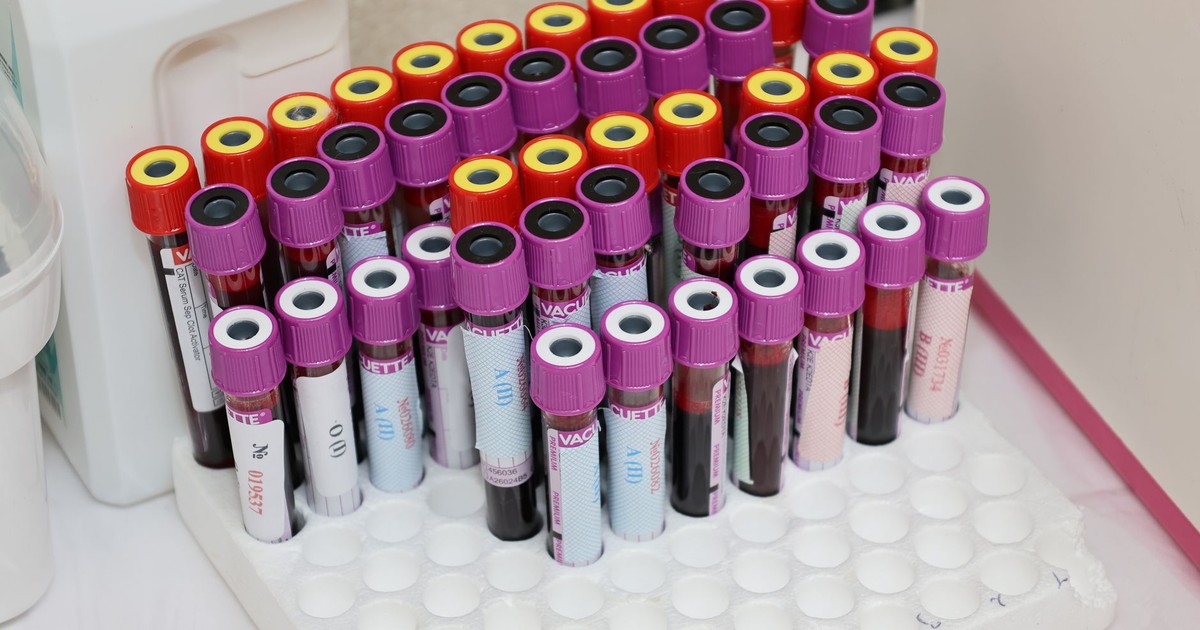
ME/CFS is difficult to diagnose because there is no specific test for it. Although there is substantial evidence that it involves the brain, immune system, energy metabolism, blood vessels, and gut microbiome, diagnosis rests on clinical evaluation – ruling other conditions out rather than confirming one thing in.
A potential shift is on the horizon. Scientists at the University of East Anglia and Oxford Biodynamics have developed a blood test to diagnose ME/CFS. The condition affects millions worldwide and has long lacked reliable diagnostic tools, but this test offers new hope with 96% accuracy. The team used advanced EpiSwitch 3D Genomics technology to see how DNA is folded in blood samples from 47 patients with severe ME/CFS and 61 healthy controls. The analysis demonstrated 92% sensitivity in correctly identifying those with ME/CFS and 98% specificity in correctly identifying those without it. The study was published in the Journal of Translational Medicine in 2025. Broader validation studies are still pending before the test reaches routine clinical use.
5. Most Patients with Undiagnosed Disease Fatigue Wait Years for Answers

An estimated 3.3 million people in the United States have ME/CFS, and the vast majority are undiagnosed, according to the CDC’s clinical overview. That 3.3 million figure may even undercount the true burden, as experts say the overwhelming majority of ME/CFS cases are never formally identified.
Among those who eventually do receive a diagnosis, the wait is rarely short. A 2023 analysis in Mayo Clinic Proceedings found that up to 90% of people with ME/CFS remain undiagnosed, and 29% of those who are eventually diagnosed waited five or more years for an accurate answer. For many patients, years without a correct diagnosis means years of wrong treatments, continued exertion, and progressive decline – all while being told their symptoms might be psychological.
6. It Can Leave People Completely Bedridden

About 1 in 4 people with ME/CFS are confined to bed at some point in their illness. For those patients, “severe” means genuine disability. A trip to the bathroom can trigger days of worsened symptoms. Showering, eating, or holding a brief conversation may each require recovery time.
Research published in a 2021 review in the journal Healthcare found that severe ME/CFS patients report fatigue in 85% of cases, pain in 65%, cognitive impairment in 50%, and orthostatic intolerance – dizziness or faintness when upright – in 45%. ME/CFS costs the U.S. economy about $18 to $51 billion annually in medical costs and lost income, reflecting the scale of long-term disability among patients who go undiagnosed and untreated for years.
7. Women and Certain Groups Are Disproportionately Affected

Cases of ME/CFS are more common in women than men, and rates are higher in people ages 50 to 69, though people in all age, sex, and racial and ethnic groups can be affected.
The condition is also unevenly diagnosed across racial groups. The percentage of adults with ME/CFS varies by race and Hispanic origin. White non-Hispanic adults were more likely than Hispanic adults and Asian non-Hispanic adults to have an ME/CFS diagnosis in CDC data, a gap researchers attribute in part to diagnostic bias rather than actual differences in disease prevalence. A 2025 study in the International Journal of Environmental Research and Public Health found that white individuals were approximately fivefold more likely to be diagnosed with ME/CFS than others in an analysis of English health records.
People of color with identical symptoms carry an additional barrier just reaching a correct label – which means they are also less likely to receive pacing guidance, specialist referrals, or disability support.
8. Long COVID Has Significantly Expanded the Patient Pool

COVID-19 didn’t create ME/CFS, but it dramatically increased the number of people who now meet its diagnostic criteria. A 2024 meta-analysis published in the Journal of Infection, drawing on clinical studies from January 2020 to May 2023, found that 51% of long COVID patients satisfied ME/CFS diagnostic criteria, with fatigue, sleep disruption, and muscle and joint pain as the most common symptoms. That figure, drawn from nearly 2,000 patients across 13 studies, suggests the overlap between the two conditions is not incidental.
ME/CFS is increasingly viewed as an infection-associated chronic illness, because of the frequency of its association with infection and the symptom overlap with illnesses following known infections. COVID-19 appears to be one more trigger in that pattern, acting on the same immune dysregulation pathway as Epstein-Barr virus and other known precipitants. Researchers who developed the EpiSwitch blood test have noted they hope a similar approach could also help diagnose long COVID.
For people with persistent post-COVID symptoms, you can read more about how chronic illness overlaps with post-viral fatigue and what that means for ongoing care.
9. The Cause Involves the Immune System, Not Laziness

One of the most damaging misconceptions about ME/CFS is that it reflects low motivation or psychological fragility. The biology tells a different story. The cause or causes of ME/CFS are still unknown, but ME/CFS is increasingly viewed as an infection-associated chronic illness.
Researchers have not yet found an exact cause, but ME/CFS can occur after viral or bacterial infections and may also relate to genetics, chronic illness, autoimmune disease, or physical and emotional trauma. Up to 80% of patients develop ME/CFS following an acute viral-like illness. The immune system in these cases appears to remain in a prolonged activated state long after the original infection has cleared, producing ongoing inflammation that disrupts energy metabolism and neurological function.
The absence of a single biomarker historically made it easier to dismiss the condition. The volume of converging biological findings – spanning immune dysregulation, structural brain changes, and abnormal energy metabolism – now makes that position very difficult to sustain.
Read More: 8 Signs You’re Suffering From Chronic Fatigue Syndrome
10. There Are Steps You Can Take Right Now

Diagnosis relies on clinical criteria, not a lab result, which means preparation matters in a doctor’s appointment. The IOM diagnostic criteria require a substantial reduction in the ability to engage in pre-illness levels of activity, combined with post-exertional malaise and unrefreshing sleep, plus either cognitive impairment or orthostatic intolerance. If those boxes apply to you, the first step is documenting symptoms with dates and patterns – specifically noting any delayed crashes after physical or mental activity.
Symptoms must be present for six months to meet the full ME/CFS diagnostic threshold, but management strategies don’t have to wait that long. Pacing – carefully managing activity levels to stay within your energy limits before triggering PEM – carries the most consistent support across patient communities and current clinical guidance. It’s a strategic approach to staying within your energy envelope, not a passive instruction to rest indefinitely.
What This Means for You
Limited access to healthcare and a lack of providers who know how to recognize ME/CFS are two of the primary reasons most patients remain undiagnosed. That means patients often need to arrive at appointments informed – using the specific language of diagnostic criteria and naming post-exertional malaise, unrefreshing sleep, and orthostatic intolerance explicitly, rather than simply describing “tiredness.”
If you’ve been told your exhaustion is stress, aging, or anxiety, and that explanation has never fully fit, consider requesting a formal evaluation using the 2015 National Academy of Medicine criteria. Diagnosis may take time – the 29% of patients who waited five or more years know that well – but it changes access to everything: pacing strategies, specialist referrals, disability support, and, eventually, tools like the 96%-accurate EpiSwitch blood test now in development. The condition is documented, the biology is real, and the first step out of the diagnostic gap is knowing exactly what to ask for.
Disclaimer: This information is not intended to be a substitute for professional medical advice, diagnosis, or treatment and is for information only. Always seek the advice of your physician or another qualified health provider with any questions about your medical condition and/or current medication. Do not disregard professional medical advice or delay seeking advice or treatment because of something you have read here.
AI Disclaimer: This article was created with the assistance of AI tools and reviewed by a human editor.
Read More: New Blood Test Could Finally Diagnose Chronic Fatigue and Long COVID
Trending Products

Red Light Therapy for Body, 660nm 8...

M PAIN MANAGEMENT TECHNOLOGIES Red ...

Red Light Therapy for Body, Infrare...

Red Light Therapy Infrared Light Th...

Handheld Red Light Therapy with Sta...

Red Light Therapy Lamp 10-in-1 with...

Red Light Therapy for Face and Body...

Red Light Therapy Belt for Body, In...

Red Light Therapy for Shoulder Pain...
