
Coffee is already one of the most studied drinks in the world, yet researchers continue to uncover surprising ways it may be connected to our health. A new Finnish study suggests those connections may extend beyond some of the usual suspects, such as heart health and blood sugar, and into something we don’t often associate with our morning cup: body composition and hormones.
In the study, published in the European Journal of Nutrition, researchers at the University of Oulu looked at 2,264 adults, all born in the same year and examined at age 46. Led by doctoral researcher Luca Verroest, the team compared habitual coffee intake with a wide range of health measures, including body fat, skeletal muscle mass, blood sugar regulation, circulating amino acids, and sex hormones.
The results revealed some intriguing differences between people who drank more coffee and those who drank less. And importantly, those differences weren’t necessarily reflected by BMI alone. Coffee consumption was associated with differences in how much fat and muscle people carried, as well as several markers related to metabolism and hormones.
None of this proves that coffee itself caused these differences. The study was observational, meaning other lifestyle factors could be involved. Still, the findings add to a growing body of research suggesting that our daily coffee habit may be associated with more going on inside the body than we realize.
From visceral fat and muscle mass to blood sugar, testosterone, and some lesser-known markers of metabolic health, here are six findings from the study worth knowing about.
1. Lower Total and Visceral Body Fat
Despite having a similar body mass index, individuals with higher coffee consumption had lower total and visceral fat than those who consumed less coffee. Visceral fat is the deep abdominal fat that wraps around organs like the liver and intestines – distinct from the subcutaneous fat you can pinch just beneath the skin. Excess visceral fat increases insulin resistance by releasing free fatty acids and hormones that disrupt insulin signaling, and it’s strongly associated with cardiometabolic diseases.
The study, titled “Associations of habitual coffee intake with testosterone and cardiometabolic markers: the Northern Finland Birth Cohort 1966 study,” was published in the European Journal of Nutrition on 16 July 2026. The cohort design – tracking one large group born the same year – allowed researchers to compare people at an equivalent life stage, reducing the age-related variation that typically complicates this kind of research.
The finding that coffee drinkers carry less visceral fat without having a lower BMI is meaningful for exactly that reason. BMI does not distinguish between fat and muscle, or between fat stored superficially versus deep in the abdomen. Visceral fat is a marker of cardiovascular disease risk that is independent of BMI and is associated with increased cardiometabolic risk factors. Coffee’s association with lower levels of it – independent of body weight – suggests that whatever biological mechanisms coffee triggers, they may be acting on metabolic processes rather than simply reducing overall caloric intake.
2. Greater Skeletal Muscle Mass

People who consumed more coffee tended to have lower levels of both total body fat and visceral fat, along with greater skeletal muscle mass. Skeletal muscle is the muscle attached to the skeleton that powers voluntary movement – walking, lifting, climbing stairs. It’s also metabolically active tissue, meaning it burns calories at rest and plays a central role in glucose regulation.
These differences appeared even though participants with higher and lower coffee intake had similar BMIs. People who drank more coffee tended to have less total and abdominal fat, more muscle, and healthier metabolic markers despite having similar BMIs. That pattern – more muscle and less fat at the same weight – describes what’s often called a more favorable body composition, and it’s associated with lower long-term risk of metabolic disease.
Researchers aren’t certain which of coffee’s components drive this association. Coffee beans contain over 1,000 bioactive compounds, with caffeine, trigonelline, chlorogenic acids, cafestol, kahweol, and melanoidins constituting the core functional components. Some of these compounds have anti-inflammatory and insulin-sensitizing properties, which could theoretically influence how the body stores fat versus builds and maintains muscle. But the precise pathway from cup to body composition remains a subject of ongoing investigation.
3. Improved Glucose-Insulin Profile
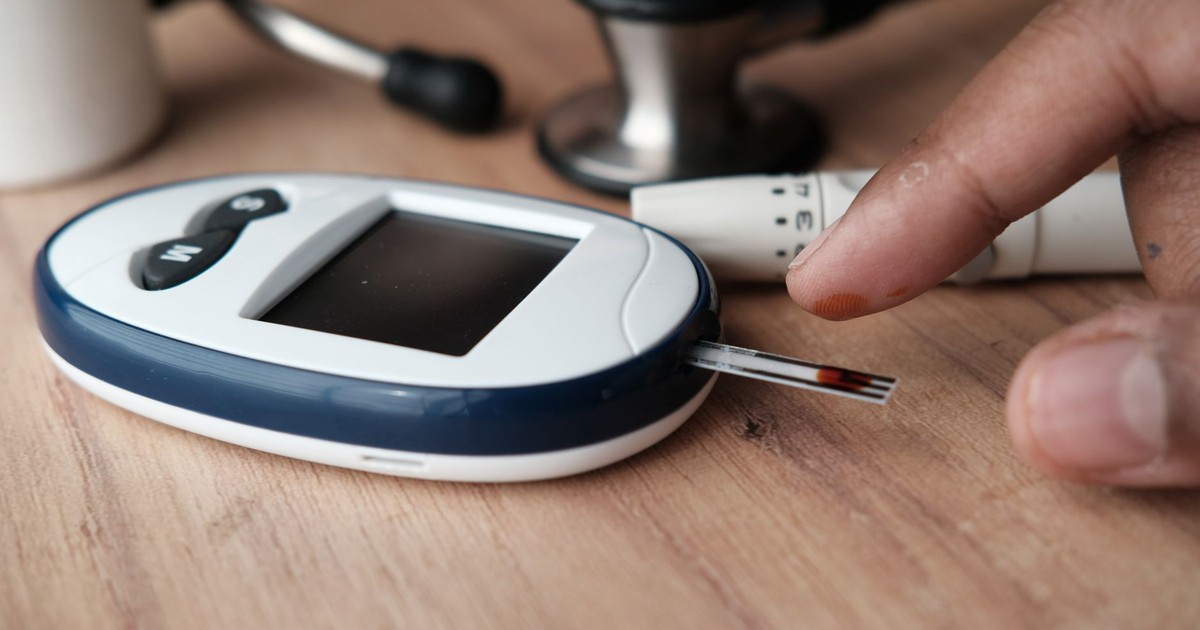
Higher coffee consumption was linked to a more favorable glucose-insulin profile, higher concentrations of total and bioavailable testosterone, and increased levels of sex hormone-binding globulin. A favorable glucose-insulin profile means that blood sugar and the hormone that regulates it – insulin – are working together efficiently. When this system becomes disrupted, the result is insulin resistance, which is the precursor to type 2 diabetes and a driver of weight gain, inflammation, and cardiovascular risk.
This finding fits with a broader body of prior research. Previous research has linked coffee consumption to a lower risk of conditions such as type 2 diabetes and cardiovascular disease. What this new study adds is a more granular picture: the benefit may not be limited to disease prevention at the population level, but may also show up as measurable differences in metabolic markers within a group of middle-aged adults going about their daily lives.
Coffee’s glucose benefits likely involve multiple pathways. Chlorogenic acids, a family of polyphenols [plant-based antioxidants] abundant in coffee, are thought to slow glucose absorption from the gut and improve how cells respond to insulin. The current study doesn’t isolate which compound is responsible, but the consistency of the finding – appearing even after accounting for BMI and lifestyle factors – suggests the association is real rather than a statistical artifact.
4. Higher Testosterone in Men

The study also found a notable difference in sex hormones among men: higher coffee intake was associated with higher total testosterone and higher levels of sex hormone-binding globulin, but lower free testosterone. Total testosterone is the sum of all testosterone in the blood. Free testosterone is the small fraction not attached to proteins – the form that can directly act on cells. SHBG is the protein that binds to testosterone (and other sex hormones) and carries them through the bloodstream, keeping them in a kind of reserve.
Higher SHBG means more testosterone is bound up and unavailable for immediate use, which can lower free testosterone even when total testosterone is elevated. In the general population of middle-aged men, low testosterone is common and associated with fatigue, reduced muscle mass, and metabolic problems – so higher total testosterone is typically a positive sign, though the net hormonal effect for any individual depends on his baseline levels and overall health context.
Among men in the Verroest team’s analysis, the hormonal associations with coffee were more pronounced than in women – the pattern of higher total testosterone alongside elevated SHBG was the clearest sex-specific signal the study produced. Whether coffee actually causes these hormonal differences, or whether men with particular lifestyle patterns – who also happen to drink more coffee – tend to have higher testosterone, cannot be determined from this type of study alone.
5. Higher SHBG Levels in Both Sexes
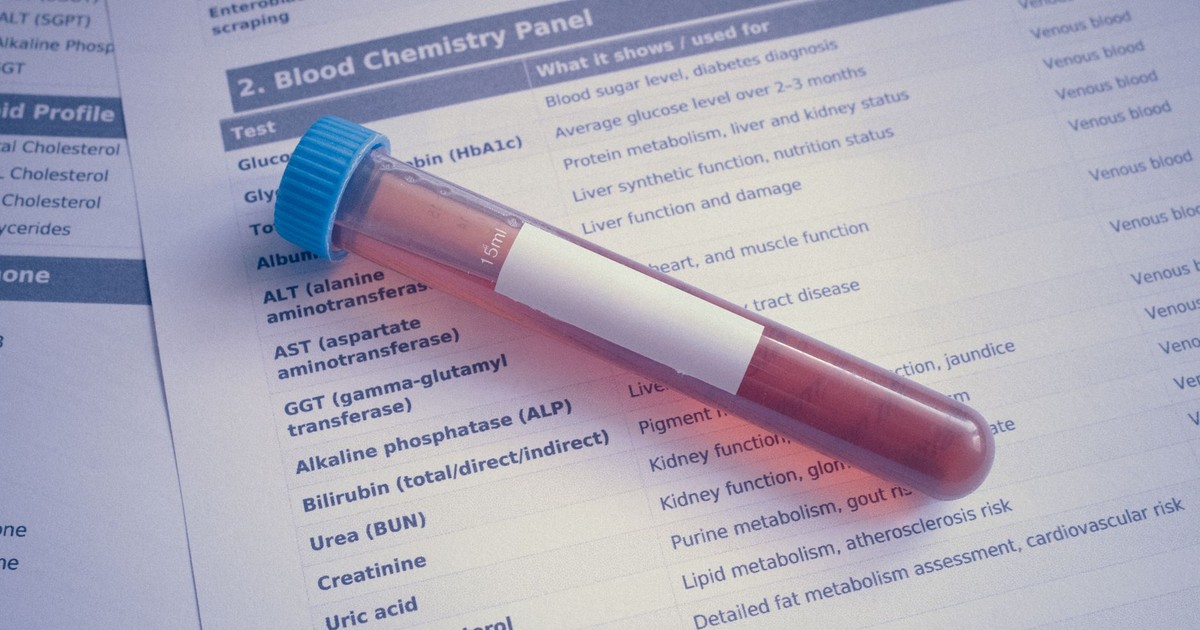
Researchers looked specifically at coffee’s relationship to metabolites, cardiometabolic markers, and sex-related hormones such as testosterone. One of the more consistent findings across both men and women was the association between higher coffee intake and elevated sex hormone-binding globulin, or SHBG. Coffee could improve metabolic health through hormonal pathways, especially in men, the researchers suggest.
SHBG is a protein produced by the liver that transports both testosterone and estradiol – the primary female sex hormone – through the blood. Its levels tend to drop with insulin resistance and obesity, and rise with better metabolic health. Finding higher SHBG in heavier coffee consumers is consistent with the study’s broader pattern: better glucose regulation, less visceral fat, and a hormonal environment associated with lower metabolic risk.
In women, the hormonal picture was less dramatic but still present. Hormonal associations were more limited and were primarily characterized by higher SHBG and lower measures of free androgens. Androgens are a group of hormones that includes testosterone; in women, elevated free androgens are associated with conditions like polycystic ovary syndrome (PCOS) and insulin resistance. Lower free androgens in women who drink more coffee may therefore reflect a more favorable hormonal and metabolic state.
6. Lower Branched-Chain Amino Acid Levels and Coffee Health Benefits for Diabetes Risk
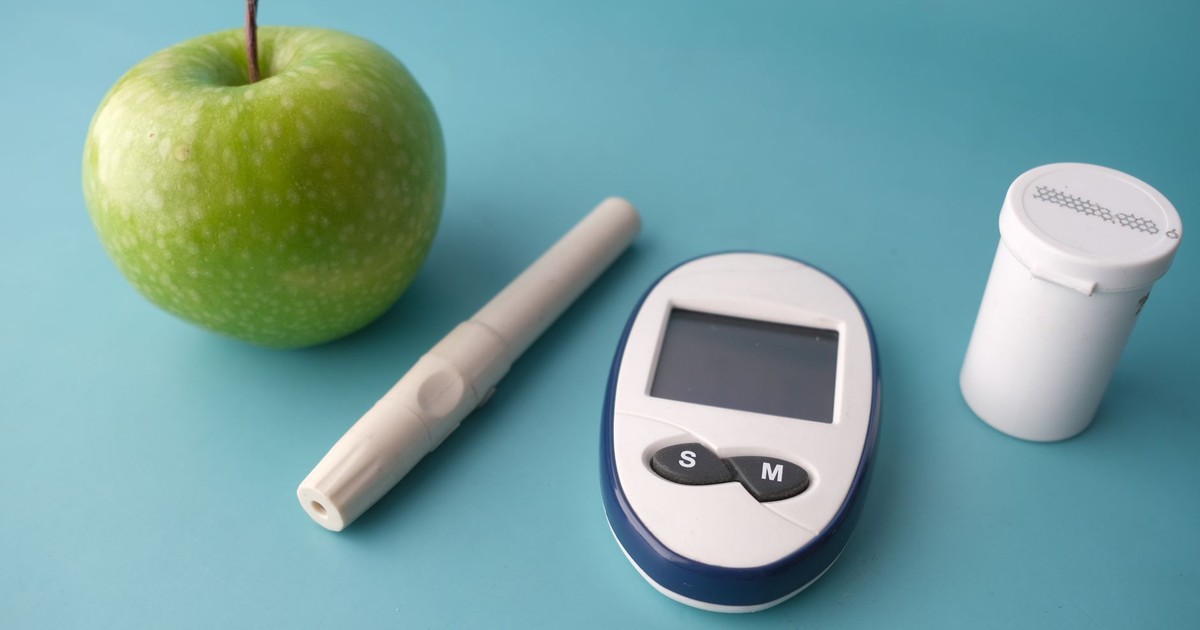
In both men and women, higher coffee consumption was correlated with lower circulating levels of branched-chain amino acids, biomarkers that have previously been linked to insulin resistance and an increased risk of type 2 diabetes when chronically elevated. Branched-chain amino acids – known as BCAAs – are a group of three essential amino acids (leucine, isoleucine, and valine) that the body cannot produce on its own. In the right amounts, they’re important for muscle protein synthesis. When they accumulate in the bloodstream above normal ranges, the elevation signals impaired insulin signaling – the body can’t clear amino acids from the blood as efficiently when insulin isn’t working properly.
A 2018 meta-analysis pooling 30 prospective studies covering more than 1.1 million participants, published in Nutrition Reviews, found that coffee consumption reduces the risk of developing type 2 diabetes by approximately 29%, with each additional daily cup associated with a 6% further reduction in risk. The BCAA finding from the 2026 Finnish study may be part of that same mechanism. Lower circulating BCAAs in habitual coffee drinkers point toward genuinely better insulin sensitivity – one possible molecular thread connecting a morning cup to long-term metabolic protection.
Chronically elevated BCAAs strongly associate with insulin resistance, type 2 diabetes, cardiovascular disease, fatty liver disease, and increased hypertension risk. Finding lower BCAA levels in people who habitually drink more coffee adds a new metabolic dimension to the coffee-and-health story – one that goes beyond blood pressure or cholesterol and into the molecular machinery of how the body processes energy.
Read More: A Massive Study Just Linked Coffee to a Significant New Side Effect
What This Means for You

This research joins a growing body of evidence suggesting that regular, moderate coffee consumption is associated with meaningful differences in metabolic health – not just in disease risk statistics, but in the actual composition of the body and the hormone environment that governs it. The relationship between visceral fat and cardiovascular disease risk requires further validation, but the cross-sectional association is well-established enough to inform risk management strategies.
The essential caveat is that this was an observational study, capturing a snapshot in time rather than tracking people over years. Luca Verroest and colleagues at the University of Oulu stress that the study does not prove coffee causes these changes. People who drink more coffee may also differ from lighter drinkers in diet, physical activity, sleep, or other habits that weren’t fully captured. Future research needs to follow participants over time and ideally test coffee’s effects in controlled settings before causation can be established.
For now, the practical takeaway is more reassuring than prescriptive. Moderate coffee intake is associated with a favorable cardiometabolic profile across multiple measures simultaneously – body composition, glucose regulation, sex hormones, and amino acid metabolism. If you already drink coffee regularly, this research adds to the case that your habit is unlikely to be hurting you. If you’re weighing health trade-offs, the evidence continues to shift toward coffee being a net positive for most adults – with the usual cautions about excess caffeine, added sugars, and individual sensitivity still applying.
Disclaimer: This information is not intended to be a substitute for professional medical advice, diagnosis, or treatment and is for information only. Always seek the advice of your physician or another qualified health provider with any questions about your medical condition and/or current medication. Do not disregard professional medical advice or delay seeking advice or treatment because of something you have read here.
AI Disclaimer: This article was created with the assistance of AI tools and reviewed by a human editor.
Read More: What the Latest Science Actually Says About Coffee and Your Heart
Trending Products

Red Light Therapy for Body, 660nm 8...

M PAIN MANAGEMENT TECHNOLOGIES Red ...

Red Light Therapy for Body, Infrare...

Red Light Therapy Infrared Light Th...

Handheld Red Light Therapy with Sta...

Red Light Therapy Lamp 10-in-1 with...

Red Light Therapy for Face and Body...

Red Light Therapy Belt for Body, In...

Red Light Therapy for Shoulder Pain...
