
The US cattle herd hit its smallest size since 1951 at the start of this year, yet beef prices at the grocery store are still rising. That’s not the only food category under pressure. From staple grains to cooking oils to dairy, a cluster of converging supply problems is reshaping what shoppers will find, and at what cost, on supermarket shelves through the remainder of 2026.
What makes this moment different from the familiar post-pandemic supply chain story is the sheer number of independent pressure points hitting simultaneously. Drought is cutting crop yields. Middle East conflict is disrupting fertilizer supplies and shipping routes. A decades-long cattle contraction has no quick fix. And an El Niño weather pattern now developing threatens to compound all of it. Supermarket food shortages, or at minimum severe spot shortages paired with sharp price increases, are no longer a tail-risk scenario – they’re a forecast.
The overall number of US beef and dairy cattle has shrunk to its lowest level since 1951. That single data point tells you something important about the state of American food security in 2026: problems that have been building for years are now arriving at the checkout counter at once. Here are the foods most at risk.
1. Beef
As of January 1, 2026, the US beef cattle herd stands at 86.2 million head – the smallest size in 75 years. More critically for future supply, the beef cow inventory has dropped to 27.6 million head, a figure not seen since 1961. Beef cows are the breeding animals that produce the next generation of cattle. When their numbers fall, the supply pipeline tightens for years, not months.
The long-running reduction has been largely driven by prolonged drought conditions, particularly in western states, which have damaged grazing land and increased feed costs, prompting many ranchers to reduce herd sizes to manage expenses. Market analysts say the current supply situation offers little near-term relief for consumers, as even a shift toward herd rebuilding would take at least two years to yield additional cattle at slaughter weight.
High interest rates and the lure of record-high cash prices for calves prompted ranchers to sell their heifers for immediate profit rather than retaining them to produce the next generation. The 2025 calf crop was estimated at just 32.9 million head, ensuring that the supply of market-ready cattle will remain extremely tight through 2027 and 2028. If you eat beef regularly, the practical takeaway is straightforward: prices are not coming down soon. Shifting some meals toward plant-based proteins or eggs (while egg supply holds) is the most direct buffer against continued beef inflation.
2. Bread and Baked Goods (Wheat)
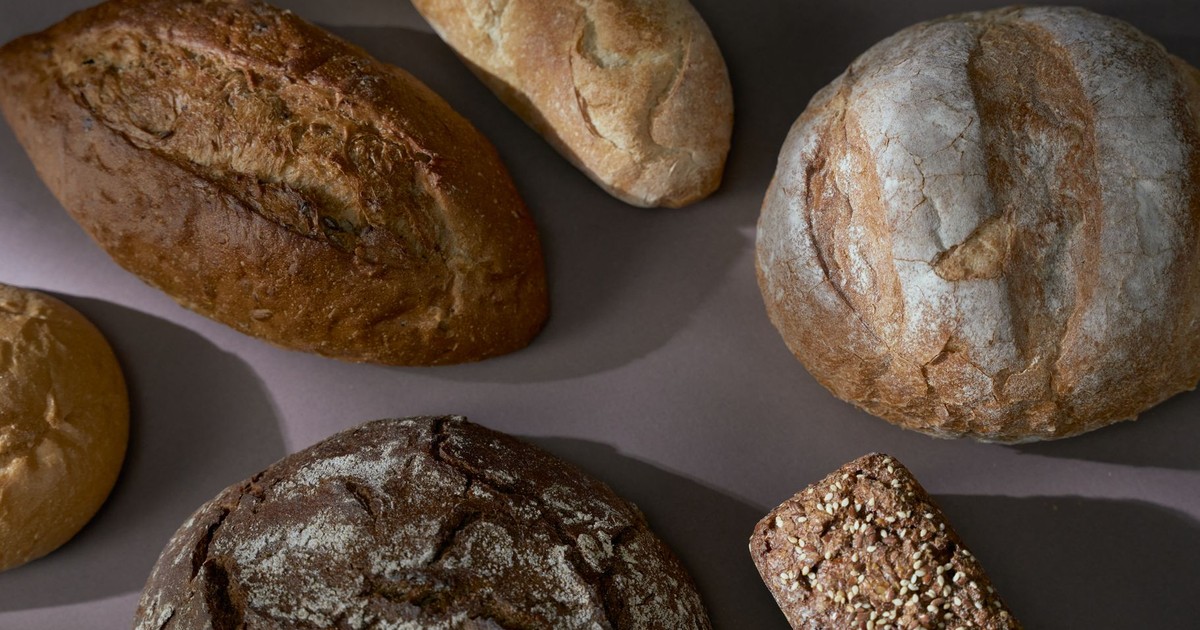
Agriculture experts are expecting a 32% abandonment rate of winter wheat in the US this year, according to the USDA’s Wheat Outlook – a rate that has only been exceeded once since the Dust Bowl era of 1933. That figure comes from nationwide data showing total wheat field abandonment averaging around 32% for the season, the fourth-highest rate since 1917, with the two comparable years being 33.1% in 2023 and 32.3% in 1933, according to the USDA.
Global wheat production is forecast at 819.1 million tons for 2026, down from last year’s record 843.8 million, according to the USDA’s World Agricultural Supply and Demand Estimates. That’s a drop of more than 24 million tons – roughly equivalent to the entire annual wheat output of Australia.
The US situation is particularly acute. US winter wheat production is forecast down 25% from the previous year to 1,048 million bushels, driven largely by sharply reduced Hard Red Winter production – the variety used most commonly in bread flour. The drought driving those numbers is severe. More than 60% of the continental United States has been under moderate drought or worse conditions since April 7, according to the U.S. Drought Monitor, as ABC News reported. Bread, pasta, crackers, and cereals all rely on wheat. Spot shortages of specific flour grades are plausible later this year, and price increases across baked goods are already in motion.
3. Rice
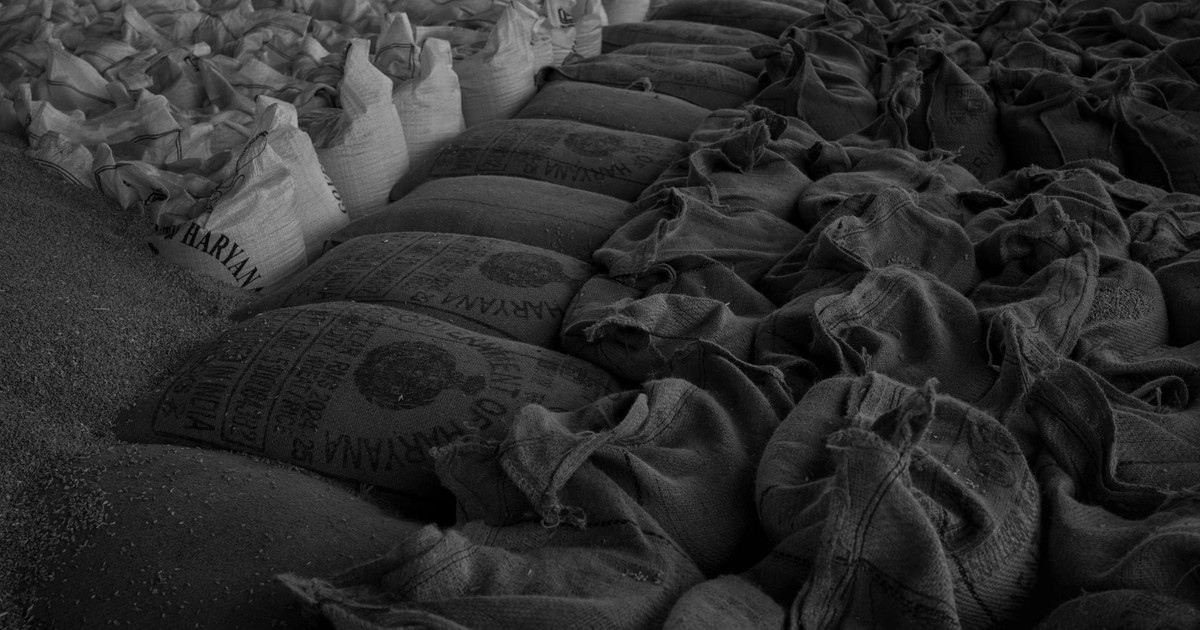
Global rice production in the 2026-27 season is forecast at approximately 538 million tons – the first decrease in 11 years, according to Bloomberg. The largest declines are seen in India, Myanmar, and the US, where the harvest is expected to fall 15% from last year as farmers plant less.
Part of what’s driving farmers away from rice is the same fertilizer cost shock affecting wheat. Rising fertilizer and energy costs linked to conflict in the Middle East have increased production expenses for growers, particularly in Asia, and some farmers are reportedly considering reducing or skipping plantings because rice is a fertilizer-intensive crop. Rice is the dietary staple for more than half the world’s population. Lower global production, combined with record consumption and trade demand, could reduce world stockpiles.
The price signal is already moving. Prices for Thai 5% broken white rice climbed to $446 a ton as of late May 2026, the highest since February 2025. For shoppers, buying a modest additional supply of rice now – before further price increases materialize – is a practical hedge, particularly for households that rely on it as a budget staple.
4. Dairy and Eggs
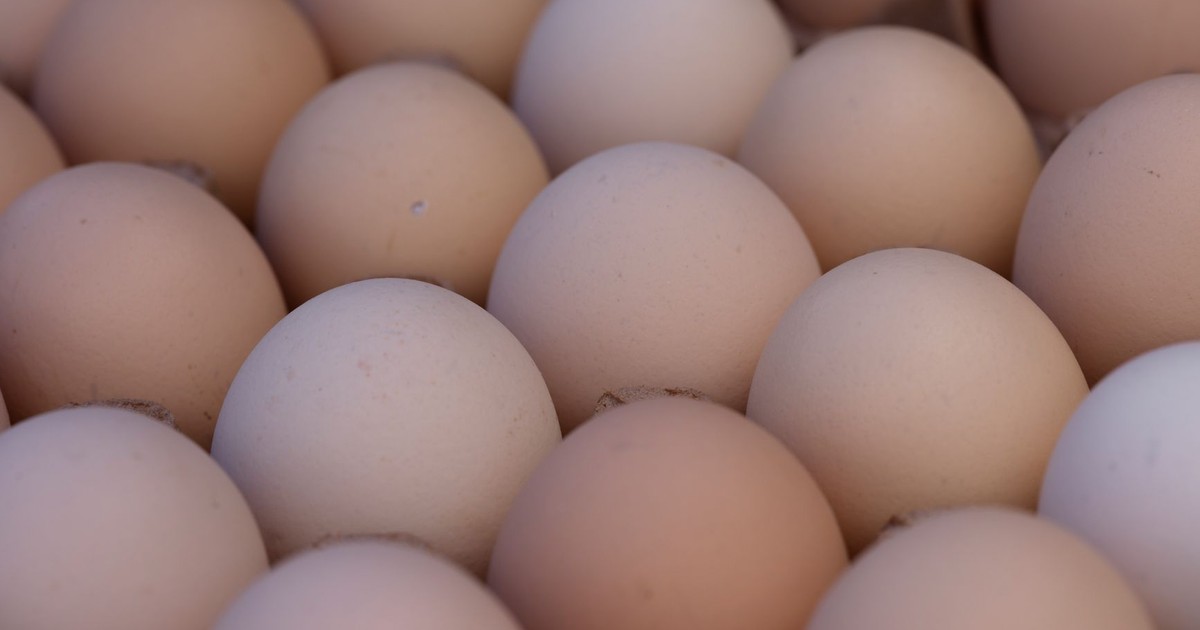
H5N1 bird flu is continuing to affect US dairy cattle, with total US cattle cases reaching 1,106 since the outbreak began in 2024, according to Capital Press. Idaho alone has seen 130 bird flu cases in cattle, with 38 dairies currently under quarantine. Each quarantine restricts milk movement and complicates processing logistics, even if total national milk output hasn’t collapsed.
You can read more about how food-borne disease outbreaks are affecting the US food supply at The Hearty Soul.
The egg picture has its own pressures. Avian flu has periodically wiped out laying flocks at scale, and the grain used to feed hens remains expensive. Avian flu resulted in a 4% year-over-year reduction in egg output, and ongoing outbreaks continue to pose a risk to supply. The USDA’s latest price forecast, published in March, projected food prices will rise 3.6% in 2026, according to Fortune, with dairy and produce flagged as categories facing particular upward pressure. Stocking shelf-stable dairy alternatives and keeping eggs on your regular shopping list rather than treating them as a staple you always have is prudent as supply remains unpredictable.
5. Olive Oil
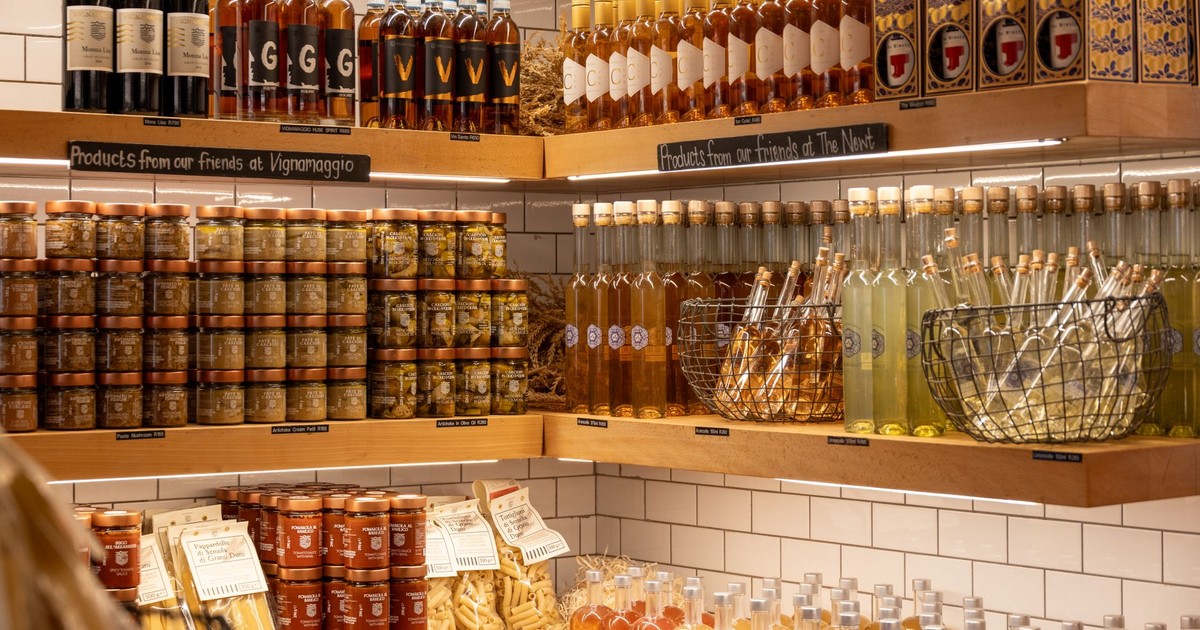
Greek export prices for olive oil spiked 177% over just five months, according to Tridge’s 2026 supply risk report – a price signal that, historically, has preceded broader Mediterranean supply tightening. Greek export prices are a leading indicator for regional supply conditions.
Turkey, one of the Mediterranean’s major producers, is projected to produce just 310,000 tons of olive oil in the 2025/26 season – its lowest output since 2013-2014, according to Tridge’s olive oil price forecast. Spain’s 2026/27 flowering fertility is already projected at 37% below normal levels, and campaign stocks are at historical lows as of May 2026. Spain is the world’s largest olive oil producer, typically accounting for 35 to 45% of global output.
The olive oil supply chain was already under tariff pressure before recent geopolitical disruptions: the US government announced a 10% tariff on all olive oil imports in April 2025, with differentiated tariffs ranging up to 50% for selected countries, and EU olive oil imports into the US now carry a 15% import tax. Shoppers who use olive oil daily would be well-served by purchasing an extra bottle now, before next season’s harvest data firms up and pricing potentially spikes again.
6. Fertilizer-Dependent Produce and Supermarket Food Shortages in the Produce Aisle
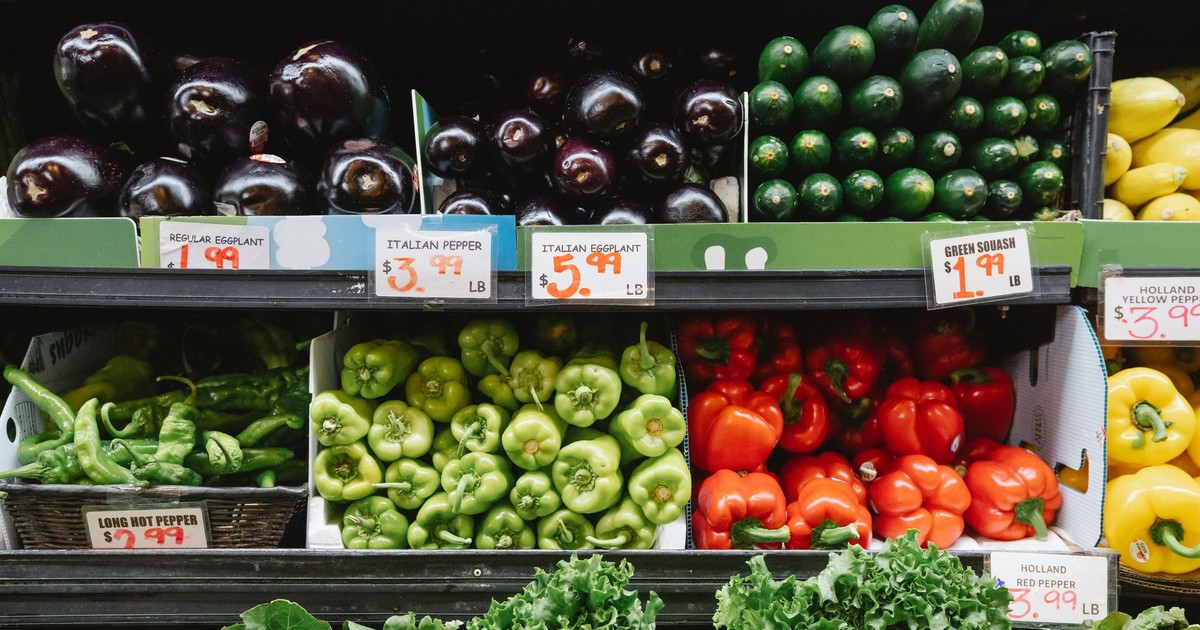
The produce aisle is caught in a cost squeeze that starts long before the vegetables reach the shelf. The biggest geopolitical driver is the Middle East conflict, specifically disruptions to the Strait of Hormuz – a critical artery for global energy and fertilizer trade – with the World Bank now expecting energy prices to jump roughly 24% in 2026, according to RBC’s food supply chain analysis. Urea, a key nitrogen fertilizer used across virtually every major crop category, from corn and soybeans to tomatoes and leafy greens, has seen severe price spikes as a result.
Tomatoes illustrate how quickly these input costs translate to shelf prices. Tomato prices soared nearly 40% over the past year, with analysts attributing the rise to a combination of energy costs, tariffs, and crop shortages. The US imports about 70% of its tomato supply, with Mexico accounting for roughly 90% of fresh tomato imports – a supply chain that was hit by a 17% tariff on fresh Mexican tomatoes starting in July 2025.
Farmers facing sharply higher fertilizer bills have three options: pass the cost on, reduce inputs and accept lower yields, or stop planting altogether. All three outcomes lead to higher consumer prices or reduced availability. Prioritizing seasonal, locally grown produce – where fertilizer supply chains are shorter – is the most practical response for health-conscious shoppers watching their grocery budget.
7. Staple Grains and Global Food Security
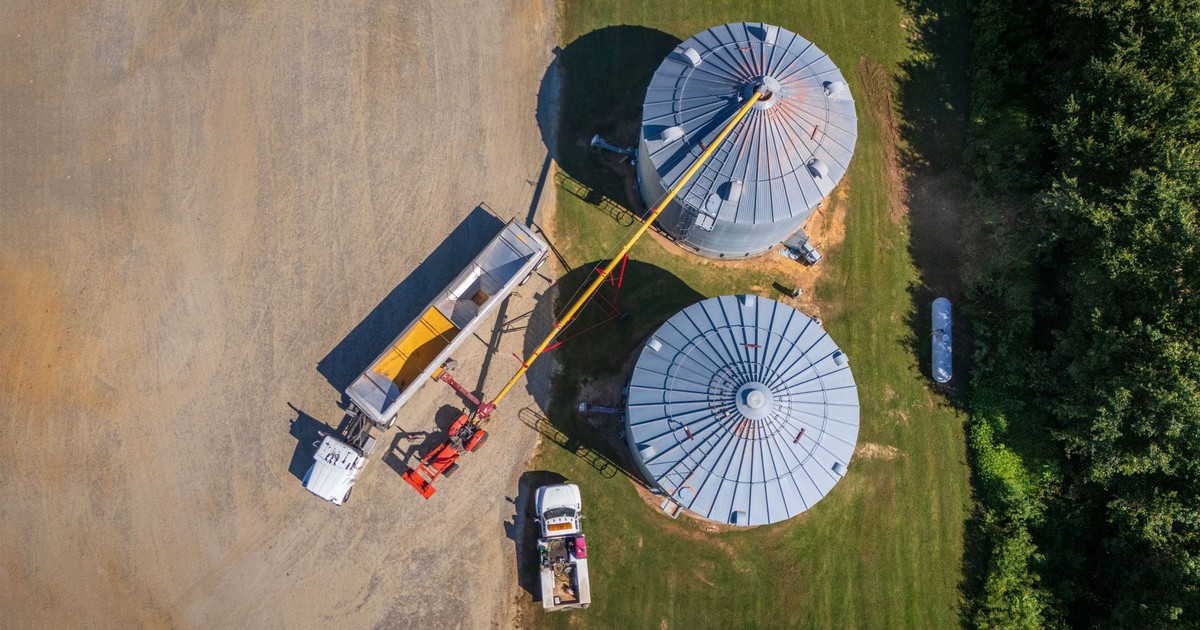
The pressures described above don’t exist in isolation. They’re operating against a backdrop of extraordinary global food stress. Globally, an estimated 363 million people are at risk of acute hunger in 2026, according to the same RBC analysis. This growing season, farmers are expected to face a “super” El Niño-related disruption, causing droughts across Asia and Australia while potentially dumping excess moisture in North and South America – dynamics that could hinder production across the world’s biggest breadbaskets growing rice, wheat, and soybeans.
A WMO El Niño/La Niña Update from the World Meteorological Organization indicates an 80% likelihood of an El Niño event during June – August 2026, with probabilities for it to continue until at least November near or above 90%. El Niño events historically reduce rice and wheat yields across South and Southeast Asia, increase drought risk in parts of Africa and South America, and disrupt monsoon patterns that much of global agriculture depends on.
Read More: Walmart, Amazon, Target, Kroger: Who’s Warning You About Higher Prices in 2026
For Americans, that global context matters because food commodity prices are set on global markets. When staple grain supplies tighten in Asia or Africa, prices rise for everyone who buys those commodities, including US grocery shoppers.
What This Means for You
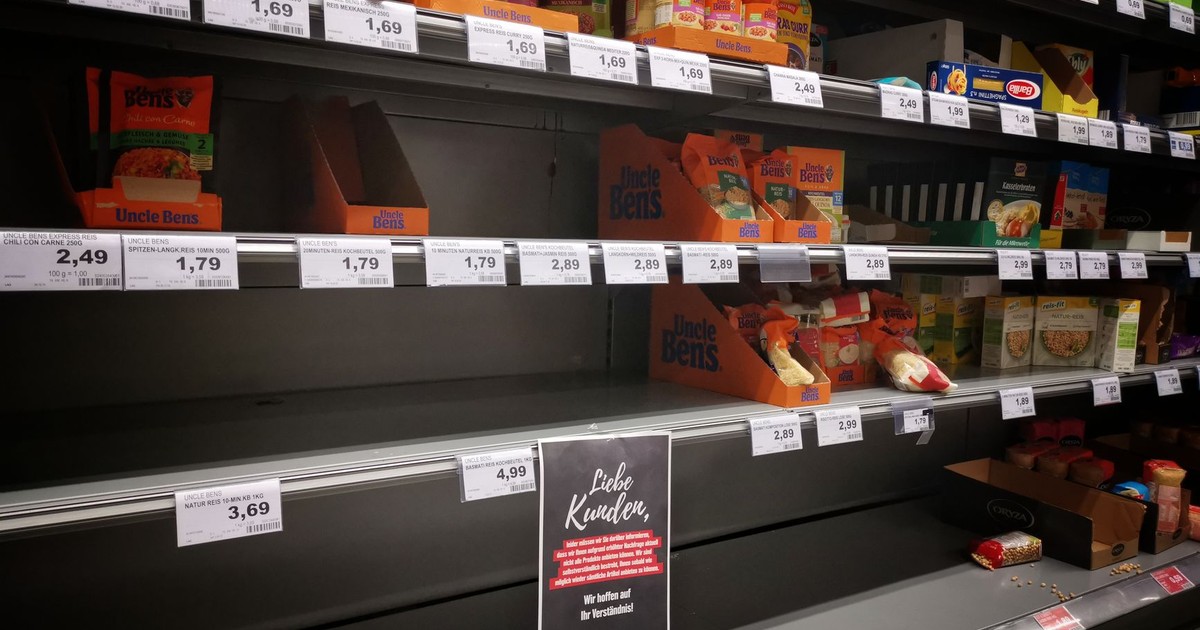
The convergence happening in 2026 is not one bad harvest or one isolated disease outbreak. Wheat, rice, beef, dairy, olive oil, and produce are all under simultaneous pressure from overlapping causes: drought, conflict, disease, and fertilizer cost shocks. The war in the Middle East has caused the global fuel and fertilizer trade to sputter, and rising fuel and fertilizer prices promise across-the-board food price increases, with supply chain costs still in transit and set to land on shelves over the coming months.
The most practical steps are straightforward. Build a modest reserve of shelf-stable staples – rice, pasta, canned goods, and grains – while prices are still below their anticipated peak. Shift some beef meals toward other proteins. Buy an extra bottle of olive oil before Spain’s harvest data for 2026/27 comes in. And treat produce as a category where seasonal and local choices will increasingly deliver both better value and more reliable supply. Supermarket food shortages may not mean empty shelves everywhere, but they do mean that flexible, informed shoppers will be far better positioned than those who wait to react.
Disclaimer: This information is not intended to be a substitute for professional financial advice, investment advice, tax advice, or legal advice, and is provided for informational purposes only. Always seek the guidance of a qualified financial advisor, accountant, or other licensed professional regarding your personal financial situation or investment decisions. Do not make financial, investment, or tax decisions based solely on information presented here. Past performance is not indicative of future results, and all investments carry risk, including the potential loss of principal.
AI Disclaimer: This article was created with the assistance of AI tools and reviewed by a human editor.
Trending Products

Red Light Therapy for Body, 660nm 8...

M PAIN MANAGEMENT TECHNOLOGIES Red ...

Red Light Therapy for Body, Infrare...

Red Light Therapy Infrared Light Th...

Handheld Red Light Therapy with Sta...

Red Light Therapy Lamp 10-in-1 with...

Red Light Therapy for Face and Body...

Red Light Therapy Belt for Body, In...

Red Light Therapy for Shoulder Pain...
