
Washing your hair every day might actually be making it greasier. That counterintuitive result comes down to something most people never think about – the biology of oil production on your scalp, and why your shampoo routine has almost nothing to do with how much oil your scalp makes.
The popular idea that washing less often will “train” your scalp to produce less oil has circulated online for years. It’s appealing logic. Dermatologists at the Cleveland Clinic, however, point out that how often you should wash your hair depends heavily on factors like age, hair type, and ethnic background – not on habits you’ve built over time. The biology beneath your scalp doesn’t respond to scheduling. Over-washing leads to breakage and damage, and using too much product too frequently can dry your hair out – but under-washing carries its own risks, and neither extreme is neutral.
The real answer to how often to wash hair isn’t a single number. It’s a profile. Your hair’s texture, curl pattern, and scalp oil production each pull in a different direction, and getting the frequency wrong in either direction creates measurable problems. Here’s what dermatologists actually recommend, broken down by hair type.
1. Fine or Straight Hair with an Oily Scalp
People with finer hair should wash their hair at least every other day, and in some cases, daily washing is the right call. The reason has to do with structure. Oil travels more easily throughout fine, straight strands than it does through coarse or curly hair, which means sebum (the natural oil your scalp produces) spreads from root to tip faster, leaving roots looking flat and greasy within a day or two.
The American Academy of Dermatology recommends that people with straight hair and an oily scalp shampoo every day, focusing on the scalp rather than the full length of the hair. That’s an important distinction – the ends of fine hair are often the most fragile part, and running shampoo through them daily accelerates dryness and breakage. Work the product into the scalp, then let it rinse through the rest naturally.
If daily washing sounds like a lot, a lightweight, sulfate-free shampoo can reduce the drying impact while still clearing away oil and product buildup. Dr. Joshua Zeichner, director of cosmetic and clinical research in dermatology at Mount Sinai Hospital, has noted that washing too often can make hair dry and brittle and lead to scalp irritation – so even for fine hair, the mildest effective formula is the better choice.
2. Wavy Hair
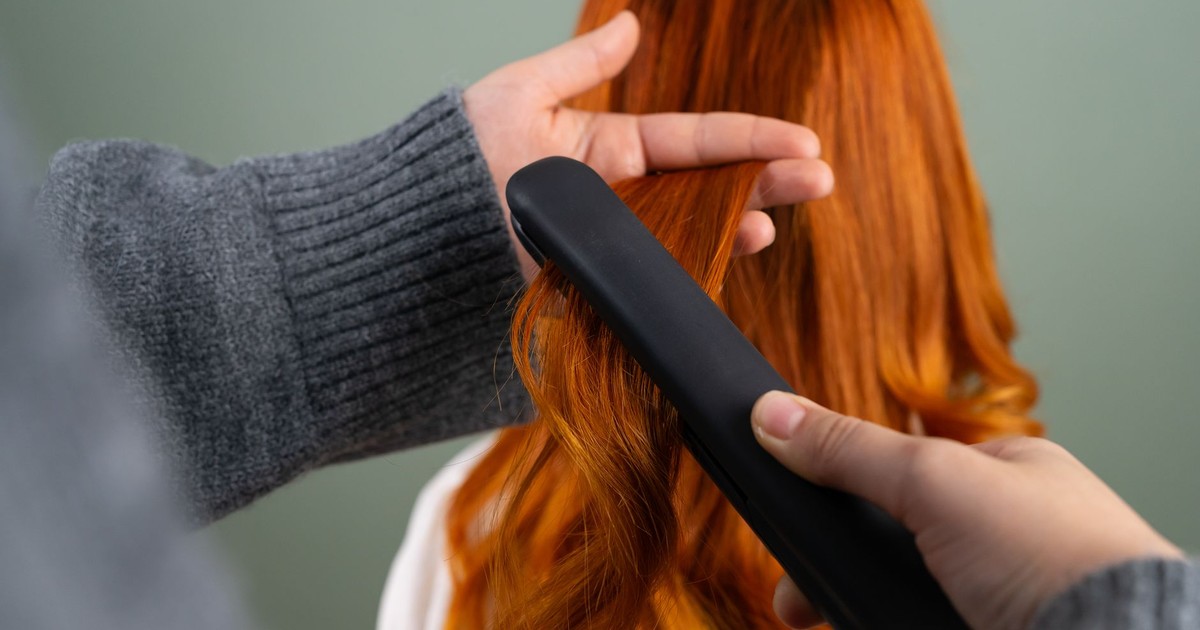
Wavy hair sits in the middle of the texture spectrum, and its washing needs reflect that. Those with wavy and curly hair can adopt a less frequent washing schedule – depending on scalp condition, one to two times per week is generally ideal. The wave pattern slows the travel of scalp oil compared to straight strands, meaning wavy hair stays fresher for longer between washes.
The risk with wavy hair is product buildup. Many people with this texture use styling creams, gels, or mousse to define their waves, and those products accumulate quickly. If you’re using stylers daily, washing closer to twice a week is smarter than once. If your routine is minimal – air-drying with no product – you can often stretch to every five or six days without seeing oiliness or scalp irritation.
Pay attention to your scalp rather than a fixed calendar. Itchiness, a heavy feeling at the roots, or visible flakiness are all signs that you’ve waited too long. Tightness and excessive frizz at the ends, on the other hand, suggest you’re washing a day or two more often than your hair needs.
3. Curly Hair
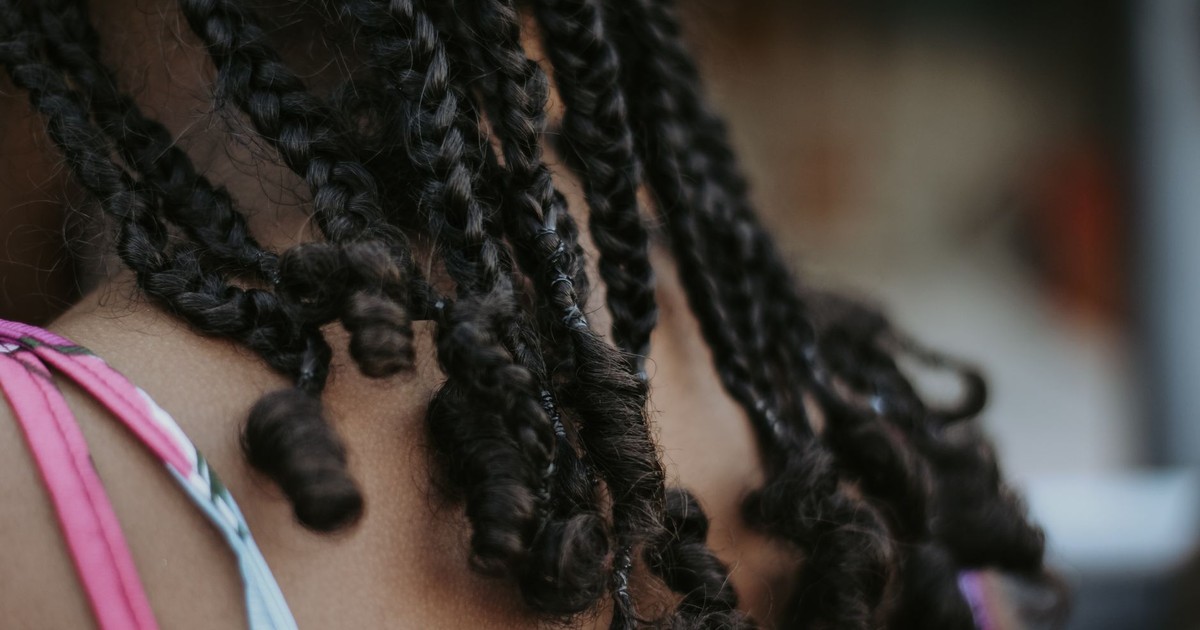
The American Academy of Dermatology advises that people with thick, curly hair should wash a minimum of every two to three weeks for optimal scalp and hair health. Curly strands are structurally drier than straight ones – the tight bends along the hair shaft make it harder for scalp oil to travel downward, so the ends don’t receive natural moisture the way they do on straight hair. Washing more often strips away the limited moisture that does reach the shaft.
That said, “minimum of every two to three weeks” is a floor, not a ceiling. Factors like workout frequency, product use, and scalp sensitivity all push the schedule toward washing more often. Someone with curly hair who exercises five days a week and sweats heavily may find they need to rinse or co-wash (conditioner-only washing) more frequently even if full shampooing stays on a longer cycle. The distinction between a full shampoo and a water or conditioner rinse matters here – only the shampoo truly strips the scalp, so rinsing without product doesn’t carry the same drying risk.
For people with curly hair who do notice persistent flaking or scalp irritation, Cleveland Clinic dermatologist Dr. Shilpi Khetarpal notes that itching, redness, flaking, and dandruff could be signs that yeast is overgrowing on the scalp, and a medicated shampoo may help – though a dermatologist visit is advisable if problems persist.
4. Coarse, Coiled, or Tightly Curled Hair

Dr. Khetarpal at the Cleveland Clinic is specific on this point: for those with coarse, coiled, tightly curled hair, washing at least every two weeks is appropriate. This pattern holds across dermatological guidance for good reason – coiled and tightly curled strands have the least oil flow of any texture, making them the most prone to dryness and breakage when washed too often.
African-American women often limit shampooing to weekly or every other week specifically to decrease the drying effects of more frequent cleansing. The American Academy of Dermatology reinforces this: washing Black hair once a week or every other week helps prevent buildup of hair care products while reducing the risk of dryness and breakage. These guidelines aren’t about hygiene – they’re about protecting a hair structure that requires more time between washes to maintain its natural moisture balance.
Heavy styling products like edge control, pomades, and thick leave-in conditioners are common in high-porosity, coiled hair care routines, and they do accumulate. If you notice heavy buildup, a clarifying shampoo used every three to four weeks can clear the scalp without disrupting the routine more than necessary.
5. The “Oily Scalp” Problem Across All Hair Types
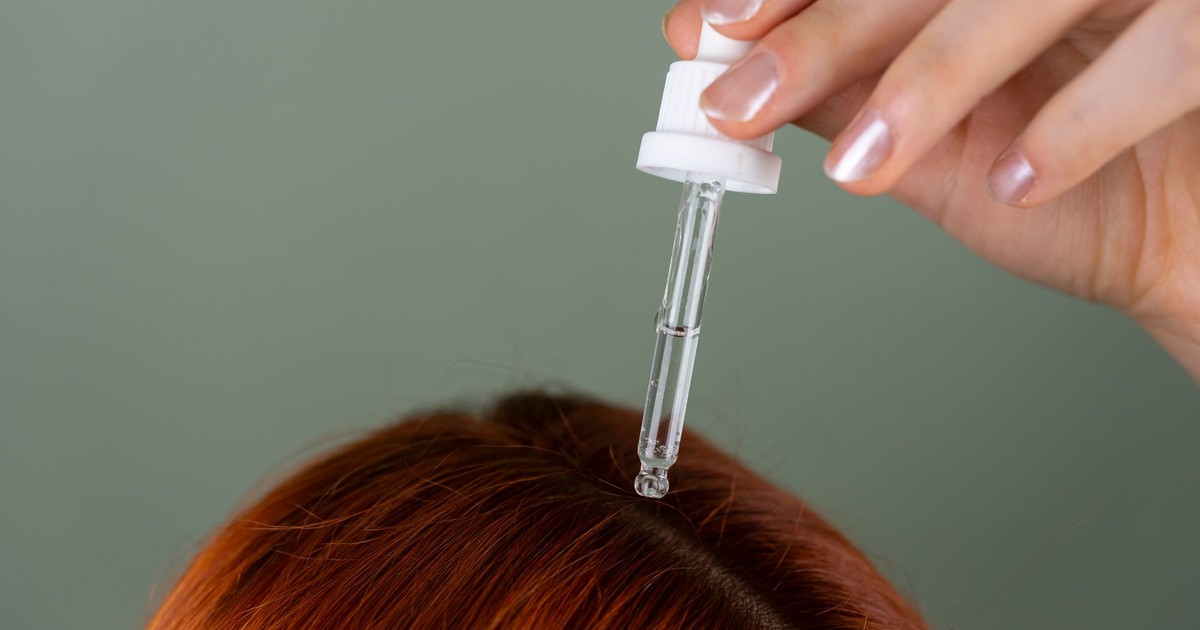
One of the most stubborn myths in hair care is that washing less often will eventually make your scalp less oily. Sebum production is controlled by sebaceous glands regulated primarily by hormones – especially androgens – not by how often you shampoo. A 2025 study published in BMC Microbiology found that 28 days of regular shampoo use did not meaningfully affect sebum secretion rates, confirming that oil output is determined by gland activity, not wash frequency.
The practical implication is significant. If your scalp is producing oil quickly, the correct response is to wash more often – not to try to suppress oil production by waiting it out. That approach won’t work, and it carries its own costs. A 2021 study in Skin Appendage Disorders by researchers at the University of Miami and University of Minnesota found that sebum left on the scalp accumulates free fatty acids and oxidized lipids, both of which are known to irritate skin.
You can read more about how scalp buildup leads to irritation and hair loss in this related piece: Doctor Issues Warning for Those Who Don’t Wash Their Hair Often Enough.
6. When Dandruff Changes the Rules

Dandruff doesn’t care what your hair type is. It’s a scalp condition driven by an overgrowth of Malassezia yeast, which feeds on your natural oils. When Malassezia proliferates, the scalp responds with inflammation, and the visible result is flaking. Washing less often doesn’t starve the yeast – it feeds it, because sebum accumulates faster than it’s removed.
The 2021 study in Skin Appendage Disorders, co-authored by Dr. Antonella Tosti of the University of Miami and Dr. Maria Hordinsky of the University of Minnesota, found that both over-washing and under-washing carry measurable consequences for scalp health – overcleaning may lead to surface damage while undercleaning may lead to buildup-related irritation. The researchers also noted that a lack of objective data on washing frequency has led to confusion among both the public and professionals. For anyone managing active dandruff or seborrheic dermatitis (a chronic form of dandruff linked to yeast overgrowth and inflammation), using an anti-dandruff shampoo two or three times a week and leaving it on for five minutes before rinsing tends to work better than daily use, which can dry the scalp and increase frizz. If dandruff or seborrheic dermatitis is a persistent issue, the formulation of the shampoo ultimately matters more than the frequency. A dermatologist visit for a targeted recommendation is a better move than guessing with timing alone.
Read More: 9 Possible Causes of Scalp Bumps (And When to Worry)
What This Means
The question of how often to wash hair doesn’t have a single answer – but it does have a framework. Overwashing can cause hair to become dry and brittle or break easily, while under-washing allows oil and product to accumulate in ways that promote scalp irritation and yeast overgrowth. The right frequency sits between those two extremes, determined by your hair texture, your scalp’s natural oil output, and how much product you use day to day.
A simple starting point: fine or straight hair with an oily scalp, wash every one to two days. Wavy hair, one to two times per week. Curly hair, once a week or every two weeks. Coiled or tightly coiled hair, every two weeks or longer. Then adjust based on what your scalp tells you. Itching, flaking, and heaviness at the roots mean you’ve stretched too long. Dryness, brittleness, and frizz at the ends mean you’re washing too often. If symptoms like persistent dandruff, redness, or unusual shedding don’t resolve with a schedule adjustment, that’s a reason to see a dermatologist rather than keep experimenting.
Disclaimer: This information is not intended to be a substitute for professional medical advice, diagnosis, or treatment and is for information only. Always seek the advice of your physician or another qualified health provider with any questions about your medical condition and/or current medication. Do not disregard professional medical advice or delay seeking advice or treatment because of something you have read here.
AI Disclaimer: This article was created with the assistance of AI tools and reviewed by a human editor.
Trending Products

Red Light Therapy for Body, 660nm 8...

M PAIN MANAGEMENT TECHNOLOGIES Red ...

Red Light Therapy for Body, Infrare...

Red Light Therapy Infrared Light Th...

Handheld Red Light Therapy with Sta...

Red Light Therapy Lamp 10-in-1 with...

Red Light Therapy for Face and Body...

Red Light Therapy Belt for Body, In...

Red Light Therapy for Shoulder Pain...
