The natural world has long served as a fountain of inspiration for the beauty industry, with organic components frequently used to enhance complexions and potentially slow down the signs of aging. Recently, however, a specific marine-based product has captured the spotlight across social media platforms. Skincare enthusiasts praise sea moss, scientifically known as Chondrus crispus, as the latest purported breakthrough for its dense nutrient profile that may significantly boost skin health. Endorsed by celebrities and social media influencers alike, sea moss is a “must-have” as an essential component for achieving a vibrant, healthy glow. However, while researchers have extensively studied the health benefits of seaweed, they have conducted little research on its effectiveness as a topical skincare product.
From the Ocean Floor to Your Bathroom Shelf
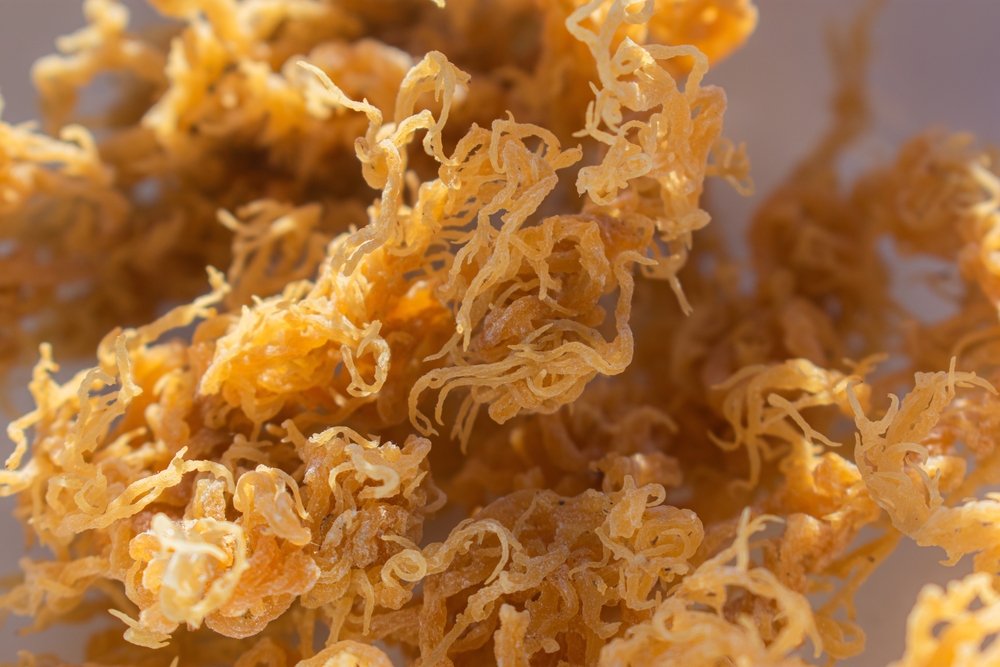
Sea moss is a cousin of seaweed that comes in various colors but is mostly a red type of algae. Frequently identified as Irish sea moss, this marine plant boasts a legacy of use within Jamaican and Irish cultures extending back decades. Primarily harvested from the rocky Atlantic shorelines of North America and Europe, it has historically served as a traditional remedy and a vital food source, prized for its dense concentration of essential nutrients. Sea moss has a frilly, sponge-like texture and is harvested for its carrageenan, a gel-like substance used as a thickening agent in milk products like ice cream and is also available in raw and supplement form.
Beyond its use in raw and supplemental forms, this ingredient has recently emerged as a key component in various skincare products, including cleansers, serums, moisturizers, and face masks. Due to its potential to aid weight loss, improve heart health, and strengthen both thyroid and immune functions, sea moss has become a popular dietary choice for health-conscious individuals.
The Ingredient Behind the Trend
The transition of sea moss from a marine plant to a skincare staple begins with its collection from clean coastal environments. Producers wash and sun-dry sea moss after harvesting, then process it into a gel primarily composed of carrageenan, a sulfated polysaccharide that drives most of sea moss’s known skincare activity. Manufacturers also farm it by seeding the algae onto ropes placed in open water. Along with minerals like potassium, zinc, magnesium, and iodine, the plant’s nutrient profile also includes vitamins A, C, E, and K. Additionally, it contains sulfur, which has antimicrobial qualities and may help skin that is prone to acne.
What Sea Moss Actually Contains
Sea moss contains over 90 minerals, vitamins, and antioxidants that play roles in overall bodily function. Key compounds include vitamins A, C, E, and K, as well as potassium, calcium, zinc, magnesium, and iodine. Its carrageenan content makes up roughly 50% of its dry weight, giving it a characteristic gel-like consistency when hydrated. That same gel-forming ability is why food manufacturers have used carrageenan as a thickener in ice cream, cottage cheese, and dairy alternatives for years. In skincare, that thickening capacity translates into a moisture-locking film on the skin’s surface.
A Multi-Billion Dollar Industry
According to Virtue Market Research, the sea moss market will grow at a compound annual rate of 2.1%, increasing from its 2023 valuation of $2.6 billion to $2.99 billion by 2030. A number of market analysts put that number even higher, estimating that the market will reach $3.99 billion by 2030 at a compound annual growth rate of 5%. This is in part due to its online popularity and endorsements from celebrities such as Cardi B, Winnie Harlow, and Bella Hadid, who have attributed their clearer, more radiant skin to the ingredient. The surge in its popularity is driven, in part, by the comprehensive health advantages it provides, which have now expanded to include uses in skincare. Consequently, this has pushed sea moss from being a specialty health item to mass retail markets.
How It Gets Into Your Products
Before incorporating sea moss into formulas, skincare manufacturers render it into a raw gel or a dried powder. The ingredient has a low comedogenicity, which means it does not clog pores. It is water-soluble, stable as an additive, and does not typically necessitate special storage conditions. Because of these properties, formulators can combine it with stronger actives without compromising product stability. Its neutral profile makes it an ideal addition to formulations for sensitive skin. However, those sensitive to iodine and seaweed may experience mild redness or irritation. Always test-patch before trying a new product for any allergens.
Carrageenan acts as a humectant, drawing water toward the skin’s surface and holding it there. Because it is water-soluble, it creates a lightweight film that traps moisture without the heaviness associated with occlusive agents. That retained hydration can smooth fine lines caused by dryness and visibly plump the skin over time. Board-certified dermatologist Hadley King, MD, notes that sea moss is “non-comedogenic and very hydrating,” making it accessible across most skin types. People with dry, flaky, or dehydrated skin stand to benefit most from topical products that include it as an active ingredient.
Soothing Inflammation and Supporting the Skin Barrier
According to preliminary research, sea moss reduces irritation and inflammation at the skin barrier level. Polyphenols found in sea moss have been linked to reduced inflammation in skin tissue. Its anti-inflammatory properties make it a potential ingredient for treating conditions such as eczema, psoriasis, and seborrheic dermatitis. Dr. David Johnson, MD, a board-certified dermatologist and co-founder of RedliteX, claims that his patients who use sea moss experience less skin irritability. The plant’s polysaccharides also help to strengthen the skin’s natural barrier function, which reduces water loss and protects against environmental stress.
Regulating Oil and Tackling Acne
In dermatology, sulfur is a well-recognized component often used for managing oily and breakout-prone skin. Within sea moss, sulfur assists in the regulation of sebum, which your skin produces naturally. When this natural oil is secreted in excess, it clogs pores and causes acne. Furthermore, it has antimicrobial properties that prevent the growth of propionibacterium, the bacteria linked to acne, while also providing gentle exfoliation to remove dead skin cells. Though it is not a replacement for clinical treatments such as retinoids or benzoyl peroxide, the sulfur in sea moss makes it a useful supplement for acne-prone skin.
Protecting Collagen and Slowing Visible Ageing
Collagen, the body’s most abundant protein, makes up 30% of total protein and serves as the foundation for skin structure. However, as we age, collagen production slows and existing fibers degrade, resulting in diminished firmness and the appearance of fine lines. Sea moss’s high concentration of antioxidants, including vitamins A, C, E, and K, protects collagen from external aggressors such as pollution, UV rays, and oxidative stress.
The anti-aging properties of sea moss are backed up by research published in the journal Marine Drugs. The study found that carrageenan’s antioxidant properties and ability to control the inflammatory response may help prevent photoaging. According to Dr. King, these antioxidants also fortify the skin barrier and boost hydration, working in tandem to preserve a resilient and healthy-looking complexion.
Evening Out Skin Tone
Vitamin K, found in sea moss, has anti-inflammatory properties that can help to calm redness and promote a more even complexion. According to a study published in the National Library of Medicine, vitamin K helps modulate inflammatory pathways and maintains the integrity of small blood vessels in the skin. This vascular support reduces the visible redness and flushing caused by uneven skin tone. Vitamin A also contributes because of its well-documented role in cell turnover, which helps to fade hyperpigmentation with time. These compounds work together to give sea moss a multifaceted approach to addressing tone irregularities.
What the Science Still Cannot Confirm
Despite its growing popularity, topical sea moss still lacks strong clinical evidence. According to board-certified dermatologist Shamsa Kanwal, MD, the literature lacks controlled human trials isolating the effects of sea moss on wrinkles, pigmentation, or acne. Dr. Jeff Yu, a board-certified dermatologist at Massachusetts General Hospital, searched PubMed, the primary database for credible medical literature, and found little evidence supporting sea moss as an eczema treatment. Dr. Yu’s advice is straightforward: he would not recommend it to patients unless peer-reviewed studies confirmed its efficacy and safety. ConsumerLab, a consumer testing platform, confirms that no clinical studies have validated the purported health benefits of sea moss.
Why Research Is Difficult
Researching sea moss presents unique scientific challenges. The plant’s nutrient composition varies greatly depending on species, harvest location, and growing conditions. Researchers have a difficult time designing studies with consistent, replicable inputs because of the variability. The majority of available research focuses on seaweeds and algae in general, rather than Chondrus crispus specifically. Furthermore, many studies to date have been conducted in laboratories rather than on humans, limiting the conclusions that can be drawn. According to the Children’s Hospital of Philadelphia, while sea moss components may have health benefits, “high-quality studies in humans are lacking.”
The Risks You Should Know Before You Buy
While relatively safe to consume, some should avoid sea moss entirely. Individuals with allergies to shellfish, sulfur, or iodine should avoid it because these compounds are present in significant quantities. Burning, stinging, and visible redness are all indications of an adverse topical reaction. Dr. Yu warns eczema patients specifically that, while sea moss is natural, “poison ivy is also natural,” and that natural origin does not guarantee safety. He also warns that sea moss may aggravate eczema if an allergic reaction occurs and advises patients that inexpensive over-the-counter moisturizers may work just as well or better.
The Iodine Problem for Acne-Prone Skin
While its sulfur content can help manage breakouts, its high iodine content may trigger the opposite effect in some users. Iodine is known to stimulate excess sebum production and can interfere with hormonal balance, both of which can worsen acne. That makes individual skin response critical before committing to a sea moss product for acne management. Dr. Kanwal recommends a 24 to 48-hour patch test on the forearm before introducing any sea moss product, especially for people managing inflammatory skin conditions. People with acne-prone skin should proceed with particular caution.
Heavy Metals and Product Quality
Sea moss can accumulate heavy metals, including mercury, from the coastal waters where it grows. The composition of the plant, including its contaminant levels, varies depending on its origin. Dermatologist Paul Jarrod Frank, MD, advises consumers to seek out certified organic sea moss or organic Irish moss to reduce the risk of chemical and pesticide exposure. He strongly discourages making DIY sea moss products at home, stating that the ingredient “should be tested and regulated before ingesting or applying it to the skin.” Overharvesting also endangers natural algae populations, so choosing brands that confirm sustainable harvesting practices is worth the extra effort.
How to Use Sea Moss in Your Routine
On product labels, sea moss is not always identified by its name. According to Dr. Erum Ilyas, a board-certified dermatologist, consumers are more likely to come across vague terms such as “moss,” “algae,” or “seaweed.” Because there are no standardized percentages or extract identifiers, looking for any product that uses those terms is a reasonable approach. Most products use sea moss as part of a larger ingredient list rather than as a standout ingredient. That placement is deliberate. In most formulas, it serves as a hydrating and supportive agent beneath more active compounds.
Pairing It With Proven Actives
Sea moss works well with a variety of established skincare ingredients. Dr. Kanwal confirms that it effectively combines retinoids, vitamin C, and exfoliating acids such as AHAs and BHAs, all of which can cause dryness and irritation on their own. Sea moss helps to buffer the irritation while maintaining moisture levels. It also works in tandem with niacinamide and ceramides, which both retain moisture and strengthen the skin barrier. Dr. King’s evaluation is straightforward: sea moss is “not meant to function as a standalone treatment” and works best when combined with hyaluronic acid, retinoids, ceramides, and niacinamide. These combinations make the best use of the ingredient.
Read More: 10 Everyday Things That Could be Affecting Your Skin Health
Morning, Evening, or Both
Sea moss products are stable enough for use in the morning and evening without requiring special storage conditions. Dr. Kanwal observes that morning application works well with SPF, allowing the skin to remain comfortable throughout the day. In the evening, it works well after stronger actives to relax and hydrate before bed. The ingredient is non-irritating and tolerated by the majority of skin types, including sensitive skin, making it a low-risk addition to both ends of a daily regimen. That versatility makes it useful for a wide range of users, from seasoned skincare enthusiasts to teenagers starting their first routine.
The Verdict
Sea moss has a legitimate nutrient profile and preliminary scientific evidence for hydration, barrier support, and anti-inflammatory activity. Its market momentum reflects genuine consumer interest in seafood-derived ingredients. However, the clinical evidence for its topical effects is limited, and dermatologists agree on one point: sea moss works best as a supporting ingredient, not as a standalone solution. If you’re thinking about incorporating it into your daily routine, choose a certified organic product from a reputable brand, perform a patch test first, and pair it with ingredients that carry stronger research behind them.
Disclaimer: This information is not intended to be a substitute for professional medical advice, diagnosis or treatment and is for information only. Always seek the advice of your physician or another qualified health provider with any questions about your medical condition and/or current medication. Do not disregard professional medical advice or delay seeking advice or treatment because of something you have read here.
Read More: 20 Reasons Avocados Are Truly a Superfood
Trending Products

Red Light Therapy for Body, 660nm 8...

M PAIN MANAGEMENT TECHNOLOGIES Red ...

Red Light Therapy for Body, Infrare...

Red Light Therapy Infrared Light Th...

Handheld Red Light Therapy with Sta...

Red Light Therapy Lamp 10-in-1 with...

Red Light Therapy for Face and Body...

Red Light Therapy Belt for Body, In...

Red Light Therapy for Shoulder Pain...
