
For many drivers, parking is already one of the most frustrating parts of daily life. It takes time, patience, and sometimes a bit of luck. Now imagine you finally find a parking spot, only to return later and discover the city towed your car, not because you broke a clear rule, but because the rule changed.
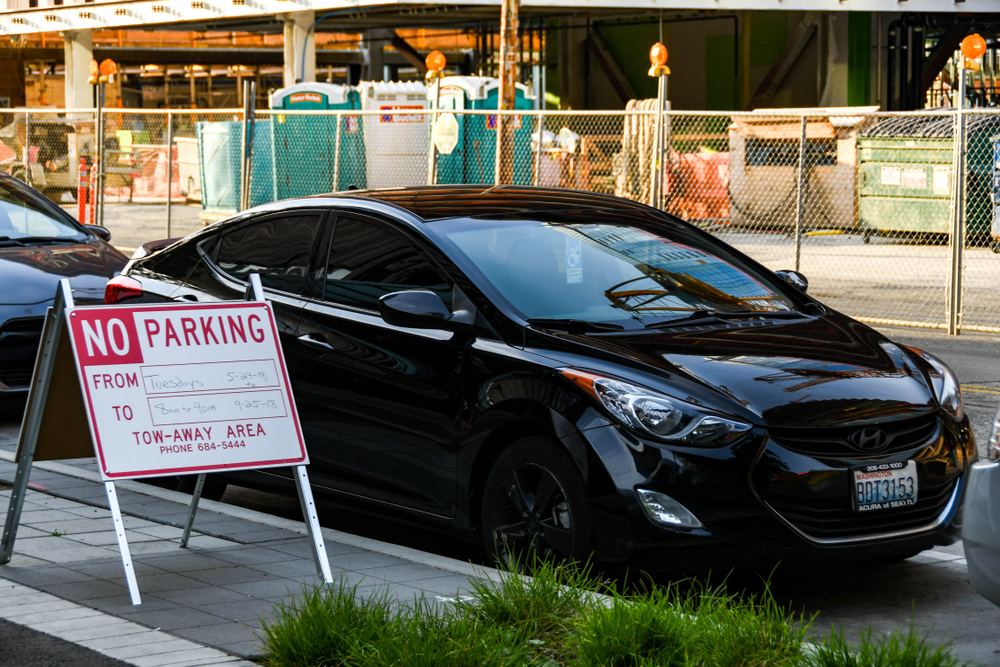
That is exactly what some drivers in San Jose, California, say is happening. A new system that allows tow-away zones to shift weekly has sparked confusion and a growing debate about fairness. While city officials argue the rules are necessary to manage safety and street use, many residents feel blindsided by a system they say is hard to follow.
At the center of the controversy, cities across the United States are trying to balance public safety, housing challenges, and limited street space. But as these policies evolve, everyday drivers are feeling the impact.
What the New Parking Rules Actually Do and Why They Are Necessary
The new rules in San Jose focus on areas where recreational vehicles (RVs) have been parked for extended periods. These zones can now be designated as tow-away areas, but with a key difference. Instead of being fixed, some of these restrictions can change weekly.
This means a street that allowed parking last week might suddenly become restricted the next week. Drivers are expected to stay updated through posted signage and city notices. However, many residents argue that this system creates confusion rather than clarity.
City officials say the goal is to create flexibility. By rotating enforcement zones, they can address different areas over time instead of concentrating on one location. This approach is meant to prevent long-term encampments and reduce strain on specific neighborhoods.
For the average driver, the experience feels unpredictable. Parking has shifted from a simple task to something that requires constant attention and awareness. From the city’s perspective, the policy is not about punishing drivers. Instead, officials point to a mix of safety, sanitation, and accessibility concerns.
Large vehicles parked for long periods can:
- Block visibility for other drivers
- Limit access for emergency services
- Create fire risks
- Lead to waste management issues
In some areas, residents have reported sewage dumping and trash accumulation. These conditions can affect both public health and the environment. Because of this, the city argues that rotating tow-away zones allows it to respond more effectively. Rather than letting problems build up in one place, they can intervene before conditions worsen.
There is also a practical element. Permanent bans in every area would be difficult to enforce and could push the issue into neighboring streets. A rotating system spreads enforcement more evenly across the city. From a policy standpoint, the idea is to stay adaptable. But that adaptability is also what makes the system difficult for many people to navigate.
Drivers Say the System Feels Unfair
While officials emphasize safety, many drivers see something different. For them, the issue is not just about rules. It is about how those rules are communicated and enforced. Several concerns keep coming up.
- First, there is confusion. If restrictions change weekly, drivers must constantly check for updates. Missing a single notice can result in a costly mistake.
- Second, there is the financial impact. Towing fees, impound charges, and fines can quickly add up. For some people, losing access to their vehicle even temporarily can disrupt work, childcare, and daily responsibilities.
- Third, there is the feeling of unpredictability. People rely on consistency to plan their routines. When parking rules shift frequently, it creates a sense of instability.
This is where frustration turns into anger. Many drivers feel they are being penalized not for ignoring rules, but for struggling to keep up with them.
The Overlap With the RV Living Crisis
To fully understand the situation, it is important to look at why RVs are parked in these areas in the first place. In many cases, these vehicles are not used for recreation. They are homes. Rising housing costs in cities like San Jose have pushed more people into alternative living situations. For some, an RV is the only affordable option left. It provides shelter, mobility, and a degree of independence.
However, this creates tension. Streets were not designed to serve as long-term housing spaces. When RVs remain parked for extended periods, it can lead to conflicts with residents and strain public resources. The new parking rules are, in part, a response to this growing issue. But critics argue that enforcement alone does not address the root cause. Instead, it moves the problem from one street to another.
What Happens When a Vehicle Gets Towed
For standard drivers, a tow can be expensive and inconvenient. For people living in their vehicles, it can be devastating. Impound fees can reach hundreds or even thousands of dollars. If the owner cannot pay, they risk losing the vehicle entirely.
This creates a ripple effect. Without a vehicle, a person may lose:
- Their transportation
- Their shelter
- Their ability to work
Even for those not living in their cars, the consequences can be significant. Missing work, arranging alternative transportation, and covering unexpected costs all add stress. This is why many critics argue that towing should be used carefully. While it may solve one issue, it can create several others.
A Growing Trend Across U.S. Cities
San Jose is not alone in adopting stricter parking enforcement strategies. Other cities facing similar challenges have introduced their own versions of these policies.
In Los Angeles, for example, certain streets have restrictions to limit long-term RV parking. Seattle and Portland have also implemented measures to manage vehicle encampments. Each city approaches the issue differently, but the underlying challenge remains the same. There is limited space, increasing demand, and no easy solution.
As a result, policies often focus on short-term management rather than long-term change. This highlights a larger change in how cities handle visible signs of economic pressure. Instead of ignoring the issue, they are taking action. But those actions are not always well-received.
The Communication Gap Between Policy and Public
One of the biggest challenges with shifting tow-away zones is communication. The system relies on clear signage and public awareness. In reality, many drivers say the information is easy to miss or hard to interpret.
Signs may be:
- Temporarily posted
- Located far from where someone parked
- Written in ways that are not immediately clear
Not everyone has the time or resources to check city updates regularly. This creates a disconnect. Officials may believe they have provided enough notice, while drivers feel caught off guard. Bridging this gap is critical. Without clear communication, even well-intentioned policies can lead to frustration and distrust.
Are There Better Alternatives?
Some experts and community groups suggest that there are more balanced approaches. One option is designated safe parking areas. These spaces allow people living in vehicles to park legally while accessing basic services like restrooms and waste disposal.
Another approach involves increased investment in affordable housing. While this is a long-term solution, it addresses the root of the problem rather than its symptoms. There are also calls for clearer, more consistent rules. Instead of shifting tow-away zones, some argue that fixed regulations would be easier for everyone to follow.
Each of these ideas comes with its own challenges. However, they share a common goal. They aim to reduce conflict while supporting both public order and individual needs.
Public Reaction Is Growing Louder and More Divided
As news of the shifting tow zones spreads, public reaction has become increasingly intense. Drivers are not just mildly frustrated. Many are openly angry, and that anger is showing up across social media, community forums, and local meetings.
On one side, you have drivers who feel blindsided. They describe situations where they parked legally one day, only to return and find their car gone the next. For them, the issue is not about ignoring rules. It is about a system that feels unpredictable and difficult to track in real time. Some say the rules change faster than people can reasonably keep up with.
Others point to the financial burden. A single towing incident can cost hundreds of dollars. Add in daily storage fees, and the total climbs quickly. For people living paycheck to paycheck, that kind of expense is not just inconvenient. It can be overwhelming.
At the same time, there is another group of residents who support stricter enforcement. They argue that long-term vehicle parking, especially large RVs, has affected their quality of life. They talk about blocked streets, safety concerns, and the feeling that public spaces are being misused.
This divide highlights a deeper tension. People are not arguing over whether rules should exist. They are arguing over what those rules should prioritize. Should cities focus more on order and safety, or should they place greater emphasis on flexibility and compassion?
The Psychological Toll of Unpredictable Rules
Beyond the financial and logistical challenges, there is also a psychological impact that often gets overlooked. Humans rely on consistency. It helps us plan, feel secure, and navigate daily life with confidence. When systems become unpredictable, even small disruptions can create stress. Parking might seem like a minor issue, but for many people, it plays a central role in their routine.

Think about the mental load involved. Drivers now feel pressure to constantly scan for new signs, double-check restrictions, and second-guess their decisions. That level of vigilance can quickly become exhausting. Over time, this kind of uncertainty can lead to anxiety. People may start to worry every time they leave their car, wondering if it will still be there when they return. That feeling chips away at a basic sense of stability.
For those already dealing with financial strain or housing challenges, the stress multiplies. The risk of losing a vehicle is not just about inconvenience. It can feel like losing control over one’s life. This is why critics argue that policies should consider not only physical outcomes, but also emotional and psychological effects.
How Technology Could Help But Doesn’t Always
In today’s digital world, many people assume that technology can solve problems like this. In theory, it can. Cities could use apps, text alerts, or real-time maps to notify drivers about changing tow zones. These tools could make it easier to stay informed and reduce confusion. However, the reality is more complicated.
Not everyone has access to smartphones or reliable internet. Even when they do, they may not know which apps to use or how to find the right information. Some systems are also poorly designed, making them difficult to navigate.
There is also the issue of awareness. A tool only works if people know it exists. If cities do not actively promote these resources, they remain underused. Even when technology is available, it often shifts responsibility onto the individual. Instead of simplifying the system, it requires drivers to take extra steps just to avoid penalties.
A more effective solution would combine clear physical signage with accessible digital tools. This would give people multiple ways to stay informed, rather than relying on a single method.
The Economic Ripple Effect on Working Drivers
For many people, a car is not just a convenience. It is essential for earning a living. When a vehicle gets towed, the impact can extend far beyond the initial fee. Missing a day of work can mean lost income. For gig workers, delivery drivers, or those with multiple jobs, even a short disruption can create a chain reaction.
Consider someone who relies on their car for ride-sharing or deliveries. If that vehicle is impounded, they lose their ability to earn immediately. Even after retrieving it, they may need time to recover financially. This ripple effect can push people into deeper financial instability. What starts as a parking issue can quickly turn into a broader economic problem.

Small businesses also feel the impact. Employees who cannot get to work on time affect operations. Customers who struggle to find parking may choose to go elsewhere. Over time, these disruptions can influence local economies in subtle but meaningful ways.
Legal Questions and Potential Challenges
As frustration grows, legal questions are beginning to surface. Some argue that constantly shifting tow zones may blur the line between fair enforcement and entrapment. If rules change too frequently or are not clearly communicated, drivers may have grounds to challenge penalties.
Legal experts often look at whether a policy provides reasonable notice. This means asking a simple question: could an average person understand and follow the rule without excessive effort?
If the answer is no, enforcement becomes harder to justify. There is also the issue of proportionality. Towing is one of the most severe penalties a city can impose for a parking violation. Because of this, it usually requires clear and consistent rules.
If drivers can show that they made a reasonable effort to comply, but still faced penalties due to unclear or changing regulations, it could open the door to disputes.
Read More: Five Red Flags in a Person’s Driving That Could Be Signs For Dementia
Finding a Path Forward Without Deepening the Divide

Image credit: Shutterstock.
Moving forward, cities face a difficult challenge. They must address legitimate concerns without creating new problems in the process.
A more balanced approach might include:
- Clearer and more consistent signage
- Advance notice before changes take effect
- Grace periods or warnings before towing
- Expanded safe parking programs
- Increased investment in long-term housing solutions
These steps would not eliminate the issue. However, they could reduce confusion and build trust between residents and local authorities.
At the same time, public conversations need to remain grounded. It is easy for debates like this to become polarized. But most people want the same basic outcomes. They want safe streets, fair rules, and a system that works. Finding common ground will require collaboration and a willingness to adapt.
As this debate continues, one larger question remains. What happens when the systems designed to create order start to feel chaotic? Shifting tow zones may solve certain problems in the short term. They can reduce congestion, address complaints, and give cities more flexibility. But if they create confusion and frustration, they risk undermining public trust.
This is why the conversation around parking rules matters more than it might seem, as it reflects how cities interact with the people who live in them.
When Rules Change Faster Than People Can Adapt
The situation in San Jose highlights a broader challenge facing cities across the country. As they respond to complex issues like housing shortages and public safety, they must also consider how their decisions affect everyday life.
Drivers are not just reacting to inconvenience. They are responding to a system that feels difficult to predict and even harder to navigate. At the same time, the city officials are trying to manage real problems with limited resources and growing pressure. Both sides are dealing with constraints. Both are trying to make sense of a situation with no easy answers.
The path forward will depend on balance. Cities need to create policies that are clear, fair, and grounded. They need to communicate effectively and listen to the people affected by their decisions. Because when rules change faster than people can adapt, the result is not just confusion. It is a breakdown in trust. And rebuilding that trust takes far more effort than enforcing any parking rule ever will.
A.I. Disclaimer: This article was created with AI assistance and edited by a human for accuracy and clarity.
Read More: For The Love Of All That Is Holy, Stop Backing Into Parking Spaces
Trending Products

Red Light Therapy for Body, 660nm 8...

M PAIN MANAGEMENT TECHNOLOGIES Red ...

Red Light Therapy for Body, Infrare...

Red Light Therapy Infrared Light Th...

Handheld Red Light Therapy with Sta...

Red Light Therapy Lamp 10-in-1 with...

Red Light Therapy for Face and Body...

Red Light Therapy Belt for Body, In...

Red Light Therapy for Shoulder Pain...
