A bowl of chicken soup has been prescribed by grandmothers for generations. For most of the 20th century, the medical establishment treated that advice as sentimental rather than scientific. Then a pulmonologist at the University of Nebraska actually tested it in a laboratory, and the results changed how researchers thought about what folk remedies can do.
That shift didn’t happen overnight, and it didn’t stop with soup. Over the past decade, a cluster of everyday home remedies – things dismissed as placebo or old wives’ tales – have accumulated enough clinical evidence to prompt a quiet reassessment. The home remedies benefits that proponents always claimed are now showing up in randomized trials, meta-analyses, and peer-reviewed journals. Not all of them hold up. But several do, and the mechanisms behind them are more specific than anyone expected.
Scientists are now asking more precise questions about how these remedies work at a cellular level, and the answers are considerably more interesting than “it probably helps a bit.”
1. Chicken Soup for Respiratory Infections
Dr. Stephen Rennard, a pulmonologist at the University of Nebraska Medical Center, took his wife’s grandmother’s chicken soup recipe into the laboratory to test a hypothesis, and published the results in CHEST journal in 2000. What he found wasn’t vague comfort-food chemistry. The research pointed to a specific mechanism: inhibiting neutrophil migration, which produces an anti-inflammatory effect that can reduce symptoms of upper respiratory tract infections. Neutrophils are white blood cells that rush to the site of an infection and drive the inflammatory response. When that response gets overactive, it’s what makes a cold feel miserable.
Chicken soup significantly inhibited neutrophil migration, and did so in a concentration-dependent manner – meaning the stronger the soup, the greater the effect. All of the vegetables in the soup and the chicken individually showed inhibitory activity, which suggests the benefit isn’t tied to any single ingredient but to the combination. Both homemade and many commercial varieties showed the effect, though to varying degrees.
The practical takeaway: when you’re fighting a cold or upper respiratory infection, a bowl of actual chicken-and-vegetable soup isn’t just comforting. The anti-inflammatory activity is real, and it may genuinely reduce how long and how severely you feel symptoms. Choose a soup with a variety of vegetables rather than a broth-only version to get the most benefit.
2. Honey for Coughs and Respiratory Infections
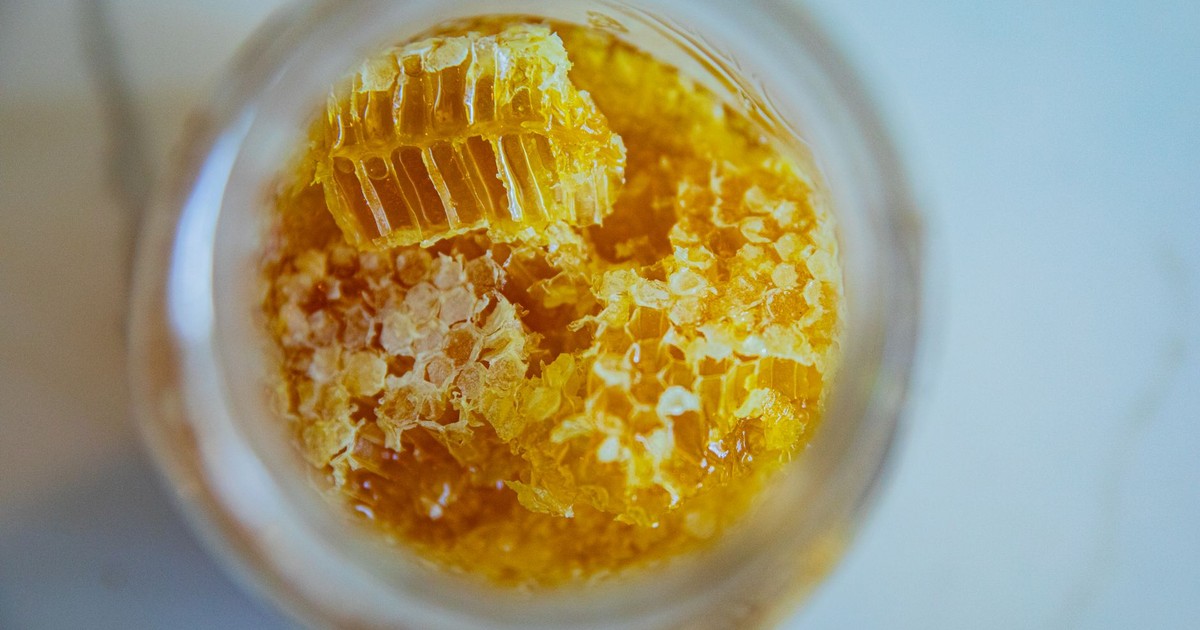
Honey has been used to soothe coughs for centuries, and for a long time, doctors smiled and said nothing. The evidence is now much harder to dismiss. According to a Cochrane review, honey probably reduces cough frequency better than no treatment or placebo in children, and the Mayo Clinic now acknowledges that honey alone may work as well as over-the-counter cough medicines in reducing coughing during respiratory infections.
The benefits extend beyond children. A 2024 clinical study found that honey significantly reduced overall acute respiratory infection symptom scores in adults by day five of treatment. That’s a specific, measurable clinical outcome – not a proxy marker or a lab result, but real-world symptom relief in people with active infections.
Honey’s mechanism appears to involve its antimicrobial and anti-inflammatory compounds, along with its physical properties as a demulcent – meaning it coats and soothes irritated throat tissue. The standard dose used in research is one to two teaspoons taken directly or dissolved in warm water. One important caveat: honey should never be given to children under 12 months due to the risk of infant botulism.
3. Ginger for Inflammation and Blood Sugar
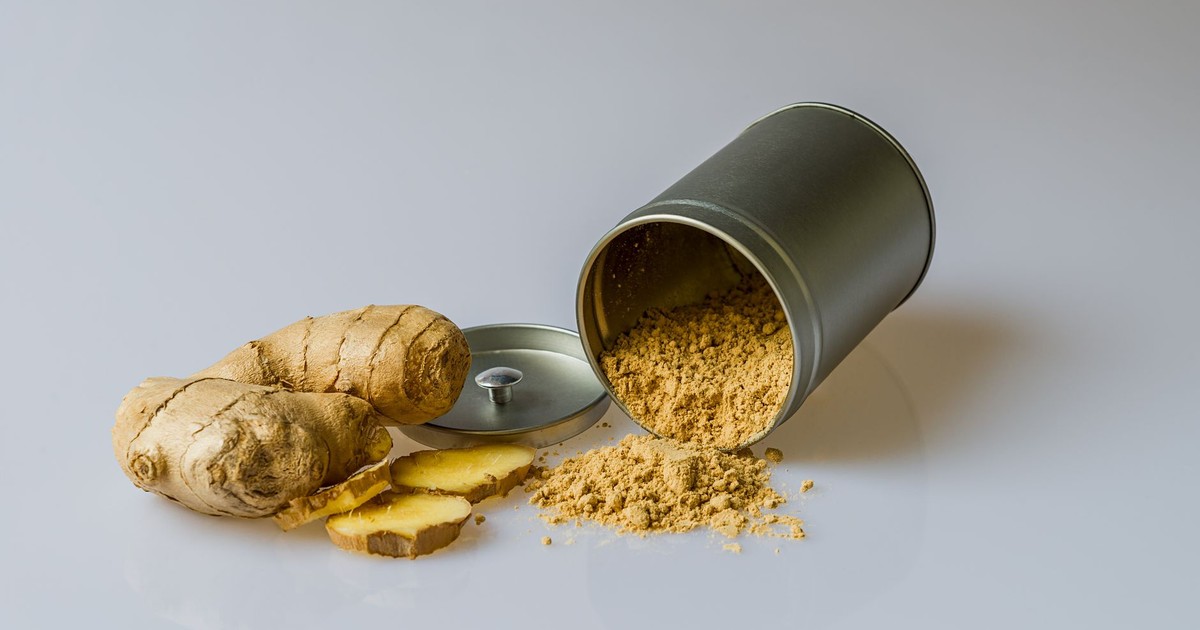
Ginger has been used medicinally in South Asian and Chinese medicine for over 2,000 years. Western medicine largely filed it under “traditional remedy” and moved on. Recent clinical data suggests that was a mistake. A 2025 meta-analysis in Frontiers in Pharmacology found that ginger supplementation was associated with significant reductions in circulating C-reactive protein and tumor necrosis factor-alpha (TNF-alpha) – two of the most important markers of chronic systemic inflammation. The doses that produced these effects were modest: 1 to 3 grams daily.
The same body of research found that daily ginger intake in type 2 diabetes patients produced consistently positive results on blood sugar control, including an average HbA1c (a three-month blood sugar average) reduction of 1%. A 1% drop in HbA1c is clinically meaningful – it’s roughly equivalent to the effect of some oral diabetes medications at modest doses.
A 2026 review also found that ginger is effective in treating inflammatory conditions like rheumatoid arthritis and is comparable to NSAIDs (non-steroidal anti-inflammatory drugs like ibuprofen) but with fewer gastrointestinal side effects. For people who can’t tolerate NSAIDs long-term, that comparison matters. One to two teaspoons of freshly grated ginger daily, added to food or steeped as tea, falls within the therapeutic range used in most trials. If you take blood thinners, speak with your doctor first, since ginger has mild antiplatelet effects.
4. Garlic for Heart Health and Blood Pressure – Home Remedies Benefits Backed by Trials
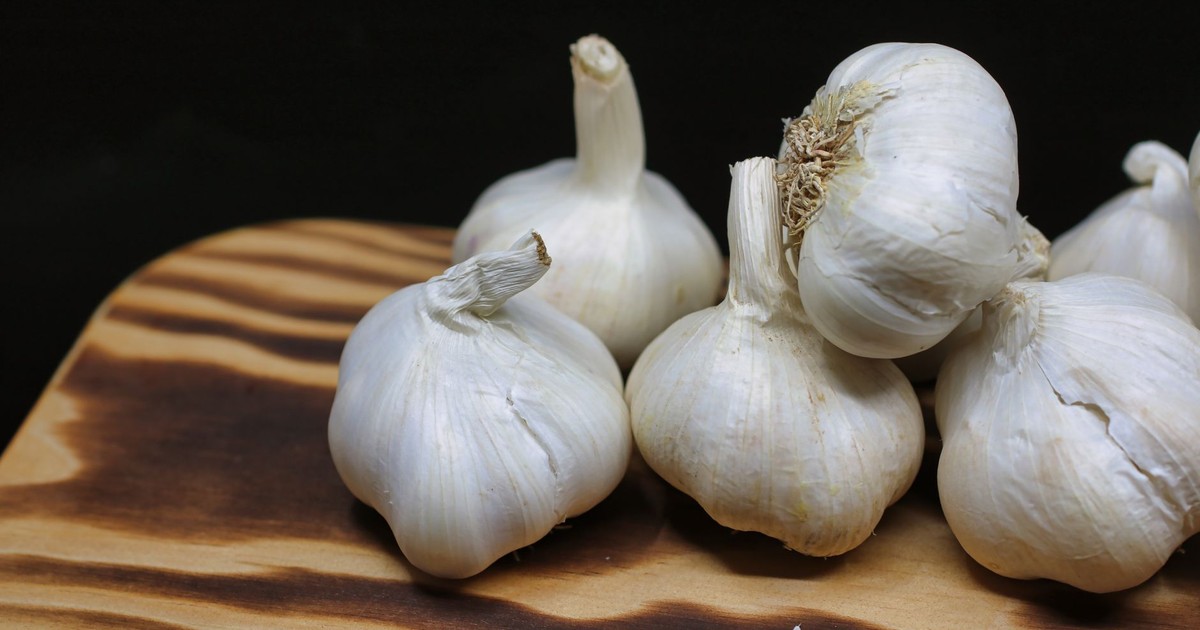
For decades, garlic’s reputation as a heart remedy was dismissed as folk medicine. The clinical picture now looks quite different. A 2025 systematic review in Nutrition Reviews found that garlic consumption resulted in significant improvements in serum triglycerides and total cholesterol, as well as meaningful reductions in LDL (low-density lipoprotein, the “bad” cholesterol). These aren’t marginal effects observed only in controlled lab settings – they’re derived from pooled data across multiple human trials.
The blood pressure evidence is equally strong. A 2025 meta-analysis in Frontiers in Nutrition confirmed that garlic intervention significantly reduced both systolic and diastolic blood pressure (the top and bottom numbers in a blood pressure reading) across randomized controlled trials. A separate 2025 dose-response meta-analysis specifically examining aged garlic found significant reductions in both systolic blood pressure and LDL cholesterol.
The active compounds in garlic – particularly allicin, which is released when garlic is crushed or chopped – appear to relax blood vessel walls, reduce platelet aggregation (clumping), and suppress inflammatory pathways linked to atherosclerosis (the buildup of plaque in arteries). Fresh, raw garlic preserves the most allicin. A clove or two daily, crushed and added to food, is the form most consistent with the research.
5. Turmeric and Curcumin for Joint Inflammation
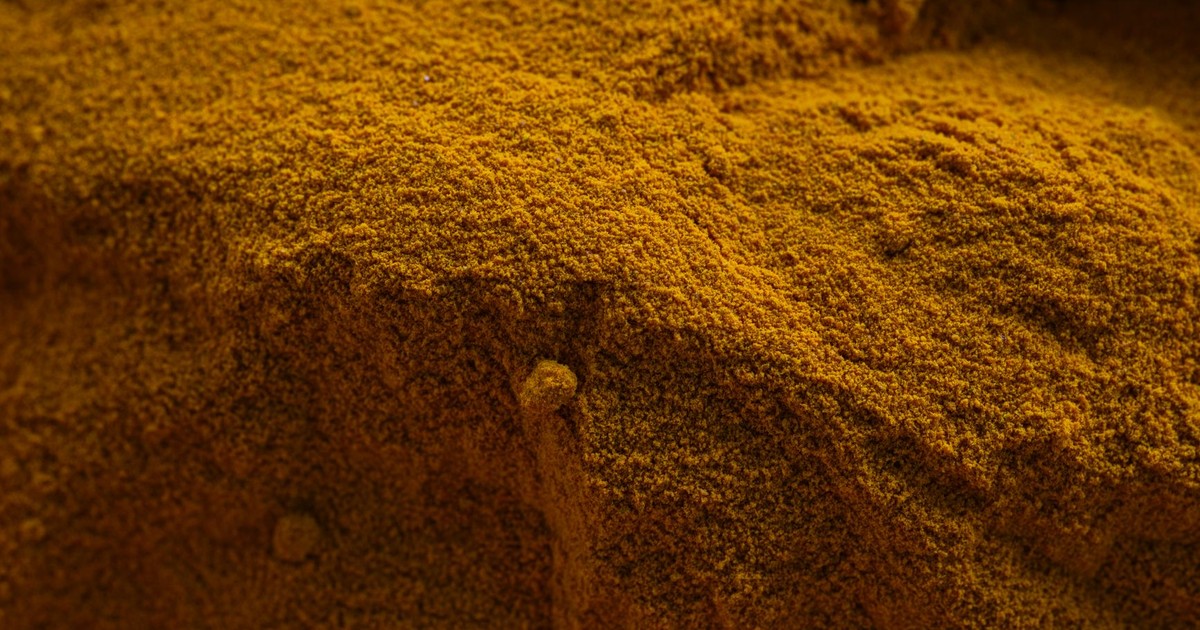
Turmeric has been used in Ayurvedic medicine for joint pain for centuries, and it has attracted considerable scientific interest. The active compound, curcumin, is the yellow pigment responsible for most of the spice’s biological activity. A 2025 study in Medicine found that curcumin supplementation was associated with statistically and clinically meaningful improvements in disease activity and inflammatory markers in patients with rheumatoid arthritis – a serious, immune-driven joint condition.
The significant challenge with curcumin is bioavailability. The body absorbs it poorly on its own. Combining turmeric with black pepper – which contains piperine – increases curcumin absorption by up to 20-fold, according to research. This is why the traditional Indian practice of combining turmeric and black pepper in cooking turns out to have a biochemical rationale. Curcumin supplements often include piperine for the same reason, though anyone taking blood-thinning medications should check with their doctor before using concentrated curcumin supplements, as it has mild anticoagulant properties.
For everyday use, adding half a teaspoon of turmeric with a pinch of black pepper to soups, stews, or warm milk is a practical way to access curcumin’s anti-inflammatory effects without the risks associated with high-dose supplementation. More detail on how to add turmeric to your diet in forms that actually work is available in this turmeric and spice guide from The Hearty Soul.
6. Eggs and the Cholesterol Myth

The idea that eating eggs raises your cholesterol and damages your heart was one of the most pervasive dietary beliefs of the late 20th century. It shaped breakfast menus and national dietary guidelines for decades. National Geographic covered the research in 2026, noting that a 2025 randomized crossover study published in The American Journal of Clinical Nutrition confirmed that consuming two eggs daily as part of a diet low in saturated fat actually led to reductions in LDL cholesterol after five weeks – the opposite of what people were told to expect.
That 2025 study, from researchers at the University of South Australia, found that saturated fat – not dietary cholesterol from eggs – was the variable driving LDL increases. Each one-gram increase in saturated fat intake was tied to roughly a 0.35 mg/dL rise in LDL. Eggs contain roughly 200mg of dietary cholesterol per yolk, but they’re relatively low in saturated fat. When eaten without high-saturated-fat accompaniments, their net effect on blood cholesterol is neutral or mildly beneficial.
This matters because eggs are one of the most nutritionally complete whole foods available – providing high-quality protein, choline (essential for brain function), lutein, and zeaxanthin (both linked to eye health). The practical guidance: two eggs a day is well within the evidence-supported range for healthy adults eating a diet that’s not already high in saturated fat. What you eat with the eggs matters more than the eggs themselves.
7. Fermented Foods and Gut-Driven Inflammation
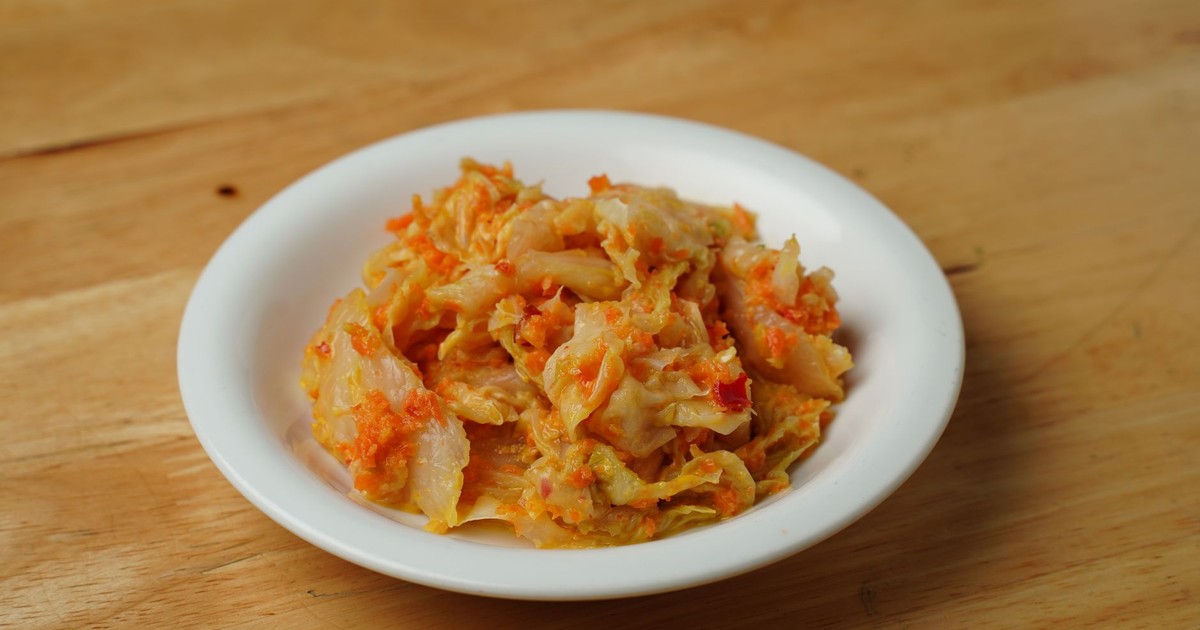
The fermented foods category – kimchi, sauerkraut, kefir, yogurt, miso – sat on the fringes of mainstream dietary advice for years, associated more with wellness culture than clinical evidence. That positioning is changing. A 2024 study in the Proceedings of the Nutrition Society found that fermented foods reduced inflammatory markers more effectively than high-fiber diets in human intervention studies – a finding that surprised researchers, given how much emphasis the nutrition world has placed on fiber over the past two decades.
The gut-brain axis – the two-way communication system between the gut microbiome (the community of bacteria living in the digestive tract) and the brain – is central to why fermented foods are receiving renewed attention. Changes in the gut microbiome affect systemic inflammation, immune regulation, and even mood. Where high-fiber interventions showed person-dependent effects on inflammation, fermented foods consistently reduced inflammatory markers across participants.
Practically, the research supports incorporating a serving of fermented food daily rather than supplementing with probiotics alone, since the diversity of live cultures in whole fermented foods appears to outperform single-strain supplements. Starting with a small amount – two to four tablespoons of fermented vegetables or a half-cup of plain kefir daily – and building gradually reduces the digestive adjustment period some people experience.
Read More: 21 Natural and Home Remedies For a Sore Throat
What to Do With This Information

The home remedies benefits described above are not interchangeable with pharmaceutical treatment for serious conditions. They represent evidence-supported additions to a healthy lifestyle – some with effects strong enough to complement, or in limited cases reduce the need for, first-line interventions. The distinction matters: ginger at 1 to 3 grams daily is not the same as a prescribed NSAID, and honey is not a substitute for antibiotics in bacterial infections.
Several remedies dismissed for decades have real, specific mechanisms behind them. Chicken soup inhibits neutrophil migration. Honey reduces cough frequency. Garlic lowers blood pressure and LDL. Ginger reduces C-reactive protein. Curcumin improves rheumatoid arthritis markers. Fermented foods outperform fiber on inflammation. Eggs, consumed thoughtfully, don’t raise harmful cholesterol the way most people assumed. None of these findings are fringe science – they come from meta-analyses, randomized trials, and Cochrane reviews. You’ll find more on the overlap between these remedies and blood pressure management in this guide to natural blood pressure strategies. If your doctor hasn’t mentioned any of the above, it’s worth raising at your next visit.
Disclaimer: The author is not a licensed medical professional. The information provided is for general informational and educational purposes only and is based on research from publicly available, reputable sources. It is not intended to constitute, and should not be relied upon as, medical advice, diagnosis, or treatment. Always consult a licensed physician or other qualified healthcare provider regarding any medical condition, symptoms, or medications. Do not disregard, avoid, or delay seeking professional medical advice or treatment because of information contained herein.
AI Disclaimer: This article was created with the assistance of AI tools and reviewed by a human editor.
Trending Products

Red Light Therapy for Body, 660nm 8...

M PAIN MANAGEMENT TECHNOLOGIES Red ...

Red Light Therapy for Body, Infrare...

Red Light Therapy Infrared Light Th...

Handheld Red Light Therapy with Sta...

Red Light Therapy Lamp 10-in-1 with...

Red Light Therapy for Face and Body...

Red Light Therapy Belt for Body, In...

Red Light Therapy for Shoulder Pain...
