
A dusty, silvery-white film on a blueberry is one of the most misread signals in the produce aisle. Shoppers wipe it off, avoid packages that have it, or assume it means the fruit is old. That hazy coating is one of the clearest signs the berry is fresh – the absence of it, not the presence, signals a problem. What actually marks a bad buy is far less obvious, and most people walk right past it.
A useful blueberry selection guide starts before you open the container. The color, the texture, the smell, the moisture level inside the packaging – each one is a data point about whether those berries will still be worth eating in four days. Most people check for mold and move on. By the time fuzzy gray spots are visible, the conditions that caused them have usually been building for hours, sometimes days.
A single container of blueberries can hold berries at wildly different stages of ripeness, and one overripe or moldy berry pressed against a healthy one will accelerate its neighbor’s decline. The signs below are the ones worth checking before you reach the register – starting with the most commonly misunderstood.
1. Condensation or Wetness Inside the Container
Moisture inside a blueberry container is the fastest path to spoilage. When you pick up a package and see droplets clinging to the inside of the plastic, or when the paper liner at the bottom is visibly damp or stained, that’s not just cosmetic. Botrytis cinerea, the fungus responsible for gray mold on blueberries, thrives when humidity exceeds 93% and temperatures sit between 18°C and 24°C – exactly the conditions a wet, sealed container creates.
The rot of blueberry fruit caused by Botrytis cinerea is the main reason for postharvest blueberry losses. Gray mold is a major disease of blueberries, which require more than 15 days of shipment at 0°C to reach international markets. According to the University of Massachusetts Extension, the optimal temperature range for Botrytis infection of blueberries is 16 – 20°C (61 – 68°F) – right in line with temperatures at which grocery stores and home kitchens typically operate. A wet package at room temperature functions as an incubator.
Research shows that higher cuticular wax content on berry surfaces is associated with lower adhesion of B. cinerea on the fruit surface. Wet conditions strip that natural defense. If the inside of the package looks wet before you’ve opened it, put it back.
2. Visible Mold on Any Berry in the Package
Gray mold caused by Botrytis cinerea is a common post-harvest fungal disease of blueberries. It shows up as fuzzy white growth, gray patches, or visible leakage – signs that blueberries are actively spoiling. The critical mistake most shoppers make is thinking one bad berry is acceptable if the rest look fine. It isn’t.
Sorting out moldy blueberries matters because a single affected berry continues spreading to the rest of the batch. Fungal spores are airborne and transfer easily when berries are in contact. A container with even one visibly affected berry is already compromised throughout.
The color of the mold matters too. Gray is the most common presentation with Botrytis, but research published in Plant Disease documented pink-pigmented Botrytis cinerea strains also capable of causing fruit rot on blueberries. Whether you see gray or white fuzz, the action is the same: don’t buy that container.
3. A Missing or Rubbed-Off Bloom
Most people try to avoid blueberries with a dusty, whitish coating. When inspecting fresh blueberries, smooth blue skin with a visible haze is exactly what you want to see. That haze has a name – the bloom – and it’s not residue, wax added by a packer, or a sign of age.
The bloom is a natural waxy layer produced by the berry itself. A 2017 study published in Food Chemistry on cuticular wax in blueberry fruits found that removing the natural surface wax accelerated postharvest water loss and decay, reduced sensory and nutritional qualities, and shortened shelf life. A 2024 study in Horticulture Research by researchers at the University of British Columbia confirmed that cuticular wax content is directly tied to water loss and surface color quality during postharvest storage. Bloom-free berries deteriorate faster on both counts.
When you see a container of blueberries that look uniformly deep blue with no hazy sheen, that’s a red flag, not a selling point. The bloom gets rubbed off when berries are handled excessively, shaken around, or have been sitting too long. Look for that silvery dusting – it means the fruit has been handled gently and the protective layer is still intact.
4. Soft, Mushy, or Shriveled Texture
A fresh blueberry should have a slight give when pressed but bounce back with firmness. Berries that feel mushy or have lost their firmness are overripe or beginning to rot. The cell walls of the berry are breaking down, which means the fruit is past its optimal window.
The postharvest shelf life of blueberries is very short at room temperature owing to softening, which reduces their edible value. Shriveled or wrinkled surfaces indicate dehydration or aging – a berry that has shrunken even slightly has been losing moisture, either because it was stored improperly, harvested too early, or has simply sat too long. Shriveling and mushiness often appear in the same container, concentrated at the bottom where the weight of the pile compresses berries beneath.
You don’t have to press each berry individually to check. Inspect all sides of a clear clamshell container before buying. Berries at the bottom tend to compress and go soft first. Tilt the container gently – if berries stick together rather than rolling freely, moisture and pressure have already compromised the batch.
5. An Off or Fermented Smell
Blueberries at peak freshness smell faintly sweet and clean. A sour or fermented odor is a reliable indicator that blueberries have spoiled – and sampling one that smells off will confirm it immediately. The smell comes from fermentation: as blueberries break down, their natural sugars convert and produce byproduct compounds with a distinctly vinegary or boozy quality.
This sign is especially useful when a container looks acceptable on the outside. A package of blueberries can appear plump and intact while already smelling wrong, particularly if the fruit was stored at inconsistent temperatures during transport. Refrigeration is used to slow respiration and microbial growth, which helps maintain fruit quality. Blueberries placed outside a refrigerated section in a store are reason enough to be cautious before buying.
Sniff the vent holes in the container before you buy. Most clamshells used for blueberries have perforations – that’s intentional, to allow the fruit to breathe. Those same holes let you do a quick smell check without opening the package. If anything smells sour, fermented, or off in any way, trust your nose.
6. Juice Stains or Liquid at the Bottom of the Container
Juice stains on the inside of a blueberry container indicate bruised fruit or berries that are already past their prime. A clean, dry container bottom is what you want. When you see pooled liquid or deep purple staining on the paper liner or the plastic base, at least some berries have already split or broken down.
A faint tint from normal contact is fine. Visible liquid accumulation is not – that’s structural failure in the fruit. A split berry releases juice that coats its neighbors, accelerating moisture exposure across the whole container. Combined with the enclosed environment, it creates the same high-humidity conditions that Botrytis requires to spread.
This is also a useful signal at farmers’ markets, where containers may not be pre-packaged under refrigeration. Check the bottom of any basket or punnet before buying. Clear, clean bottoms with no pooling mean the fruit is intact.
For more detail on how to handle your blueberries once you get home, the best way to wash your blueberries covers the right technique for cleaning without accelerating spoilage.
7. Reddish or Unripe Color
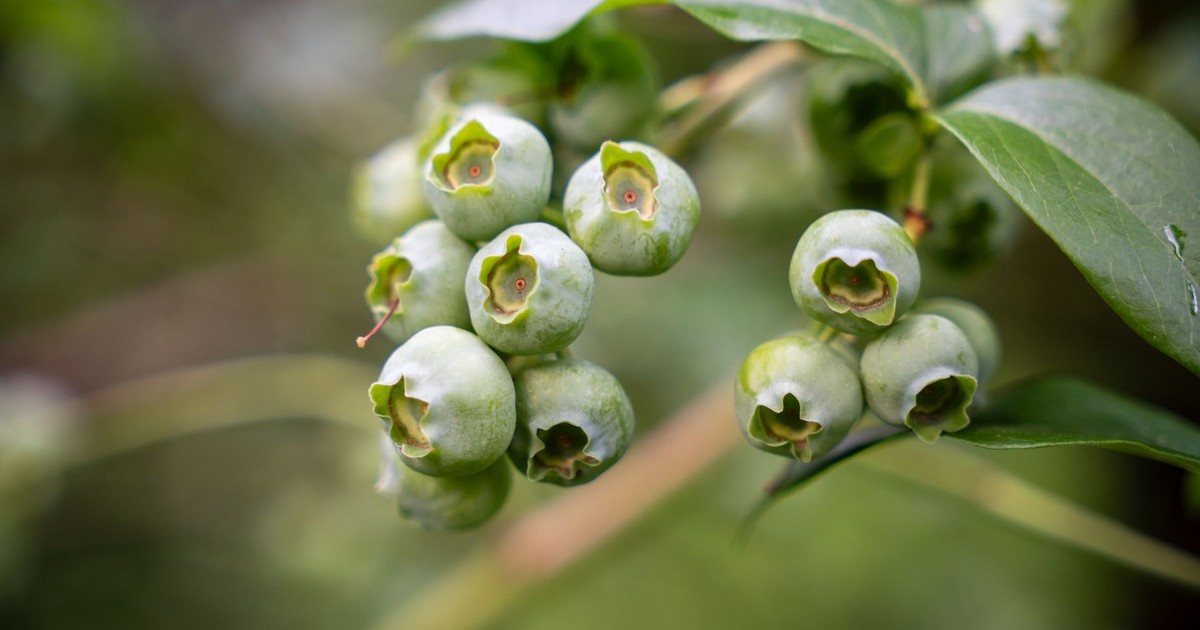
One cup of fresh blueberries provides 16% of a day’s recommended supply of vitamin C for men, 19% for women. But that nutritional value only applies to fully ripe berries. Fresh blueberries should be firm and plump with smooth, dry skins in a deep blue-purple to blue-black color, often with a silvery blush from the bloom. Berries still showing red or pink undertones haven’t fully ripened – they’re not spoiled, but they won’t taste good, and they won’t ripen further once picked.
Unlike some fruits, blueberries don’t continue to ripen after harvest. Once they’re off the bush, the sugar content is fixed. A reddish blueberry will stay reddish and will taste sour, not sweet. Reddish berries can be used in cooking or baking where sweetness matters less, but they’re noticeably sour when eaten fresh.
Look at the overall color distribution across the whole container. A container that’s mostly deep blue with a few lighter berries is fine. One where a large proportion looks pink, red, or light purple is worth skipping if you’re eating them fresh. If you’re buying for a smoothie or a bake and the price is right, it may still be worth it – just factor in added sweetness from another ingredient.
The Bottom Line: What to Do Once You Get Them Home
Getting the selection right at the store is only half the job. Blueberries need to be refrigerated as soon as possible after purchase, and how you store them determines how long they last. Research on fresh highbush blueberries found that storage at high relative humidity (90 – 95%) at around 4°C, in controlled atmosphere conditions, was effective in preserving shelf life over a 10-day period. At typical home refrigerator settings of around 34 – 36°F (1 – 2°C), well-selected blueberries stored in a semi-permeable container can retain firmness and nutritional quality for 10 to 14 days.
Washing blueberries before storing them introduces moisture that speeds up spoilage. Rinse them only right before eating. Keep them in their original vented container or transfer them to one that allows airflow – not an airtight container, which traps moisture and recreates the same damp environment you were checking for at the store. If you’ve bought more than you’ll use in two weeks, freezing is a practical option: freezing blueberries shouldn’t affect their nutrient content, and it may even help them last longer.
The nutritional payoff for getting this right is real. Blueberry anthocyanins – the pigments that give the fruit its deep color – have demonstrated antioxidative properties, anti-inflammatory effects, and potential cardiovascular benefits, according to a 2024 review in the journal Foods. One cup of fresh blueberries provides 16 – 19% of your daily Vitamin C needs (depending on sex), and blueberries also contain abundant Vitamin K and manganese. That’s a strong reason to pick a good container the first time.
Disclaimer: This information is not intended to be a substitute for professional medical advice, diagnosis, or treatment and is for information only. Always seek the advice of your physician or another qualified health provider with any questions about your medical condition and/or current medication. Do not disregard professional medical advice or delay seeking advice or treatment because of something you have read here.
AI Disclaimer: This article was created with the assistance of AI tools and reviewed by a human editor.
Read More: 5 Reasons You Should Start Freezing Blueberries
Trending Products

Red Light Therapy for Body, 660nm 8...

M PAIN MANAGEMENT TECHNOLOGIES Red ...

Red Light Therapy for Body, Infrare...

Red Light Therapy Infrared Light Th...

Handheld Red Light Therapy with Sta...

Red Light Therapy Lamp 10-in-1 with...

Red Light Therapy for Face and Body...

Red Light Therapy Belt for Body, In...

Red Light Therapy for Shoulder Pain...
