
Every single day, TSA officers stop an average of 18 guns at airport security checkpoints across the United States. In 2024, the total reached 6,678 firearms – and 94% of them were loaded. Most of those weren’t smuggled by criminals with elaborate concealment plans. The majority belonged to ordinary travelers who simply forgot the weapon was in their bag.
That detail says something revealing about the state of airport security habits in America. The risks most travelers face aren’t dramatic – they’re mundane. They’re the product of rushed routines, misplaced confidence, and small oversights that compound in crowded, high-stress environments. And firearms are only the beginning. The same checkpoints where loaded guns slip through unnoticed are also among the most bacteria-laden surfaces most people will ever touch, and the same queues where travelers zone out are prime territory for organized theft rings.
The habits on this list aren’t rare violations committed by reckless travelers. They’re the everyday behaviors that security professionals, infectious disease researchers, and travel safety experts consistently flag as the ones most likely to get you fined, robbed, delayed, or sick. Some are surprising. A few are counterintuitive. All of them are worth dropping before your next trip.
1. Bringing a Firearm to the Checkpoint – Even Accidentally
The TSA intercepted 6,678 firearms at U.S. airport security checkpoints in 2024, and approximately 94% of them were loaded. The agency’s press release makes clear the firearms were intercepted before entering the secure areas of the airport or onboard aircraft.
TSA Administrator David Pekoske stated in a January 2025 TSA press release that “one firearm at a checkpoint is too many,” noting that “firearms present a safety risk for our employees and everyone else at the checkpoint” and that it “slows down operations.” The legal route for traveling with a firearm requires it to be unloaded, locked in a hard-sided case, declared to the airline at check-in, and transported in checked baggage.
The practical takeaway: if you own a firearm, check every bag before you leave for the airport – including range bags, backpacks, and duffel bags you may have used previously. A lapse in memory at the checkpoint can result in criminal charges, not just confiscation.
The TSA publishes a searchable tool at tsa.gov that tells travelers whether any item is permitted in carry-on luggage, checked luggage, or neither. Most travelers never consult it. The TSA regularly highlights what it calls “the worst packing decisions” – a list that in 2025 included explosive replicas, concealed animals, and pills hidden in shampoo bottles.
Prohibited items cause delays not just for the person carrying them, but for every passenger behind them in line. Replica weapons, oversized lithium batteries, and loose lithium batteries in checked luggage are among the most commonly misunderstood categories. Before packing anything you’re uncertain about, spend 30 seconds on the TSA’s database – it’s specific down to individual items like hoverboards, e-cigarettes, and snow globes.
3. Leaving Valuables Loose in the Security Bin
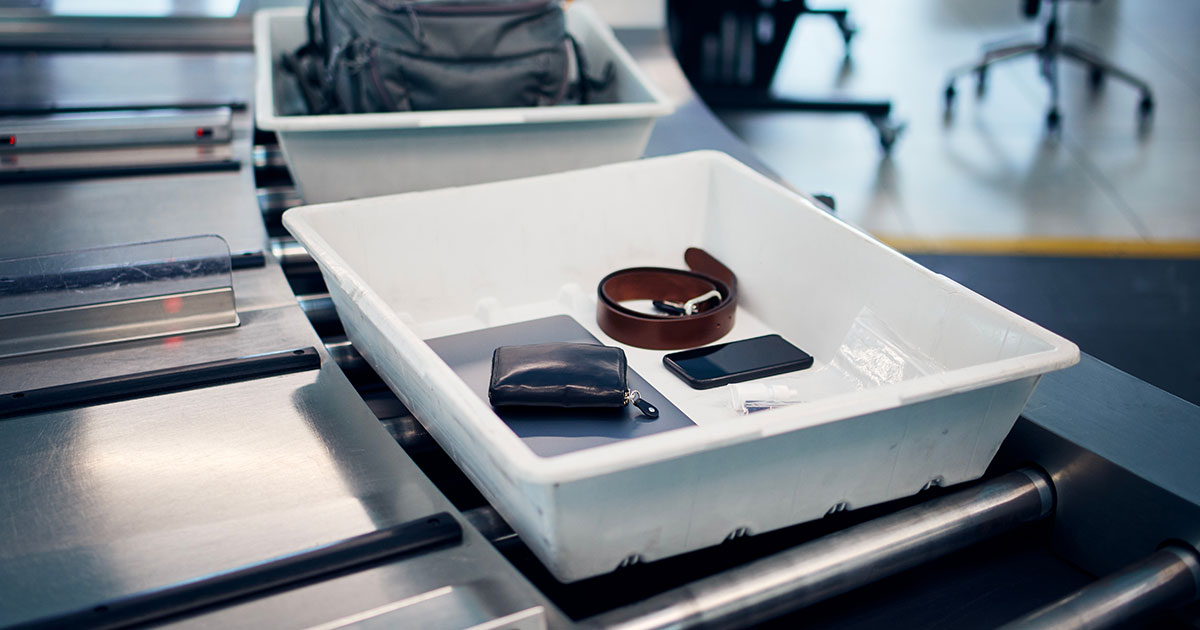
Travelers are vulnerable to theft during TSA security screenings due to distractions and brief separation from their belongings. The security checkpoint is, paradoxically, one of the most theft-prone environments in any airport. Organized theft teams exploit this window deliberately, with one person stalling the line while another moves through your tray – a pattern documented in multiple law enforcement cases involving airport security queues.
The TSA reports that roughly 90,000 to 100,000 items are left behind at security checkpoints each month – a figure that includes both forgotten and stolen property. Keep phones, wallets, and passports inside your carry-on bag as it goes through the scanner, not loose in the bin.
4. Touching Security Bins Without Washing Your Hands Afterward
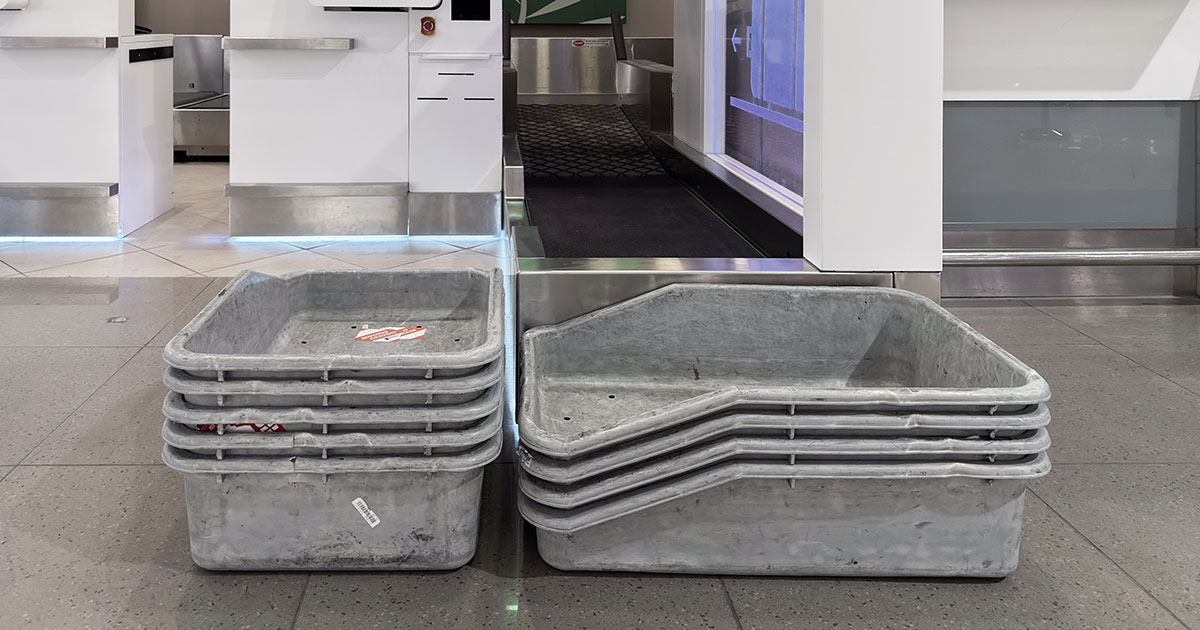
High concentrations of E. coli and other fecal bacteria have been found in plastic bins at TSA security lines, making them among the dirtiest surfaces in any airport. A germ-meter test on TSA checkpoint bins, as reported by TODAY, registered a score of 616 – in a test where anything over 100 is considered a fail.
A 2018 study published in BMC Infectious Diseases found that hand-carried luggage trays at the security check area tested positive for at least one respiratory virus in four of eight samples collected. Of the surfaces tested, plastic security screening trays appeared to pose the highest potential risk, and handling these is almost inevitable for all embarking passengers. Wash hands thoroughly with soap and water after clearing the checkpoint, or use a hand sanitizer with at least 60% alcohol as a minimum fallback.
5. Rushing Through the Line or Switching Lanes
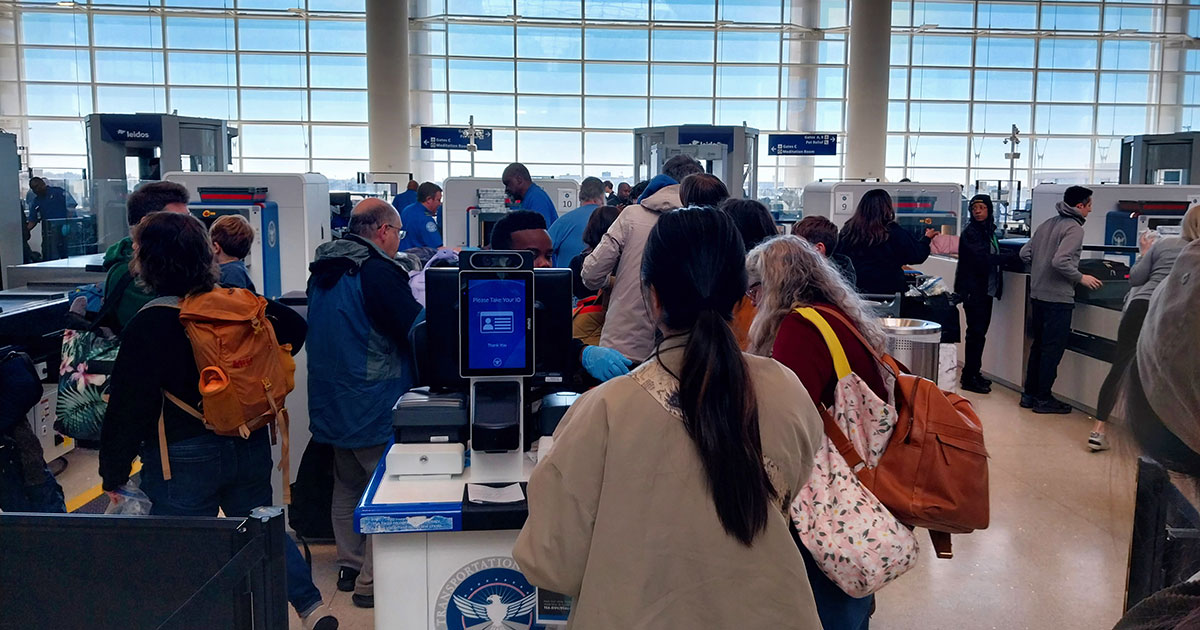
Jumping to a shorter lane, darting ahead when a gap opens – these moves feel efficient but read very differently to trained security personnel who monitor behavior patterns continuously. TSA behavioral detection officers are specifically trained to identify passengers whose movements or demeanor deviate from what’s expected for the screening environment.
Agents may pull a person aside to investigate whether there’s a legitimate reason for the behavior, which means that rushing can ultimately cause the delay it was meant to avoid. The best strategy is to choose a lane, stay in it, and move through the process calmly and predictably.
6. Wearing Bulky or Layered Clothing to the Checkpoint
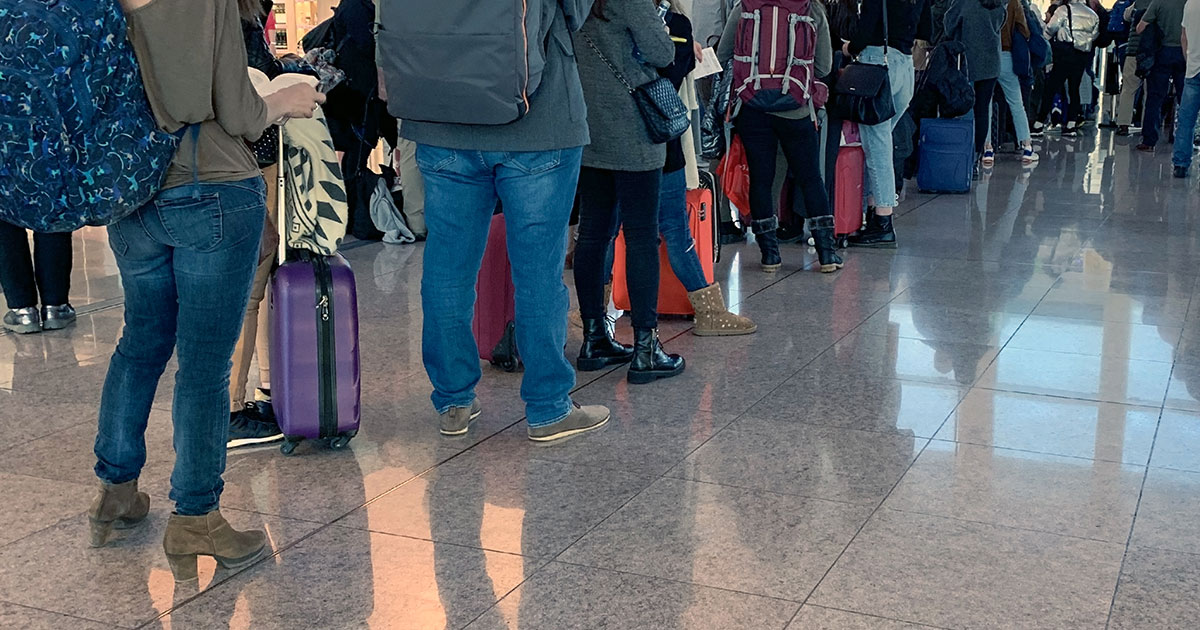
TSA officers pay attention to unusual patterns in what a passenger is wearing. Clothing that doesn’t fit the current weather or expected destination can raise suspicion, because officers receive training specifically in behavioral and observable indicators – inconsistencies in appearance or attire are among the markers they’re taught to flag.
Beyond raising concerns with personnel, bulky clothing causes practical delays. Heavy fabric and layered materials are harder for scanners to image clearly, which frequently triggers additional screening. Wearing compression layers over jeans, heavy boots, and a thick jacket to avoid checking a bag might save a luggage fee while adding ten minutes to your security time.
7. Touching Your Face After Handling Airport Surfaces
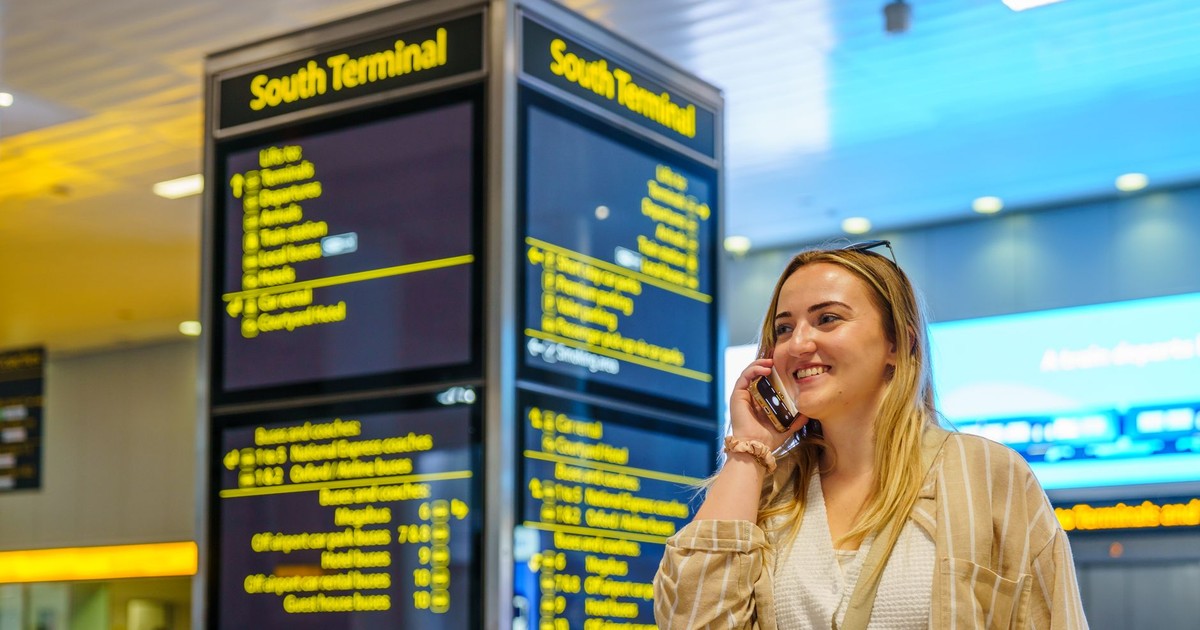
The 2018 BMC Infectious Diseases study found that 10% of surface samples collected across airport environments tested positive for at least one respiratory virus, with luggage trays at security checks identified as the most contaminated surfaces. Given that the average person touches their face between five and 16 times per hour, airport environments create an almost automatic exposure pathway.
The sequence is straightforward: you handle a tray, rest your hand on a gate bench armrest, or tap a check-in kiosk, then touch your nose or mouth without thinking. Microbiologist Jason Tetro, author of The Germ Files, has spent more than 25 years studying the effect germs have on daily life and has consistently warned that if hands pick up microbes from high-touch surfaces like flu-positive trays and then contact the face, infection can follow. The fix isn’t complicated – wash hands before you touch your face, especially before eating in the terminal.
8. Using Airport Self-Check-In Kiosks Without Sanitizing
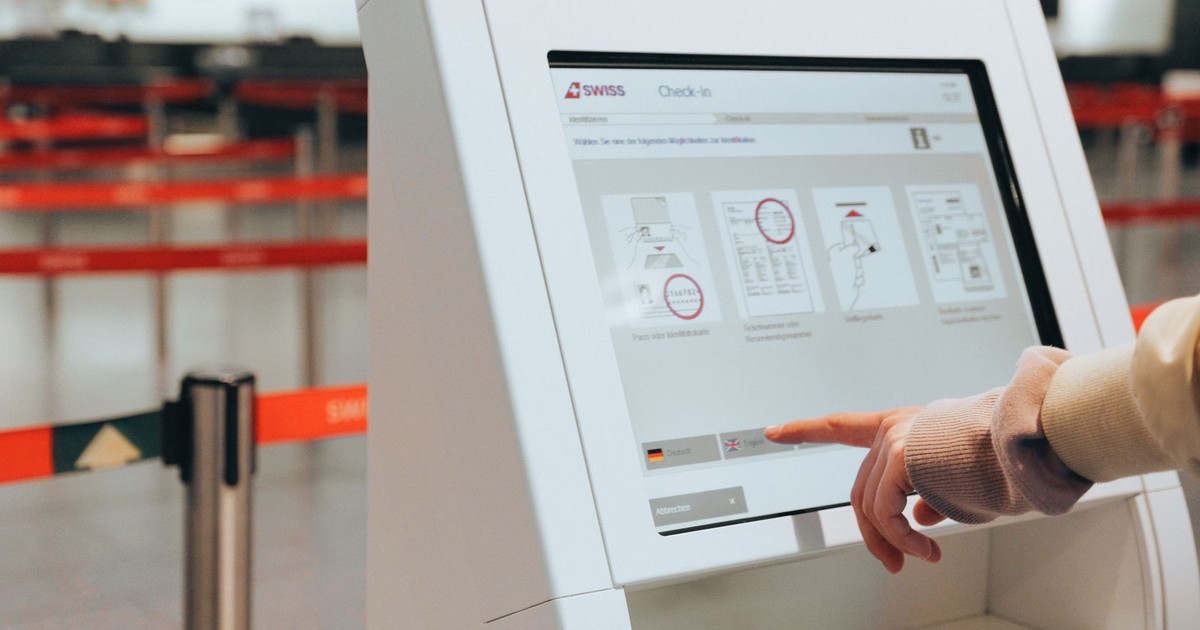
An airport self-check-in screen contains an astonishing 254,000 colony-forming units (CFU) of bacteria, according to testing published by City Scene Columbus – compared to just 21,000 CFU on a typical kitchen sink. CFU is a measure of viable bacteria or fungal cells per surface unit, and airport kiosk screens consistently rank among the dirtiest surfaces tested.
Most travelers tap through their check-in screens with bare hands, collect their boarding passes, and immediately head to the food court or handle their phone. A brief wipe with an antibacterial travel wipe before using the kiosk, and hand sanitizer immediately after, is all it takes to reduce that exposure significantly.
9. Skipping Hand Washing After Using Airport Restrooms
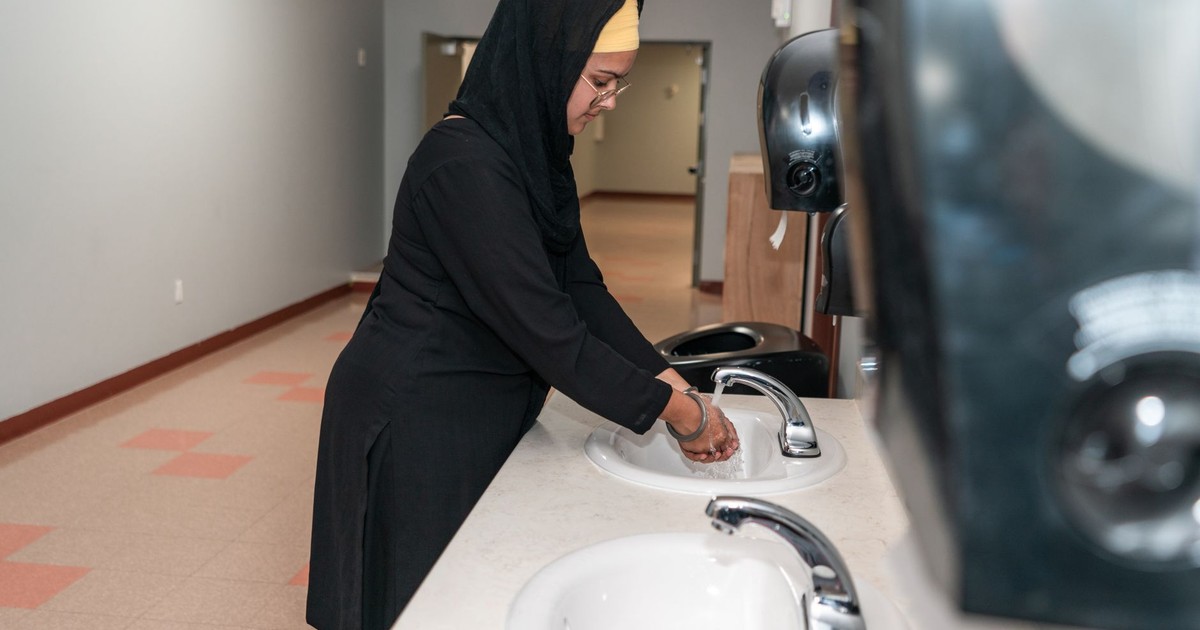
Airport restroom infrastructure can carry risks well beyond surface bacteria. The CDC’s Yellow Book notes that transmission of norovirus on airplanes has been reported during domestic and international flights and likely results from contamination of lavatories or from symptomatic passengers in the cabin. The same contamination dynamics apply to high-traffic airport restrooms, where hundreds of passengers cycle through each hour.
EPA regulations require airlines to clean and disinfect their water tanks only four times per year, creating windows where contamination can develop in the water supply. Hand washing with soap and water remains the most reliable defense – and skipping it after a restroom visit in a high-traffic airport is a meaningful risk, not a negligible one.
10. Sitting on Gate Bench Armrests or Resting Your Head on Them
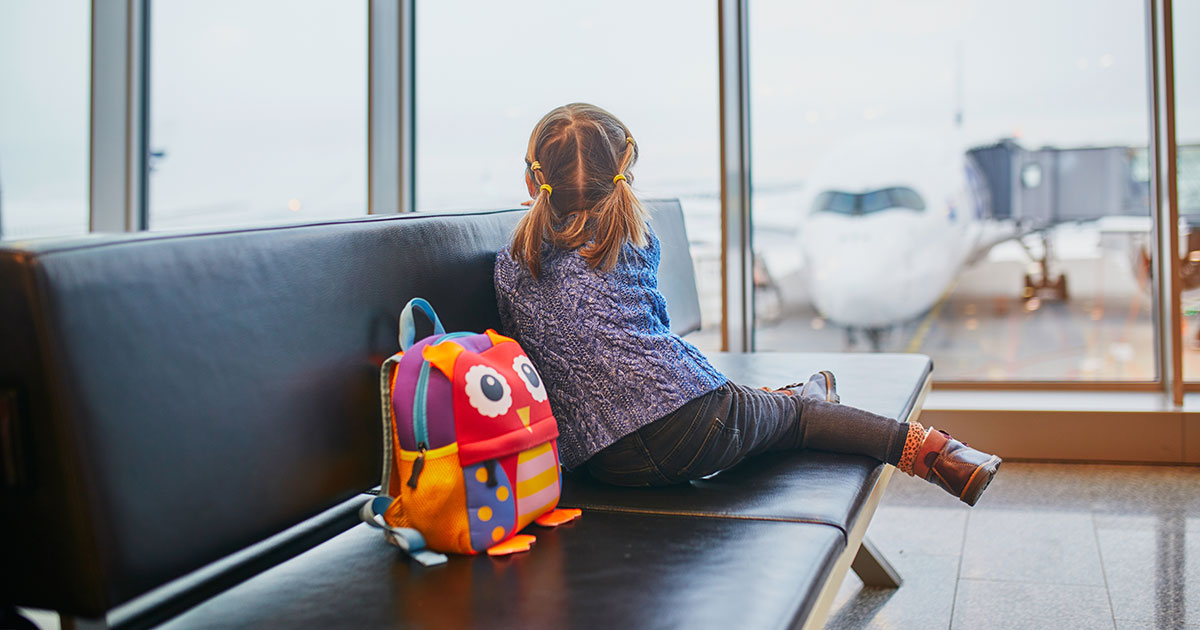
Gate bench armrests at airports contain approximately 21,500 CFU of bacteria – marginally more than a kitchen sink, according to swab testing reported by City Scene Columbus. Hundreds of travelers pass through a gate area during a single day, each making brief contact with these surfaces. Resting bare arms on them is low-risk by itself, but resting your face or head on them – a common habit during long layovers – brings that bacterial load into direct contact with your mouth, nose, and eyes.
Bring a travel pillow or a folded jacket for any extended gate wait. It’s a minor adjustment that eliminates one of the more overlooked contamination pathways in airport environments.
11. Not Wiping Down the Airplane Tray Table
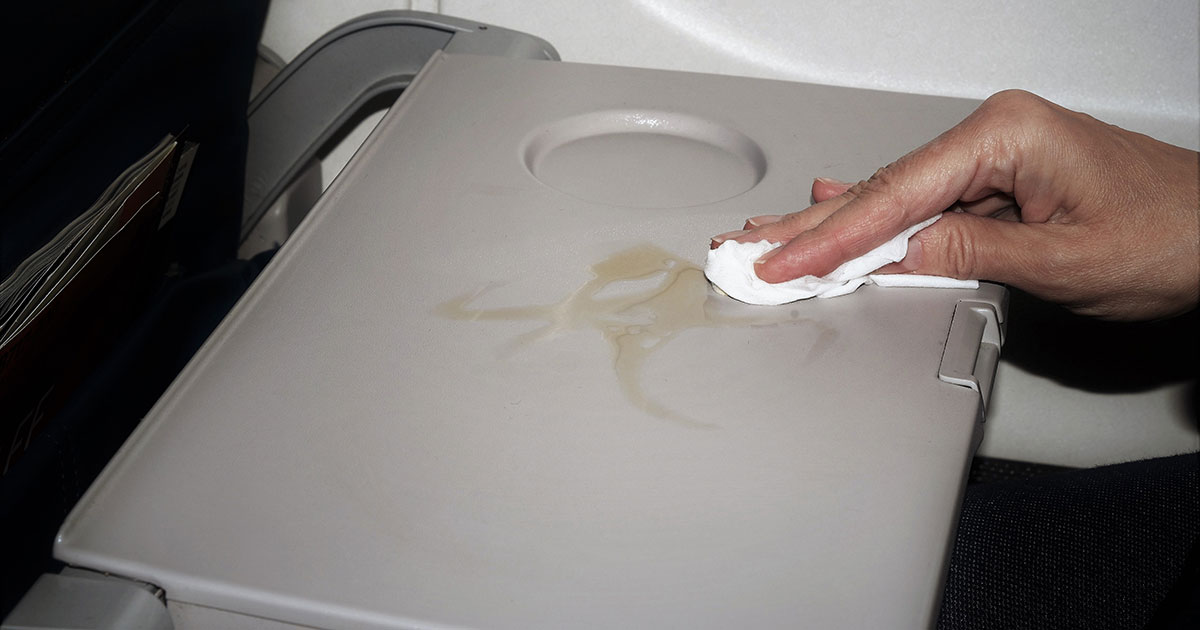
Airplane tray tables hold approximately 11,600 CFU and have tested positive for pathogenic bacteria including Pseudomonas and Stenotrophomonas, both of which can cause serious infections in people with weakened immune systems. Tray tables are cleaned between flights on a schedule – but that schedule doesn’t account for what happens during a flight, when tables are used for food, laptops, and even diaper changes.
Using disinfecting wipes to clean tray tables, armrests, and seatbelt buckles before using them can significantly reduce exposure to germs, a habit consistently recommended by infectious disease specialists. Keep a small pack of antibacterial wipes in your personal item – it takes ten seconds and addresses one of the dirtiest surfaces you’ll interact with on the plane.
12. Ignoring the Airplane Seat Belt Buckle
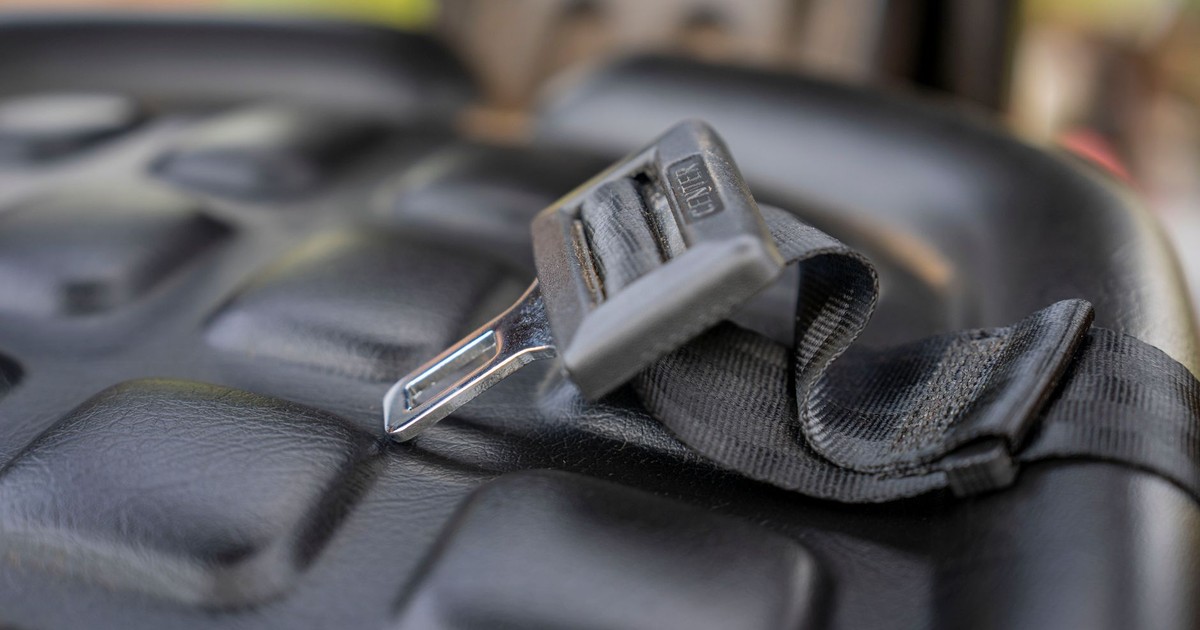
Airplane seat belt buckles carry approximately 1,000 CFU of bacteria per surface. That figure is lower than tray tables, but the contact pattern is different – you’re securing a buckle directly to your lap and handling it repeatedly throughout a flight. It’s rarely on anyone’s wipe-down checklist.
A single pass with a disinfecting wipe over the buckle and the seatbelt fabric before buckling adds seconds to your pre-flight routine and removes a consistent point of bacterial contact that most travelers never think about.
13. Drinking From Airport Water Fountains Without Checking the Source
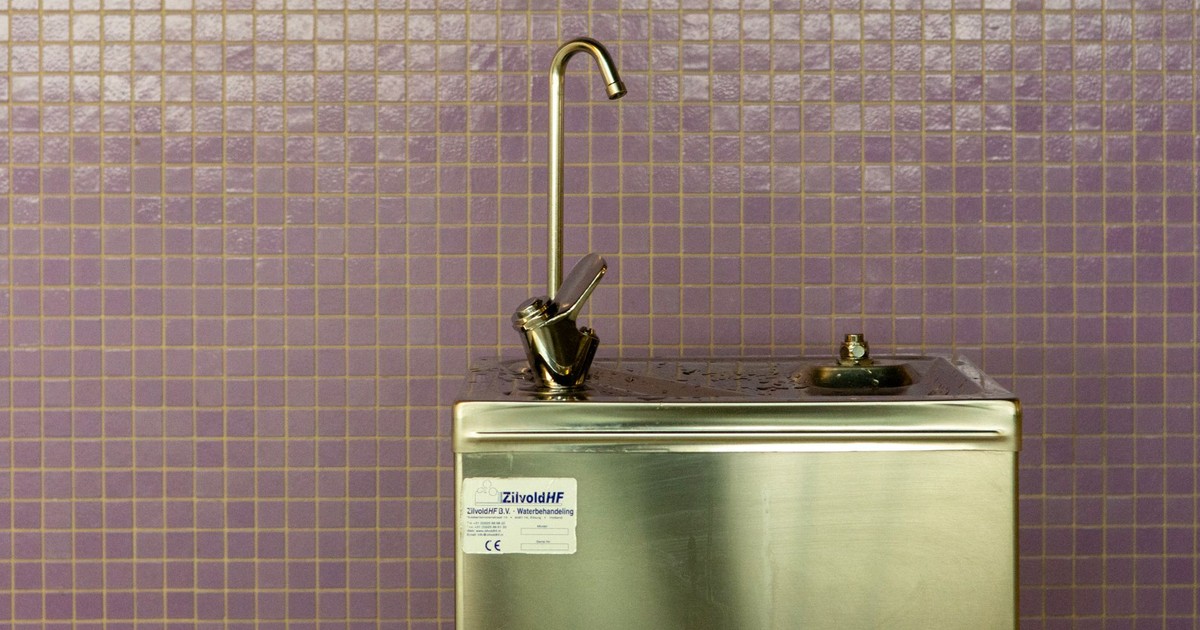
Older airport infrastructure creates conditions where contamination is difficult to fully eliminate between cleaning cycles. Bacteria like Pseudomonas aeruginosa – a pathogen linked to respiratory infections – can persist in pipes and water tanks that aren’t cleaned frequently. Airport water systems in older terminals are especially susceptible, given that infrastructure updates often lag behind passenger volume growth.
The safer habit is to carry a reusable water bottle and fill it from a filtered bottle-refilling station rather than a standard fountain, or to buy bottled water airside. The risk from fountain water isn’t high for healthy adults, but it’s a simple swap for a meaningfully cleaner source.
14. Not Washing Hands Before Eating in the Terminal
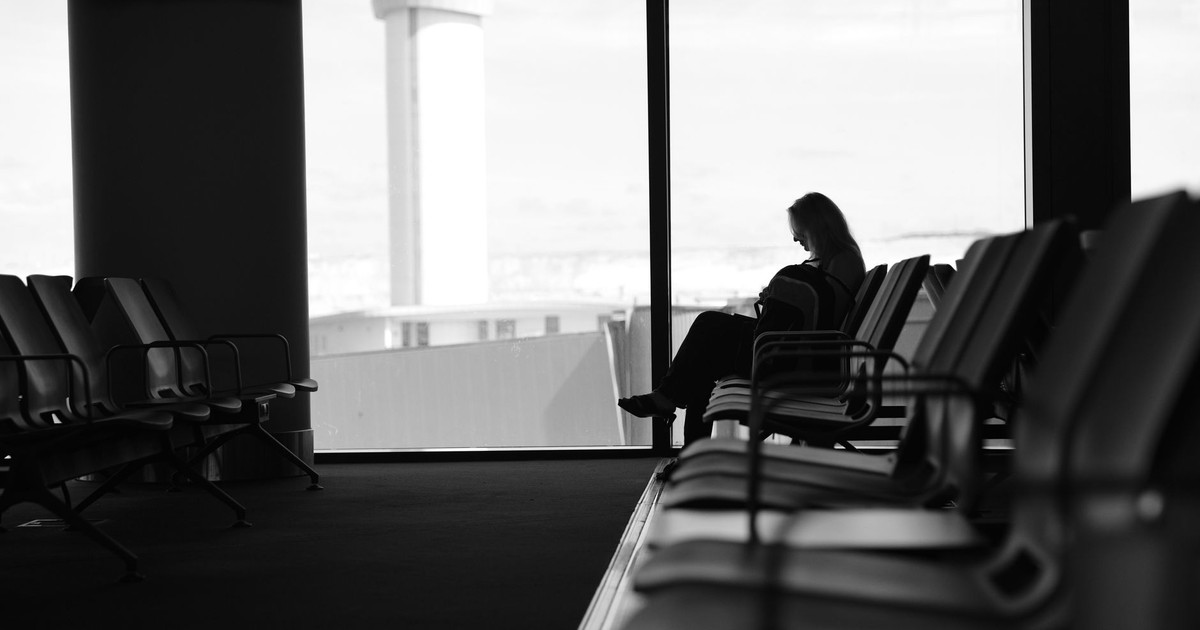
Airport food courts see tens of thousands of people daily, and the surfaces in them – tables, chairs, condiment dispensers, payment terminals – accumulate bacteria rapidly. The habit of walking directly from the security line to a food vendor and eating without washing hands first combines two high-exposure environments into one direct ingestion pathway.
On average, people touch their faces, noses, mouths, and eyes between five and 16 times per hour, and the transition from high-touch airport surfaces to eating with your hands is one of the easiest points at which to break that chain. A 30-second handwash with soap and water before any airport meal is a straightforward practice with a disproportionate return.
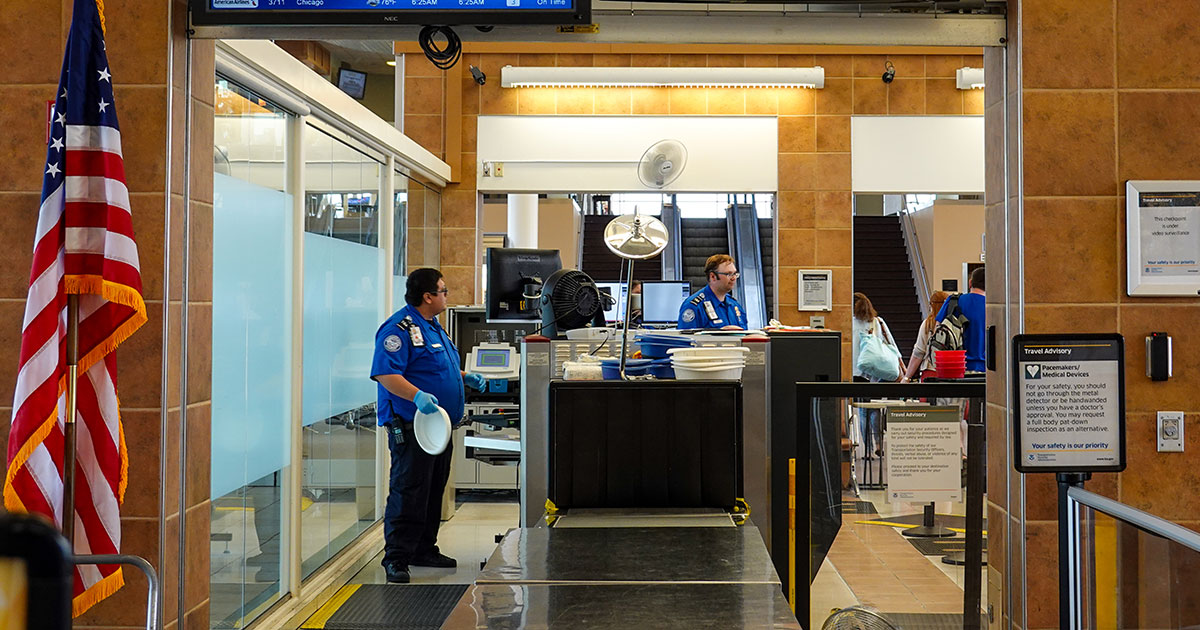
Federal law prohibits making threats or false statements at airport security checkpoints, and the threshold for what triggers an official response is lower than most travelers assume. A sarcastic comment about a “bomb in the bag” or a joke about a weapon can result in immediate detention, questioning by law enforcement, and a missed flight – regardless of intent.
TSA personnel are legally obligated to treat all such statements seriously, and the consequences scale quickly. The rule is simple: treat the checkpoint like a courtroom. Keep comments focused on the process, and leave the humor for the gate.
16. Using the Airplane Lavatory Flush Button Without Protection
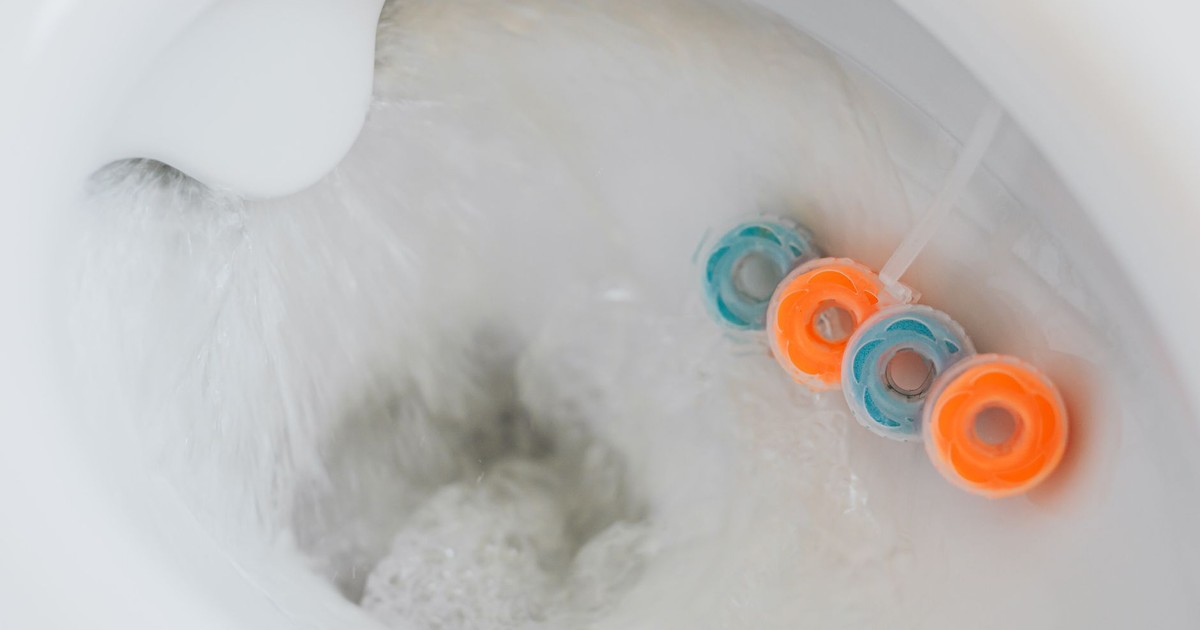
Airplane lavatory flush buttons hold approximately 95,000 CFU – compared to the 30 CFU typically found on a household toilet handle. That gap is staggering, and the mechanism is straightforward: hundreds of passengers use the same button across multiple flights, and cleaning between uses is inconsistent at best.
A study published in Clinical Infectious Diseases found that sustained transmission of norovirus is likely to have occurred because of exposures on an airplane during successive flight sectors, and the authors concluded that airlines should make provision for adequate disinfection with products effective against the virus. Use a paper towel or tissue to press the flush button, and wash hands with soap and water immediately after exiting the lavatory – not just hand sanitizer, which is less effective against norovirus.
17. Sitting in the Aisle Seat to “Stay Mobile” Without Thinking About Airborne Risk
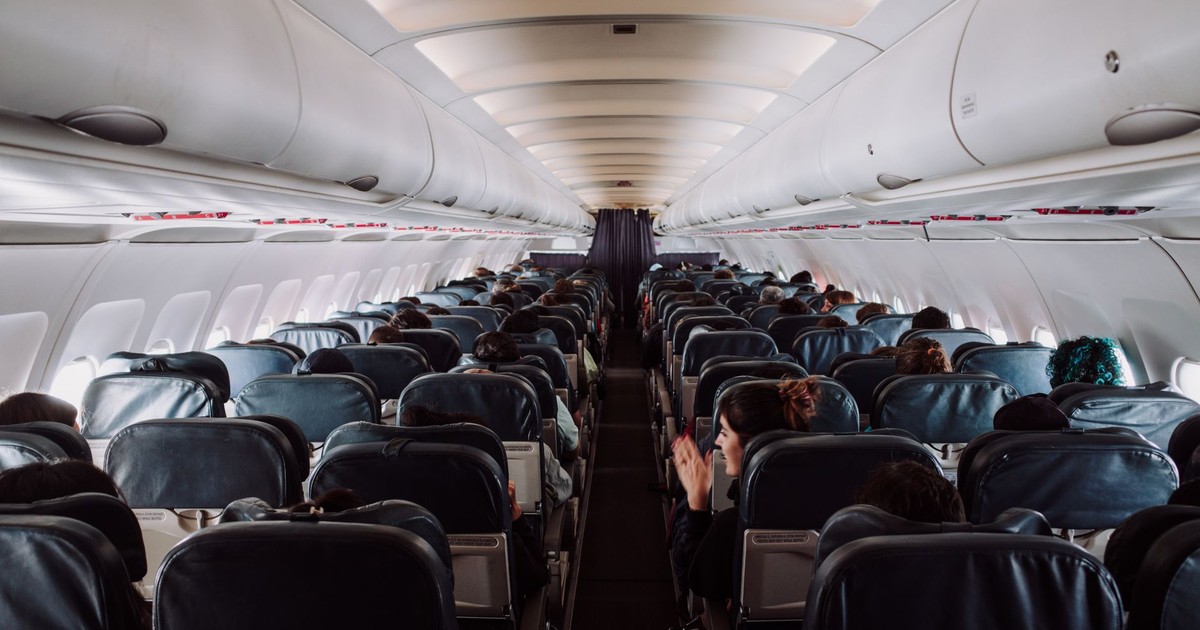
Aisle seats maximize exposure to passing passengers – every person who walks by introduces new air movement and potential aerosol contact. Window seats reduce that exposure by limiting the number of people whose path intersects with yours.
Travelers who specifically want to minimize illness risk on long flights are generally better served by a window seat, even accounting for the trade-off in mobility. The BMC Infectious Diseases study noted that handling security screening trays is almost inevitable for all embarking passengers – but aisle seat selection during a flight is a choice that remains fully within a traveler’s control, and it’s one of the simpler ways to reduce airborne exposure during a long-haul journey.
18. Letting Your Carry-On Overflow With Loose Items
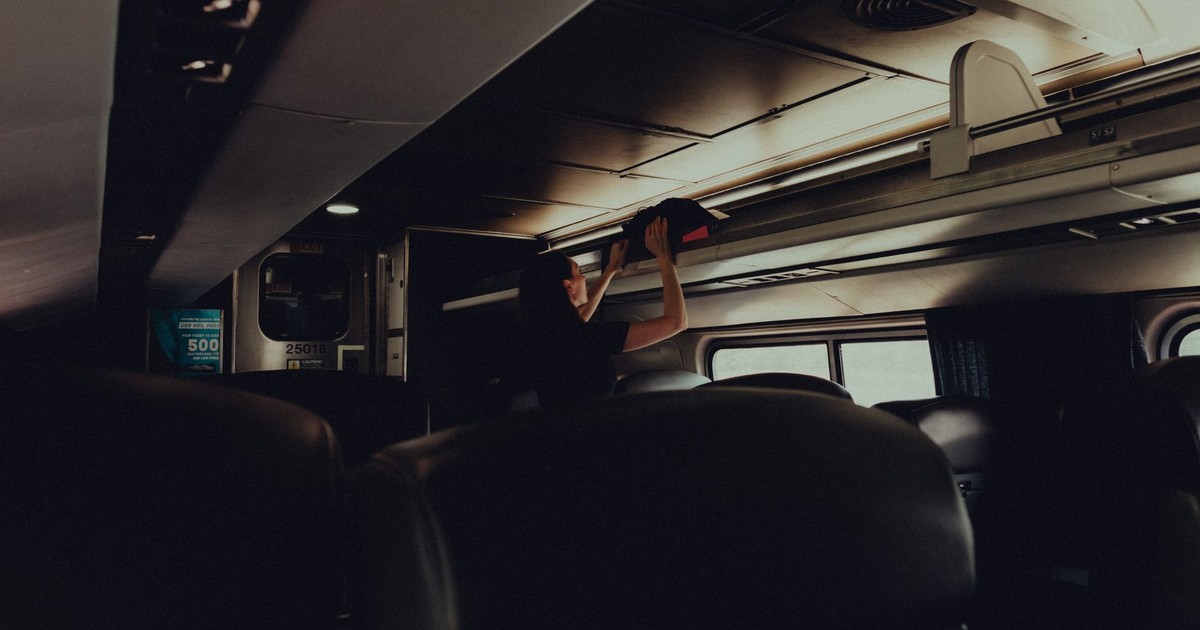
A carry-on bag that isn’t properly organized creates real problems at the checkpoint beyond the inconvenience of repacking. Loose items – chargers, snacks, toiletry bottles, crumpled papers – obscure the X-ray image and force screeners to manually inspect the bag, slowing the entire line. Dense, overlapping items in the same scan zone are among the most common reasons for secondary bag checks.
Packing smart – including using packing cubes to group small electronics, chargers, and important personal items like passports and wallets – makes the bag easier to scan and reduces the chance of a secondary inspection and the risk that small items get separated during the process.
19. Behaving Disruptively After Clearing Security
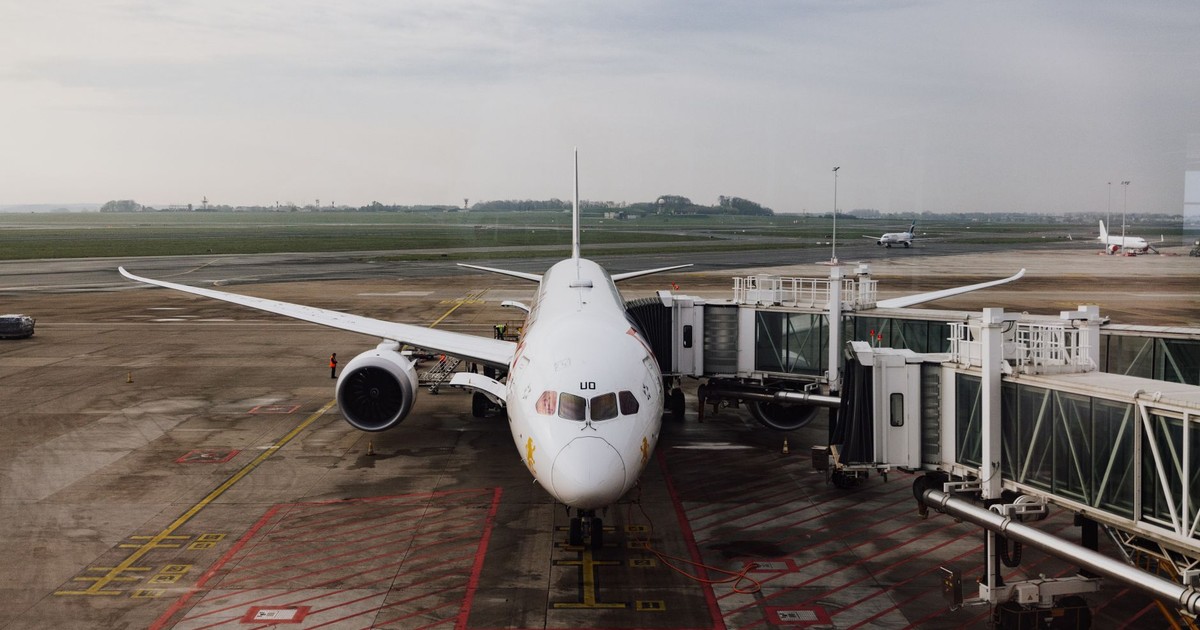
The FAA levied $2.2 million in fines against unruly passengers in 2025, and airlines reported 2,102 unruly passenger cases in 2024 – a 1% increase over 2023’s 2,076 incidents, according to data from Simple Flying. Unruly behavior after clearing the checkpoint – including altercations at gates, disruptive conduct in the terminal, and confrontations with airline staff – carries federal consequences separate from local law enforcement.
The FAA’s fine structure applies even to passengers who haven’t boarded yet. Verbal threats or physical altercations in the terminal after security clearance can result in five-figure fines and a ban from the airline. The security checkpoint isn’t the end of the monitored zone – it’s the beginning of it.
20. Forgetting to Retrieve Everything From the Security Bin
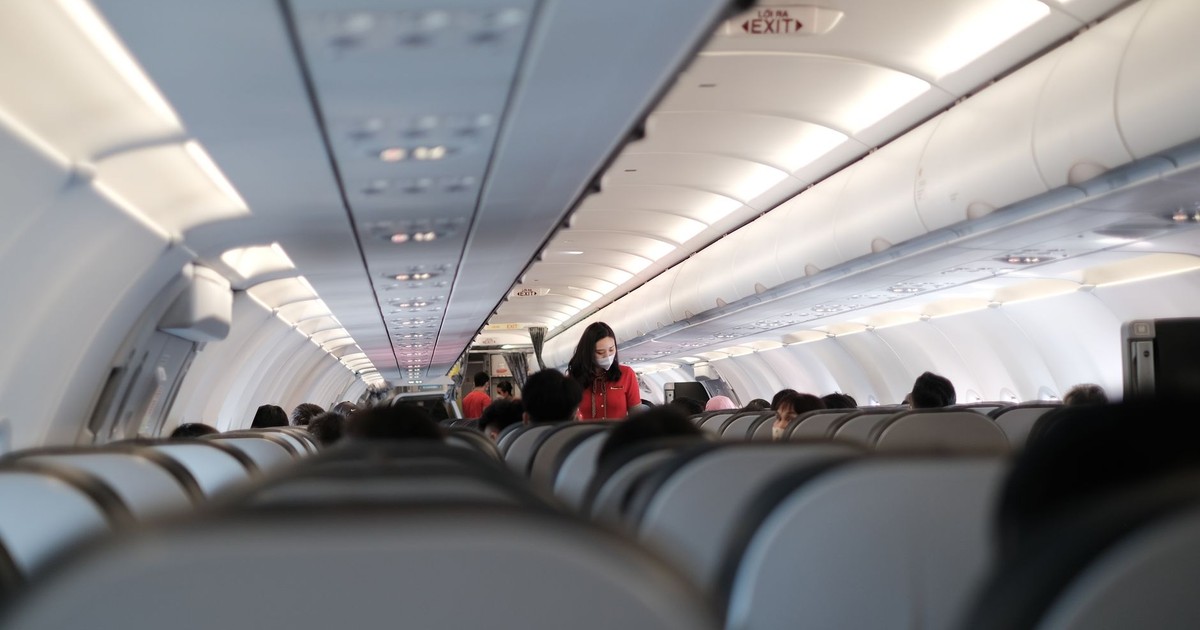
The TSA reports that roughly 90,000 to 100,000 items are left behind at security checkpoints each month. Phones, laptops, jewelry, and passports are among the most frequently abandoned items – often placed in the bin by a rushed traveler who then forgets to collect them after walking through the scanner.
Develop a consistent post-screening habit: collect the bin, check every item in it, then move to the repacking area. Never leave the immediate checkpoint area while your bin is still on the belt. The few seconds saved by walking ahead are not worth leaving a passport or phone behind at the start of a trip.
21. Drinking Tap Water or Hot Beverages Made With Plane Water
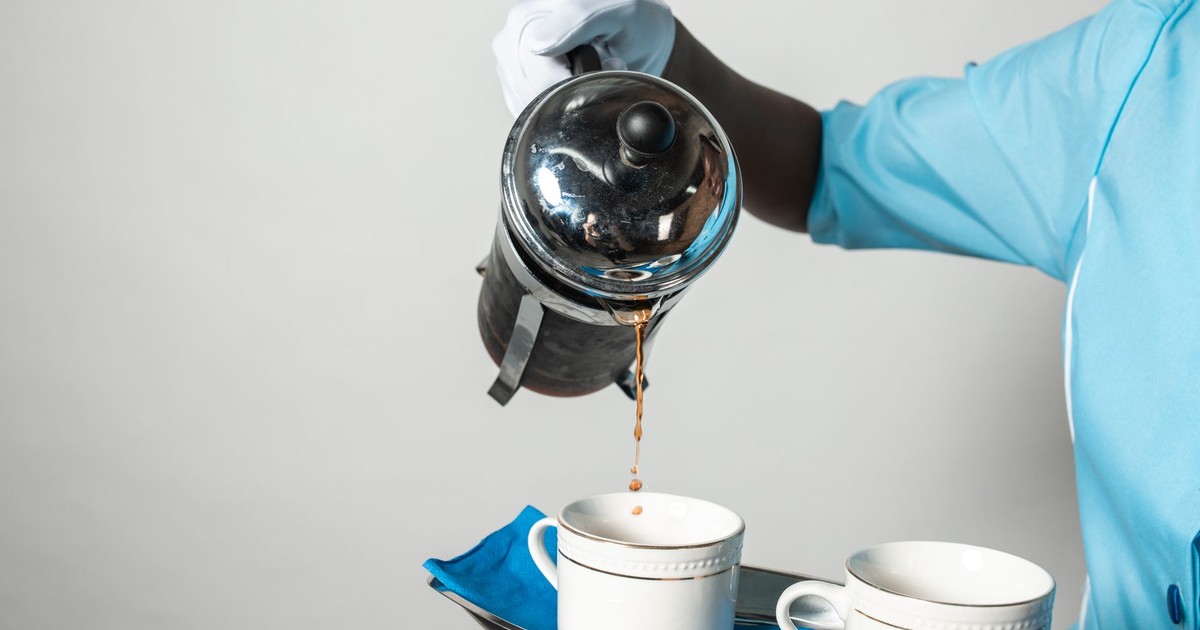
EPA regulations require airlines to clean and disinfect their water tanks only four times per year. That schedule applies to the same tanks used to supply water for hot beverages served during flights – coffee, tea, and any hot drink made in the galley. Between cleaning cycles, bacterial populations can accumulate in the tank, particularly on long international routes.
The practical guidance from travel health professionals is consistent: stick to bottled water and canned beverages during flights, and pass on coffee and tea made with onboard water. It’s one of the less obvious airport security habits that carries genuine microbiological risk, especially for travelers with compromised immunity or sensitive digestion.
Read More: Airports Security Forced To Upgrade X-Ray Machines and People Are Shocked At What They Can See
What to Do Now
Most of these airport security habits don’t require dramatic changes to your travel routine – they require awareness. Your valuables are most vulnerable in the brief window when they’re on the conveyor belt and you’re in the body scanner, so the single highest-impact change most travelers can make is keeping phones, wallets, and passports inside their carry-on bag through the scanner rather than placing them loose in the bin.
On the hygiene front, the evidence is consistent: security bins, check-in kiosks, tray tables, and lavatory flush buttons are among the most bacteria-dense surfaces most people encounter all year. The 2018 BMC Infectious Diseases study confirmed that airport security trays carry live respiratory viruses – including rhinovirus and coronavirus strains – at rates that make casual hand-to-face contact a genuine transmission risk. Carrying a small pack of antibacterial wipes and using hand sanitizer immediately after clearing the checkpoint costs almost nothing and addresses the majority of contamination exposures documented by airport microbiology research. Travel doesn’t have to be a health event – it just requires treating high-touch surfaces with the same basic respect you’d give a hospital waiting room.
AI Disclaimer: This article was created with the assistance of AI tools and reviewed by a human editor.
Trending Products

Red Light Therapy for Body, 660nm 8...

M PAIN MANAGEMENT TECHNOLOGIES Red ...

Red Light Therapy for Body, Infrare...

Red Light Therapy Infrared Light Th...

Handheld Red Light Therapy with Sta...

Red Light Therapy Lamp 10-in-1 with...

Red Light Therapy for Face and Body...

Red Light Therapy Belt for Body, In...

Red Light Therapy for Shoulder Pain...
