
The average American couple spent $189 on a single date in 2026, and that figure includes every dollar from getting ready to getting home. That’s a 12.5% jump from $168 the year before, according to BMO’s 2026 Real Financial Progress Index. For context, that’s close to what many households spend on a full week of groceries – for a single evening out.
The numbers behind that figure tell a quieter story about how couples are actually responding. Nearly half of US singles (47%) say dating is simply no longer financially worth it, and half report they’ve gone on fewer dates or chosen less expensive activities because of rising costs. Americans averaged just 12 dates in the past year, down from around 14 in 2025. The date night as a luxury event is pricing people out – and a growing number of couples are quietly landing somewhere unexpected in response: they’re going back to the kind of dates their grandparents planned.
These old-fashioned date ideas aren’t retreating to the past out of sentimentality alone. There’s real relationship science behind why low-tech, low-cost, high-presence dates work so well. Undivided attention, physical closeness, shared novelty, time outdoors – these are the ingredients that consistently predict relationship satisfaction in the research. Every idea on this list either costs very little or nothing at all.
1. A Walk in Nature (Without Phones)
Fresh air and a walking trail are among the oldest date formats on record, and the science explaining why they work has only gotten sharper. Doctors now prescribe outdoor time to patients as a way to activate the parasympathetic nervous system – the body’s rest-and-digest mode – with documented benefits for immune, digestive, and psychological health. On a date, that translates directly: both people arrive calmer, more open, and more present.
The stress-lowering effect kicks in faster than most people expect. A 2019 study published in Frontiers in Psychology found that just 20 minutes in nature significantly lowers cortisol – the body’s primary stress hormone. That’s less time than most couples spend waiting for a table at a restaurant. A botanical garden, nature preserve, or even a quiet park path delivers that same effect.
The phone piece matters. Research shows that even just the presence of a phone on the table reduces the quality of in-person interactions by lowering empathy and trust between people. Leave the phones in the car, or agree to keep them in your pockets for the duration of the walk. The difference is measurable – and immediately noticeable.
2. Cooking a New Recipe Together at Home

Long before cooking shows turned meal prep into performance, couples were learning each other’s rhythms by sharing a kitchen. Research from Utah State University Extension found that when couples cook together, it strengthens relationship skills, builds emotional connection, and deepens communication. None of that requires a reservation or a babysitter.
The collaborative nature of cooking does specific work for a relationship. Preparing a meal as a team requires discussing plans, dividing tasks, and solving problems together – whether you’re debating how much spice to add or deciding who handles the chopping, those small acts of collaboration improve how you communicate. The novelty factor helps too. Cooking introduces an element of novelty into the evening – learning new recipes, trying unfamiliar cuisines, or working through a challenging dish keeps things genuinely exciting.
Choosing a recipe neither of you has tried before is the practical takeaway here. Skip the dishes you could make in your sleep. Pick something from a cuisine you’ve never cooked, split the prep, and let the mistakes become part of the memory.
3. A Picnic in the Park – One of the Best Old-Fashioned Date Ideas

The picnic is among the most reliably underrated old-fashioned date ideas, partly because it requires so little and delivers so much. No crowd noise to compete with, no server interrupting a conversation at the wrong moment. Just food, a blanket, and uninterrupted time.
The novelty of leaving routine environments and doing something slightly outside the ordinary is one of the most consistent predictors of relationship satisfaction. Research from the Greater Good Science Center at UC Berkeley confirms that couples who engaged in more exciting activities together felt less bored in their relationships and rated their relationships more highly. A picnic in a location you haven’t visited before – a new park, a waterfront, a hillside with a view – checks the novelty box without requiring a significant budget.
The physical setting matters beyond aesthetics. With no screens competing for attention and no ambient noise driving the pace of conversation, couples who picnic together are more likely to have the kind of sustained, unhurried exchange that relationship researchers consistently link to emotional bonding. Couples who dedicate six or more hours weekly to genuine quality time report 58% higher relationship satisfaction than those who don’t. A two-hour picnic with no distractions counts far more toward that than two hours side by side on separate phones.
4. Dancing at Home (or Taking a Class)

Dancing together is one of the few activities that combines physical synchrony, touch, music, and focused attention in a single experience – which may be why the research on it is consistently strong. A 2024 study published in Communications Psychology found that moving in synchrony increases feelings of affiliation and collective enjoyment and predicts lasting pro-social effects between partners. You don’t need to be competent dancers for this to work. You just need to move at the same time.
Partner dancing specifically enhances mental and psychological well-being through the harmony and coordination it requires between two people. Ballroom, salsa, swing, or even slow dancing in the living room all deliver that effect. Music plays a documented role in attracting potential partners and reinforcing bonds – researchers have described it as “the glue that binds us.”
For couples who want to extend the experience, a beginner dance class adds novelty and shared learning to the mix. Self-expansion research from UC Berkeley consistently links novel shared activities to stronger romantic connection and reduced relationship boredom – and a one-time beginner swing class costs less than most restaurant meals while providing something to laugh about for weeks.
5. A Drive-In Movie
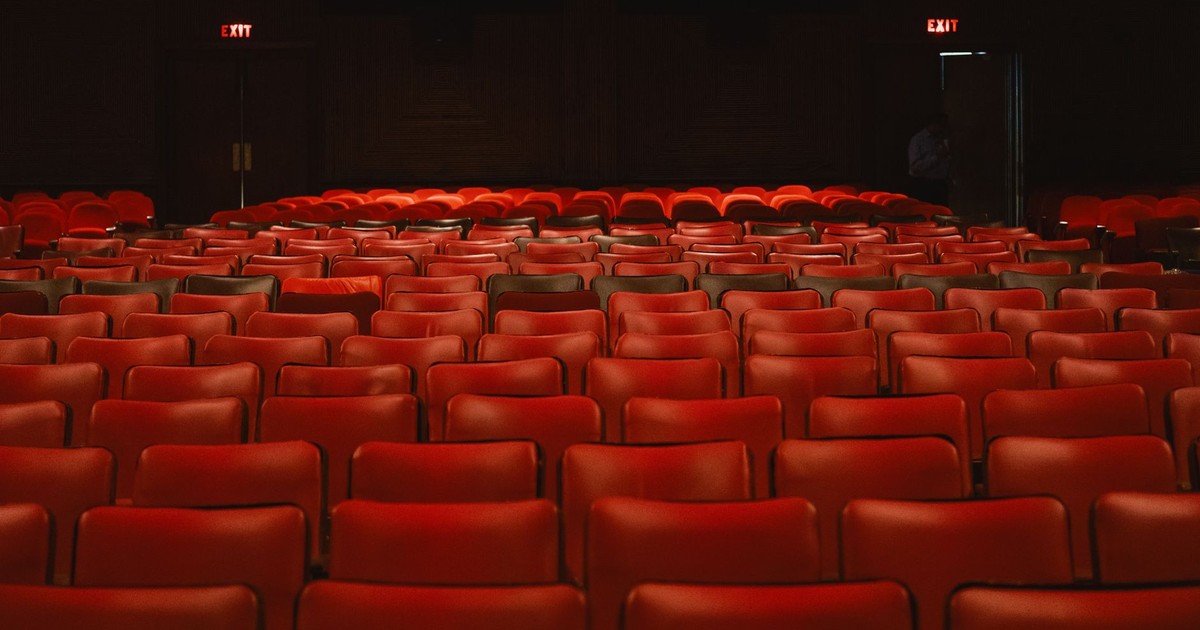
The drive-in peaked in the 1950s and 60s when there were more than 4,000 across the United States. Today, a few hundred remain – and the ones still operating have quietly become one of the most sought-after date night options for couples who want something different. The format hasn’t changed: you’re in your car, under the sky, with a film on a giant screen and snacks you brought from home.
What makes the drive-in work as a relationship date is structural. You’re physically close, in a private space, with a shared experience unfolding in front of you. For romantic partners, nonverbal connection – physical closeness, shared attention, and touch – is essential for establishing and maintaining feelings of closeness. A movie theater separates couples into individual seats in a public space. A car does the opposite.
The novelty element remains relevant too. Most couples in long-term relationships haven’t been to a drive-in together – and many haven’t been since childhood. That combination of shared memory, private space, and visual spectacle is exactly the kind of “exciting and unusual” activity that relationship researchers at Berkeley link to reduced boredom and higher satisfaction scores.
6. A Board Game Night

Before streaming services, before smartphones, and long before the era of competing for attention with notification badges, couples spent evenings playing card games and board games together. The format is experiencing a genuine revival – and the relationship case for it is more solid than it might look.
Vintage board games like Monopoly, Scrabble, and Chess foster stronger relationships through the healthy competitiveness, strategic thinking, and shared laughter they produce – and nostalgia-infused play remains a consistent way to create lasting memories. The low-stakes competitive dynamic is particularly useful: it creates natural emotional range across an evening – tension, humor, celebration, disappointment – without real consequences.
A 2025 OECD report on screen time and well-being found that individuals spending more than five hours daily on screens for personal purposes show markedly higher odds of poor well-being. An evening committed to an analog activity is one concrete way to break that pattern. Pick a game with a strategic element – Scrabble, Rummy, Catan, Chess – rather than pure luck, and the interaction stays richer and longer.
7. Stargazing

Stargazing requires almost nothing: a blanket, a location away from city lights, and time. The date has no natural endpoint, no bill to split, and no background noise pulling you out of conversation. A romantic evening stargazing at a place with little light pollution – a beach, a rural field, or a hilltop – creates a natural context for deep and thought-provoking conversations about life, goals, and desires.
The relationship dynamics that stargazing naturally encourages are exactly those that researchers link to long-term satisfaction. Full attention, physical closeness on a shared blanket, extended conversation without external interruptions, and a shared experience of something genuinely awe-inspiring. Meaningful quality time requires intimacy, intention, and effort from both partners – just being physically present in the same space doesn’t qualify. Stargazing by design forces both conditions: you can’t scroll while looking at the sky.
A free app like SkySafari or Stellarium lets you identify constellations in real time, which adds a layer of shared discovery to the experience. Bring a thermos, pick a spot an hour outside the city, and plan for at least two hours.
8. Writing Letters to Each Other

In an era when most couples’ communication happens through text messages, the handwritten letter is genuinely rare – which is exactly what makes it a powerful gesture. This old-fashioned date idea doesn’t require leaving the house. You sit across from each other, or in separate rooms, and write: what you love about the other person, a memory you want to preserve, something you’ve never said out loud.
Catering to a partner’s love language preferences – including the love language of quality time and undivided attention – increases both relationship and sexual satisfaction in couples. Words of affirmation operate on a similar principle: they make a partner feel seen in a specific and intentional way that a passing compliment doesn’t replicate. A letter takes time, which is itself the message.
The exchange is the date. Read each other’s letters aloud, or sit in comfortable silence and read them privately. Keep them. Couples who’ve done this regularly often report returning to those letters during difficult periods in their relationship – a tangible record of what they built together.
9. A Farmers Market Morning

The farmers’ market date has roots in the centuries-old tradition of couples going to market together. It’s tactile, unhurried, and full of small decisions made jointly – which stall to visit, which produce looks best, whether to try the sample at the honey booth. That rhythm of low-stakes shared decision-making is a quieter form of the collaborative dynamic that cooking research consistently links to stronger bonds.
Couples who regularly share responsibilities together report greater satisfaction in their relationships – the collaborative nature of working toward a shared goal fosters mutual respect and continued growth as a team. A farmers market morning that ends with cooking lunch together from what you bought doubles the effect: two connected, screen-free activities with a natural shared purpose.
The practical element is real as well. Cooking together at home helps couples live within their budget by reducing how much they spend eating out. A farmers market haul for two, followed by a home-cooked meal, typically costs a fraction of a restaurant dinner – while delivering more total time together and more varied interaction.
10. An Evening of Slow Dancing at Home

The last old-fashioned date idea on this list is also the simplest and the most deliberately intimate. Clear some floor space. Make a playlist of songs that mean something to both of you. Slow dance together, without an audience, without a reason, without trying to do it right.
Physical touch and nonverbal connection are essential for maintaining closeness in romantic relationships – for partners, these forms of connection establish and reinforce feelings of intimacy in ways that conversation alone doesn’t replicate. Slow dancing is one of the few activities that combines all three key contact points: sustained physical touch, eye contact, and synchronized movement, in a completely private setting.
The psychological mechanism behind this is well-documented: synchronized movement between partners increases feelings of affiliation and collective enjoyment and predicts lasting pro-social effects on how partners relate to each other. The music itself contributes independently. As noted earlier, researchers describe music as “the glue” that reinforces romantic bonds – and a carefully chosen playlist signals intentionality in a way that few gestures match.
This one costs nothing. It asks only for presence and willingness. Both of those are always available.
What to Do Now

In 2026, 14% of Americans report spending nothing on their dates, up from 12% the year before – a quiet signal that couples are already recalibrating. The ten old-fashioned date ideas above don’t require a financial sacrifice or a nostalgic attachment to a specific era. They require time and attention, which are the two things research most consistently shows partners actually want from each other.
Undivided attention strengthens emotional bonds, and most couples feel closer through purposeful togetherness rather than elaborate plans. Pick one idea from this list, put it on the calendar for this week, and leave both phones in a drawer for the duration. A walk, a picnic, a slow dance in the kitchen – none of these cost $189. All of them cost exactly what the research says matters most.
Disclaimer: This information is not intended to be a substitute for professional financial advice, investment advice, tax advice, or legal advice, and is provided for informational purposes only. Always seek the guidance of a qualified financial advisor, accountant, or other licensed professional regarding your personal financial situation or investment decisions. Do not make financial, investment, or tax decisions based solely on information presented here. Past performance is not indicative of future results, and all investments carry risk, including the potential loss of principal.
AI Disclaimer: This article was created with the assistance of AI tools and reviewed by a human editor.
Read More: Grandmothers Played a Crucial Role in Human Evolution
Trending Products

Red Light Therapy for Body, 660nm 8...

M PAIN MANAGEMENT TECHNOLOGIES Red ...

Red Light Therapy for Body, Infrare...

Red Light Therapy Infrared Light Th...

Handheld Red Light Therapy with Sta...

Red Light Therapy Lamp 10-in-1 with...

Red Light Therapy for Face and Body...

Red Light Therapy Belt for Body, In...

Red Light Therapy for Shoulder Pain...
