
Bed bugs have survived every synthetic insecticide wave thrown at them for decades, partly because they’re developing resistance faster than chemists can formulate new compounds. Control of bed bug infestations has long relied on synthetic insecticides, but frequent use has led to resistance in bed bug populations, driving growing demand for safer, greener tools. That pressure has pushed researchers toward plant-derived compounds – and some of what they’ve found is genuinely useful, even if the results don’t make the headlines that “miracle cure” stories do.
The most honest way to frame natural scents is this: certain plant compounds can temporarily mask the signals bed bugs use to locate humans, and may repel them from treated surfaces – but repellency and lethality are not the same thing. Understanding the difference matters because a bug that’s been chased out of your mattress has not been killed. Bed bugs driven away by strong odors often relocate to wall voids and adjacent rooms, spreading an infestation rather than ending it.
Still, natural scents that repel bed bugs have a real role in prevention and as part of a broader pest management strategy. Philadelphia ranked as the city with the worst bed bug problem for 2025, followed by Cincinnati, New York, Detroit, and Cleveland-Akron, according to Terminix service data. A survey of pest control professionals conducted by NPMA and the University of Florida found that over 82% of NPMA members treated for bed bugs in the last year. Most households have good reason to take prevention seriously. Here are 10 natural scents with the strongest evidence behind them, along with what each one actually does and how to use it.
1. Neem Oil
Neem oil stands apart from every other natural option on this list because it’s the only one with formal government recognition. According to the EPA, cold pressed neem oil is pressed directly from seeds of the neem tree and contains compounds with insecticidal properties; performance trials conducted at approved label rates show it controls bed bug adults, nymphs, and eggs. Most essential oils are sold as “natural repellents” with no regulatory backing, but neem oil has cleared the bar that chemical pesticides must meet.
The active compounds in neem – primarily azadirachtin – work partly through scent (the oil has a sharp, sulfurous odor that bed bugs avoid) and partly by disrupting their digestive and reproductive systems on contact.
In practice, use a cold-pressed neem oil product that carries an EPA registration number on the label. Dilute it according to label directions and apply it to mattress seams, bed frame joints, and baseboards. Reapply every 7 to 10 days, as the scent and efficacy fade with time.
2. Clove Oil (Eugenol)

Clove oil’s active compound is eugenol, a phenol that acts directly on the bed bug nervous system. A study published in Scientific Reports by Purdue University researchers found that carvacrol and thymol were the most active compounds in topical and fumigant bioassays, while spontaneous electrical activity measurements demonstrated neuroinhibitory effects of carvacrol, thymol, and eugenol on the bed bug nervous system. Eugenol is also one of only four natural compounds that researchers found caused bed bugs to actively avoid treated surfaces for up to 24 hours.
Plant essential oils that contain high concentrations of effective constituents include clove oil, whose dominant active compound is eugenol, according to a peer-reviewed study in PMC. That avoidance behavior is meaningful for prevention – coating the areas where bed bugs harbor or travel through makes those zones actively hostile to them. In both topical and fumigant bioassays, carvacrol and thymol were the most active compounds against bed bugs.
Mix 15 to 20 drops of pure clove essential oil with one cup of water in a spray bottle. Apply to baseboards, mattress seams, and bed frame crevices. Avoid applying undiluted clove oil directly to skin – eugenol is a skin irritant at high concentrations.
3. Thyme Oil (Thymol and Carvacrol)

Thyme oil contains two of the most studied natural bed bug compounds: thymol and carvacrol. Essential oils of oregano containing carvacrol and thymol repelled bed bugs for up to 24 hours in laboratory evaluations. A separate lab evaluation confirmed 100% repellency against bed bugs up to 24 hours with oregano essential oil – which, like thyme, is rich in both compounds.
Some oils contain thymol, carvacrol, and eugenol, which disrupt an insect’s nervous system – the reason researchers have tested them as natural options. Concentration is the limiting factor. The potency of bifenthrin, a pyrethroid insecticide, in topical bioassays was 72,000 times higher than carvacrol – meaning thyme oil is most useful as a repellent and deterrent rather than as an outright killer.
Red thyme oil specifically carries high concentrations of both carvacrol and thymol. Apply 10 to 15 drops in a water-based spray and treat the perimeter of your bed frame, behind headboards, and in closet seams where bed bugs hide between feedings.
4. Lemongrass Oil (Citronellic Acid)

Lemongrass contains citronellic acid – one of the four essential oil constituents that researchers identified as causing avoidance behavior in bed bugs. Plant essential oils that contain high concentrations of effective constituents include java citronella oil, which contains geraniol and citronellic acid. Lemongrass oil is the most accessible source of citronellic acid for home use, and it carries a clean, sharp citrus scent that many people find pleasant as a room fragrance.
Novel formulations of natural product insecticides that include geraniol, eugenol, carvacrol, or citronellic acid have potential to repel bed bugs, according to a peer-reviewed study in PMC. Lemongrass is sometimes used as an insect repellent, but the effect tends to be small and short-term when used alone.
For best results, combine lemongrass oil with a small amount of dish soap in water – the soap acts as an emulsifier that helps the oil stay suspended and reach surfaces more effectively. Spray in cracks, behind furniture, and along wall-floor junctions.
5. Tea Tree Oil

Tea tree oil is one of the most popular natural scents bed bugs encounter in treated homes, and it has more contact-killing ability than most essential oils. Tea tree oil has insecticidal properties and can kill bed bugs on contact in lab tests, though household concentrations are usually too weak to replicate those results. The active compound, terpinen-4-ol, breaks down the bed bug’s outer shell, disrupting the waxy cuticle layer that protects them from dehydration.
Most commercially available tea tree products sit at 5% to 10% concentration, while lab studies often use much higher doses. At lower concentrations, the scent still acts as a deterrent. Spray it on mattress seams, behind nightstands, and inside drawer channels – anywhere bugs travel.
One caution: tea tree can cause skin reactions in some people, and eucalyptus can be toxic if pets ingest it – so use all essential oil sprays in well-ventilated spaces and keep them away from animals.
6. Peppermint Oil

Peppermint’s repellent mechanism is more sensory than chemical. Peppermint oil’s strong scent overwhelms the chemical signals bed bugs use to locate humans, and its high menthol content can temporarily mask those signals when sprayed around beds, furniture, and baseboards. The effect is real but short-lived. Once the scent wears off – usually within a few hours – bed bugs come right back.
Peppermint oil contains menthol, which is toxic to bed bugs and can disrupt their bodily functions when they come into direct contact with it. For prevention, the combination of scent-based deterrence and mild contact toxicity makes peppermint a useful addition to a DIY spray. Of nine essential oil-based products commercially available for bed bug control, only EcoRaider and Bed Bug Patrol – which contains clove oil, 1% peppermint oil, and sodium lauryl sulfate – were reported to be effective as repellents against bed bugs, according to a study in PMC.
That finding points to something practical: peppermint works better in combination than alone. If you’re making a DIY spray, add it alongside clove or lemongrass rather than using it as a standalone solution. Reapply every two to three days for consistent coverage.
7. Lavender Oil

Lavender is the most widely used natural scent for bed bugs, and the research on it is mixed but not dismissive. While some evidence suggests lavender oil may repel bed bugs in lab environments, it doesn’t perform well when used alone in real-world infestations. Its repellent compounds are present in lower concentrations than in thyme or clove, which limits how far the effect carries over into real household conditions.
Lavender oil contains compounds known to have insecticidal properties, and in small-scale studies, it has shown a mild deterrent effect. Linalool – one of lavender’s dominant components – warrants separate attention here. Spontaneous electrical activity measurements of the bed bug nervous system demonstrated neuroinhibitory effects of carvacrol, thymol, and eugenol, whereas linalool produced an excitatory effect. In practical terms, while bed bugs avoided resting on filter papers treated with aged residues of geraniol, eugenol, citronellic acid, and carvacrol, aged linalool residues actually attracted aggregating bed bugs. Linalool-heavy lavender blends may repel initially, but once the scent ages, bugs may be drawn to those areas. Use fresh applications and reapply frequently.
For the best outcome, apply lavender oil to sachets placed in drawer seams and closets rather than spraying it directly on sleeping surfaces. It’s more effective as a perimeter deterrent than as a mattress treatment.
8. Citronella Oil

Citronella is best known for repelling mosquitoes, but its two primary compounds – citronellal and geraniol – are directly relevant to bed bug repellency. Citronella oil, made from the Asian grass plant, is already a popular mosquito repellent used globally, and some studies have shown it to be an acceptable fumigant against bed bugs. Fumigant use – diffusing the vapor into a room rather than spraying surfaces – tends to work better than direct spray application for volatile compounds like citronella.
Containing citronellal and geraniol, citronella masks human scents and repels bugs, though it cannot kill bed bugs outright – it works primarily to prevent them from infesting treated areas. That makes it most useful before an infestation takes hold. Diffusing citronella oil in bedrooms, particularly when traveling and sleeping in unfamiliar environments, creates a scent barrier that makes the space less appealing to bugs scouting new hosts.
If you’re using it as a surface spray, combine 15 drops with water and a teaspoon of witch hazel, and treat mattress borders and box spring seams every three to four days.
9. Eucalyptus Oil

Eucalyptus oil’s active compound is eucalyptol (also called 1,8-cineole), a monoterpene that interferes with insect sensory receptors. Eucalyptus oil shows some repellent properties against bed bugs, though results vary. The variation likely comes down to formulation and concentration – straight eucalyptus oil in water degrades fast, while more stable formulations maintain their effect for longer.
Tea tree oil, eucalyptus, lavender, citronella, lemongrass, and oregano all share the same general mechanism: their scents irritate bed bugs and deter them in open areas. Eucalyptus also has a secondary benefit – it’s a recognized insect repellent for multiple pest species. According to the EPA, biochemical pesticides are one of seven chemical classes registered for use against bed bugs, and lemon eucalyptus oil is among the botanical compounds recognized in insect repellent formulations. That recognition is primarily tied to mosquito repellency, but the chemistry overlaps with what makes eucalyptus a deterrent for other insects, including bed bugs.
Keep eucalyptus sprays away from cats and dogs. Even small ingested amounts can cause toxicity in pets. Apply it to non-fabric surfaces around the bed frame and in closets rather than directly on bedding.
10. Diatomaceous Earth
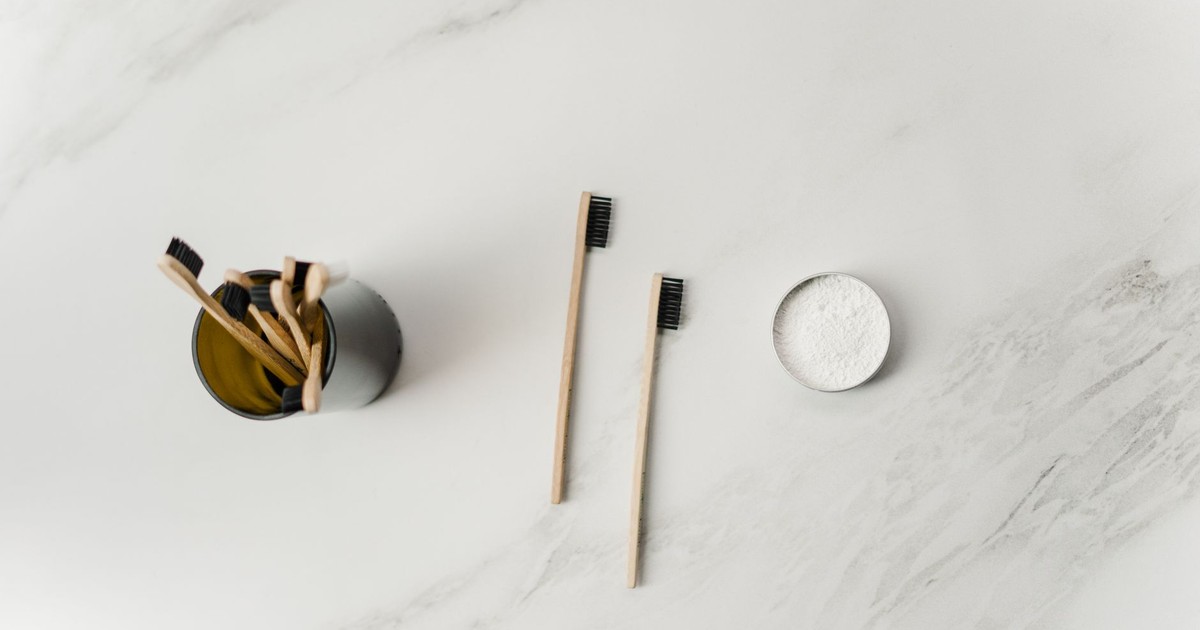
Diatomaceous earth (DE) works differently from every oil on this list – it doesn’t rely on scent at all. Instead, it’s a fine powder made from fossilized aquatic microorganisms (tiny ancient algae) whose microscopic sharp edges destroy the bed bug from the outside in. Plant essential oils and physical desiccants both target different vulnerabilities in bed bugs – DE damages the protective waxy layer of the bed bug cuticle through physical abrasion and sorption, causing water loss and death.
The reason it belongs on a list of natural bed bug deterrents is that bed bugs appear to sense it and avoid it – making it function as both a physical killer and a behavioral deterrent. Silica gel, a closely related product, shows even stronger results. A study published in the Journal of Economic Entomology found that Cimexa, a silica-gel-based product, killed 97% of bed bugs within 24 hours at high exposure. Food-grade DE is safe around humans and pets, though avoid inhaling the fine dust during application.
Apply a thin, barely visible layer along baseboards, inside wall outlets (with the power off), under bed legs, and along mattress seams. Thick piles actually deter bugs from walking through it – the goal is a thin coating they contact unknowingly. Reapply after vacuuming or if the area gets wet. For people exploring natural ways to reduce chemical exposure at home, DE is one of the most versatile and well-studied tools available.
Read More: Signs You Have Bed Bugs and What to Do Next
What to Do With This Information

Essential oils are best used as part of a broader cleaning and prevention routine, not as replacements for professional treatment when an infestation is already established. The natural scents covered here work best when applied consistently, combined together, and layered with physical prevention measures like mattress encasements, regular vacuuming, and heat-drying of bedding at 130°F or higher.
Treat natural scents as a first line of defense and an ongoing deterrent, not a one-time fix. Laboratory studies show some essential oil compounds can trigger temporary avoidance behavior in bed bugs, but once the scent fades, bed bugs return to following heat, CO2, and human odor to locate their hosts. Frequent reapplication – every two to three days for oils, and after each vacuuming session for diatomaceous earth – is what separates an effective natural strategy from one that merely smells good. Bed bugs are present in all 50 U.S. states, and they can survive for months without feeding, meaning any prevention routine needs to be consistent, not occasional. If bites persist despite natural measures, skip the escalating DIY experiments and call a professional – neem oil and heat treatment together are among the most evidence-backed options before reaching for stronger chemicals.
Disclaimer: This information is not intended to be a substitute for professional medical advice, diagnosis, or treatment and is for information only. Always seek the advice of your physician or another qualified health provider with any questions about your medical condition and/or current medication. Do not disregard professional medical advice or delay seeking advice or treatment because of something you have read here.
AI Disclaimer: This article was created with the assistance of AI tools and reviewed by a human editor.
Read More: 7 Scents That Ants Absolutely Hate (And Actually Work)
Trending Products

Red Light Therapy for Body, 660nm 8...

M PAIN MANAGEMENT TECHNOLOGIES Red ...

Red Light Therapy for Body, Infrare...

Red Light Therapy Infrared Light Th...

Handheld Red Light Therapy with Sta...

Red Light Therapy Lamp 10-in-1 with...

Red Light Therapy for Face and Body...

Red Light Therapy Belt for Body, In...

Red Light Therapy for Shoulder Pain...
