
When news broke of Maduro’s capture in early January 2026, it spread quickly. The United States military confirmed it had taken Venezuelan President Nicolás Maduro into custody during a surprise operation in Caracas. The story was already huge, but then Volodymyr Zelenskyy reacted with a short comment that cut through the noise.
Instead of focusing on Venezuela alone, Zelenskyy’s words pushed the conversation outward. His reaction hinted at bigger questions about power, accountability, and who actually gets held responsible. Within hours, clips of his remarks spread across platforms. Supporters praised the blunt honesty, but critics warned it crossed diplomatic lines. Either way, the capture of Maduro stopped being a regional event and turned into a global debate.
What Zelenskyy Said and Why It Struck a Nerve
Zelenskyy did not deliver a long speech to get his point across. Speaking shortly after the announcement, he said that if the United States could capture one authoritarian leader, then the world already knows what to do next. He never said a name in that moment. Still, most people understood the reference immediately. Many connected it to Russian President Vladimir Putin and the ongoing war in Ukraine.
The phrasing was sharp but calm. Zelenskyy sounded less like a politician creating conflict and more like someone stating an obvious truth. Online users clipped the comment and shared it thousands of times. Some captions called it brave, while others called it reckless.
What stood out was the timing. The capture of Maduro had just been confirmed, and emotions were already high. Zelenskyy stepped into that moment and framed the event not as a once-off operation, but as proof of what powerful nations can do when they decide to act.
For many Ukrainians, the message felt validating. For others watching from abroad, it raised uncomfortable questions. If one leader could be seized, why not another? And who decides?
Venezuela’s Long Crisis Did Not Begin Overnight
To understand why the United States intervened, it helps to look back. Venezuela’s crisis did not appear suddenly. It built up slowly over decades.
Once one of South America’s wealthiest nations, Venezuela relied heavily on oil exports. Over time, poor management and corruption weakened that foundation. When oil prices fell, the economy collapsed, and inflation soared. Food and medicine became scarce, and millions of people fled the country in search of stability.
Under Maduro’s leadership, conditions worsened. International observers raised concerns about elections, calling them unfair and tightly controlled, while the government rejected those claims. Meanwhile, protests inside the country were often met with force. Trust between the state and citizens eroded further each year.
The United States accused Maduro and senior officials of deep involvement in drug trafficking. Prosecutors claimed that Venezuelan leaders worked with criminal networks to move cocaine into North America. Washington also labeled the Cartel of the Suns, an alleged network tied to military leaders, as a terrorist organization. These accusations formed the legal backbone for later action.
By late 2025, U.S. officials signaled that patience was running out. Then came the operation. On January 3, 2026, American forces moved into Caracas, struck military targets, and took Maduro into custody.
The Americas React With Division and Unease
Reactions across the Americas split quickly. Some governments welcomed the news. Argentina’s leadership said Venezuela now had a chance to rebuild its democratic institutions. Opposition groups in exile celebrated openly. For them, it felt like long-delayed justice.
Others reacted with alarm. Brazil and Mexico condemned the operation, warning that it set a dangerous precedent. They argued that no country should decide another nation’s leadership through force. Colombia, sharing a long border with Venezuela, took a cautious approach. Officials increased border security and prepared for possible refugee movement.
Inside Venezuela, officials loyal to Maduro declared national mourning. Vice President Delcy Rodríguez accused the United States of committing an act of war. She demanded his immediate return and called on international bodies to intervene.
In the United States, political leaders also disagreed. Some lawmakers praised the operation as decisive. Others worried it would drag the country into another prolonged conflict. The debate played out across cable news and online platforms, mirroring the broader global divide.
Global Diplomacy Shifts Into Cautious Mode
At the United Nations, Secretary General António Guterres expressed concern about stability and legality. He urged restraint and dialogue, warning that unilateral actions could weaken international norms.
Russia responded with fury. Officials condemned the operation and accused the U.S. of kidnapping a head of state. Moscow also used Zelenskyy’s comment to support its claim that Western leaders favor regime change. China echoed concerns about sovereignty, though its tone stayed more reserved.
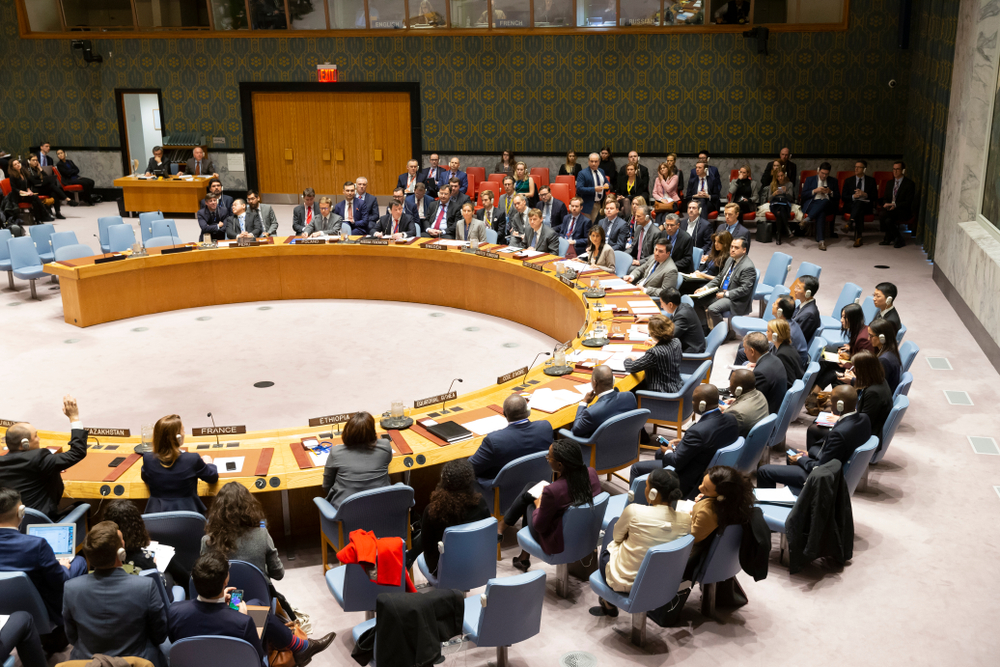
European governments tried to balance principles with pragmatism. Few openly supported the operation. Most emphasized international law and the need for multilateral solutions. Their statements avoided praise but stopped short of direct condemnation.
Through all of this, Zelenskyy’s comment continued circulating. In many discussions, it became the quote that framed the story.
Social platforms amplified everything. Short videos of Zelenskyy’s remark spread alongside footage of the Caracas operation. Some users treated the capture of Maduro as a turning point in global politics. Others warned it could normalize dangerous behavior by powerful states.
What made the moment was simplicity. Zelenskyy didn’t overexplain and rather left space for interpretation. That space filled quickly with opinion, anger, support, and fear.
Why Zelenskyy’s Reaction Landed So Strongly
For nearly four years, Ukraine has been fighting a full-scale invasion by Russia. Zelenskyy has spent much of that time asking allies for stronger action, not just words. When the arrest of Maduro took place, it looked to many Ukrainians like proof that decisive moves are still possible. Zelenskyy’s reaction reflected that frustration and that hope.
Instead of issuing a formal diplomatic statement, he spoke in a way that felt direct and personal. It sounded less like a press release and more like a conversation. That tone made people listen. It also made some diplomats uncomfortable.
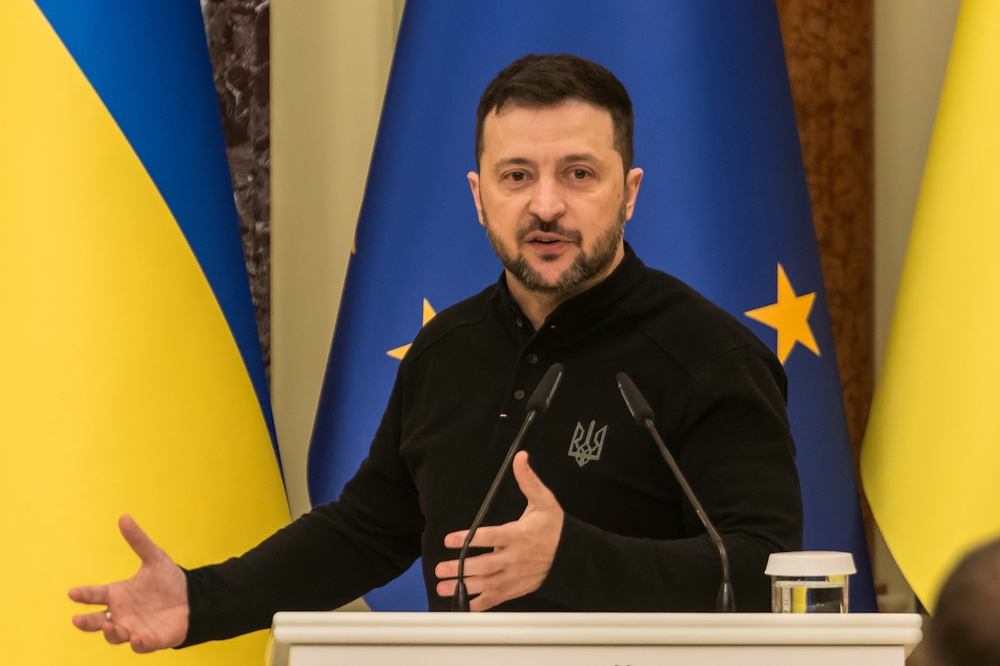
From a strategic view, Zelenskyy reminded the world that international rules often depend on political will. If a leader accused of crimes can be seized, then the idea of immunity starts to look weaker.
Many people feel global systems protect the powerful too often. Zelenskyy tapped into that feeling, even if briefly, and it resonated far beyond Ukraine.
International Law Experts Weigh In Quietly
Experts in international law pointed out that the capture of Maduro sits in a gray area. The United States framed it as a law enforcement action based on existing indictments. However, critics noted that international law usually protects sitting heads of state from foreign arrest.
Some legal analysts compared the situation to past cases like Manuel Noriega or Slobodan Milošević. In those examples, timing and context mattered. Noriega was removed during a U.S. invasion. Milošević was transferred after an internal political change. Maduro’s case looked different.
That difference is what made Zelenskyy’s comment so sensitive. If powerful nations start acting unilaterally, then weaker states may feel exposed. Several legal experts warned that normalizing such actions could weaken the very systems meant to prevent chaos.
At the same time, others argued that immunity should not shield leaders accused of serious crimes. They said international law must evolve. Quietly, many agreed that the world has struggled to balance justice with stability for decades.
How This Affects Ukraine’s Diplomacy
Ukraine depends heavily on international support. Every statement from its leadership is watched closely. Some allies worried that his comment might complicate messaging. The United States, in particular, avoided echoing his framing. Officials stressed that the operation in Venezuela should not be seen as a template.
Despite that caution, Zelenskyy did not backtrack. He clarified later that he supports international law, while also insisting that dictators should not feel untouchable. That balance reflects Ukraine’s position overall.
For countries in the Global South, the Maduro capture and Zelenskyy’s response created mixed feelings. Some sympathize with Ukraine’s struggle, while others fear selective enforcement of rules. Ukrainian diplomats now face harder conversations in regions already skeptical of Western power.
Still, Zelenskyy’s popularity among many citizens worldwide remains strong. His ability to speak plainly continues to set him apart. Even when controversial, his words often feel grounded in lived experience.
What This Signals for Global Power
As the dust settles, the capture of Maduro continues to raise difficult questions. Not just about Venezuela, but about how the world handles power going forward.
For years, many governments have relied on sanctions, statements, and diplomatic pressure. Those tools move slowly, and sometimes they fail. The U.S. decision to act directly broke from that pattern. Whether people agree with it or not, it showed a different approach, one that favors action over patience.
Zelenskyy’s reaction highlighted that shift. He didn’t argue the legal details. He focused on the reality that some leaders feel protected simply by staying in office. His words suggested that protection may not be as solid as it once seemed.
That idea feels unsettling for many countries, especially smaller ones. If rules change based on power, trust erodes fast. At the same time, others argue that allowing alleged crimes to go unanswered also damages trust. The world, once again, finds itself stuck between two uncomfortable choices.
What makes this moment different is visibility. Social media turned a diplomatic incident into a public conversation. People far from Caracas or Kyiv now debate international law in comment sections. That visibility makes it harder for leaders to quietly move on.
Venezuela’s Uncertain Road Ahead
Supporters of Maduro say his removal leaves a dangerous vacuum. Opposition groups argue it opens a door that has been locked for years. Ordinary citizens, many exhausted by instability, wait to see whether daily life improves or worsens.
The arrest of their President does not automatically fix Venezuela’s deep economic and social problems. Oil production remains weak. Infrastructure is damaged. Millions still live abroad. Rebuilding trust and institutions will take time, regardless of who leads next.
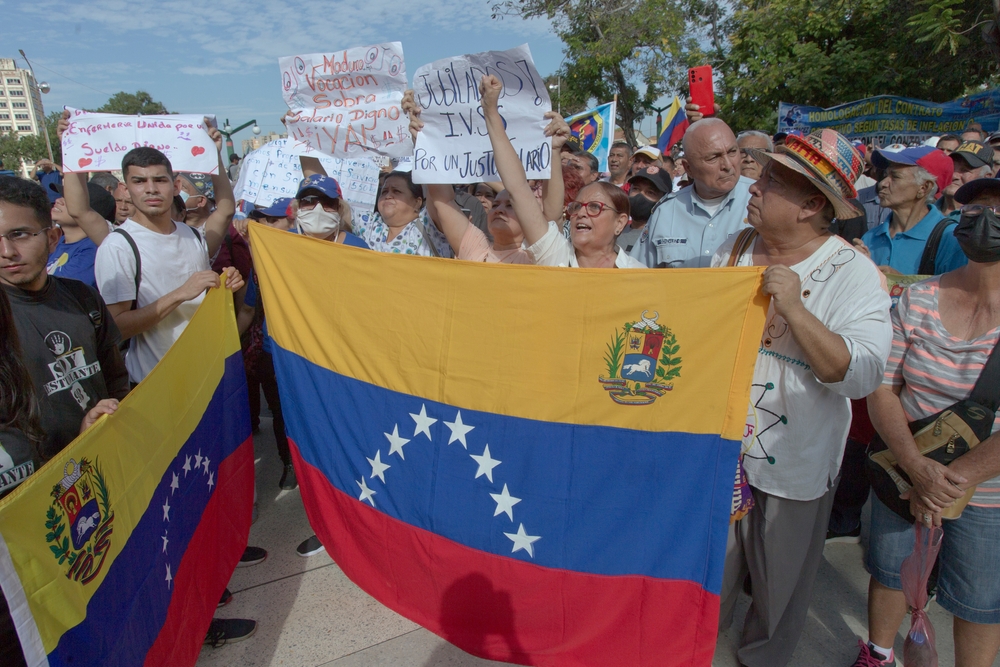
International actors now face a choice. They can either help stabilize the transition or retreat into arguments over legality. Most analysts agree that neglect would be the worst option as Venezuela’s crisis has already spilled across borders. Ignoring it again risks further regional strain.
For the United States, involvement may not end with the operation. Court proceedings, diplomatic fallout, and humanitarian concerns still lie ahead. Each step will shape how this intervention is judged in history.
Read More: Inside Trump’s Most Debated Executive Orders of 2025
Zelenskyy’s Words Continue to Echo
Long after headlines fade, Zelenskyy’s comment is likely to be remembered. He took a breaking news moment and linked it to a broader truth about power. That link forced people to think beyond Venezuela. It connected struggles that often feel separate.
Some leaders will dismiss his words as reckless, and others will quietly agree but say nothing. Either way, the comment has already done its work. It exposed a tension the global system has tried to manage for decades.
Closing Thoughts
The capture of Nicolás Maduro was never going to stay a local event. It hit nerves tied to sovereignty, justice, and power. Zelenskyy’s sharp reaction ensured those nerves were exposed for the world to see.
His words did not create the controversy, but they clarified it. They reflected frustration with slow systems and selective accountability. They also highlighted fears about where unchecked power might lead.
In the end, this moment says as much about the world as it does about any one leader. The debate shows a global order still searching for balance. That search continues, and the answers remain unsettled.
A.I. Disclaimer: This article was created with AI assistance and edited by a human for accuracy and clarity.
Read More: Trump Announces New ‘Trump-Class’ Battleships to Anchor Expanded U.S. Naval Fleet
Trending Products

Red Light Therapy for Body, 660nm 8...

M PAIN MANAGEMENT TECHNOLOGIES Red ...

Red Light Therapy for Body, Infrare...

Red Light Therapy Infrared Light Th...

Handheld Red Light Therapy with Sta...

Red Light Therapy Lamp 10-in-1 with...

Red Light Therapy for Face and Body...

Red Light Therapy Belt for Body, In...

Red Light Therapy for Shoulder Pain...
