We scroll through real estate listings for places we can’t afford, pin rooms we’ll never own, and imagine waking up in houses that exist only in our fantasies. There’s something telling about your true personality in which ones you return to again and again.
The home you dream about isn’t really about aesthetics or square footage. It’s about the life you imagine inside it and the person you become when you walk through the door. Some people want sweeping views and clean surfaces, while others want creaky floors and rooms that feel like they’ve been lived in before, and neither is wrong, but they’re not the same thing.
Psychologists who study why we prefer certain spaces have found that our choices reflect emotional needs, values, and sometimes parts of ourselves we haven’t fully acknowledged. The home we fantasize about can say as much about what we’re running toward as what we’re running from.
If you had to choose one home to live in for the rest of your life, which would it be? Not the smartest investment or the most practical choice, but the one that pulls at something in you. The one that feels like yours before you’ve even stepped inside. Your answer might tell you more than you expect.
Before You Choose
The rules are simple. You’re choosing one home and staying there forever with no upgrades, no renovations, and no moving when you get restless, or your life changes shape.
Don’t think about resale value or school districts or what would impress people at dinner parties. You’ll want to weigh pros and cons and consider climate and maintenance and whether you’d actually enjoy hauling groceries up those stairs every day, but resist that. The interesting answer isn’t the logical one. It’s the one that flashes in your mind before your brain starts editing.
Pay attention to what you feel when you see yourself in each space. Notice whether you feel calm, energized, or safe, and be honest about it. There’s no prize for picking the humble option if you secretly want the grand one.
The 1920s Brownstone
The brownstone emerged in American cities during the late 1800s and early 1900s when the middle class wanted homes that felt substantial without sprawling into the countryside. These row houses, built from brown sandstone and pressed together on tree-lined streets, let families live close to work and close to each other while still having a front stoop to call their own. They were never about grandeur. They were about belonging somewhere.
If this is your choice, you want history but not isolation. You want roots that connect you to something larger than yourself. A sense that the walls around you have held other lives and other stories. Outside your window, you can hear the city, but once you close the door, you’re in your own world, and you need that balance. You probably appreciate craftsmanship too, the kind of molding and millwork that nobody bothers with anymore.
Sam Gosling, a psychologist at the University of Texas at Austin, studies how personality shows up in physical spaces and found that “openness to experience“ was the trait most clearly expressed through the environments people create. The brownstone offers that quality in architectural form. It’s a space with history you didn’t live through but get to interpret.
A strong pull toward the past can sometimes mean resistance to the present. If you chose this home instantly, it might be worth asking whether you’re seeking roots or avoiding change. The brownstone person wants to belong to something that lasts. So the question becomes whether you’re building that thing or hiding inside it.
The Mid-Century Modern
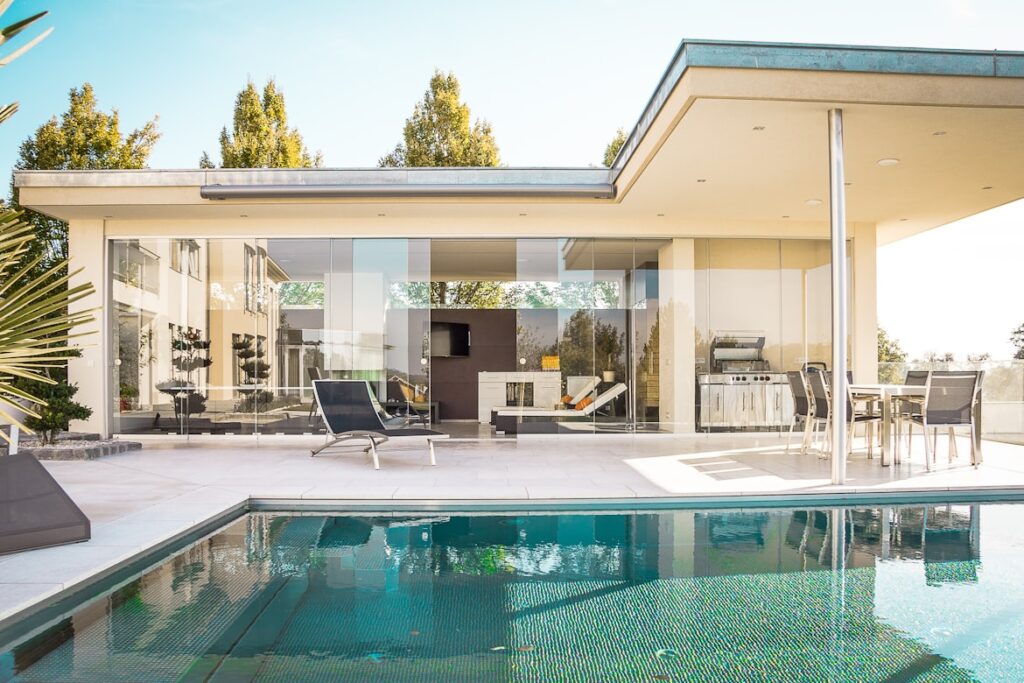
After World War II, a generation of architects decided that homes should stop pretending to be castles. The mid-century modern movement grew out of post-war optimism and a belief that good design should be available to everyone. Designers like Charles and Ray Eames built furniture that was beautiful and mass-produced, while architects opened up floor plans and let the outside in through walls of glass. The whole ethos was about looking forward, trusting technology, and stripping away everything that didn’t serve a purpose.
This style attracts people who believe clarity is a kind of calm. If you don’t want clutter, visual or emotional, and you want to know where things are and why they’re there. You probably bring that same philosophy to other areas of your life. You believe that less done well beats more done carelessly. You’re more likely to donate the family heirloom that doesn’t fit your space than keep it out of guilt, and this isn’t coldness. It’s a different kind of priority.
Environmental psychology research reviewed by EBSCO found that people with a strong internal locus of control, those who believe they determine their own outcomes rather than being pushed around by fate, gravitate toward ordered and intentional styles. The mid-century ethos fits that psychology.
The mid-century aesthetic works when everything stays in its place, but life rarely cooperates. A need for clean lines can sometimes become a need for clean emotions, and that’s a harder project to manage. The person who chooses this home wants a life that makes sense when you look at it. So it’s worth making sure you’re not mistaking order for peace.
The Victorian
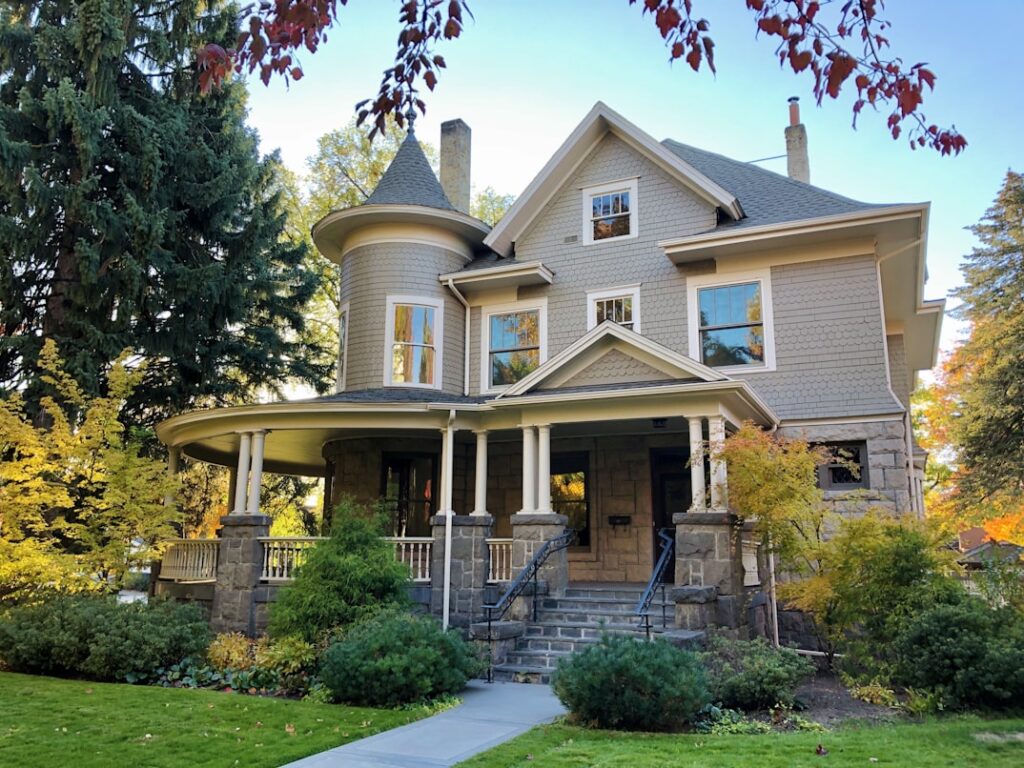
The Victorian era spanned from 1837 to 1901 and coincided with the Industrial Revolution, when ornate details that once required expensive handcraftsmanship could suddenly be mass-produced. Middle-class families who’d never owned a cornice or a carved banister could now afford homes dripping with decorative trim. The style became a way to display prosperity. To show visitors that you valued beauty enough to surround yourself with it. Every turret and gable and stained-glass window said something about who lived inside.
If this is your choice, you’re not afraid of layers. While others crave simplicity, you find richness in detail, in rooms that have corners and nooks and secrets. The Victorian home is not efficient, and you don’t care because you’d rather have character than convenience. The aesthetic is theatrical in a way that appeals to people who see life as something to be experienced fully rather than optimized, and you probably don’t mind a bit of drama either. You likely have a rich inner world and enjoy texture for its own sake.
Loving depth sometimes means creating it where none needs to exist. If you feel most comfortable when things stay slightly complicated, you might unconsciously manufacture that complication whenever life gets too simple. If you gravitate toward the Victorian, ask yourself whether you’re chasing richness or feeding an addiction to difficulty.
The Minimalist New-Build
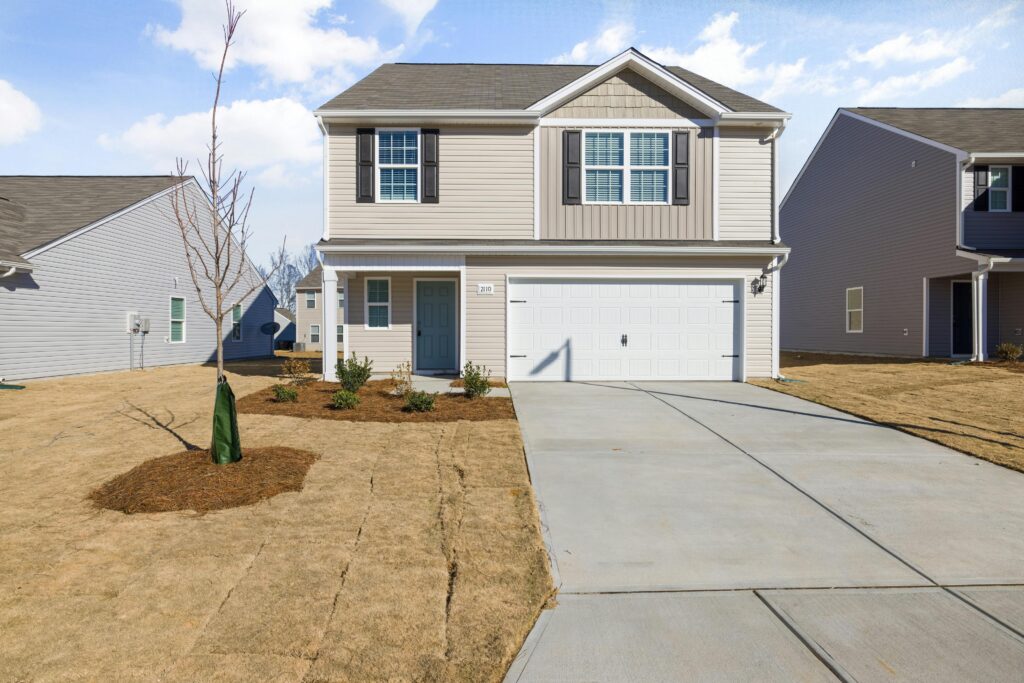
Minimalism as a design philosophy has roots in Japanese aesthetics and the German Bauhaus movement of the 1920s. But the version we live with today took hold in the late 20th century as a reaction to excess. By the time Marie Kondo, the Japanese organizing consultant whose decluttering method went global, arrived asking whether our possessions sparked joy, an entire generation was already dreaming of white walls and empty surfaces. The contemporary new-build turns that dream into a floor plan. No inherited style, no previous owner’s taste to work around, no history at all. Just clean potential.
This appeals to people who value possibility over nostalgia. You want to start fresh and build exactly what you envision, and you’d rather have a space that’s entirely yours than one with more character but also more compromise. People who choose the new-build often have a strong sense of self and know what they want without needing history or tradition to validate it.
But a strong pull toward newness and blankness can sometimes indicate discomfort with the weight of the past, your own included. If you choose this home immediately, consider whether you’re drawn to the possibility or fleeing from baggage. Fresh starts are wonderful, but if you keep needing them, it might be worth asking what you’re trying to leave behind. The new-build person wants freedom from the constraints of what already exists. So just make sure you’re running toward something and not only away.
The Converted Warehouse
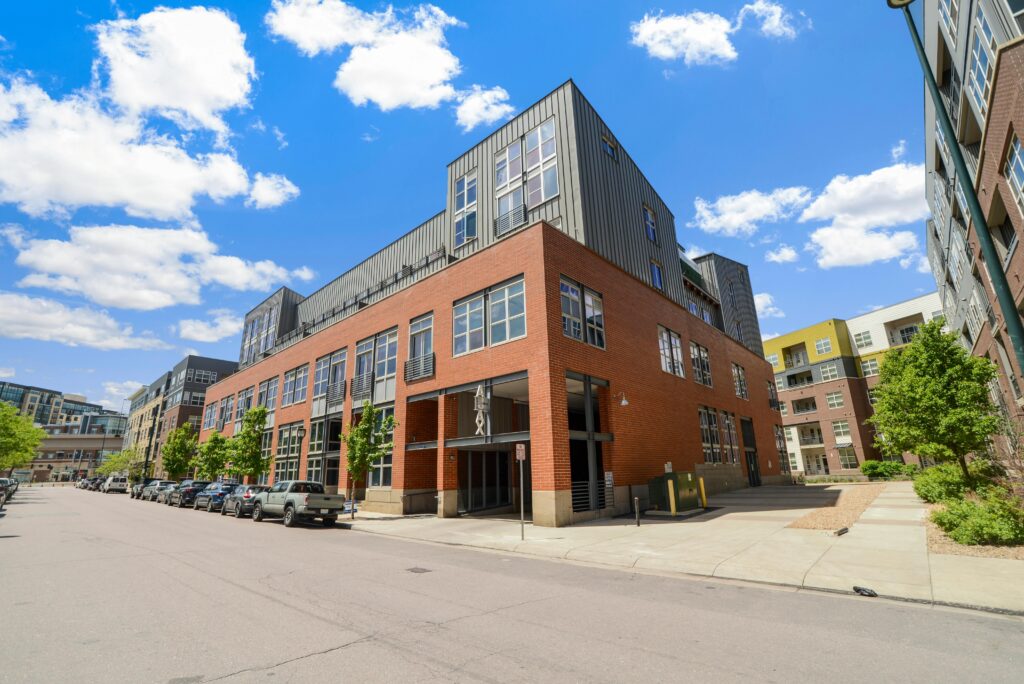
In the 1960s and 1970s, artists in cities like New York started moving into abandoned manufacturing spaces because they were cheap and nobody else wanted them. SoHo’s cast-iron buildings, once home to textile factories and printing presses, became studios and eventually homes. The artists didn’t mind exposed pipes or concrete floors because they needed room to work and couldn’t afford anything else. Over time, what began as a necessity became desirable, and developers caught on. Prices climbed, and the industrial loft became a status symbol for people who wanted to signal creativity even if they worked in finance.
The converted warehouse appeals to people who see potential where others see problems. You like raw materials more than finished products, and you’re not interested in living in someone else’s vision of what a home should look like. High ceilings and exposed brick aren’t just aesthetic preferences. They’re room to breathe. You might have a career that doesn’t fit neatly into a job title or relationships that don’t follow traditional scripts. The warehouse is a space that refuses to tell you what it’s for, and that ambiguity feels like freedom rather than confusion.
People who love potential sometimes struggle with completion, though. The warehouse is always becoming something, and there’s a version of that which means it never quite arrives. If you chose this home, ask yourself how you feel about finishing things. The thrill of possibility can become an avoidance of reality if you never let the transformation end.
The Farmhouse
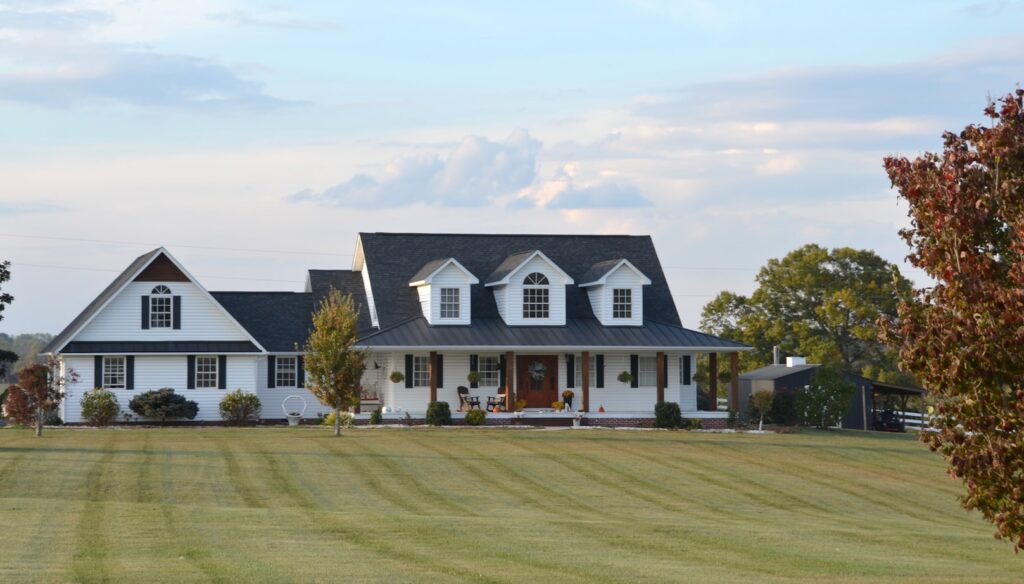
The farmhouse was never designed to be fashionable. For centuries, it was simply what people built when they needed shelter on working land, with wide porches for sitting after long days and large kitchens for feeding families and hired hands. The style varied by region and available materials, but the underlying logic was always the same. The modern farmhouse trend, with its shiplap walls and apron sinks, has polished some of these edges, but the core appeal remains. This is a home built for living, not impressing.
The farmhouse appeals to people who feel crowded by modern life and crave the kind of quiet that cities can’t provide. You don’t want neighbors close enough to hear. You want a horizon. Slower mornings and hands-on work fill your fantasies, along with sitting on a porch watching nothing in particular happen. You’re tired of performance and don’t want to impress anyone. You want to live in a way that feels true.
A longing for simplicity can sometimes mask a longing to check out entirely, though. Rural solitude is beautiful when it’s chosen for its own sake, but it can also become a hiding place for people who don’t want to deal with the world outside. If you choose this home, consider whether you’re seeking peace or avoiding difficulty. Make sure you’re building a sanctuary and not a bunker.
Read More: Who’s the Biggest Fool? Your Choice Reveals a Lot About Your Personality
What Your Choice Really Tells You
There’s no wrong answer here, but there is an honest one. The home you chose, especially if you chose it quickly, tells you something about your desires and personality right now because the fantasy points to the hunger.
The more interesting question isn’t which home you picked, though. It’s why you didn’t pick the others. The home you rejected fastest might tell you as much as the one you chose, so consider what it represented that made you recoil.
Our dream homes often reflect not who we are but who we wish we were. The person who chose the minimalist new-build might secretly long for the texture of the Victorian but has decided that longing is impractical. The person who chose the farmhouse might crave the creative chaos of the warehouse but feel they’ve outgrown that phase.
If one of these descriptions made you defensive, that’s information. If one made you feel seen in a way that was slightly uncomfortable, that’s information too. The home you’d choose to live in forever is a mirror, and what it shows you depends entirely on how willing you are to look.
Read More: Always Early? Here’s What It Reveals About Your Personality, According to Psychology
Trending Products

Red Light Therapy for Body, 660nm 8...

M PAIN MANAGEMENT TECHNOLOGIES Red ...

Red Light Therapy for Body, Infrare...

Red Light Therapy Infrared Light Th...

Handheld Red Light Therapy with Sta...

Red Light Therapy Lamp 10-in-1 with...

Red Light Therapy for Face and Body...

Red Light Therapy Belt for Body, In...

Red Light Therapy for Shoulder Pain...
