
A morning TV sofa usually serves up the same Remembrance script, then the programme rolls on to the next segment. However, on Good Morning Britain in early November 2025, that routine came to an abrupt halt. Alec Penstone, a 100-year-old Royal Navy WWII veteran, was invited to reflect on Remembrance Sunday. Yet, he did not offer a polished tribute designed to sit neatly between the headlines and the weather. Instead, he spoke with the plain force of someone who has carried wartime images for a lifetime, and the studio shifted with him. His answer did not chase approval. It sounded like a private reckoning said in public, with no room for performative comfort.
Within hours, the clip travelled far beyond Britain. American commentators replayed it as proof of national decline, while UK viewers argued over his intent and accused others of using him for politics. Yet the centre of the moment stayed human. An elderly man weighed the loss of friends against the country he sees now, and he did it without theatrics. Presenter Kate Garraway responded with empathy and responsibility, pointing toward what the living still owe. That exchange turned a brief interview into a wider question about remembrance, freedom, and whether modern Britain is keeping faith with the people it once sent to war.
The Quote That Landed
Penstone did not start with politics or slogans. He started with loss and memory, because he still carries faces. On air, he described a scene that many veterans know too well. “My message is, I can see in my mind’s eye those rows and rows of white stones,” he said. He called them “all the hundreds of my friends who gave their lives.” Then he asked the question that landed like a weight, “For what?” He did not pause to soften the conclusion. “The country of today? No, I’m sorry,” he continued. “The sacrifice wasn’t worth the result of what it is now.”
The studio reacted like a room at a funeral. Garraway did not argue with him, because that would have looked cruel. She thanked him and tried to hand him a small piece of hope. The Evening Standard reported her response, saying it was “up to this generation” to protect the future. That exchange gave the clip a second layer. It became a clash between grief and duty, played out live. Viewers then turned the clip into a symbol for causes that Penstone did not name. Yet his words stayed narrow and concrete. He spoke about friends, headstones, and a Britain he no longer recognises.
The Man Behind the Clip
Image Credit: CBN News YouTube
It helps to know who Penstone was before the cameras found him. The Royal British Legion says he was 15 in 1939 and working in a factory. As the Blitz began, he volunteered as an Air Raid Precautions messenger. He later described what that work involved, in blunt language. “The moments at 15 years of age, pulling bodies out of bombed buildings, you grow up very quickly,” he said. Those are not abstract memories. They are physical memories, built from weight and smell.
The Legion also records why he joined up. “My mates are all going up, joining up,” he said, and he decided he would not stay behind. He joined the Royal Navy and trained for specialist work. He recalled choosing submarine detection because it paid “nine pence more.” That detail matters for a different reason. It shows a teenager making adult decisions, while danger sat near London. Later, his service included work linked to the D-Day period, which many reports also mention. When he speaks now, he speaks as someone who earned the right. He did not borrow outrage from the internet. He built it across decades, then delivered it in one sentence.
What Remembrance Holds
Remembrance Sunday carries a public script, even for people with private pain. The Royal British Legion describes it as “a national opportunity to remember the service and sacrifice” of those who defended freedoms. That language aims for unity, because remembrance needs shared ground. Yet remembrance also depends on individuals, and individuals bring different burdens. Penstone’s burden surfaced when the host asked a simple question. He responded like a man walking through a war cemetery, not a man giving a speech.
The Commonwealth War Graves Commission explains why those cemeteries look the way they do. “Each headstone will be inscribed with the details of the individual,” it says, including name and service information. The design creates equality in death, yet it also insists on identity. Penstone’s “white stones” image sits inside that tradition. His words also arrived during a year dense with Second World War memory. In a Remembrance Sunday message, the UK government quoted the King saying, “Today, we remember them, in grief and in gratitude.” The statement added that their legacy lives on “in the freedom we enjoy today.” Penstone’s clip challenged that confident line, because he doubts the freedom part.
Why It Blew Up in 2025
A single TV exchange rarely travels this far on its own. It travels when it meets an existing mood. In late 2025, that mood included anxiety about division and decline. A major study by the Policy Institute at King’s College London and Ipsos captured that shift. Professor Bobby Duffy said, “This latest study shows a frightening increase in the sense of national division and decline in the UK.” The study reported that half now say UK culture is changing too fast. It also reported pride falling from 56% to 46% over 5 years. The survey base was 4,027 UK adults in late August 2025.
Penstone’s line landed inside that atmosphere, so it became a shortcut. People shared it to signal anger, sorrow, or exhaustion. Others shared it to warn against pessimism. The clip worked because it did not sound rehearsed. It sounded like an old man speaking without armour. News reports repeated the key quotes because those quotes carried emotion and judgment together. The Independent highlighted the shock in the studio and the force of his disappointment. The Evening Standard also placed his words beside the culture-war polling, which made the moment seem like evidence. Yet the clip is not a data point. It is testimony from a WWII veteran, shaped by memory, then amplified by social media logic.
Freedom and the Limits
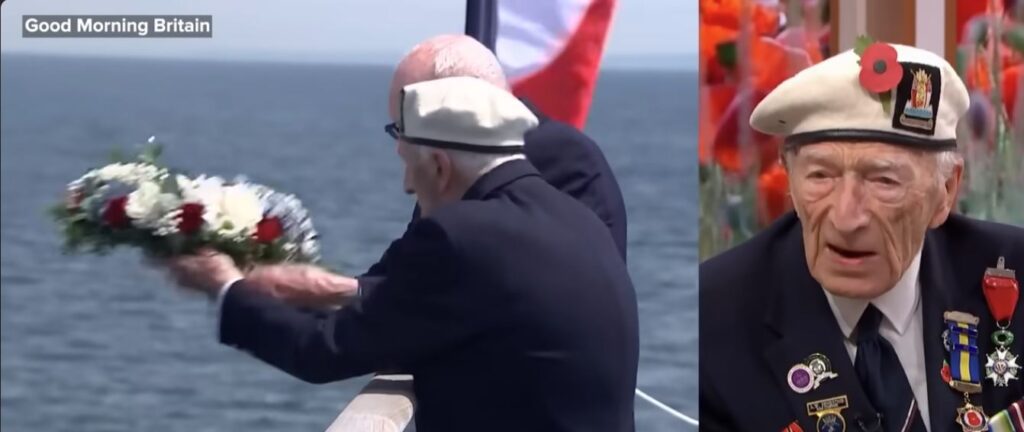
Image Credit: CBN News YouTube
Penstone linked the war to one word, freedom, and that word triggers modern arguments. In the UK, protest rights exist, yet the law also sets limits. The House of Commons Library notes that expression and assembly are protected, “However, these rights are not absolute.” It explains that the state can restrict protests to protect others or maintain public order. Those lines describe the legal framework behind many current disputes. They also explain why “freedom” is never a simple claim.
One recent flashpoint involves “safe access zones” around abortion clinics in England and Wales. Reuters reported that buffer zones began on October 31, 2024. It said “Prayer, including silent prayers, and vigils could also be considered a criminal offence” within the zone. Reuters also quoted safeguarding minister Jess Phillips calling harassment outside clinics “sickening.” The Home Office has its own guidance language, describing what conduct counts. It says, “For the offence to be committed, the act has to be capable of influencing, obstructing or causing alarm, harassment or distress.” These words show a state trying to draw lines in public space. Supporters call it protection for patients. Critics call it overreach. Either way, it shows why Penstone’s freedom claim finds a ready audience.
Grief Turns Into Judgment
It is tempting to turn Penstone into a weapon because his age grants moral authority. That impulse can turn ugly fast, since it invites people to speak through him. Yet his on-air words come from grief before anything else. He did not list policy grievances. He pictured headstones, then asked what those deaths bought. That is a moral question, not a party question. When he says “it wasn’t worth it,” he is weighing the present against the dead. No government can fully answer that, because no policy restores a friend.
His language also exposes a tension inside remembrance itself. Public remembrance often promises meaning, because meaning helps people cope. Penstone’s honesty threatens that comfort, since he suggests the promise failed. Yet remembrance institutions still aim for common ground. The CWGC story explains how Fabian Ware pushed for consistent care for graves, because an improvised burial could not honour the dead. The goal was dignity, stability, and long memory. When a WWII veteran says Britain no longer honours the ideals, he is not attacking remembrance. He is challenging what remembrance is meant to safeguard. That is why the clip hurts. It demands more than applause, and it demands more than outrage.
Beyond the Slogan
The most respectful response starts with accuracy, then adds humility. Penstone is a person, not a headline, and his life holds more than one quote. The Royal British Legion profile shows a boy carrying bodies from rubble, then joining the Navy because his mates did. That background explains his tone, because it shows how early the war entered his body. He also spoke on TV without filters, which is rare in modern broadcast life. The clip became viral because it sounded unscripted, and because viewers recognised the grief. Respect also means refusing to make him say what he did not say. Some people heard his line and attached it to immigration, protest law, or online speech. Those are separate debates, and they require evidence. The King’s Remembrance statement spoke of memory and freedom, saying their legacy lives on “in the freedom we enjoy today.” Penstone rejected that optimism in his own way, yet he did not offer a legislative plan. A constructive response keeps both truths in view.
Britain can honour the dead and still argue about the present. It can defend the vulnerable and still protect lawful dissent. It can also care for living veterans, not only quote them once a year. If the country wants remembrance to mean something, it has to prove it in ordinary life. The most respectful response starts with accuracy, then adds humility. Penstone is a person, not a headline, and his life holds more than one quote. The Royal British Legion profile shows a boy carrying bodies from rubble, then joining the Navy because his mates did. That background explains his tone, because it shows how early the war entered his body. He also spoke on TV without filters, which is rare in modern broadcast life. The clip became viral because it sounded unscripted, and because viewers recognised the grief. It also spread because many people sensed he had nothing to sell, so his words carried a different weight.
Read More: Trump Wants to Rename Veterans Day—Here’s What He’s Calling It
Conclusion
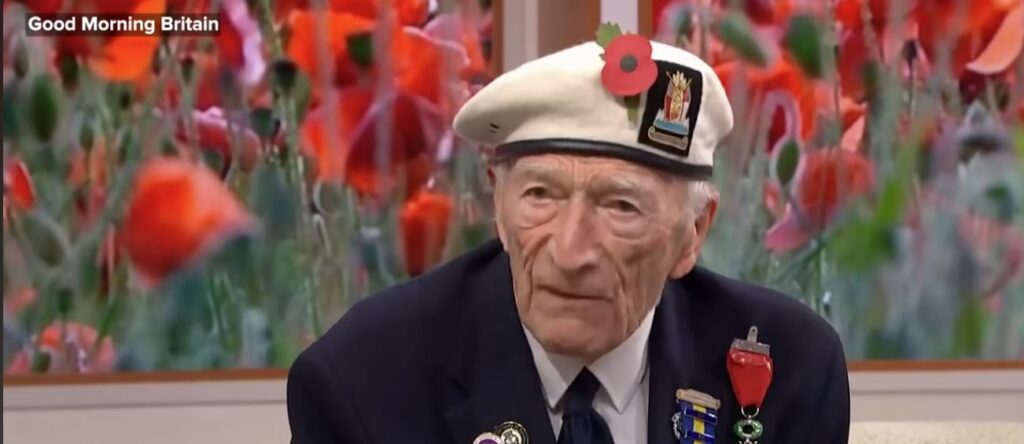
Image Credit: CBN News Youtube
Penstone’s TV moment cut through because it sounded personal, not packaged. He described “rows and rows of white stones,” then asked, “For what?” His conclusion, “the sacrifice wasn’t worth the result,” carried the shock of a funeral speech. It also carried a demand that modern Britain rarely confronts. A country can celebrate victory anniversaries, yet it still has to justify what it has become. Remembrance Sunday asks the public to hold grief with gratitude. The Royal British Legion calls it a “national opportunity” to remember service and sacrifice. The King’s message spoke of legacy and freedom, and many citizens agree. Yet law and culture now trigger real disagreements about rights and limits. The Commons Library notes protest rights are “not absolute,” which shows the constant balancing act. Penstone’s line does not settle those arguments.
It does something harder. It forces people to ask what honour looks like after the ceremony ends. Listening to him also means listening to each other, even when the conversation turns uncomfortable. Veterans carry memories that outlast ceremonies, yet they also live in the present with everyone else. If leaders invoke wartime sacrifice, they should also defend transparent policing, fair courts, and open debate. Citizens can help by supporting veteran charities, challenging online distortion, and refusing to cheer cruelty. Britain’s freedoms depend on daily habits; therefore, small choices add up. Penstone cannot rewrite history; however, his honesty can sharpen public accountability. Remembrance gains strength when the living act with dignity after the poppies come off each year.
A.I. Disclaimer: This article was created with AI assistance and edited by a human for accuracy and clarity.
Read More: California Couple ‘Adopts’ 93-Year-Old Veteran After His Town Burned to the Ground
Trending Products

Red Light Therapy for Body, 660nm 8...

M PAIN MANAGEMENT TECHNOLOGIES Red ...

Red Light Therapy for Body, Infrare...

Red Light Therapy Infrared Light Th...

Handheld Red Light Therapy with Sta...

Red Light Therapy Lamp 10-in-1 with...

Red Light Therapy for Face and Body...

Red Light Therapy Belt for Body, In...

Red Light Therapy for Shoulder Pain...
