
Vaping has been around long enough now that a lot of people figured we already knew the whole story. Many thought the big warnings were behind us and that researchers had settled into a clear view of what vaping does to the body. But new studies have arrived, and some of the results even surprised scientists who study vaping every single day.
These studies suggest vaping may affect more parts of the body than earlier data revealed. Researchers are finding impacts on the lungs, the heart, the brain, and even the immune system in ways they didn’t fully understand before. The tone of the research has shifted too. Instead of asking if vaping is harmful, many scientists are now asking how far that harm might go.
A New Look at Lung Damage
Some researchers say lungs tell the truth before anything else does. For years, vaping’s effects on the lungs were unclear. People pointed to early lung injuries, but many argued those cases were rare and tied to unusual products.
In a review involving young adults, researchers used advanced imaging and lung‑function testing to compare people who vaped with those who did not. They observed early signs consistent with airway irritation and inflammation in vapers that were not seen as often in non‑users. What stood out was that these changes were reported even among people who said they vaped only occasionally. Many assumed only heavy users would be affected, but differences appeared sooner than expected.
Another problem involves how vapor behaves once inhaled. Lab teams learned that vape aerosol particles behave differently from cigarette smoke and can reach sensitive areas deep in the lungs. Because vaping feels smoother, people often take longer pulls, meaning more aerosol reaches delicate lung tissue. Flavor chemicals also react when heated. In some cases, they break down into tiny particles that irritate cell walls. Fruit flavors were among the stronger irritants in these experiments.
Researchers say this kind of irritation can be quiet at first. Many people don’t cough or feel tightness until damage has already begun. And once certain tissue changes occur, they may not fully reverse.
Heart Health Under Pressure
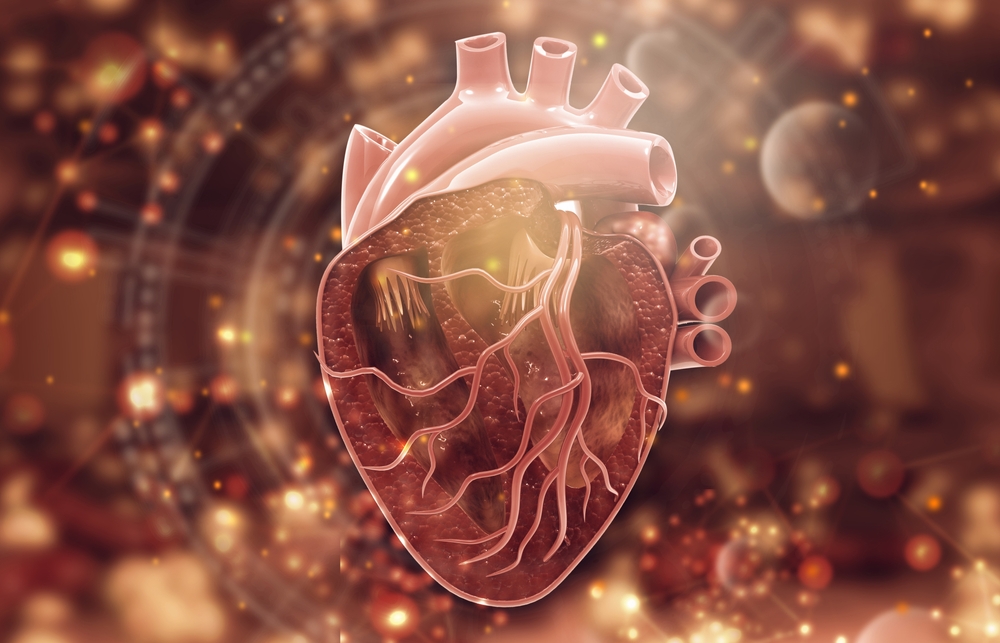
One long-running vaping study followed adults who used nicotine vapes for three straight years. Some of these people never touched a cigarette in their lives, so the results were not mixed with old smoking damage. Doctors expected mild changes. Instead, they found reduced flexibility in blood vessels. When vessels get stiff like that, the risk for long-term heart trouble goes up.
Another team decided to test how fast nicotine enters the bloodstream when inhaled as vapor. The answer surprised them. It shot up faster than many cigarette tests. That quick spike puts strain on the heart, almost like tapping the gas pedal too hard every few minutes. People often take more hits when vaping because the throat burn is softer. That leads to little bursts of stress happening again and again. Over time, this builds pressure on the cardiovascular system.
Young people were also part of a study. Teens and early twenties users showed higher inflammation markers in their blood. Their resting heart rate sat higher too. Some of them felt fine, but the scans told another side of the story. They showed that the heart is working harder than people think while vaping. Even if you feel relaxed in the moment, your body might not be sharing that feeling.
Brain and Memory Changes
If you ask people why they vape, many say it helps them focus or relax. That belief stuck for years. But newer studies paint a more complicated picture.
One research team tracked daily vapers for a year, testing memory, attention, and reaction time. At the end of the study, vapers performed worse on short-term memory tasks compared to non-users. Brain imaging also showed differences in activity in regions linked to attention. Scientists believe rapid nicotine spikes may disrupt the brain’s natural signaling rhythms.
One unexpected finding was that even some non-nicotine vapes showed effects in laboratory and early human studies. Solvents and flavoring chemicals appeared to affect nerve cells, though less severely than nicotine exposure.
Sleep also emerged as a major factor. Many vapers reported using their devices at night to relax. But sleep-tracking data told a different story. Sleep quality dropped, nighttime awakenings increased, and deep sleep decreased. Poor sleep affects memory, mood, and decision-making. So even if vaping feels calming in the moment, the brain may pay for it later.
Researchers now believe the brain can learn these vaping patterns. It begins to expect frequent stimulation. When those boosts don’t come, focus becomes harder to maintain. When they do, they disrupt natural rhythms, one reason quitting can feel especially difficult.

Image credit: Shutterstock
Immune System Changes
A healthy immune system determines how well the body fights everyday threats. When researchers began seeing altered immune responses in vapers, concern grew.
One study using hospital data found that vapers experienced more respiratory infections than non-users and often took longer to recover from illnesses like the flu or pneumonia. Laboratory tests showed that macrophages — immune cells that normally clear debris from the lungs — worked less efficiently after exposure to vape aerosols.
Researchers also examined oral bacteria. A healthy mouth relies on balanced bacterial diversity, but vapers showed reduced diversity, allowing harmful bacteria to grow more easily. This raises the risk of gum disease and throat irritation.
Additional lab studies suggest certain antiviral responses may be slowed, giving viruses more time to take hold before immune defenses respond.
Taken together, the evidence suggests vaping doesn’t shut down the immune system, but it may dull its effectiveness — particularly in the respiratory tract.
New Evidence on Chemical Exposure
Recent research has changed how scientists view vapor itself. Many assumed e-liquids contained only a few ingredients. But high heat alters chemistry more than earlier testing showed.
Studies found dozens of new compounds forming when devices reached higher temperatures. These compounds don’t appear on ingredient labels because they only exist after heating. Some originate from the heating coils themselves. As coils degrade, microscopic metal particles can enter the vapor stream.
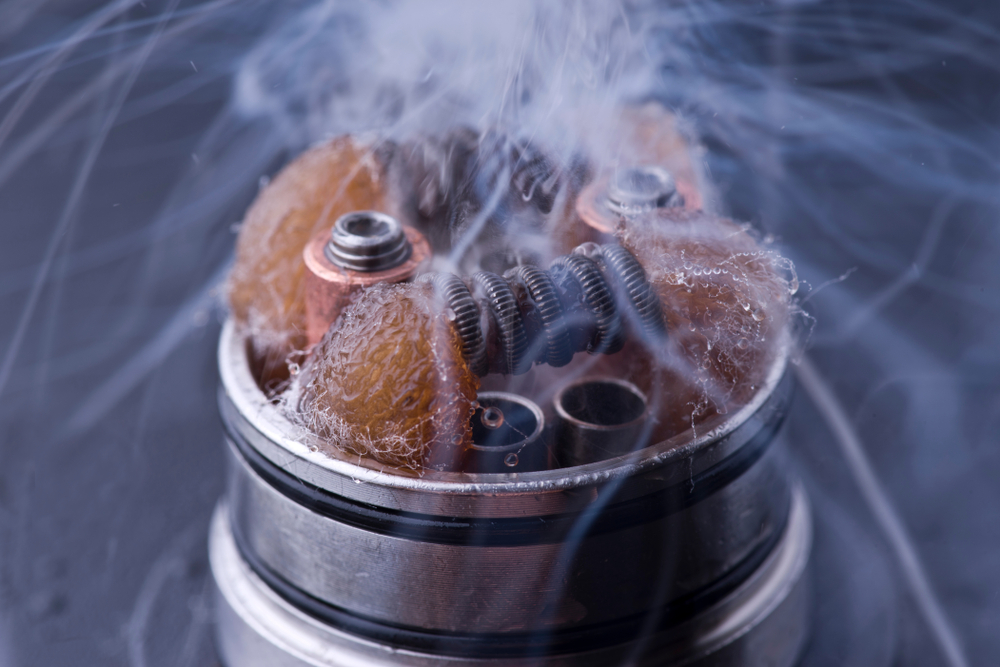
Some popular flavors created harsher byproducts. Cinnamon and fruit flavors were among those producing more irritating compounds. Disposable vapes often ran hotter than expected, increasing chemical breakdown per puff.
Researchers also discovered inconsistent heating across devices. Even within the same brand, temperature output varied, meaning users could inhale very different chemical levels without realizing it.
The takeaway is simple: vapor contains more than what’s listed on the label. Once heat is involved, the chemistry becomes unpredictable, and risks may increase.
The Impact on Youth
Youth vaping continues to rise, and new research raises serious concerns. Teens can show airway irritation after relatively short periods of use. In some cases, doctors noted patterns similar to early stages of chronic respiratory problems.
Brain imaging studies in adolescents showed altered activity in regions involved in planning and decision-making, areas still developing during adolescence. Teachers involved in related research reported increased attention difficulties in some students. While not every teen was affected, the pattern was strong enough to alarm researchers.
Flavor preferences added to the risk. Sweet, icy, and candy-style flavors caused more irritation than neutral options. Cooling agents also irritated the throat more than expected.

Nicotine also affects young users more intensely. Teens absorb it faster and develop dependence more quickly. Some reported difficulty going even a few hours without vaping.
The early appearance of these effects has raised concern that long-term consequences could surface earlier in life than previously assumed.
Mental Health Links
Many users say vaping calms them, but research suggests the effect may reverse over time. Nicotine creates a brief sense of calm, followed by increased stress as levels drop. This cycle often goes unnoticed until it strengthens.
Studies tracking mental health patterns in people who vape regularly have found higher levels of anxiety and irritability compared with non-users over time. Researchers believe the brain may become conditioned to expect frequent dopamine boosts from nicotine. When those boosts don’t arrive, mood can suffer.
Even non-nicotine vapers reported mood changes, often linked to disrupted sleep and constant stimulation. When sleep quality declines, emotional balance often follows.
The result is a difficult loop: people vape to relax, but the habit may contribute to anxiety in the long run, especially in teens, whose brains are more sensitive to reward cycles.
Vaping vs Smoking
Many people turned to vaping as a safer alternative to smoking. And in some respects, smoking remains more harmful due to the thousands of chemicals created by burning tobacco.
But recent studies show the gap may be smaller than once believed in certain areas. Research has linked vaping to changes in lung function, blood vessel behavior, and immune responses sooner than experts expected a decade ago, with broader reviews also pointing to emerging cardiovascular effects in vapers compared to non-users studies. As a result, some health problems once seen mostly in smokers are now being reported in people who vape as well.

Dual use has become another concern. Many people vape during the day and smoke at night or under stress. Doctors warn that this combination increases harm rather than reducing it.
So while vaping may be less harmful in a direct comparison, it is not safe, and the risks are clearer now than when many people first switched.
Why 2025 Became a Turning Point for Vaping Research
Scientists have studied vaping for years, but recent advances allowed them to see deeper. New imaging tools reveal subtle lung and vascular changes that older machines missed.
Devices have evolved, too. Higher heat, stronger batteries, and concentrated liquids create chemical reactionsthat earlier studies never measured.
Larger user populations also allow clearer pattern recognition. When findings repeat across thousands of people, they become harder to ignore.
What This Means for Anyone Who Vapes Right Now
These findings aren’t meant to lecture. Vaping is part of many people’s routines, and quitting isn’t easy. But understanding the risks helps people make informed choices.
Daily users may want to watch for early signs like shortness of breath, sore throat, or poor sleep. Reducing nicotine levels or frequency may help. Avoiding dual use is especially important.
Even non-nicotine users should remember that heat and flavor chemicals still affect the body. Product quality and device temperature matter.
The goal isn’t fear, it’s awareness.
Final Thoughts
Recent studies suggest vaping affects more of the body than researchers once believed. Lungs show early signs of irritation. The heart experiences repeated stress. The brain adapts to stimulation patterns that influence sleep, memory, and mood. The immune system appears less efficient in key areas.
Vaping may still be less harmful than smoking, but it is far from harmless. People who picked it up believing it was mild now face evidence that complicates that view. Science didn’t have all these answers years ago; now it’s getting closer.
Disclaimer: The author is not a licensed medical professional. The information provided is for general informational and educational purposes only and is based on research from publicly available, reputable sources. It is not intended to constitute, and should not be relied upon as, medical advice, diagnosis, or treatment. Always consult a licensed physician or other qualified healthcare provider regarding any medical condition, symptoms, or medications. Do not disregard, avoid, or delay seeking professional medical advice or treatment because of information contained herein.
A.I. Disclaimer: This article was created with AI assistance and edited by a human for accuracy and clarity.
Read More: Timeline of what happens to your body when you give up vaping
Trending Products

Red Light Therapy for Body, 660nm 8...

M PAIN MANAGEMENT TECHNOLOGIES Red ...

Red Light Therapy for Body, Infrare...

Red Light Therapy Infrared Light Th...

Handheld Red Light Therapy with Sta...

Red Light Therapy Lamp 10-in-1 with...

Red Light Therapy for Face and Body...

Red Light Therapy Belt for Body, In...

Red Light Therapy for Shoulder Pain...
