
In a move that surprised many travelers, two West African nations announced new entry restrictions aimed directly at Americans. As a result, U.S. citizens now face a travel ban that adds fresh tension to an already strained diplomatic picture. While border limits and visa rules are common in global politics, this moment feels different. Instead of the United States acting first, Americans are now the ones encountering closed doors abroad.
The countries behind this decision are Mali and Burkina Faso. According to officials, the move is a response to U.S. immigration policy rather than an act of hostility. Even so, the consequences are real. Americans with professional, humanitarian, or personal ties to the region are already feeling the effects.
A Reciprocal Answer to U.S. Restrictions
Leaders in both countries described the decision as an act of reciprocity. In simple terms, they argue that if their citizens face limits on entering the United States, Americans should expect similar treatment. This approach has long existed in diplomacy, even though it often leads to frustration on both sides.
The announcement followed an expansion of U.S. immigration restrictions that cited security vetting and administrative concerns. However, leaders in West Africa pushed back. They argued their nations were unfairly grouped and judged. Because of that, the travel ban became more than a border rule. Instead, it turned into a statement about sovereignty and respect.
Although official language remained calm and measured, the message was firm. Both governments wanted to make it clear they would not accept unequal treatment without responding.
How the Restrictions Work on the Ground
In practical terms, the impact on American travelers is clear. Tourist visas are no longer issued, and entry at airports or land crossings is denied in most cases. Likewise, business travelers, journalists, and aid workers face the same limits unless they receive rare diplomatic authorization.
Compared to earlier visa slowdowns, this policy feels stricter. It operates more like a full suspension of access. As a result, airlines and travel agencies have updated guidance, warning U.S. citizens not to attempt travel without confirmation from authorities.
Meanwhile, dual nationals face added uncertainty. Holding another passport may help in limited situations. Still, officials stressed that U.S. nationality alone is enough to trigger the restriction. That clarity leaves very little flexibility for travelers.
Political Context Inside Mali and Burkina Faso
At the same time, both countries are navigating major internal changes. Military-led governments are working to consolidate power while also redefining foreign relationships. Over recent years, ties with Western governments have cooled. In contrast, regional cooperation and alternative alliances have grown stronger.
Against that backdrop, responding to U.S. immigration limits carried symbolic weight. Leaders framed the move as standing up to unfair treatment rather than withdrawing from the international community. In public statements, they emphasized dignity and balance, not confrontation.
Additionally, there is a domestic angle. Showing resistance to outside pressure can strengthen political support at home. In this way, the travel ban functions as a political signal as much as a practical travel rule.
Regional Reactions and Quiet Observations
Elsewhere in West Africa, reactions have been cautious. Some governments remained silent, which itself sends a message. Others quietly supported the idea of reciprocity, even if they chose not to take the same step.
More broadly, this situation fits into a regional shift. Many governments are reassessing long-standing partnerships and questioning old power dynamics. As a result, visa suspensions and entry limits are becoming tools in that process, not just security measures.
At the same time, harsh rhetoric has largely been avoided. That restraint suggests many leaders still want room to negotiate if conditions change later.
Legal Authority and Diplomatic Risks
From a legal standpoint, countries have broad authority to control who enters their borders. International law allows states to deny entry to foreign nationals, provided basic protections are respected. For that reason, the policy does not violate global rules.
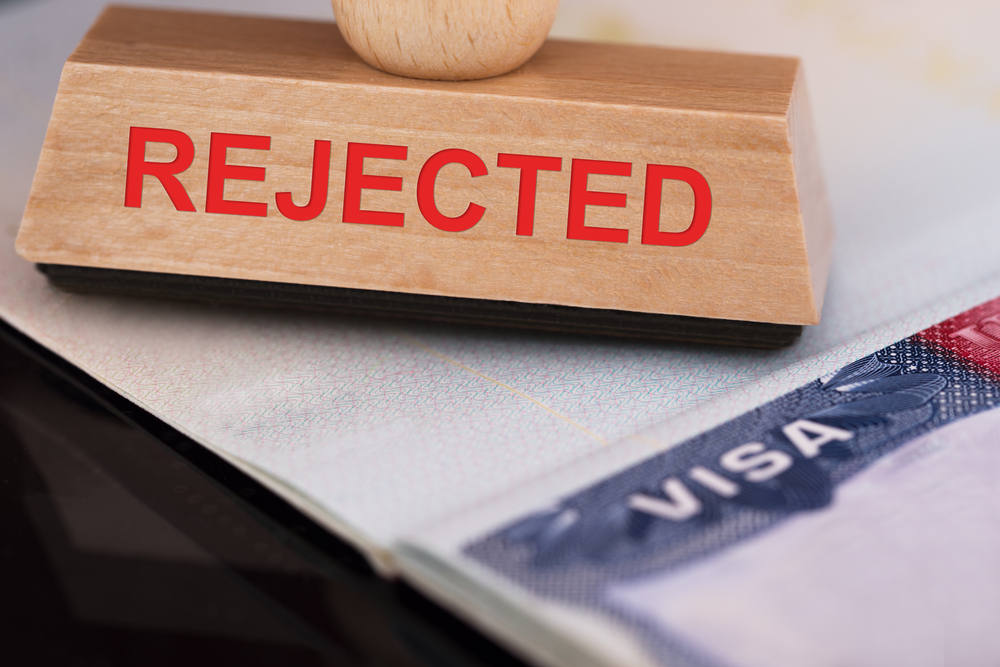
Diplomatically, however, entry bans can harden positions. Once implemented, they often last longer than expected. Removing them requires political will on both sides, not just technical adjustments.
Notably, both governments have said the restrictions are conditional. They described them as reversible if U.S. policies shift. Even so, no clear timeline has been offered.
What This Means for Americans Abroad
For Americans, this situation serves as a reminder that global mobility is fragile. Even powerful passports depend on politics and perception. Consequently, aid workers, researchers, and business leaders may need to rethink travel plans and rely more on local partners.
In the meantime, remote collaboration and regional intermediaries may replace short visits. Over time, that shift changes how relationships are built and maintained. The absence of physical presence can have long-term effects, even if they are not immediate.
As long as current policies remain, the travel ban continues to shape who can cross these borders and who cannot.
A Sign of a Larger Global Pattern
Importantly, this moment does not stand alone. Around the world, travel rules are becoming more political and less predictable. Governments increasingly use visa limits to respond to pressure, signal independence, or reset relationships.
At the same time, border policies now move faster than they once did. Decisions that previously took months can happen in weeks. For travelers, that speed creates uncertainty. In this context, the travel ban reflects a faster and sharper style of decision-making.
Public debate has shifted as well. Entry restrictions are no longer explained only through safety. They now involve fairness, leverage, and national pride, which makes them harder to reverse.
The Human Cost Behind the Policy
Beyond politics, there is a quieter cost. Families with mixed nationalities face delays and confusion. Students lose access to research sites. Journalists and aid workers are cut off from communities they know well.
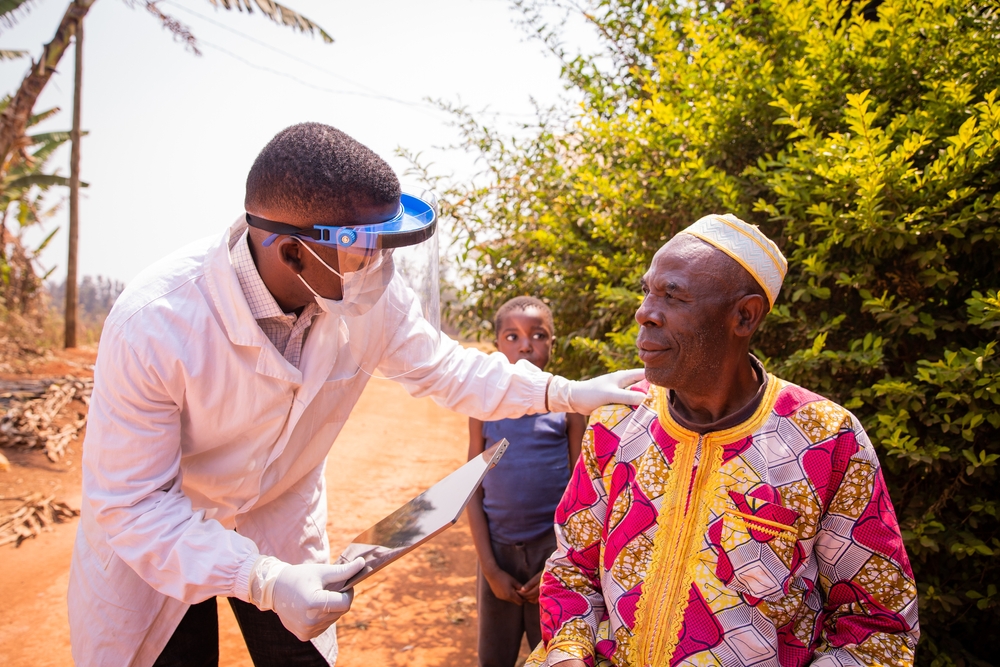
For many Americans who have worked in the region, the ban feels personal. Years of trust-building and cooperation are placed on hold. At the same time, local communities lose opportunities for exchange and visibility. In the end, border restrictions do not only block entry. They also limit understanding on both sides.
Temporary Measure or Long-Term Shift
So far, officials have avoided calling the policy permanent. That choice suggests the door is not fully closed. Changes in leadership, tone, or policy could eventually reopen it.
Still, temporary measures often last longer than planned. As long as both sides hold firm, the travel ban remains in place. What happens next depends less on travelers and more on decisions made far above them.
Closing Thoughts
Ultimately, what began as a policy response has become a broader signal. The restrictions placed on U.S. nationals are about more than visas. They reflect shifting global relationships and a growing willingness to push back.
For Americans affected by the travel ban, the experience highlights how quickly access can change. Mobility is no longer guaranteed, even for those who once assumed it was.
As governments reassess old alliances, travelers often feel the impact first. For now, borders remain closed, talks continue quietly, and the world waits to see which side chooses to move next.
A.I. Disclaimer: This article was created with AI assistance and edited by a human for accuracy and clarity.
Read More: Trump Moves Threaten to Shake Up the US Travel Industry
Trending Products

Red Light Therapy for Body, 660nm 8...

M PAIN MANAGEMENT TECHNOLOGIES Red ...

Red Light Therapy for Body, Infrare...

Red Light Therapy Infrared Light Th...

Handheld Red Light Therapy with Sta...

Red Light Therapy Lamp 10-in-1 with...

Red Light Therapy for Face and Body...

Red Light Therapy Belt for Body, In...

Red Light Therapy for Shoulder Pain...
