
Americans are on the move, and the places they’re leaving behind are starting to feel it. Schools are losing students, tax bases are shrinking, and some neighborhoods have more for-sale signs than block parties. It’s a trend that keeps repeating, and certain states land on the losing end year after year. The reasons aren’t hard to find when you look at what these places share. Crushing housing costs push families toward cheaper metros, brutal winters wear people down, and taxes eat into every paycheck until leaving starts to feel like the only rational choice.
The Great American Reshuffling
People have always moved for work, family, or weather. But the pandemic added a new option: staying employed while leaving town. Millions of workers discovered their jobs could be done from anywhere, and once they realized they could keep their salaries while paying a 3rd of the rent somewhere else, many did exactly that. Housing prices in expensive metros climbed so fast that leaving stopped feeling like a choice and started feeling like the only option that made sense. Especially for young families watching homeownership slip further out of reach.
Why People Are Leaving

The cost of living sits at the center of almost every outbound move, and you can see it once you compare what a two-bedroom apartment in Newark costs to what a three-bedroom house costs in Raleigh. It only gets worse when groceries, childcare, and utilities pile on until the paycheck stops stretching. “Housing costs continue to drive people toward more affordable regions,” UCLA economist Michael Stoll noted in the 2025 United Van Lines migration study. And the states losing the most residents prove his point. They’ve become places where middle-class incomes no longer buy middle-class lives.
The Tax Question

Taxes alone don’t drive most moves. But they amplify everything else. When you’re already stretched thin by housing costs, a state income tax that takes 5% or 6% of your paycheck adds up fast. Property taxes compound the problem in the Northeast. Where a modest home can carry an annual bill of $10,000 or more just for the privilege of owning it. Once someone is already considering a move for other reasons, tax burden becomes the tiebreaker. States without income taxes, like Florida and Texas, have become magnets partly for this reason.
Climate, Jobs, and Lifestyle

People are also just leaving because they’re tired of shoveling snow in April or sweating through summers with 90% humidity. Others follow jobs that have relocated or industries that have collapsed. Young professionals chase cities with nightlife and culture while retirees chase warm weather and golf courses. And sometimes people just want a fresh start in a place where nobody knows their name. These motivations layer on top of financial pressures. So a state that’s expensive and cold and has a shrinking job market faces triple the outflow.
How These Rankings Work
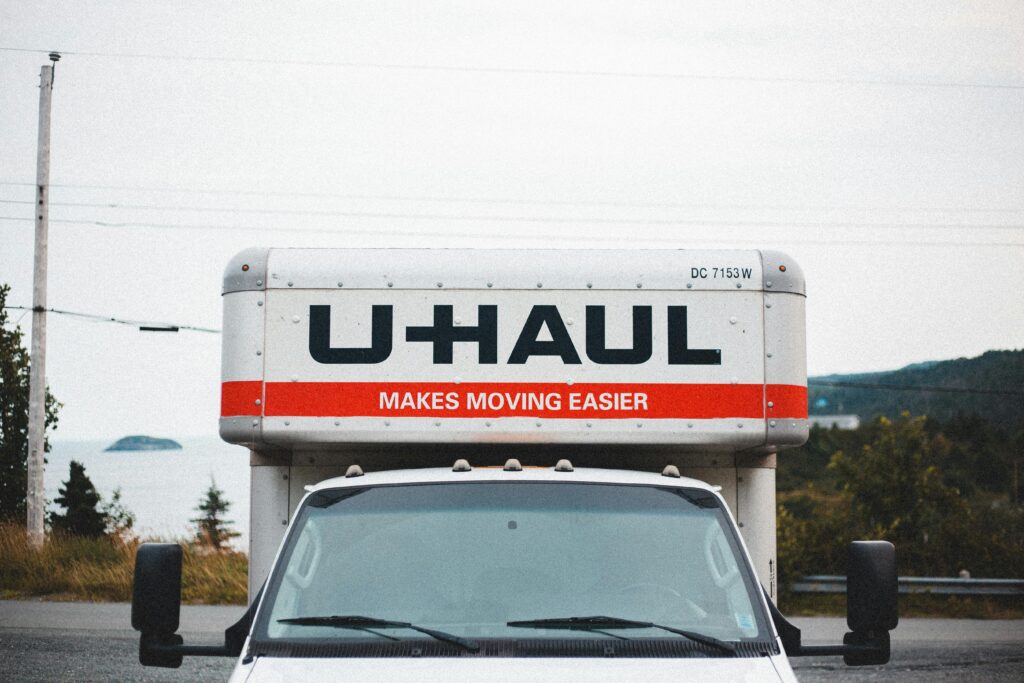
Moving company data tells us where the trucks are going. Companies like U-Haul, United Van Lines, and MoveBuddha track inbound versus outbound moves and publish annual rankings. A state with 60% outbound moves is losing far more residents than it’s gaining. These numbers don’t capture every move since plenty of people rent trucks or hire local help. But they’re the best proxy available for where Americans are actually moving, and Census data fills in the gaps with population estimates. The states ranked here appear consistently across multiple sources and multiple years, which is what separates a real trend from a one-year blip.
11. Kansas

Kansas has quietly bled residents for years, with outbound moves exceeding inbound since at least 2013 according to United Van Lines data. And moveBuddha projects that trend continuing through 2026. The state lost nearly 193,000 residents to domestic migration between 2000 and 2022. And it remains the only state in its region consistently losing population. While Colorado, Missouri, and Oklahoma all gain. Job growth has lagged the national average for decades, and combined state and local sales tax rates rank among the highest in the country. Young people leave for Denver or Kansas City, Missouri, and few find reasons to come back.
10. Nebraska

Nebraska appears in the bottom 10 for net migration despite relatively low housing costs. Which proves that affordability alone doesn’t keep people around. Winters are harsh and job options thin out quickly outside Omaha and Lincoln. So young adults often leave for larger cities with more to do and rarely come back. The population skews older as each graduating class heads elsewhere, and while Nebraska’s losses are smaller in absolute numbers than California’s or New York’s, a state this size feels every departure. Rural communities feel it most when they lose the families they need to keep schools open and main streets alive.
9. Ohio

Ohio experienced the sharpest reversal of any state in 2025, dropping 29 positions on the U-Haul Growth Index to rank 43rd after finishing 14th just a year earlier. No other state fell as far or as fast. The shift caught demographers off guard since Ohio had been gaining residents as remote workers discovered that Midwest housing prices looked reasonable compared to coastal alternatives. But affordable doesn’t mean cheap enough when wages stay flat. And cities like Cleveland and Cincinnati haven’t generated the job growth needed to keep professionals from looking elsewhere.
8. Virginia

Northern Virginia remains expensive and tied to D.C.’s economy, while the rest of the state offers more affordable options but fewer jobs outside the federal orbit. Richmond has grown, but not fast enough to offset losses elsewhere, and military families cycle through but rarely stay permanently. Retirees who once settled in Virginia Beach now continue south to the Carolinas or Florida, which helps explain why MoveBuddha data shows Virginia performing worse than it did in 2024. The state still benefits from federal proximity. But that advantage keeps shrinking as remote work spreads and other metros offer better value.
7. Maryland

Maryland’s economy leans heavily on federal employment and defense contracting, and both have softened with budget pressures and remote work. Which helps explain why MoveBuddha now lists it among states seeing more out-moves than newcomers. Baltimore’s challenges are well-documented. But the suburbs have their own problems with property taxes and traffic that can turn a 20-mile commute into a 90-minute ordeal. Retirees often head to Delaware for lower taxes or Florida for warmth, while younger residents scatter toward North Carolina, Texas, or anywhere the housing prices are better. Maryland isn’t collapsing, but it’s quietly losing ground each year.
6. Washington, D.C.

MoveBuddha found the District of Columbia suffered the steepest decline in mover interest for 2025, and federal policy shifts are partly to blame. Government workers used to have no choice but to live within commuting distance. Because classified work and security clearances kept them tied to capital offices. Remote work loosened that requirement, and hiring freezes meant fewer arrivals to replace those who left. Once those anchors gave way, the city’s high cost of living stopped making sense for anyone outside lobbying firms. Families cite safety concerns when heading to Virginia and Maryland suburbs, but those suburbs are losing residents to cheaper Southern metros, too.
5. Connecticut
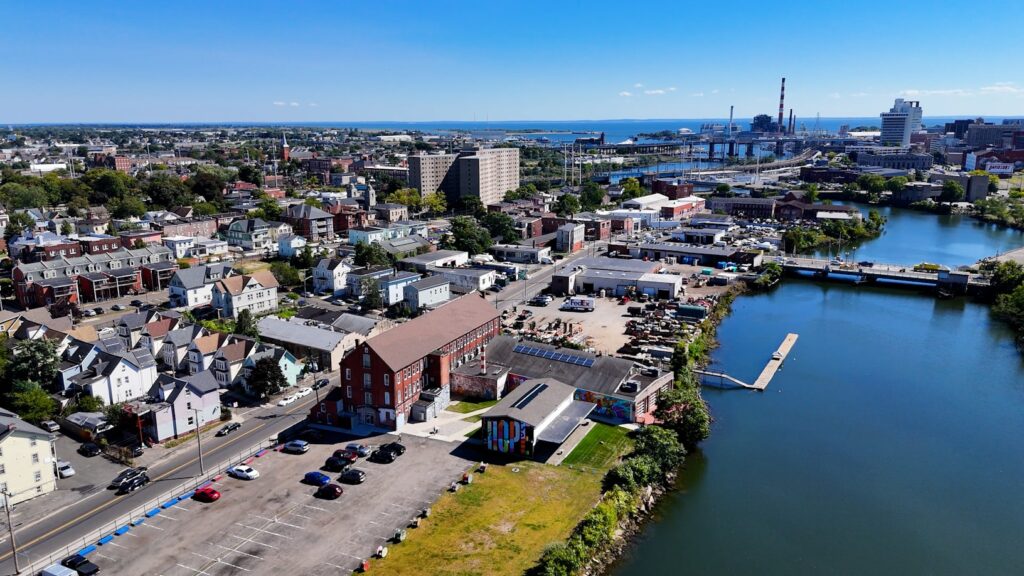
Image by: Unsplash
Connecticut’s outflow is accelerating rather than stabilizing. MoveBuddha data shows the state saw 0.72 in-moves for every move out in 2024, and this year that number dropped to 0.67. Property taxes rank among the highest in the nation. The state never fully recovered the jobs it lost during the 2008 recession. The suburbs that once attracted New York commuters now feel like a bad deal since you’re paying Connecticut prices without Connecticut salaries. Unless you’re still making the trip to Manhattan, and even that calculus has shifted as remote work spreads.
4. Massachusetts
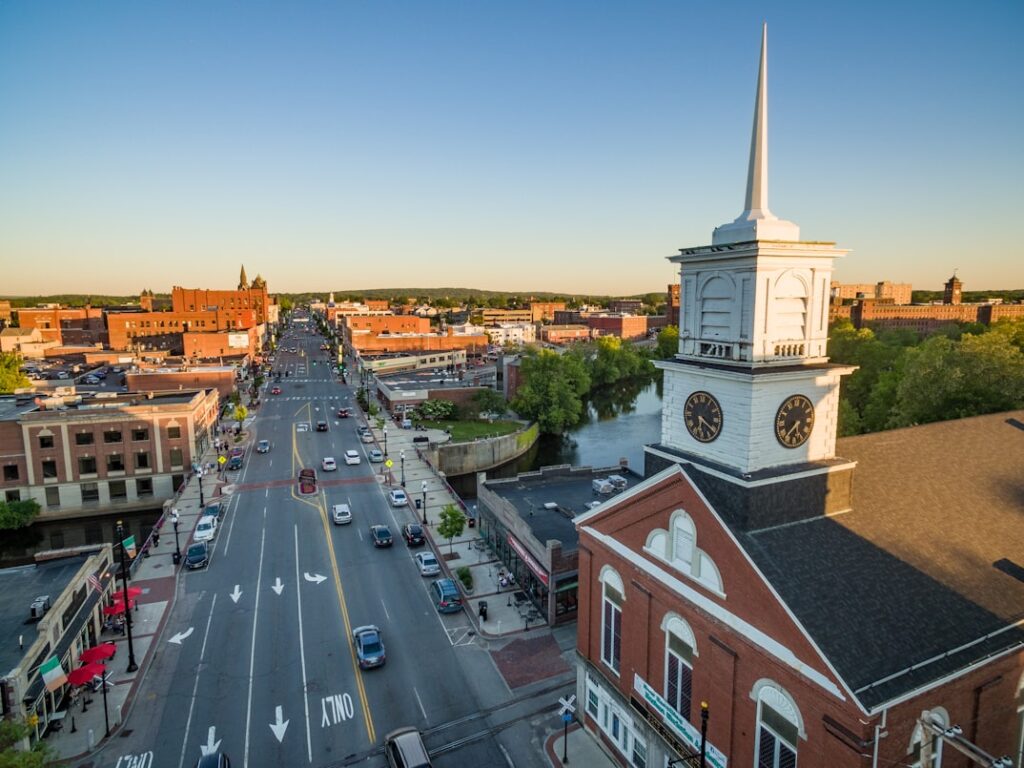
Boston’s economy runs on healthcare, biotech, and higher education. Which makes it strange that Massachusetts consistently ranks among the top 5 outbound states according to U-Haul data. But those same industries have priced out everyone who doesn’t work in them. A one-bedroom apartment in a decent neighborhood runs well over a couple of thousand dollars a month, and buying is even more expensive. New Hampshire sits right next door with no income tax and lower housing costs. Making it an obvious landing spot for workers who can commute or go remote. Maine absorbs others, while some head south to the Carolinas or Florida to escape both the costs and the winters.
3. New York

New York and California posted nearly identical numbers last year, with Newsweek reporting 42.2% inbound and 57.8% outbound migration. The pandemic didn’t start the outflow so much as accelerate it once remote work made Manhattan salaries portable and workers realized Southern housing costs half as much. New York City’s apartment costs remain legendary, but the suburbs aren’t much better, and property taxes upstate rank among the highest in the country. Retirees leave for Florida’s warmth and zero income tax. While young families leave for anywhere they can afford a backyard, and though the state still draws immigrants and ambitious newcomers, it loses more native New Yorkers than it gains each year.
2. California

California ranked last on the U-Haul Growth Index for the 6th consecutive year, losing more do-it-yourself movers than any other state in 2025, which is why it lands at number two on this list. The median home price hovers near $800,000. Which prices out anyone who isn’t already wealthy or willing to commute 2 hours each way. Remote workers who once tolerated Bay Area rents for Bay Area salaries have figured out they can keep one and ditch the other. Wildfires, drought, and insurance costs that have tripled in some regions only add urgency.
1. New Jersey
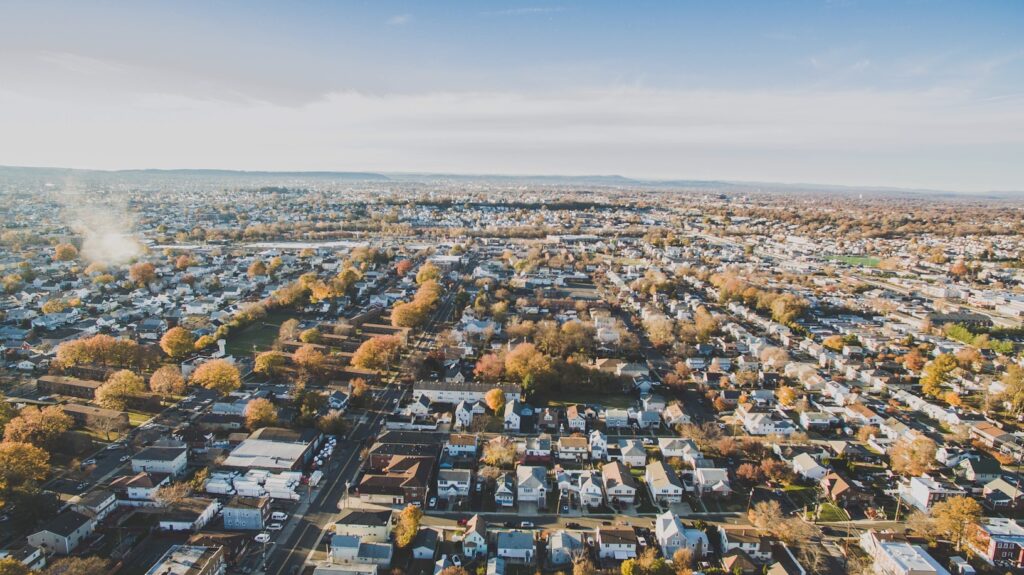
New Jersey took the top spot for states facing the highest exodus of residents, with United Van Lines reporting 62% outbound migration in their 2025 study. This marks the 8th consecutive year it’s led outbound rankings, a streak no other state comes close to matching. Sky-high property taxes and some of the most expensive housing on the East Coast have made staying feel like a losing bet for many families, and those who leave often head to Pennsylvania, Florida, or the Carolinas, where the same income stretches further. New Jersey’s losses have become so predictable that moving companies plan their truck inventory around them.
Where Are They Going Instead?

Image by: Unsplash
The Carolinas, Tennessee, and Idaho now top most inbound lists according to North American Van Lines’ 2025 data. Texas and Florida used to dominate, but United Van Lines classifies both as “balanced” states after years of arrivals bid up housing costs. No income tax and warm weather still draw people, just not at the pace they used to. Nevada and Arizona pull Californians, while Pennsylvania absorbs Northeast transplants who want breathing room without losing East Coast access. The places absorbing all these newcomers are already feeling the pressure, and what counts as affordable today won’t stay that way for long.
What This Means for Housing

The states losing residents are starting to see some price relief, though not as much as sellers hoped, with inventory sitting longer in parts of New Jersey and Illinois, and price cuts becoming more common. The states gaining residents face the opposite problem as newcomers who sold expensive coastal homes arrive with cash and bid up prices in places like Boise, Nashville, and Raleigh. Locals get priced out while watching their neighborhoods change around them, and the migration doesn’t solve the housing crisis so much as relocate it. Affordable destinations stop being affordable the moment everyone finds them.
The Economic Trade-Offs

Image by: Pexels
States losing residents also lose their tax dollars. Which means fewer people funding the same public services. Pension obligations make this worse because the state still owes retired workers the same amount whether people stay or leave. Illinois now carries $15,804 in pension debt per resident, according to the Reason Foundation, a libertarian think tank, the largest gap in the nation between what a state owes and what it has set aside. Taxpayer contributions have grown from $614 million in 1996 to $11.2 billion in 2025. And tax hikes to close that gap trigger more departures. But gaining states isn’t winning either, since infrastructure struggles to keep pace, and longtime residents watch their communities change. There are no clean winners here.
Read More: Top National Parks to Visit by State
Will This Trend Continue?

Remote work isn’t going away, and neither is the cost-of-living gap between expensive states and affordable ones. As long as someone can earn a New York salary while paying Tennessee rent, the incentive to move remains strong. Climate pressures could push even more people out of disaster-prone regions. But the calculus can shift if destination states get too expensive or too crowded. Some people may even return to the places they left once prices stabilize, though for now, the 11 states on this list face the same challenge. They need to give people a reason to stay that outweighs the reasons to leave.
Read More: New Map Highlights U.S. States with Most Harmful Pesticide Usage
Trending Products

Red Light Therapy for Body, 660nm 8...

M PAIN MANAGEMENT TECHNOLOGIES Red ...

Red Light Therapy for Body, Infrare...

Red Light Therapy Infrared Light Th...

Handheld Red Light Therapy with Sta...

Red Light Therapy Lamp 10-in-1 with...

Red Light Therapy for Face and Body...

Red Light Therapy Belt for Body, In...

Red Light Therapy for Shoulder Pain...
