
Long life advice usually follows a familiar route: eat this, avoid that, buy this supplement, follow that blue-zone rule. Yet, a certain vascular surgeon views the issue of longevity habits from a different angle. Dr. Rema Malik spends her time looking at blood vessels. She recently said that many of her oldest patients share one habit: they do not let their blood “sit still.” She says they support circulation through small actions repeated each day. That idea deserves attention because it matches core vascular science. Blood vessels respond to flow, pressure, muscle contractions, and long periods of stillness. They age better when they keep adapting.
That does not mean one habit explains every 90-year-old body. Longevity still depends on genes, smoking, sleep, infections, income, medical care, and luck. Yet Malik’s central point holds up well. The World Health Organization says physical inactivity raises disease and death risk, while even modest movement helps health. So the real lesson is not heroic exercise, it is daily circulation. People who age well often build movement into ordinary hours. They walk after meals, break up sitting periods, and keep their legs working. They treat motion as part of life, not as a short event squeezed into a chair-bound day.
The surgeon’s clue points straight to the vessel wall
Image Credit: Pexels
Malik’s comment sounds simple, yet the biology under it is not vague. Blood vessels are active tissue. They widen, narrow, signal, repair, and respond to demand all day. The inner lining is called the endothelium. When it works well, blood flows more smoothly. Vessels stay more responsive. The inner environment becomes less friendly to plaque and clotting. When that lining loses function, stiffness and damage rise. That is why Malik focuses on scans. In the source article, she described one older patient. He was 92. She said he had “the clear, flexible arteries of a 50-year-old.” She linked that picture to repeated daily movement. Her point is not that every older patient looks like that. Her point is that circulation leaves traces.
A body that keeps using its calf muscles may age differently. The same is true for a body that shifts posture often. Vessels also respond to repeated demands across the day. A chair-bound routine asks far less of them. Those daily contractions help move blood back toward the heart. They also keep pressure from pooling in the lower limbs for long stretches. Over the years, that constant use may support better vessel behavior, better glucose handling, and less strain on the system. Research supports that general idea. A 2021 review in Experimental Physiology explained that flow-mediated dilation is the standard non-invasive test for endothelial function. The review summarized meta-analytic evidence on uninterrupted sitting. It found that 1.5 to 6 hours of sitting lowered lower-limb flow-mediated dilation by about 2%.
It also noted that a 1% drop in that measure is linked with higher future cardiovascular risk. The same review found that sitting more is linked with greater arterial stiffness. That matters because good vascular aging is not only about avoiding a blocked artery. It is also about keeping vessels able to react. Malik uses the phrase “endothelial flexibility.” It is not a formal label used everywhere. Yet it captures the practical idea well. Healthy vessels are not brittle pipes. They are responsive structures that handle changing flow. They dilate when they should and recover after stress. A day full of light movement keeps asking them to do exactly that. A day of stillness asks very little, and over the years, that may matter.
Healthy aging can look ordinary from the outside. Some people walk often, and they stand often. They climb stairs, garden, carry groceries, and avoid long fixed positions. From the vessel’s point of view, that is steady practice. That kind of practice may not look athletic, but it keeps circulation under gentle demand. For vascular health, repeated demand often matters more than dramatic effort performed once. That is why Malik’s observation rings true in the clinic. She is not selling a miracle trick. Rather, she is pointing to a body system that stays healthier through daily use. That is a practical longevity lesson. For everyone. It also explains why scans can surprise doctors. The body records habits quietly, then shows them years later inside vessel walls and blood flow.
A short walk after eating can do more than people expect
Malik recommends a “post-meal flush,” which means walking soon after eating. That advice sounds almost too modest to matter. Yet it matches strong metabolic research. When people walk after a meal, working muscles start taking up glucose from the bloodstream. That can shrink the blood sugar surge that follows food, especially after larger or more carbohydrate-heavy meals. A randomized crossover study led by Andrew Reynolds tested this in adults with type 2 diabetes. Its title said it clearly: “Advice to walk after meals is more effective” than advice that did not specify timing. Participants did better when they spread movement across the day and walked after each main meal. That matters because blood sugar spikes do not only concern diabetes clinics.
Repeated post-meal spikes can contribute to insulin resistance, vessel damage, and long-term cardiometabolic strain. Walking also uses the calf muscles, which help venous return from the legs. So the same small habit may help both metabolism and circulation at once. It also breaks up sitting. That adds value for desk workers. It also helps people who eat, then return straight to a chair. Later research widened that picture. In 2022, Alessio Bellini and colleagues reported similar results in healthy adults. They wrote that “a 30-minute postprandial brisk walking session improves the glycemic response.” They saw it after different meals. The point is useful because it shows the habit is not just a treatment trick. It is a general physiology trick. The body handles nutrients better when it receives a signal to use them.
A short walk supplies that signal. It can also help people who struggle with the slump that follows lunch or dinner. Brisk walking is not required for everyone. Even light walking may help, especially if it replaces immediate sitting. For older adults, that matters because complicated plans often fail. A habit tied to something that already happens every day has a better chance of surviving. Meals arrive. A walk can follow. That makes the behavior easier to repeat across decades. Long-term habits are often not dramatic. They are easy enough to keep doing when work gets busy, the weather changes, or motivation drops. In that sense, walking after meals may be one of the most realistic longevity habits available.
It asks for no membership, no device, and no perfect mood. It asks only for movement at the right moment. Timing is part of why it works. Food raises glucose first. Muscles then offer a place for that glucose to go. When the walk happens soon after eating, demand and supply line up better. That match may explain why a 10 to 15-minute stroll can beat a longer walk done later. For many people, that is the entire appeal. The habit is small, low-cost, repeatable, and rooted in normal life. Over time, small habits often beat grand plans. For longevity. That is why this habit travels well across age groups. It fits prevention, office life, and healthy aging at once for many people.
The bigger danger may be the hours between your workouts
Many adults still think in exercise blocks. They ask whether they trained today, then judge the day by that answer alone. Research suggests the body keeps a separate count. It notices how long you stay still between those active moments. That is where Malik’s warning about blood sitting still becomes useful. The World Health Organization says “all physical activity counts.” It also says all age groups should limit sedentary time. Those ideas belong together. A hard session at the gym can improve fitness. Yet it does not turn 9 more seated hours into a healthy pattern. The vascular system still faces long periods of low muscular demand. Leg blood flow can slow down. Shear stress against vessel walls can also drop.
A 2021 review in Experimental Physiology found that prolonged sitting can lower endothelial function. It can raise arterial stiffness and reduce cerebral blood flow. The review also reported that movement breaks helped blunt some of those changes. That helps explain why a person can be dedicated to exercise and still carry a heavy sedentary load. The problem is not exercise. The problem is assuming exercise cancels everything else. In many cases, it does not. The body responds to the total shape of the day, not only to the best 45 minutes inside it. Large cohort data points the same way. In 2024, researchers studied 45,176 women in the Nurses’ Health Study. They found that sedentary behavior was linked with lower odds of healthy aging. Light activity was linked with better odds.
Replacing television time with light activity helped. The same was true for moderate to vigorous activity. The pattern stayed important even after adjustment for other factors. That matters because it moves the discussion beyond weight loss or gym culture. Light activity is not a trivial filler. It may help protect real function across years. Another experimental line of research shows how small those breaks can be. The same Experimental Physiology review noted that 2-minute light walking breaks every 30 minutes helped prevent declines in flow-mediated dilation. They also helped preserve cerebral blood flow after sitting. That is a powerful message for desk workers. A useful movement break does not need to be a sweaty production.
It can be a lap around the room, a short corridor walk, or a trip outside after an email block. What matters is the interruption. The vessels get fresh flow, and the muscles switch back on. The brain gets a change in blood supply. Malik’s idea stops sounding mystical once you view it through that lens. She is describing a day with fewer dead zones. That may be why some older adults age well without ever calling themselves exercisers. They simply refuse long stretches of stillness and prefer to stand when doing chores. They walk while talking and build motion into normal tasks. Those choices look minor in isolation. Together, they keep the day from turning into one long seated block. For vessel health, that daily shape may matter more than most people realize.
People who age well usually maintain strength, balance, and daily capacity
Malik’s circulation lesson is useful, but it should not shrink longevity into walking alone. People who remain independent into their 80s and 90s usually keep more than blood flow. They can rise from a chair, climb steps, and carry objects. They can recover after a stumble. Additionally, they also stay active enough to maintain muscle. The National Institute on Aging notes that older adults should include aerobic, muscle-strengthening, and balance activities. It also says, “Try to be active throughout your day,” and warns against long sitting. CDC guidance says much the same. Adults 65 and older need aerobic movement. They also need muscle-strengthening activity on at least 2 days each week. Balance activities matter too.
Those recommendations matter because the body systems that support longevity work together. Stronger legs help pump blood back from the lower body. Better balance keeps people moving with confidence. Better endurance makes walking, chores, and errands easier. That then supports circulation again. Activity protects function, and function protects the ability to stay active. When that loop breaks, independence often shrinks quickly. A person moves less, gets weaker, sits more, and then loses even more capacity. Step research helps make this less abstract. In 2022, Amanda Paluch and colleagues pooled data from 15 international cohorts. They reported that “taking more steps per day” was linked with lower all-cause mortality risk. In older adults, the strongest drop appeared up to about 6,000 to 8,000 steps a day.
That finding matters because it frees people from the mythology of 10,000 as the only useful number. Real benefit begins lower. So an older adult does not need to chase an athlete’s target to make progress. They need a routine that adds up. Housework counts. Stairs count. Shopping on foot counts. Gardening counts. Walking to a neighbor counts. So does a post-meal stroll. This is where many healthy older people quietly succeed. They may never separate life from exercise the way the younger office culture does. Movement is braided into chores, transport, hobbies, and social routines. That makes it more durable. It also means strength and balance practice can hide in plain sight. Standing from a chair without using the hands is strength work.
Carrying groceries is strength work. Walking heel-to-toe is a balance practice. A long-life body is often built by these repeated acts of use. The goal is not a perfect plan. The goal is to keep enough physical reserve to live fully inside old age. That is why formal exercise and ordinary movement should not compete. They support each other. A stronger body makes daily movement easier. More daily movement keeps strength from fading between workouts. For longevity, that partnership matters. People who age well often keep using their bodies in several ways. That mix protects mobility, circulation, confidence, and independence for longer. Those gains add up slowly, then show up later. It lowers the mental barrier to exercise because useful movement no longer depends on one session.
A circulation-friendly day is built from ordinary decisions
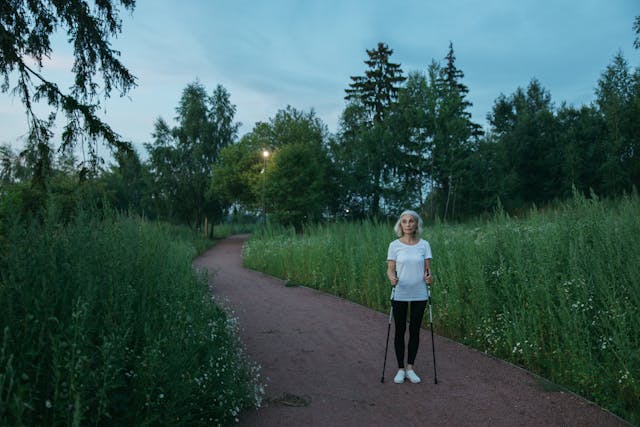
The most helpful part of Malik’s advice is how ordinary it is. She is not asking people to chase punishing workouts. She is asking them to make blood travel more often. That shift matters because many adults fail not from laziness, but from overcomplication. They imagine a longevity plan must involve expensive gear, long gym sessions, or dramatic cold exposure routines. In truth, the main driver is simpler. WHO guidance says even small amounts help. CDC says, “Some physical activity is better than none at all.” That idea sounds basic. Yet it frees people from all-or-nothing thinking. A circulation-friendly day might start with a short walk after breakfast. It might include standing during a call, climbing stairs, and doing chores before sitting again.
It can also include a walk after lunch. Furthermore, it should avoid long evening stretches in one chair. For desk workers, it may mean building shorter seated blocks. The body does not demand perfection. It responds to repeated chances to move. That also helps explain why people with active home routines, active jobs, or active hobbies often carry hidden advantages. Their movement is built into the day before motivation even enters the room. Some of Malik’s supporting tips deserve careful framing. Leg elevation has a real place in venous care. A venous ulcer review noted that “Leg elevation has been used for a long time.” It remains recommended there. It can support venous return, reduce edema, and improve lower-limb symptoms for the right patient.
Read More: Why ‘Japanese Walking’ Might Outshine the 10,000 Steps Rule
That does not make it a master key for longevity. It makes it a useful tool and may help people with leg swelling or venous insufficiency. It may help people after long days on their feet or in a chair. Cold water at the end of a shower is weaker territory. It may briefly challenge blood vessels. Yet the strongest longevity guidance still centers on movement, strength, balance, and sitting less. So the most practical reading of Malik’s message is also the least glamorous one. Healthy aging often grows from habits that look small and almost forgettable. Walk after meals. Break up sitting. Keep your legs working. Build strength. Protect balance. Keep errands active when possible.
Over the years, those actions may do more than occasional bursts of heroic exercise followed by stillness. People who reach 90 in good shape often do not live like biohackers. They live like people whose bodies are in use. That is likely the habit Malik keeps seeing in the clinic. It is not a magic secret. It is a practice circulated daily, in ways ordinary life can hold. That is also why the habit can start at almost any age. An older adult can still add walks, light strength work, and movement breaks. A middle-aged office worker can also stop treating the chair as the default. The entry point stays open because the core change is not extreme. It is a repeated motion. And repeated motion is exactly what blood vessels, muscles, and healthy aging seem to reward.
Disclaimer: This information is not intended to be a substitute for professional medical advice, diagnosis or treatment and is for information only. Always seek the advice of your physician or another qualified health provider with any questions about your medical condition and/or current medication. Do not disregard professional medical advice or delay seeking advice or treatment because of something you have read here.
A.I. Disclaimer: This article was created with AI assistance and edited by a human for accuracy and clarity.
Read More: Dick Van Dyke, 99, Shares Two Habits to Avoid for Longevity
Trending Products

Red Light Therapy for Body, 660nm 8...

M PAIN MANAGEMENT TECHNOLOGIES Red ...

Red Light Therapy for Body, Infrare...

Red Light Therapy Infrared Light Th...

Handheld Red Light Therapy with Sta...

Red Light Therapy Lamp 10-in-1 with...

Red Light Therapy for Face and Body...

Red Light Therapy Belt for Body, In...

Red Light Therapy for Shoulder Pain...
