
It often starts with small changes that others notice first. A teen sleeps less, becomes unusually suspicious, or reacts to ordinary comments as if they carry hidden threats. Then the shift accelerates: concentration collapses, school attendance drops, and family conversations turn tense and confusing. Many people link psychosis mainly with schizophrenia, yet clinicians also treat episodes tied to substance use, including cannabis. At the same time, cannabis products have evolved, and high-THC options now dominate many markets.
A large Canadian study adds another pressure point: more recent birth cohorts in Ontario show higher rates of diagnosed psychotic disorders, with the sharpest rise in ages 14 to 20 years. The study does not “blame” cannabis, yet it raises the importance of examining youth exposures, including high-potency cannabis-induced psychosis and other cannabis mental health risks. This article breaks down what the data showed, who appears most at risk, and how families, schools, and health services can act early.
What the Ontario birth-cohort study actually found
Researchers led by Dr. Daniel T. Myran analyzed linked health administrative data for everyone born between 1960 and 2009 in Ontario, Canada. They used databases held at ICES and tracked diagnoses from 1992 to 2023. The team focused on schizophrenia spectrum disorder and “psychosis not otherwise specified,” counted as nonaffective psychotic disorders. They defined new incidence as a diagnosis with no care for a psychotic disorder in the previous 5 years. This design helped separate new presentations from ongoing care. It also lets them compare across generations in a way that simple “overall trends” can miss.
The headline result centered on adolescence. As the authors reported, “Among people aged 14 to 20 years, incidence rates increased by 60% … between 1997 and 2023.” In the same window, rates stayed stable or declined among adults aged 21 to 50 years. The study also found stronger increases for psychosis not otherwise specified than for schizophrenia spectrum disorder. That split can signal earlier, more provisional diagnoses, yet it can also reflect real shifts in what brings young people to care. Either way, the age pattern is difficult to ignore.
The “vulnerable group” sits in the teen years
The study’s most consistent signal points to adolescents and the youngest adults. The annual incidence rise was concentrated in the ages of 14 to 20. That is the age band where many first episodes appear, and where delays in treatment can do lasting damage. The authors also found the average age at diagnosis fell in later birth cohorts. Earlier diagnosis can reflect better recognition, yet it also means more teens are reaching a threshold that triggers clinical coding and care.
Birth cohort modeling sharpened the picture. In age–period–cohort models, the authors estimated that “the incidence of schizophrenia was 70% … higher among those born in 2000 to 2004” compared with those born in 1975 to 1979. They also reported larger cohort increases for psychosis not otherwise specified, with incidence rate ratios rising more steeply than for schizophrenia spectrum disorder. The cohort signal began climbing from people born in the 1980s onward, which overlaps with major shifts in social stressors, substance availability, and patterns of help-seeking. The study cannot assign one cause, but it shows the risk landscape has changed for younger generations.
Why the findings do not prove a cannabis cause, yet still raise cannabis questions
It is tempting to read “psychosis up in teens” and point to one culprit. The Ontario study did not measure cannabis exposure directly, so it cannot claim that cannabis caused the cohort increases. The authors explicitly discuss other contributors, including urbanization, early-life adversity, migration stress, perinatal factors, and broader substance use trends. Their argument is more careful: birth cohort differences suggest changing exposures, and those exposures deserve study.
Still, cannabis stays on the shortlist because the timing fits, and because independent research links teen cannabis use with later psychotic disorders. A recent Ontario-linked study from CAMH, the University of Toronto, and ICES reported a striking association in adolescence. Lead author Dr. André McDonald said, “We found a very strong association between cannabis use and risk of psychotic disorder in adolescence.” The same CAMH summary also notes cannabis potency in Canada rose dramatically over the decades, describing an increase from about 1% THC in 1980 to about 20% in 2018. Even if the Ontario cohort paper is not a cannabis paper, it lands in a world where teen exposure may be stronger, and products may be more potent.
High-potency cannabis and first-episode psychosis: what stronger evidence shows
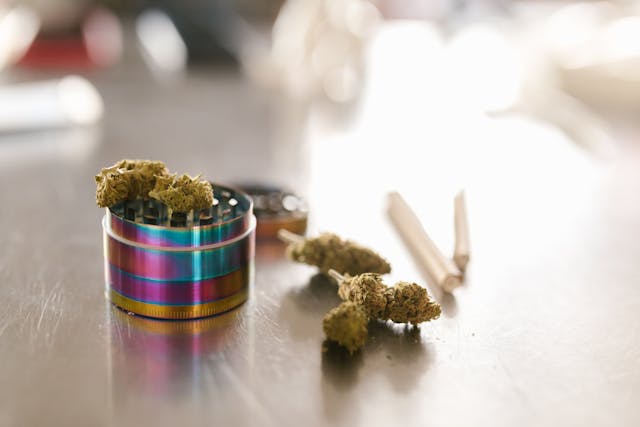
Beyond broad associations, researchers have tested whether product strength and daily use track with first-episode psychosis. A well-known line of work led by Dr. Marta Di Forti and colleagues links high-THC products with higher odds of psychosis in people presenting for first-episode care. University of Bath researchers summarized findings from a multi-site study across Europe and Brazil, emphasizing patterns of use and potency. Dr. Tom Freeman said, “We found that daily use of high THC cannabis was associated with a five-fold increased risk of psychosis.”
That kind of result does not mean most users develop psychosis. It does suggest that risk rises sharply in certain patterns of use, especially frequent use of high-THC products. The Bath summary also highlights a population-level point: where high-potency cannabis is widely available, a higher share of new psychosis cases may be linked to daily use patterns. These findings help explain why “cannabis-induced psychosis” and high-potency cannabis psychosis keep showing up in clinical settings. They also support practical advice that targets dose, frequency, and age of first use, not vague warnings.
What major public-health agencies say about cannabis and psychosis
Public-health guidance tends to avoid dramatic claims, yet several agencies now state the psychosis signal plainly. The US Centers for Disease Control and Prevention describes psychosis as “not knowing what is real, hallucinations, and paranoia,” and states that people who use cannabis are more likely to develop psychosis and longer-lasting disorders. The CDC also adds a key qualifier that matches the “vulnerable group” framing, noting that “The association between cannabis and schizophrenia is stronger in people who start using cannabis at an earlier age and use cannabis more frequently.”
That sentence carries two practical levers. First, delaying the onset of use can reduce risk. Second, reducing frequency can reduce risk. It also aligns with what early psychosis services report in practice: when a teen uses high-THC products daily, clinicians often see more paranoia, more sleep disruption, and more crisis presentations. Agency statements do not settle scientific debates, yet they reflect a growing consensus that earlier and heavier use increases psychosis risk, even if the exact causal pathways vary by person.
Cannabis-induced psychosis can become a longer illness for some people
One reason clinicians treat cannabis-related psychosis urgently is the risk of diagnostic “conversion” later. A large Danish registry study led by Dr. Marie Søndergaard K. Starzer followed people with substance-induced psychosis and tracked later diagnoses. The authors reported, “The highest conversion rate was found for cannabis-induced psychosis, with 47.4% … converting” to schizophrenia-spectrum or bipolar disorders. They also noted that younger age increased the risk of converting to schizophrenia-spectrum disorders.
This does not mean cannabis “creates” schizophrenia in half of users. It does mean that a cannabis-induced psychosis event can mark a high-risk clinical group. Some people may already carry genetic or developmental vulnerability, and cannabis acts as a trigger or accelerator. Others may experience severe, repeated intoxication-related episodes that erode stability over time. In real-world care, this evidence supports firm follow-up after any psychosis episode tied to cannabis, especially for teens and young adults.
How product strength, dose, and brain development intersect
The most consistent “vulnerable group” signal across sources is youth. Adolescence includes rapid synaptic pruning, myelination, and maturation of executive control. THC interacts with the endocannabinoid system, which plays a role in brain development. That does not guarantee harm in every case, but it increases uncertainty and risk, especially at high doses. The National Academies’ review concluded, “Cannabis use is likely to increase the risk of developing schizophrenia and other psychoses; the higher the use, the greater the risk.”
High potency products raise the “higher the use” issue in a new way. A teen may take in far more THC per session than users did decades ago, even if the number of sessions stays similar. Concentrates and high-THC flower can also increase intoxication volatility, including panic, paranoia, and sleep loss. Sleep loss alone can intensify psychotic-like experiences, which can spiral in someone already vulnerable. This is why risk messaging increasingly focuses on potency, not only on “use” as a simple yes or no.
Why the Ontario rise could reflect both better detection and real increases
The Ontario cohort paper also discusses health-system change. Ontario expanded early psychosis intervention programs, rising from 5 programs in 2004 to 50 programs in 2015, which can pull more young people into earlier assessment. Better access can lower age at diagnosis and increase provisional psychosis not otherwise specified coding. The authors tested this possibility with sensitivity analyses across outpatient and hospital settings and still found similar cohort patterns. The persistence across settings argues against “coding changes only” as a full explanation.
At the same time, better detection likely plays some role. Families may seek care sooner, schools may flag early changes faster, and emergency departments may code more consistently. The most useful takeaway is not an argument about what share is “real” versus “detection.” The useful takeaway is capacity planning and prevention. If the teen incidence rises in practice, services need staff, rapid access pathways, and step-down care that keeps young people connected after crisis stabilization.
What prevention and early action look like in everyday life
Effective prevention focuses on the modifiable risk knobs: age of first use, frequency, potency, and co-use with other substances. For parents and teens, the cleanest message is direct. Earlier and heavier use increases psychosis risk, and high-potency products raise it further. For clinicians, it also means asking about THC strength, not only “do you use.” For policymakers, it means aligning packaging, labeling, and youth protections with real product potency.
CAMH’s youth-focused messaging captures the stakes in plain terms. Dr. Leslie Buckley said, “We see firsthand the devastating and irreversible effects of cannabis use on young people’s brains.” Not every teen faces that outcome, yet the harm profile concentrates in those with early onset, frequent use, high potency exposure, and existing vulnerability. When a young person develops paranoia, hallucinations, or severe thought disorganization, the priority is immediate medical care and a safe environment. If symptoms follow cannabis use, stopping use is a key clinical step, alongside assessment for underlying psychotic disorders and supportive follow-up.
Read More: Prescription Drug Linked to Psychosis Risk
Conclusion
The Ontario birth-cohort study led by Dr. Daniel T. Myran, using linked provincial health data analyzed at ICES, adds urgency to a debate that often stays abstract. Diagnosed nonaffective psychotic disorders rose in adolescence, with a 60% increase in annual incidence among people aged 14 to 20 years from 1997 to 2023, while adult rates stayed stable or fell. The authors also reported a higher incidence in more recent birth cohorts and a younger mean age at diagnosis. They observed larger increases for psychosis not otherwise specified than for schizophrenia spectrum disorder, which can reflect earlier presentations, provisional coding, or true shifts in risk. The response should stay concrete and fast. If hallucinations, paranoia, or disorganized thinking appear after cannabis, stop use immediately, avoid other intoxicants, protect sleep, and seek urgent clinical assessment.
Keep follow-up even after symptoms settle, because an early episode can mark ongoing vulnerability that needs support at school, at home, and in healthcare. Prevention has clear levers: delay first use, reduce frequency, and avoid high-THC products, especially for teens. As the CDC states, “The association between cannabis and schizophrenia is stronger in people who start using cannabis at an earlier age.” Communities can also strengthen early psychosis services, improve access to youth mental healthcare, and make pertinent information easy to understand, so families act before a crisis escalates. For young people already using, clinicians can offer counseling, family education, and treatment for anxiety or insomnia. Schools can support returns with accommodations, while caregivers watch for relapse signs.
Disclaimer: This information is not intended to be a substitute for professional medical advice, diagnosis or treatment and is for information only. Always seek the advice of your physician or another qualified health provider with any questions about your medical condition and/or current medication. Do not disregard professional medical advice or delay seeking advice or treatment because of something you have read here.
A.I. Disclaimer: This article was created with AI assistance and edited by a human for accuracy and clarity.
Read More: Psychiatrist Weighs In: Alcohol vs. Cannabis Risks After New Side Effect Emerges
Trending Products

Red Light Therapy for Body, 660nm 8...

M PAIN MANAGEMENT TECHNOLOGIES Red ...

Red Light Therapy for Body, Infrare...

Red Light Therapy Infrared Light Th...

Handheld Red Light Therapy with Sta...

Red Light Therapy Lamp 10-in-1 with...

Red Light Therapy for Face and Body...

Red Light Therapy Belt for Body, In...

Red Light Therapy for Shoulder Pain...
