Going completely alcohol-free is a growing trend that more and more people seem to be taking up. While you may think this is a good idea for your health, perhaps going 100% non-alcohol seems a bit too extreme for yourself, personally. But is simply cutting back on alcohol intake worth it, or is it only effective if you cut the stuff out, cold turkey? Scientists explain that while the decision to completely abstain from alcohol offers the most profound health transformations, the physiological shift that occurs when you cut back is surprisingly significant. For many, the idea of permanent sobriety is daunting, leading to an all-or-nothing mentality that often results in continued heavy consumption. However, emerging research into harm reduction shows that even a 50% reduction in intake can trigger a cascade of restorative biological processes.
So for those of us who are not ready to completely kick the habit, keep reading to explore the intricate ways your organs, muscles, and mind respond when you transition from heavy or frequent drinking to a more moderate, intentional relationship with alcohol.
What Happens to Your Body When You Cut Back on Drinking: Metabolic Relief and Blood Chemistry
When you reduce your alcohol intake, the first system to feel the relief is your metabolic engine. Alcohol is a toxin that the body prioritizes for elimination above all other nutrients. When you drink, your body stops burning fat and carbohydrates to focus solely on processing the ethanol. By cutting back, you give your metabolism breathing room. Scientists note that even a few days of reduced intake lead to a decrease in insulin resistance. This is crucial because high insulin resistance is a precursor to Type 2 diabetes. Furthermore, your liver, the primary site of alcohol metabolism, begins to shed excess fat. Fatty liver is a common condition among regular drinkers, but the liver is remarkably resilient. When the constant influx of toxins slows down, the liver can begin to prioritize lipid metabolism again. This reduces inflammation and the risk of long-term scarring, called fibrosis.
Cardiovascular Health: The Pressure Drops

One of the most immediate “invisible” benefits of cutting back on alcohol is the impact on your blood pressure. Alcohol acts as a vasodilator initially, but its long-term presence in the system causes blood vessels to constrict and harden the arterial walls. According to studies highlighted by the American Addiction Centers, reducing alcohol consumption significantly lowers blood pressure and decreases the strain on the heart muscle. For those who drink heavily, the heart can actually become stretched and thinned, a condition known as alcoholic cardiomyopathy. While quitting is the gold standard for recovery, cutting back reduces the toxic load on the heart. This allows the resting heart rate to stabilize and reduces the frequency of heart palpitations and arrhythmias like atrial fibrillation (AFib).
The Cognitive Bounce-Back: Brain Fog and Neuroplasticity

You don’t have to quit entirely to notice that the mental fog begins to lift. Alcohol is a central nervous system depressant that interferes with the communication pathways of the brain. Specifically, it affects the balance between glutamate, an excitatory neurotransmitter, and GABA, an inhibitory neurotransmitter. When you cut back, the brain begins to recalibrate this delicate chemical balance. Scientists have found that the prefrontal cortex, the area responsible for executive function, decision-making, and impulse control, begins to show signs of improved connectivity when alcohol intake is moderated. You may find that your reaction time improves and your ability to organize complex tasks becomes sharper. While heavy drinking can lead to brain shrinkage, cutting back allows the brain to utilize its natural neuroplasticity to repair damaged signaling pathways.
Emotional Health: Breaking the Anxiety Loop

Perhaps the most misunderstood aspect of alcohol is its relationship with stress. Many people use a drink to unwind, but alcohol actually triggers a physiological stress response. It raises levels of cortisol, the body’s primary stress hormone. When you cut back, you break the cycle of rebound anxiety. This is the phenomenon where the brain, trying to compensate for the sedative effects of alcohol, becomes overstimulated once the alcohol leaves the system. By reducing your intake, your baseline levels of anxiety begin to drop. You’ll likely notice a more stable mood throughout the day and a reduction in the Sunday scaries or general irritability. Emotional regulation becomes easier because the amygdala, the brain’s emotional center, is no longer being constantly dampened and then over-excited by ethanol.
Sleep Quality and the REM Cycle

Many drinkers believe alcohol helps them sleep, but scientists explain that it is actually a thief of high-quality rest. Alcohol might help you fall asleep faster due to sedation, but it prevents you from entering REM (Rapid Eye Movement) sleep, which is the stage of sleep necessary for cognitive processing and emotional regulation. Cutting back on alcohol, especially in the evening, allows your body to complete more full sleep cycles. This results in the following:
- Improved memory consolidation: Your brain files information better during REM.
- Temperature regulation: Alcohol causes night sweats and fluctuations in body temperature. Cutting back keeps your internal thermostat stable.
- Physical repair: Growth hormone is released during deep sleep. Without the interference of alcohol, your body can more effectively repair tissues and cells.
Muscle Growth and Athletic Recovery

Image credit: Shutterstock
For those who are active, alcohol is a major inhibitor of physical progress. It interferes with protein synthesis, the process by which the body repairs and builds muscle tissue after a workout.
When you cut back, you see a direct correlation in your physical performance. Alcohol is a diuretic, meaning it dehydrates the body and leaches essential electrolytes like magnesium and potassium, which are vital for muscle contraction. By reducing your intake, your muscles remain better hydrated, reducing the risk of cramps and injuries. Furthermore, lower alcohol levels mean higher levels of testosterone (in both men and women) and lower levels of cortisol, creating an anabolic environment that is much more conducive to building strength and endurance.
The Immune System: Restoring Your Shield
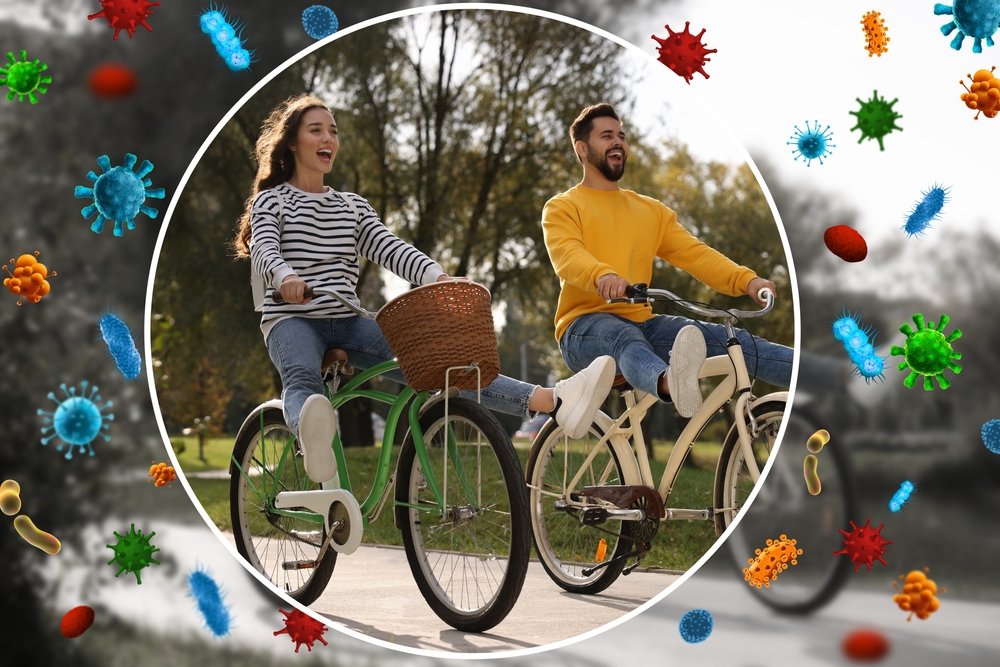
Image credit: Shutterstock
Alcohol is known to suppress the immune system, making the body more susceptible to everything from the common cold to more serious infections like pneumonia. Scientists have observed that even 24 hours after a heavy drinking session, the body’s ability to ward off infections is significantly slowed.
By moving toward a cut back model, you allow your white blood cells to regain their efficacy. Your gut microbiome, which houses about 70% of your immune system, also begins to heal. Alcohol can cause leaky gut syndrome, where toxins and bacteria escape the intestines and enter the bloodstream. Reducing your intake allows the delicate lining of the gut to repair itself, leading to better nutrient absorption and a more robust defense against pathogens.
Long-Term Risk Mitigation: Cancer and Organ Longevity

The relationship between alcohol and cancer is dose-dependent; the more you drink, the higher the risk. This is particularly true for cancers of the breast, mouth, throat, liver, and colon.
Cutting back is a powerful form of harm reduction. by reducing the frequency and volume of alcohol consumption, you reduce the amount of acetaldehyde in your body. Acetaldehyde is a toxic chemical produced when the body breaks down alcohol. It can damage DNA and prevent the body from repairing the damage. While no amount of alcohol is considered “safe” by many health organizations, the reduction in exposure to this carcinogen is a vital step in lowering your lifetime cancer risk.
Finding the “Sweet Spot”: Practical Strategies
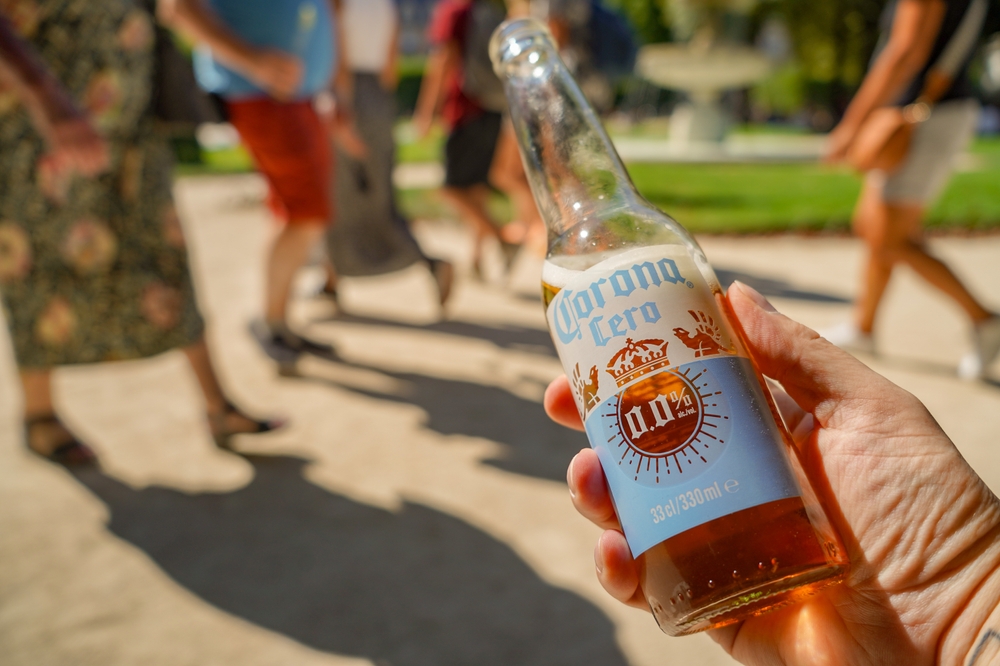
Image credit: Shutterstock
Transitioning from heavy drinking to moderate or light drinking requires a tactical approach. Scientists and addiction specialists recommend several methods to make the transition sustainable. These include:
- The Two-Day Rule: Ensure you have at least two consecutive alcohol-free days each week to allow the liver to fully clear toxins.
- Pacing with water: Drink one glass of water for every alcoholic beverage. This slows consumption and keeps you hydrated.
- The 1:1 Rule: Only allow yourself one drink per hour, which aligns with the rate at which the average liver can process ethanol.
- Social re-routing: Engage in activities that don’t revolve around a bar setting, such as hiking, cinema, or sports.
The Power of Incremental Change

While the narrative around alcohol often focuses on the binary choice of sober or not, the scientific reality is that the body responds to every ounce of reduction. Cutting back on alcohol is not just about avoiding a hangover; it is a systematic reboot of your biological functions. From the microscopic level of DNA repair to the macroscopic level of emotional stability and muscle performance, the benefits of moderation are profound. By choosing to reduce your intake, you are giving your liver the chance to heal, your brain the chance to rewire, and your heart the chance to strengthen. You don’t have to quit today to start feeling better tomorrow. You simply have to start the process of reclaiming your body’s natural state of balance.
Read More: 4 Surprising Side Effects You May Experience When You Quit Alcohol
Trending Products

Red Light Therapy for Body, 660nm 8...

M PAIN MANAGEMENT TECHNOLOGIES Red ...

Red Light Therapy for Body, Infrare...

Red Light Therapy Infrared Light Th...

Handheld Red Light Therapy with Sta...

Red Light Therapy Lamp 10-in-1 with...

Red Light Therapy for Face and Body...

Red Light Therapy Belt for Body, In...

Red Light Therapy for Shoulder Pain...
