Anxiety can affect many aspects of your life, such as disrupting your sleep, focus, and appetite. It can also linger for months. Many people start with therapy or medication, and that makes sense. Yet researchers also study how diet supports brain chemistry over time. A recent 2025 review linked anxiety diagnoses with lower levels of brain choline. Choline is an essential nutrient found in everyday foods. Across many brain scans, it was found that people with anxiety showed about 8% lower choline signals. The difference appeared most clearly in the prefrontal cortex.
That region supports planning, self-control, and emotion regulation. Choline helps build cell membranes and supports acetylcholine, a chemical involved in memory and mood. This research does not prove that low choline causes anxiety. However, it adds weight to work on anxiety and nutrition. It also raises practical questions about choline and anxiety in daily diets. The sections below explain the study, the biology, and safe next steps. They also explain what the evidence cannot show yet. Experts urge caution with supplements and self-treatment.
The study that spotlighted choline and anxiety
In 2025, UC Davis Health researchers Richard J. Maddock and Jason Smucny pooled prior brain spectroscopy evidence. They ran a systematic review and meta-analysis in the journal Molecular Psychiatry. They included 25 datasets that met their criteria. Those datasets compared 370 patients with anxiety disorders with 342 control participants. The datasets covered generalized anxiety disorder in several studies. They also included panic disorder and social anxiety disorder. The team examined neurometabolites measured inside the brain using 1H-MRS. Across cortical regions, total choline was lower in participants with anxiety diagnoses. The prefrontal cortex showed the most consistent reduction. The paper reported an 8% mean reduction in cortical choline signals. Maddock said,“An 8% lower amount doesn’t sound like that much, but in the brain it’s significant.”
The authors also described a care gap that research alone cannot fill. Anxiety disorders affect about 30% of adults at some point in life. Many people still do not receive adequate treatment. The meta-analysis does not claim choline explains every case of anxiety. It also does not claim that food can replace therapy or medication. Yet it gives scientists a measurable target for trials. The paper also reported a stronger effect in higher quality measurements. In those studies, the effect size reached Hedges’ g of about -0.64. That trend suggests noise did not create the signal. It also suggests future studies should prioritize measurement quality. For now, the result points to nutrition as a plausible support pathway. The authors also urged more research before diet changes become treatment.
What choline does in the body, and why the brain needs it
Choline supports the brain through concrete biology. It helps build phospholipids that form cell membranes. Membranes shape how neurons fire and how receptors sit on cells. Choline also supports signaling molecules that neurons use to communicate. The NIH Office of Dietary Supplements describes a key role. It states, “Choline is needed to produce acetylcholine, an important neurotransmitter for memory, mood, and muscle control.” Acetylcholine influences attention and learning. It also supports muscle control, which affects breathing and tension. Those functions can shift during chronic worry and hyperarousal. Choline also supports early brain development across the lifespan. The NIH also links choline to cell membrane signaling and lipid metabolism.
Choline also provides methyl groups for metabolic processes. Methyl chemistry influences gene expression and cell signaling. The NIH fact sheet calls choline a source of methyl groups. When folate intake is low, choline requirements may increase. Under prolonged stress, the body shifts fuel use and hormone signaling. Those shifts can influence appetite, digestion, and inflammation. Nutrition can shape those same systems, sometimes for the better. That is why anxiety and nutrition often intersect in daily life. Low brain choline may reflect higher demand, lower intake, or both. It may also reflect diets that limit eggs, meat, or soy foods. Researchers, therefore, treat choline as one piece of a larger puzzle. Still, it is a useful piece because it is measurable and modifiable. The body makes some choline, yet it usually cannot meet total needs. The NIH notes that choline supports phosphatidylcholine and sphingomyelin in cell membranes.
What the brain scans measure, and what they cannot prove
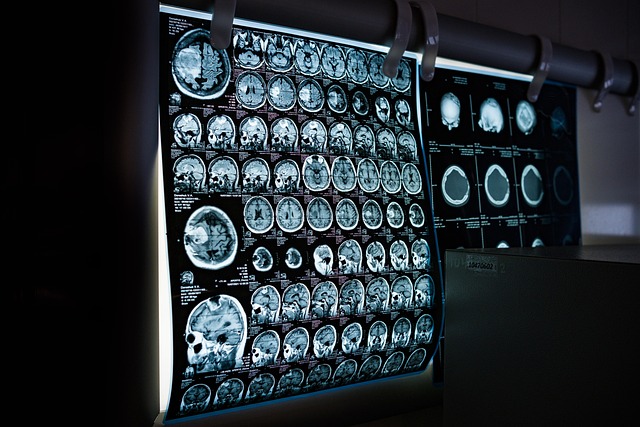
The meta-analysis relied on proton magnetic resonance spectroscopy, also called 1H-MRS. This method uses MRI equipment to detect chemical peaks in brain tissue. It does not image thoughts or emotions directly. Instead, it estimates metabolite levels within a chosen brain region. Researchers select a small volume, often called a voxel. The scanner then reports peaks for several chemicals in that space. The study analyzed total choline, often written as tCho. This signal reflects choline-containing compounds in membranes and related pathways. Researchers often interpret it as a marker of membrane turnover and cell integrity. However, it does not measure dietary intake, and it does not diagnose deficiency. It also cannot show whether lower tCho is a cause or an effect. It is a noninvasive approach used in research settings.
The authors used careful language in their abstract. They wrote, “Reduced choline-containing compounds in cortical regions is a consistent, transdiagnostic abnormality in AnxD.” Transdiagnostic means the signal spans more than one diagnosis. That reduces the chance that a single study quirk drove the result. The paper also reported a few consistent differences in other metabolites. It did note changes in N-acetylaspartate across cortical regions after exclusions. That finding can point to altered neuronal function. The authors also discuss chronic arousal biology, including norepinephrine. Arousal systems can alter membrane phospholipid balance and methyl reactions. That could raise demand for choline compounds in the brain. Only intervention studies can test whether boosting intake changes brain signals. The authors also reported no clear evidence of publication bias in their analyses.
Choline in the diet, and why many people fall short
Choline is common in food, but intake varies widely. Harvard’s Nutrition Source explains why diet still plays a role. It notes, “The body can also produce small amounts on its own in the liver.” However, those small amounts cannot cover daily needs for most people. The NIH Office of Dietary Supplements provides Adequate Intake targets for planning. For adults aged 19 and older, the AI is 550 mg per day for men. For women, the AI is 425 mg per day. During pregnancy, the AI is 450 mg per day. These numbers give a benchmark for choline and anxiety discussions. They also help clarify what “enough” can look like on a normal day. Pregnancy deserves special attention in nutrition planning. The NIH notes that choline is naturally present in some foods and supplements.
Food choices can close the gap without complicated rules. One large hard-boiled egg provides 147 mg of choline. Beef liver provides much more per serving. Fish and poultry also contribute meaningful amounts. Soybeans can help in plant-forward diets. Cruciferous vegetables also provide choline, though in smaller amounts. The NIH reports that the average intake from foods is 402 mg in men. In women, the average intake is 278 mg. The NIH also reports that about 90% to 95% of pregnant women consume less than the AI. That gap can happen with food aversions or low animal protein. Still, true deficiency is rare in healthy adults. For most people, the goal is meeting needs consistently over time. In the United States, major sources include meat, dairy products, and eggs.
Supplements, safety limits, and realistic expectations
A supplement can look like a quick fix during anxious periods. Yet high-dose choline has real downsides. “High intakes of choline are associated with a fishy body odor, vomiting, excessive sweating and salivation, hypotension, and liver toxicity.” The NIH Office of Dietary Supplements lists these risks. It also sets an adult upper limit of 3,500 mg per day. That total includes food and supplements combined. Typical supplements contain 10 mg to 250 mg of choline per serving. The NIH notes no studies compare bioavailability across supplement forms. High doses can also raise TMAO levels in a dose-dependent way. That link adds another reason to avoid megadoses. The NIH says ULs were based on hypotension and fishy body odor. Supplement labels may list choline bitartrate or phosphatidylcholine. Some multivitamins include choline, but amounts are often small.
The bigger issue is uncertainty about symptom benefit. Maddock said, “We don’t know yet if increasing choline in the diet will help reduce anxiety.” That uncertainty should shape expectations. If someone wants to explore the benefits of choline, food is the safest start. Supplements may fit when the diet is limited or medically supervised. A clinician can consider pregnancy and liver health. A clinician can also review any supplement stack for total intake. Anxiety treatment still relies on proven approaches, including therapy. Medication can also help when symptoms block daily life. Nutrition works best when it supports that wider plan. Small changes are easier to sustain during stressful months. If you change your diet, keep other routines stable, including sleep timing.
A practical anxiety and nutrition plan you can use now

The research supports a sensible approach, not an extreme one. Start with regular meals that support energy and sleep. Then add choline-rich foods in realistic portions. Eggs can help if they fit your diet. Soy foods can also contribute, including tofu and edamame. Fish can support omega-3 intake and add choline. Rotate these foods across the week so meals stay enjoyable. Simple cooking reduces decision fatigue during anxious weeks. Consistency beats intensity in nutrition. Pair this with hydration and steady caffeine habits. Those steps can reduce physical stress load for many people. If cooking is hard, choose simple staples that need little prep. Add one change at a time, then keep it for several days. For breakfast, eggs or yogurt can pair well with fruit. For lunch, add tofu to salads, or add canned fish to sandwiches.
Use the AI numbers as a guide, then adjust with professional help. Track a few typical days, then estimate choline intake. If intake looks low, add foods before adding pills. Federal guidance supports this food-first idea. It says, “nutritional needs should be met primarily through foods.” Pair dietary changes with evidence-based anxiety care. Therapy can help even when symptoms run high. If you use medication, keep diet changes consistent for a few weeks. That makes it easier to notice what helps and what harms. Researchers can now test whether diet shifts change brain choline signals. Until then, treat choline as support, not a stand-alone solution. If anxiety worsens, pause changes and review the plan. Bring this paper to your clinician if you want tailored advice.
Read More: A New Mental Health Trend? ‘Peniaphobia’ Is Getting Attention
Conclusion
The choline finding adds a concrete clue to the anxiety and nutrition conversation today. A 2025 meta-analysis combined 25 brain spectroscopy datasets and found lower cortical choline in anxiety disorders. The reduction averaged 8% and appeared most consistent in the prefrontal cortex. Brain choline signals do not directly measure dietary intake. The results cannot prove that low choline causes anxiety symptoms. Maddock said, “We don’t know yet if increasing choline in the diet will help reduce anxiety.” The sensible takeaway is food-first support alongside evidence-based care. The NIH says, “Choline is needed to produce acetylcholine, an important neurotransmitter for memory, mood, and muscle control.”
Those benefits of choline make adequate intake a reasonable goal over time. Yet high-dose supplements can cause problems, and the NIH sets an adult upper limit. Choose choline-rich foods that fit your routine, preferences, and budget. Many people with anxiety often eat irregularly, so choline intake can drop. Small, steady food upgrades beat sudden overhauls when stress runs high. Discuss supplement use with a clinician if pregnancy or liver disease applies. If anxiety disrupts sleep or work, involve a clinician early. Future trials should test whether a diet that increases choline and anxiety improves. It also helps to view choline as one part of a broader nutritional base. Stable meals, enough protein, and adequate sleep support recovery. Track changes for 2 weeks, then reassess. If symptoms intensify, pause and get professional guidance before adding more interventions.
Disclaimer: The author is not a licensed medical professional. The information provided is for general informational and educational purposes only and is based on research from publicly available, reputable sources. It is not intended to constitute, and should not be relied upon as, medical advice, diagnosis, or treatment. Always consult a licensed physician or other qualified healthcare provider regarding any medical condition, symptoms, or medications. Do not disregard, avoid, or delay seeking professional medical advice or treatment because of information contained her
A.I. Disclaimer: This article was created with AI assistance and edited by a human for accuracy and clarity.
Read More: Top Natural Supplements and Vitamins to Help Relieve Anxiety and Stress
Trending Products

Red Light Therapy for Body, 660nm 8...

M PAIN MANAGEMENT TECHNOLOGIES Red ...

Red Light Therapy for Body, Infrare...

Red Light Therapy Infrared Light Th...

Handheld Red Light Therapy with Sta...

Red Light Therapy Lamp 10-in-1 with...

Red Light Therapy for Face and Body...

Red Light Therapy Belt for Body, In...

Red Light Therapy for Shoulder Pain...
