
Heart failure with preserved ejection fraction, or HFpEF, is now the most common form of heart failure. Many people who develop it also live with obesity and type 2 diabetes. GLP-1 medications began as diabetes treatments, yet their role has broadened recently. Many patients use them to improve glucose control and reduce weight. Over the past two years, researchers have tested whether GLP-1–based medicines can help this specific group. Randomized trials revealed improved symptoms and overall fitness when using semaglutide, also known as Ozempic or Wegovy.
A new real-world study linked semaglutide and tirzepatide (Mounjaro) with fewer hospitalizations and fewer deaths. According to the study’s author, Dr Nils Krüger, of Brigham and Women’s Hospital, “Despite the widespread morbidity and mortality burden of HFpEF, current treatment options are limited. Both semaglutide and tirzepatide are well known for their effects on weight loss and blood sugar control, but our study suggests they may also offer substantial benefits to patients with obesity and type 2 diabetes by reducing adverse heart failure outcomes.” People and clinicians now want to know what this means for health care today. Let’s find out more about the study on GLP-1 medications’ unexpected side effects.
Understanding HFpEF and The Role of GLP-1 Medications
HFpEF occurs when the heart muscle pumps well but fills poorly. The muscle grows stiff, so the main chamber cannot relax and take in blood. People often feel breathless on hills or stairs and notice swelling in their legs. Doctors diagnose HFpEF when symptoms align with tests that show a normal ejection fraction but abnormal filling. Risk rises with age and is higher in people with obesity or diabetes. Women are often affected, and many struggle with daily fatigue. This pattern differs from reduced-ejection heart failure, where the pump is weak. Both conditions harm quality of life, yet HFpEF has fewer proven drug options. The burden is large and growing, so better therapies are needed as soon as possible.
GLP-1 receptor agonists help to lower glucose and reduce body weight. Semaglutide and tirzepatide also lower inflammatory signals and improve metabolic strain on the heart. HFpEF often exists within a broader cardiometabolic picture that includes central adiposity. That specific combination makes the heart stiff, so filling gets harder. As a result, patients start to struggle on stairs and slow down on walks. Because GLP-1 drugs address weight, glucose, and systemic inflammation, researchers wondered if patients might experience improved well-being and reduced hospitalizations.
Nausea and gastrointestinal symptoms are common early on, and so slow dose steps help many patients. A black-box warning notes thyroid C-cell tumors in rodents, so people with specific thyroid cancer histories must avoid the drug. Evidence for macrovascular benefit appears in some trials. However, not every label promises that for every group. Ongoing work will clarify which outcomes change the most. In the STEP-HFpEF trial, semaglutide dropped a key inflammation marker by about 44%. People could move more and felt better, too. GLP-1 medications also appear to shrink heart-adjacent fat and quiet inflammatory signals.
The Results of Previous Randomized Trials

In the STEP-HFpEF program, the researchers gave patients with obesity-related HFpEF semaglutide weekly. The participants reported fewer symptoms and had better exercise capacity than their peers who took a placebo. Their weight also decreased, and physical limitations improved. These gains are clinically meaningful for those people who struggle with daily tasks. A separate tirzepatide program, called SUMMIT, later reported fewer worsening heart failure events compared to a placebo. It also indicated better health status over a long follow-up period.
The strength of these trials is that they enrolled carefully selected patients and used rigorous methods. However, trial volunteers often differ from everyday clinic populations. Therefore, more real-world studies can complement these trials by including broader groups and routine practices. Together, these different lines of evidence can help to form a stronger overall picture. Each type has strengths and gaps, so understanding both is important. People can use this knowledge to pair certain medicines with changes in lifestyle and cardiac rehabilitation when available.
The New Real-World Study on GLP-1 Medications’ Side Effects
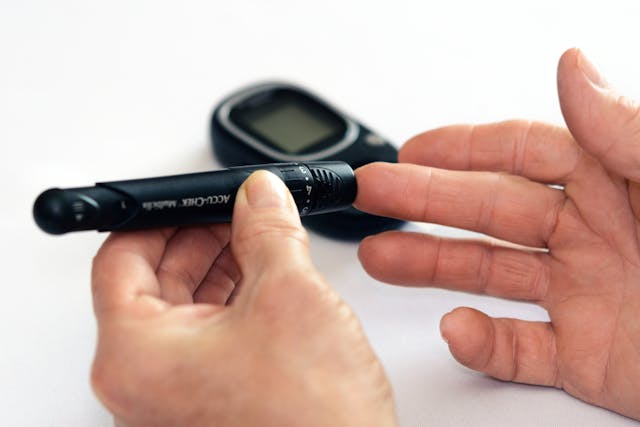
The team pulled de-identified records from big U.S. health systems and insurers. This includes documents such as clinic notes, prescriptions, lab values, and hospital claims linked together. They only included adults who clearly had HFpEF, obesity, and type 2 diabetes. It involved more than 90,000 adults who started a GLP-1 drug in routine care. These new users started the clock, so the timing of the study remained clean. Each starter was matched to a similar person who did not start a GLP-1 medication at that time. This matching took into account many variables, such as age, labs, meds, and prior hospital visits. That helps keep the groups fair before any events happen.
They then followed people to see what occurred after the start date. Some checks treated exposure as “start and keep going.” That refers to an intention-to-treat style analysis. Basically, once someone starts a GLP-1, they are treated as “on it.” They stay in that group for the whole follow-up period. Even if they later pause, switch, or stop, the label stays. Other checks updated exposure when people stopped or switched. This means that the data tracks whether a person is currently taking the drug. If they stop, their exposure status changes at that time. If they switch drugs, the status changes to reflect that. The main outcome combined the first heart-failure hospitalization and death from any cause. They also ran sensitivity analyses to stress-test the setup. Subgroups looked at things like age, BMI, and kidney function.
Results of the Study

Over follow-up, the GLP-1 starters landed in the hospital less often. They also died less often from any cause. The reduction was big for both drugs. Semaglutide showed about a 42% lower combined risk. Tirzepatide showed an even larger drop in that combined outcome. The absolute benefit depends on a person’s baseline risk, which varies widely. It helps to translate relative risk into everyday terms. If your personal baseline risk is high, a similar relative drop means more absolute relief. If your baseline risk is lower, the same relative drop means fewer avoided events. That is why doctors talk about both kinds of numbers. The survival curves in the study started to split early. They stayed apart over time, which suggests a steady effect. People with higher body mass index often showed strong signals. Better diabetes control likely played a role in fewer bad days. These patterns match what trials saw with symptoms and functional gains.
There are still real-world issues to keep in mind, though. Doses in the wild are not always the same as clinical trial doses. People sometimes pause or stop when nausea hits. Access and cost can often affect who stays on treatment. Other conditions also vary between clinics. So results will differ for each person. That is why you and your clinician still need a plan that fits your life. It should cover dose steps, side effect support, and clear goals. Labels and guideline basics still matter while updates work through committees. The big database study backs what earlier trials hinted at. GLP-1 medications are not only about sugar and weight. In the right HFpEF group, they seem to cut serious events. The signal looks meaningful and shows up early.
Safety and Who Shouldn’t Use GLP-1 Medications

All medicines carry risks that clinicians must weigh against potential benefits. For semaglutide, labels warn about thyroid C-cell tumors in rodents, and people with specific tumor histories should avoid use. Pancreatitis has been reported, so sudden, severe abdominal pain requires urgent care. Gallbladder problems can occur, especially with rapid weight loss. Nausea, vomiting, and diarrhea are common during titration, yet they usually improve. Rare events include intestinal obstruction and kidney issues during dehydration.
These details appear in prescribing information and should be reviewed before starting therapy. Tirzepatide shares many gastrointestinal effects, and similar cautions apply during dose increases. People who are pregnant or planning a pregnancy need special counseling. Clinicians should also check other medicines and renal status. A slow, individualized titration plan helps many patients tolerate treatment. Shared decision-making helps to build trust and keeps people engaged in long-term health care plans.
Current Guidelines and What Still Needs to be Learned

Here’s how doctors approach HFpEF right now. First, they treat congestion with diuretics because extra fluid drives symptoms. You breathe easier when swelling and lung fluid settle. Next, they add an SGLT2 inhibitor for most eligible people. That class lowers the chance of worsening heart failure and helps the kidneys. Blood pressure targets stay important across every visit. Your team also watches heart rhythm, since atrial fibrillation often complicates HFpEF. Structured exercise is part of that care, not an optional extra. Supervised programs can raise stamina and confidence over weeks. Weight management helps the heart fill more easily, especially with central adiposity. Some patients also benefit from mineralocorticoid receptor antagonists. Your clinician checks potassium and kidney function if that path fits you. Sleep apnea screening matters because untreated apnea keeps pressures high at night. Basically, a comprehensive plan almost always beats a single intervention.
The real-world evidence is strong, yet many questions remain open. We need better data on older adults with multiple conditions and frailty. We also need clarity on long-term safety over several years. Investigators should compare outcomes across dosing strategies and titration speeds. Trials can test combinations with SGLT2 inhibitors or mineralocorticoid receptor antagonists. Researchers must also study people without diabetes who have obesity-related HFpEF. Biomarkers could help identify those who benefit most. Diverse enrollment is essential, since HFpEF patterns vary by sex and race. Health services studies can track access, discontinuation, and adherence. These steps will refine care while guidelines evolve. People will see more precise advice as stronger datasets arrive. Until then, clinicians can use the best current evidence with careful follow-up.
Discussing GLP‑1 Medications with Your Clinician

Bring a short summary of your symptoms and limits. Note walking distance, sleep position, and swelling changes. Ask whether your tests are consistent with HFpEF. Review blood pressure goals and diabetes control at the same visit. Then ask whether a GLP-1 medicine fits your overall plan. Your clinician can explain expected benefits and common side effects. They can also check for conditions that would change the choice. If you decide to start therapy, ask for a clear titration schedule. Request advice on meals, hydration, and activity during dose changes. Schedule an early follow-up to track tolerance and function. Finally, confirm which outcomes you will watch together, like hospital visits or six-minute walk distance. Good plans are specific and shared in writing. That approach keeps everyone aligned when life gets busy between appointments.
Read More: The ‘Ozempic Diet:’ Can Certain Foods Simulate The Effect of Semaglutide?
Practical Considerations

Real-life details decide whether treatment sticks. Pens must stay refrigerated until first use, then remain at room temperature within label limits. Do not freeze them, and never use a pen that has frozen. Keep a spare pen and needles in a small travel kit. Rotate injection sites across the abdomen, thigh, and upper arm. A short video demo from your clinic makes the first shots less stressful. Plan for missed doses before they happen. Set calendar reminders and link them to meals or bedtime. If you miss a dose, do not double up without clear instructions. Send a quick message to your team and follow their timing advice. Sharps should go in a puncture-resistant container, not household trash. Your pharmacy can suggest local disposal options. Supply and cost can be bumpy. Ask the pharmacy to sync refills with other medicines. Ask about mail delivery if travel is frequent.
Prior authorization forms slow things down, so start them early. Many clinics keep templates that speed approvals. If coverage fails, request a written appeal and a lower-cost alternative plan. Daily routines support steadier weeks. Weigh yourself at the same time each morning. Track steps, swelling, sleep, and breathlessness in one place. Connect your scale and blood pressure cuff to a patient portal if possible. Agree on written action thresholds for fast weight gain and rising symptoms. That prevents delayed calls during busy days. Food choices should fit your budget. A dietitian can translate general advice into weekly menus you will use. Limit alcohol during dose steps because dehydration worsens side effects. Avoid routine NSAIDs unless your clinician approves them. Salt substitutes may raise potassium, so ask first if you take certain heart medicines.
The Bottom Line

HFpEF often lives at the crossroads of aging, obesity, and diabetes. GLP-1–based medicines now offer a new path for many people in this group. Randomized trials showed better symptoms and fewer worsening events. The very large U.S. database study then linked semaglutide and tirzepatide to fewer hospitalizations and fewer deaths. According to the study’s author, Dr Nils Krüger, “Our findings show that in the future, GLP-1 targeting medications could provide a much-needed treatment option for patients with heart failure.”
Labels still guide safety and eligibility, and guidelines will take time to update. While that unfolds, teams can build thoughtful care plans that match biology and goals. People should feel empowered to ask questions, weigh trade-offs, and track progress. The best outcomes usually come from steady medication use, supported habits, and close follow-up. The science is moving quickly, yet the heart of care stays personal. That balance helps patients feel better and live more fully with fewer setbacks.
Disclaimer: This information is not intended to be a substitute for professional medical advice, diagnosis or treatment and is for information only. Always seek the advice of your physician or another qualified health provider with any questions about your medical condition and/or current medication. Do not disregard professional medical advice or delay seeking advice or treatment because of something you have read here.
AI Disclaimer: This article was created with AI assistance and edited by a human for accuracy and clarity.
Read More: Can GLP-1 Drugs Help People Without Diabetes Lose Weight?
Trending Products

Red Light Therapy for Body, 660nm 8...

M PAIN MANAGEMENT TECHNOLOGIES Red ...

Red Light Therapy for Body, Infrare...

Red Light Therapy Infrared Light Th...

Handheld Red Light Therapy with Sta...

Red Light Therapy Lamp 10-in-1 with...

Red Light Therapy for Face and Body...

Red Light Therapy Belt for Body, In...

Red Light Therapy for Shoulder Pain...
