The National Park Service sits at the center of many American stories, from spectacular landscapes to hard-won civil rights. That is why the decision to change which days offer free entry has touched a nerve. Beginning on January 1, 2026, the National Park Service will no longer waive entrance fees on Martin Luther King Jr. Day or Juneteenth. Instead, the calendar of “fee-free” days will include June 14, which is both Flag Day and President Donald Trump’s birthday.
The Department of the Interior describes this new schedule as part of a broader effort to “modernize” access and introduce “America-first” pricing that favors U.S. residents over international visitors. Critics see something very different. They argue that removing the only free days linked directly to Black freedom and civil rights sends a troubling message about whose history is worth celebrating in public spaces funded by all taxpayers. Civil rights leaders, lawmakers, and members of the King family have already spoken out, calling the move disappointing, divisive, and racially insensitive.
How Fee-Free Days Became a Powerful Symbol
Since the early years of the National Park Service, entrance fees have helped fund maintenance and visitor services, but they have also raised questions about access and equity. Researchers Jerry J. Vaske, Robert E. Manning, and others have shown that higher fees can discourage some potential visitors, especially lower-income families. To balance revenue with access, the National Park Service created occasional “fee-free” days that let anyone walk through the gate without paying.
By 2019, the National Park Service was advertising specific fee-free days tied to important dates, including Martin Luther King Jr. Day, the agency’s own anniversary, National Public Lands Day, and Veterans Day. The Department of the Interior later explained the philosophy clearly, noting that “each fee-free day commemorates a significant date to celebrate the public lands that the Department manages.” Over time, these days became more than a small financial break. They formed a symbolic calendar that told visitors which stories and milestones the federal government chose to emphasize on its most widely loved public lands.
What Exactly Is Changing in 2026
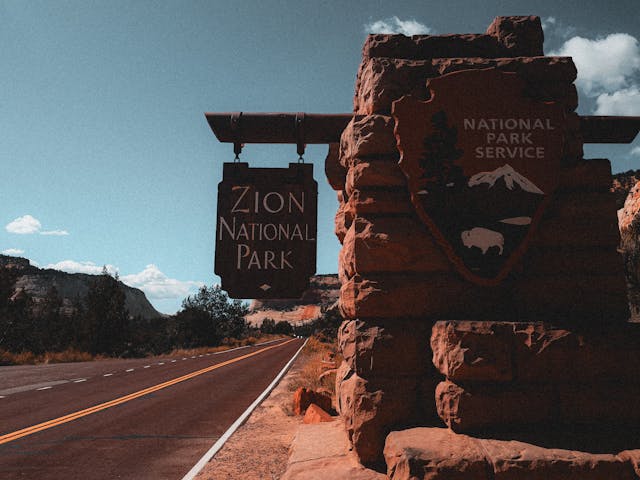
The Interior Department’s November 2025 press release outlines the new framework for 2026. Under the updated rules, U.S. residents will still see a series of fee-free days, but the mix of dates changes dramatically. The listed days include Presidents Day on February 16, Memorial Day on May 25, the Independence Day weekend from July 3 to 5, the 110th birthday of the National Park Service on August 25, Constitution Day on September 17, Theodore Roosevelt’s birthday on October 27, and Veterans Day on November 11.
The most controversial addition is Flag Day, June 14, which is also Donald Trump’s birthday. At the same time, two existing fee-free dates disappear completely: Martin Luther King Jr. Day in January and Juneteenth on June 19. AP News summarized the shift bluntly, reporting that the new list “is the latest example of the Trump administration downplaying America’s civil rights history while also promoting the president’s image, name and legacy.” For many observers, the problem is not only the new inclusion, but the deliberate removal of two days that honor Black freedom and activism.
Why Losing MLK Day and Juneteenth Hits So Hard
Martin Luther King Jr. Day has long been framed as a national day of service and reflection. In blog posts and announcements, the National Park Service and National Park Foundation encouraged visitors to “walk in the steps of this civil rights leader” and connect his legacy to park sites that preserve key chapters of the movement. Juneteenth, now a federal holiday, marks June 19, 1865, when news of emancipation finally reached enslaved people in Galveston, Texas. Together, the two dates bookend a powerful story of struggle and partial progress that public institutions have only recently begun to elevate.
The decision to remove free entry on both days arrived just a few years after many agencies publicly committed to acknowledging systemic racism more honestly. Members of the King family say the move cuts against that promise. Martin Luther King III stated that he is “beyond disappointed” by the Trump administration’s decision to strike the holiday honoring his father from the list of free days. When families planning MLK Day service trips or Juneteenth celebrations now look at park fees, they will see a new barrier where a door once stood open.
Adding Trump’s Birthday and the Politics of Commemoration
Fee-free days are not neutral calendar choices. They highlight certain histories and leaders above others, and they do so in physical spaces that many people consider sacred. By tying free national park access to Donald Trump’s birthday, critics say the administration is using public lands to reinforce a personal brand. AP quoted Harvard Kennedy School professor and former NAACP president Cornell William Brooks, who wrote that “the raw & rank racism here stinks to high heaven.” His reaction captures how strongly many observers connect this decision to a broader pattern of sidelining Black history.
Supporters argue that June 14 already holds national meaning as Flag Day, and that honoring a sitting president at the same time is not unusual in American political culture. They point to past debates over naming highways, buildings, and even mountain peaks after presidents. However, the context here is unusual. Civil rights holidays are being removed at the exact moment Trump’s birthday is added to the calendar of fee-free days. Even some commentators who usually support lower park fees say this swap risks turning public lands into a stage for personality-driven politics instead of shared civic memory.
How Communities Used MLK Day in the Parks
For years, community groups have used MLK Day fee-free access to organize “day of service” projects inside national parks. The National Park Service’s own materials encourage volunteers to plant native trees, clear invasive plants, clean graffiti, and repair trails on that holiday, treating concrete service as a living tribute to King’s legacy. Those projects help small nonprofits and churches bring volunteers who might struggle with entrance costs at other times of the year.
Kristen Brengel of the National Parks Conservation Association told reporters that the elimination of MLK Day is especially troubling because the day has become a popular service tradition. She noted that “for one, the day has become a popular day of service for community groups that use the free day to perform volunteer projects at parks.” Without free entry, organizers now need to budget for entrance fees or seek outside sponsorship. Brengel’s nonprofit, which has tracked park funding and participation for years, warns that the change could shrink volunteer turnout at exactly the places where extra hands are most useful.
‘America-First’ Pricing and New Costs for Visitors
The fee-free calendar is only one piece of the 2026 overhaul. The Department of the Interior is also rolling out a new price structure that charges non-U.S. residents substantially more than citizens and permanent residents. According to the official press release, the annual “America the Beautiful” pass will cost $80 for U.S. residents but $250 for nonresidents. Nonresidents without a pass will pay a $100 per person surcharge at 11 of the most visited parks, in addition to the standard entrance fee.
Interior Secretary Doug Burgum defended the policy by saying, “These policies ensure that U.S. taxpayers, who already support the National Park System, continue to enjoy affordable access, while international visitors contribute their fair share to maintaining and improving our parks for future generations.” Supporters see this approach as comparable to resident discounts at many local attractions. Critics worry that the combination of higher international fees and politically chosen fee-free days will undercut the parks’ role as global classrooms for democracy, conservation, and civil rights history.
Do Fees and Free Days Determine Who Shows Up?
Long before this controversy, scholars and advocates debated whether entrance fees create barriers for marginalized groups. A widely cited paper by Anderson and Freimund, published in the early 2000s, described National Park Service fees as either “value for the money or a barrier to visitation,” highlighting how price changes can affect different visitors in different ways. Fee-free days became one tool to counter those barriers, especially for families watching every dollar. When the symbolic days most closely associated with Black freedom disappear, the financial effect may be modest, but the psychological signal can still be strong.
Several outdoor equity organizations have already argued that the 2026 changes move public lands in the wrong direction. Soul Trak Outdoors and GreenLatinos told SFGate that removing MLK Day and Juneteenth narrows opportunities for people of color who already face transportation, cost, and cultural barriers to park visitation. As these groups see it, free entry linked to civil rights holidays is not simply a discount. It is an invitation. Shifting that invitation toward presidential birthdays and patriotic branding sends a different message about who these landscapes truly welcome.
Read More: Trump Announces Bailout Plan for U.S. Farmers Amid Tariff Fallout
Reactions from Lawmakers and the King Family
Political reaction has come swiftly. According to AP, some Democratic lawmakers accused the Trump administration of using national parks to elevate the president’s personal legacy while erasing symbols of Black resilience. Nevada Senator Catherine Cortez Masto said, “The President didn’t just add his own birthday to the list; he removed both of these holidays that mark Black Americans’ struggle for civil rights and freedom.” Her statement captures a concern that runs deeper than one fee schedule. It speaks to questions about who gets honored in the country’s civic landscape.
Members of the King family added emotional weight to that criticism. Martin Luther King III told CBS News he was “beyond disappointed” that the holiday honoring his father no longer appears among the free days at U.S. national parks. In a joint statement, he and Arndrea Waters King described MLK Day as “a national moment of reflection and service” and said that parks have long offered “a sacred place to commemorate that legacy as a community.” For them, and for many who grew up treating MLK Day as a chance to serve, the new policy undercuts the inclusive purpose that Congress had in mind when it made the day a federal holiday.
What This Debate Reveals About the National Park Service
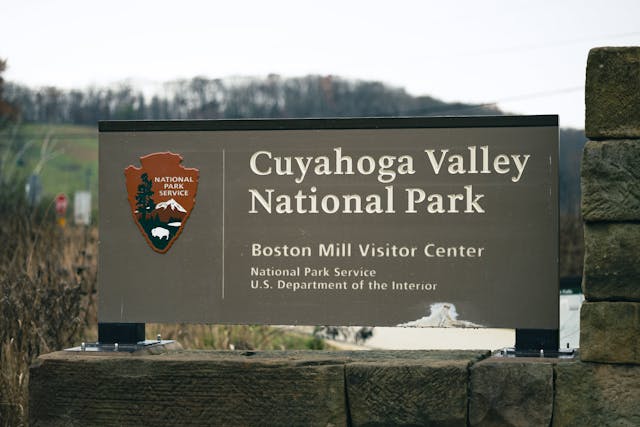
The National Park Service often describes its mission as preserving “unimpaired” natural and cultural resources for future generations. Over the past several decades, that mission has expanded to include more explicit stories about slavery, segregation, Indigenous dispossession, and civil rights. Fee-free days tied to MLK Day and Juneteenth fit comfortably within that newer vision. They highlighted the idea that public lands are places where the country can face painful history and still move toward a more inclusive future.
The 2026 changes highlight a different emphasis: patriotic marketing, presidential branding, and resident-focused pricing. According to the Interior Department, “revenue generated from new fee policies will be invested directly back into America’s national parks, supporting upgrades to visitor facilities, essential maintenance, and improved services nationwide.” There is nothing unusual about using fees to fund maintenance. The controversy stems from which stories rise on the calendar and which quietly drop away. As the debate continues, the National Park Service now faces a choice about how it balances financial goals, political directives, and its long-standing role as a guardian of shared national memory.
Conclusion
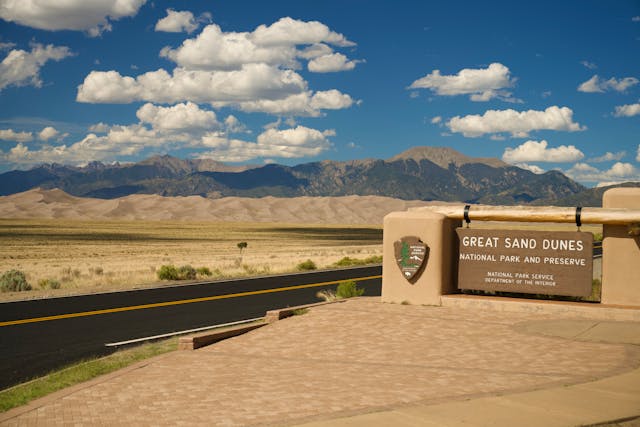
A calendar can seem like a small administrative detail, but the National Park Service fee-free list tells a story about national priorities. When MLK Day and Juneteenth appeared on that list, the federal government signaled that civil rights milestones deserved special visibility on public lands. When those days disappear and Donald Trump’s birthday takes their place, the story changes. Visitors will still see soaring peaks, deep canyons, and historic battlefields, but the timing of free access now leans toward presidential celebration and “America-first” branding, not shared reflection on freedom struggles.
Martin Luther King III warns that removing free entry on MLK Day and Juneteenth “contradicts the very inclusion these holidays represent.” Outdoor advocates, civil rights scholars, and lawmakers are likely to keep pressing this point in the months ahead. They will argue that public lands are not just scenic backdrops for patriotic imagery. They are classrooms where the United States teaches its children which histories matter. As long as that teaching continues, the question facing the National Park Service is simple but profound: whose stories will visitors see, and whose will stay outside the gate.
Disclaimer: This article was created with AI assistance and edited by a human for accuracy and clarity.
Read More: Top National Parks to Visit by State
Trending Products

Red Light Therapy for Body, 660nm 8...

M PAIN MANAGEMENT TECHNOLOGIES Red ...

Red Light Therapy for Body, Infrare...

Red Light Therapy Infrared Light Th...

Handheld Red Light Therapy with Sta...

Red Light Therapy Lamp 10-in-1 with...

Red Light Therapy for Face and Body...

Red Light Therapy Belt for Body, In...

Red Light Therapy for Shoulder Pain...
