
Napping offers real benefits for your brain, but the timing of it determines whether you’re protecting yourself or raising your risk of heart disease and early death. Your body has a built-in period for daytime rest, a stretch in the early afternoon when your internal clock expects a pause. Sleeping during that time appears safe and possibly beneficial, but sleeping outside it is where problems begin.
Studies tracking hundreds of thousands of people over years and decades bear this out. Short naps taken between roughly 1pm and 3pm carry no measurable health risks and may protect against cognitive decline, whereas longer naps or naps taken at other times are associated with cardiovascular disease, metabolic problems, and higher mortality. That roughly two-hour stretch changes everything about what a nap does to your body.
Why Does Your Body Want an Afternoon Nap?
The urge to sleep after lunch isn’t weakness or poor discipline, it’s your circadian rhythm doing exactly what it’s supposed to do. Your body runs on this roughly 24-hour internal clock, and somewhere between 1pm and 3pm, that clock triggers a programmed dip in alertness. Core body temperature drops slightly, and the brain’s drive for wakefulness weakens. This happens whether you ate a big meal or nothing at all because the dip comes from your internal clock. Not your digestive system.
This afternoon lull shows up in humans across cultures and climates. Which is why siesta traditions developed independently in Spain, Greece, the Philippines, and Mexico. These societies weren’t being lazy, they were listening to a signal their bodies were already sending. That same signal is still there for you, and working with it can deliver real benefits. Sleeping at the wrong time works against your circadian rhythm and may create more problems than it solves.
The Early Afternoon Sweet Spot
Most research on napping has focused on how long and how often people sleep during the day. But a team led by Chenlu Gao at Massachusetts General Hospital and Harvard Medical School wanted to know whether timing matters just as much. They analyzed data from the Rush Memory and Aging Project, a long-running study that tracks cognitive decline in older adults and examines their brain tissue after death. The researchers fitted 936 participants with wrist-worn activity monitors and followed them for up to 17 years.
Naps taken between 1 pm and 3 pm were linked to lower levels of amyloid β, one of the proteins that builds up in Alzheimer’s patients’ brains. Morning naps between 9am and 11am showed the opposite and were tied to higher levels. Nearly 29% of participants developed Alzheimer’s dementia over the follow-up period. Giving the researchers enough data to see how nap timing tracked with brain changes over time.
Ruth Leong and her colleagues at the National University of Singapore’s Centre for Sleep and Cognition approached the question differently. Rather than timing, they wanted to know which nap length delivers the most benefit and whether those benefits last beyond three hours after waking.
They tested 32 young adults under controlled lab conditions, comparing naps of 10, 30, and 60 minutes against staying awake. All three nap lengths improved mood and reduced sleepiness for up to four hours. But when it came to memory, only the 30-minute nap made a difference, outperforming shorter naps, longer naps, and staying awake entirely.
Morning Naps Send the Wrong Signal
Napping in the morning works against circadian biology because that’s when alertness should be climbing, not falling. If you feel the need to sleep between 9 am and 11 am, something else is likely going on. Morning sleepiness often signals that your sleep at night isn’t doing its job. Whether from poor sleep quality, sleep apnea, or other underlying issues.
The Gao study found that morning nappers had higher Alzheimer’s risk, but that link may run in both directions. People whose brains are already changing may find themselves unable to stay awake in the morning. And napping during the wrong phase of the circadian cycle may also directly interfere with how the brain clears waste proteins during rest.
The same study turned up something else worth noting. People whose nap lengths varied widely from day to day. A 15-minute nap one afternoon and an hour-long nap the next, had higher levels of both amyloid β and neurofibrillary tangles than those who kept their naps consistent.
Amyloid β forms sticky plaques between brain cells. Neurofibrillary tangles are twisted clumps of a protein called tau that build up inside neurons and eventually kill them. Both are hallmarks of Alzheimer’s disease, and both showed up at higher levels in people with irregular napping habits. The brain seems to respond well to predictable rhythms and struggles with irregularity.
Late Afternoon Naps Steal From the Night
Sleeping after 3 pm or 4 pm causes a different problem entirely. Your body builds up sleep pressure throughout the day, an accumulated need for rest that makes falling asleep at night easier. A late afternoon nap drains some of that pressure and leaves you less tired when bedtime arrives.
You might struggle to fall asleep, sleep more lightly through the night, or wake too early in the morning. One poorly timed nap can set off a cycle where bad sleep at night leads to more daytime fatigue, more late naps, and even worse sleep at night.
The Leong study found that nap benefits lasted up to four hours after waking. Which means a nap at 4 pm could still be affecting your alertness at 8pm. That lingering wakefulness works in your favor after a 1 pm nap. But it collides with your body’s evening wind-down if you sleep any later. The nap itself might feel good in the moment. But if it pushes past the safe zone, it can undermine the rest your body actually depends on.
Why Short Naps Work Better
Short naps fit neatly inside that two-hour afternoon stretch and end before they can interfere with sleep at night. Long naps push past that point and start creating problems.
Previous research had looked at napping’s effect on single health outcomes, but a team led by Lu and colleagues wanted to see the full picture. They combined data from 44 cohort studies involving more than 1.8 million people and published their findings in Sleep Medicine Reviews in 2024.
Naps lasting 30 minutes or longer were tied to a higher risk of death from any cause. Along with a greater risk of cardiovascular and metabolic disease. Naps under 30 minutes carried none of these risks, and the researchers found evidence that short naps may actually be protective. The same analysis found that napping was tied to a lower risk of cognitive impairment and sarcopenia, the age-related loss of muscle mass and strength.
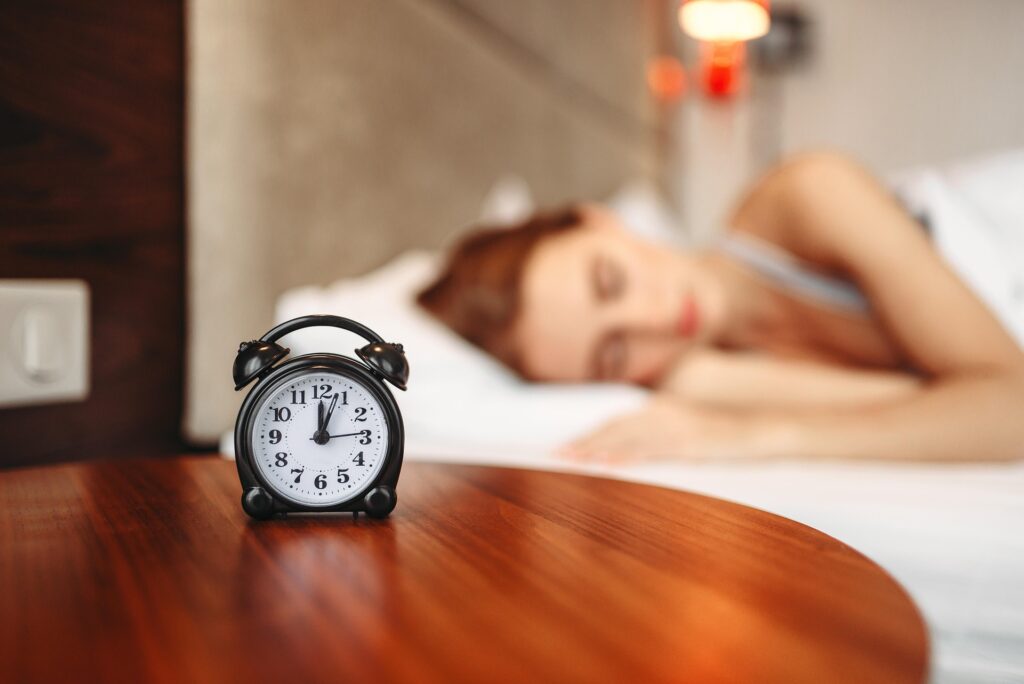
Short naps keep you in lighter sleep stages that are easy to wake from. Once a nap stretches past half an hour, you start drifting into deeper sleep, and waking from deep sleep produces grogginess that can last longer than the nap itself. Leong’s team saw this in the lab. Where participants who napped for 60 minutes woke up groggier than those who slept for 10 or 30 minutes.
Sleep inertia from a 30-minute nap resolved within half an hour of waking, and 10-minute naps produced almost no grogginess at all. Keeping naps short means staying where they help rather than pushing into territory where they hurt.
Consistency Reinforces Good Timing
The Gao study found something beyond timing. People whose nap lengths swung from 15 minutes one day to an hour the next had higher levels of Alzheimer’s-related brain changes than those who napped for roughly the same duration each day.
Your internal clock doesn’t just track day and night. It tracks routines within each day and adjusts your physiology to match. Regular meal times, regular wake times, and regular nap times all reinforce the same signal, while erratic schedules force constant recalibration. That uncertainty may carry costs that accumulate over the years.
Why Some People Don’t Need Naps at All
Not everyone feels the afternoon dip with the same intensity. Researchers have identified several gene mutations that allow certain people to thrive on 6 hours of sleep or less without the cognitive and health penalties the rest of us would face. These natural short sleepers process rest more efficiently and accomplish in fewer hours what most brains need 7 or 8 to do.
Your chronotype also plays a role, and this just means whether you’re naturally a morning person or a night owl. Morning people tend to feel the afternoon dip earlier and less intensely. While night owls often experience a stronger pull toward sleep in the mid-afternoon. Age shifts this as well, with older adults generally napping more frequently and for longer durations than younger people. The Gao study sample was 77% female with a mean age of 81. Which means the findings apply most directly to older populations. Younger adults with solid sleep at night may never feel the need to nap at all, and forcing a nap could do more harm than good by disrupting an already functional rhythm.
If you’ve never felt the pull toward afternoon rest, and you’re sleeping well at night. You probably don’t need to add napping to your routine. The research supporting naps applies most clearly to people who feel that midday dip strongly or who are running a sleep deficit. Napping is a tool for working with your circadian rhythm, not a requirement for everyone.
Getting the Most From a Well-Timed Nap
The research says you should aim for somewhere between 1 pm and 3 pm, and keep the actual sleep under 30 minutes. But because most people take 10 to 15 minutes to fall asleep, Leong’s team recommends setting aside 40 to 45 minutes total to get a full 30 minutes of actual rest. Set an alarm so you don’t drift past the point where naps help into the territory where they hurt.
A cool room helps because your body temperature naturally drops during sleep, and fighting against warmth makes it harder to drift off. Some people find that sticking one foot out from under the covers helps regulate temperature without getting too cold. A simple trick backed by the science of how blood vessels in the feet release heat.
If falling asleep quickly is a challenge, drinking coffee immediately before lying down can help. Caffeine takes about 20 minutes to reach full effect.
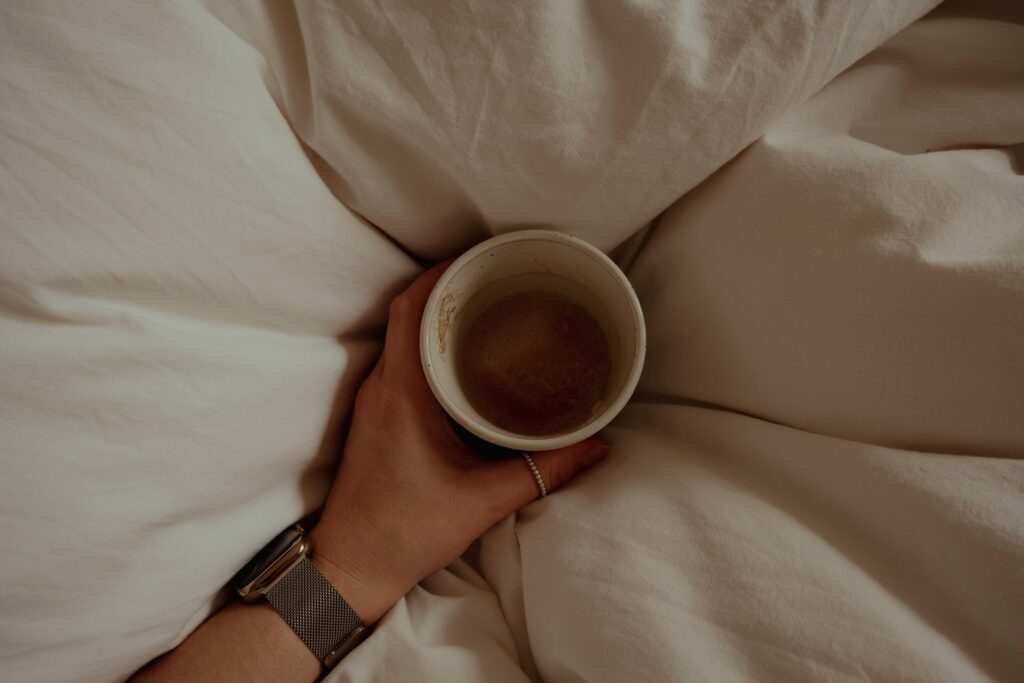
So if you drink it right before a short nap, you’ll wake up just as it kicks in. The combination of rest, clearing fatigue, and caffeine blocking drowsiness can leave you more alert than either strategy alone. A technique sometimes called a coffee nap.
Even if you don’t fall asleep, the rest still counts. The Leong study found that all nap durations improved mood and reduced sleepiness for up to four hours, which means lying quietly with your eyes closed carries benefits even when sleep doesn’t come.
Read More: Eat for Better Sleep: Top Foods to Try and Ones to Avoid
When Napping Habits Change on Their Own
Choosing to nap in the early afternoon is one thing. But finding yourself unable to stay awake at odd hours is another. The Lu meta-analysis noted that the relationship between napping and poor health runs in both directions. Excessive or poorly timed daytime sleep can be a symptom of underlying problems rather than a cause, and conditions like sleep apnea, depression, chronic pain, and medication side effects can all drive sleepiness at the wrong times.
The Gao study adds another layer. Shifting nap habits, especially a move toward longer naps or naps at unusual times, may precede cognitive decline rather than just follow it. If your napping habits have changed recently and you’re not sure why, it’s worth mentioning to a doctor. This is especially true if the change comes with other subtle shifts, like increased forgetfulness or difficulty finding words.
Napping isn’t inherently good or bad. The timing determines whether it works for you or against you. A short rest taken during that afternoon dip, when your body is asking for it, appears safe and possibly protective. While the same rest taken in the morning or late afternoon carries real risks. The difference is small in effort but large in outcome. Which makes when you nap just as important as whether you nap at all.
Read More: Study Finds Cannabis Extract Improves Sleep, Mobility, and Chronic Back Pain
Trending Products

Red Light Therapy for Body, 660nm 8...

M PAIN MANAGEMENT TECHNOLOGIES Red ...

Red Light Therapy for Body, Infrare...

Red Light Therapy Infrared Light Th...

Handheld Red Light Therapy with Sta...

Red Light Therapy Lamp 10-in-1 with...

Red Light Therapy for Face and Body...

Red Light Therapy Belt for Body, In...

Red Light Therapy for Shoulder Pain...
