
The ICE shooting in Minneapolis on January 7, 2026, shocked the country and unsettled many legal assumptions people tend to take for granted. A federal immigration officer fired into a moving vehicle and killed 37-year-old Renee Nicole Good, a U.S. citizen, during a large immigration enforcement operation. The shooting happened quickly, and so did the official response. Federal leaders described the act as self-defense. Video evidence released later made that claim harder to accept.
At the center of this case sits a difficult question that keeps resurfacing. Can a state prosecute a federal officer for killing someone while on duty? Closely tied to that is another assumption many people make, that a presidential pardon could shut the whole thing down. Legally, that assumption does not hold up.
What Happened During the Minneapolis Incident
On the morning of January 7, ICE agents were operating across south Minneapolis as part of a coordinated federal immigration action. The operation involved multiple teams, unmarked vehicles, and officers wearing limited identification. Around mid-morning, agents encountered a car driven by Renee Good.
What happened next depends on who you ask. Federal officials said Good used her vehicle in a threatening way. Local officials and witnesses said something else entirely. Video shows confusion, raised voices, and a car attempting to leave the scene. Seconds later, an agent fired multiple shots. Good was struck and died shortly after.
Almost immediately, federal leaders framed the ICE shooting as justified. Statements from the Department of Homeland Security emphasized danger to officers and described the shooting as unavoidable. Minneapolis city officials reacted with visible anger. The mayor rejected the federal explanation outright. The governor called for transparency and accountability.
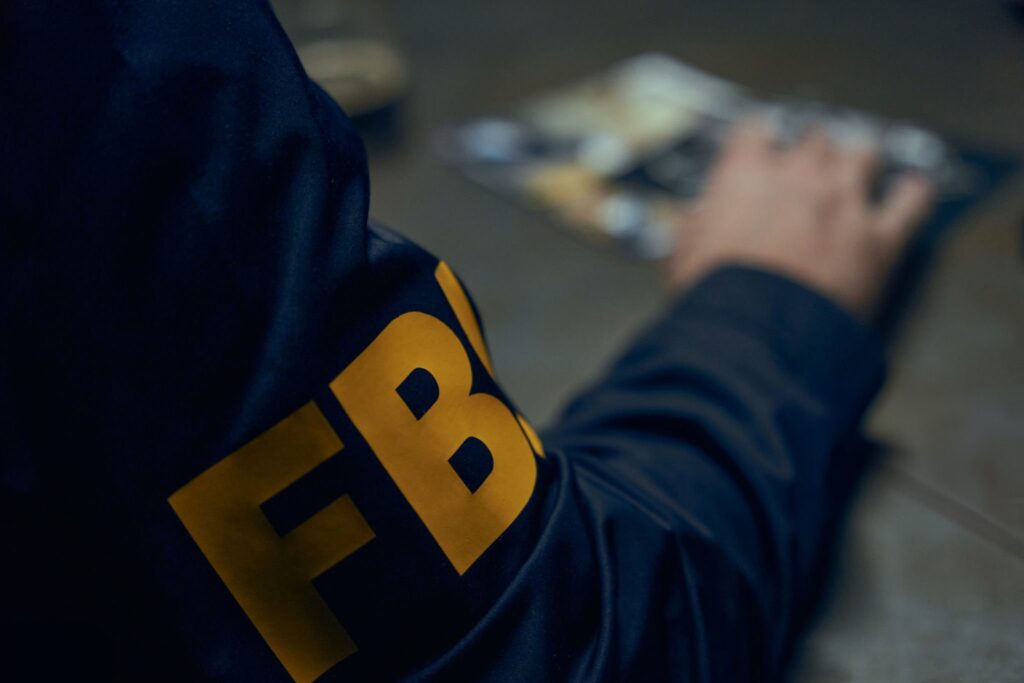
Within hours, the investigation itself became a point of conflict. State investigators were initially involved. That access did not last. The FBI assumed control and restricted Minnesota authorities from reviewing key evidence. That move alone raised legal alarms and deepened public mistrust.
Federal vs. State Law, Where the Lines Actually Are
At first glance, federal authority looks absolute. The Constitution gives the federal government supremacy in matters tied to federal law. Immigration enforcement clearly falls under that category. ICE agents operate under federal statutes, not state ones.
But that authority has limits. Federal supremacy does not create a legal bubble where federal officers can never be held accountable under state criminal law. Courts have been clear on this point, even if public understanding often lags behind.
The key issue is whether the officer acted within lawful authority. If a federal agent follows the law, even when harm occurs, states generally cannot interfere. If that agent exceeds lawful authority or violates constitutional protections, the shield weakens quickly.
This is where the idea of dual sovereignty matters. The United States and each state are separate legal entities. They write their own criminal laws. They prosecute offenses against their own peace and safety. One does not erase the other.
In practical terms, Minnesota has the power to enforce its homicide laws within its borders, even when the person pulling the trigger works for the federal government.
Can Minnesota Bring Criminal Charges
The short answer is yes, under the right conditions. Minnesota prosecutors would need to show that the ICE agent’s actions violated state criminal law. That does not require proving malicious intent. Reckless conduct or criminal negligence may be enough, depending on the charge.
State law allows prosecutors to pursue second-degree murder if an act shows a depraved indifference to human life. Manslaughter charges apply if a person causes death through culpable negligence. These standards focus on behavior, not job titles.
The legal test would center on the use of force. Was deadly force reasonable? Was there an imminent threat? Did the officer have other options? Firing into a moving vehicle is widely considered dangerous because it risks both the driver and bystanders. Many law enforcement agencies discourage it except in extreme cases.
Experts reviewing the video footage have raised serious concerns. Several pointed out that the vehicle appeared to be moving away, not toward officers. If a jury agrees with that interpretation, the legal protections often extended to officers may not apply.
That said, state prosecutors face obstacles. The biggest one is access to evidence. Without cooperation from federal investigators, building a case becomes harder. Still, courts can compel evidence sharing, and political pressure can shift how investigations unfold.
Why Federal Immunity Is Not Absolute
Federal officers often rely on the Supremacy Clause immunity when facing state action. That doctrine exists to prevent states from obstructing lawful federal work. It does not exist to excuse unlawful violence.
Courts have repeatedly ruled that immunity applies only when an officer acts within the scope of legal authority and uses reasonable force. Once conduct crosses into illegality, immunity fades. This distinction matters more than people realize. Being on duty does not excuse breaking the law. Wearing a federal badge does not grant permission to violate state homicide statutes.
In this case, the agent’s defense would likely argue that federal immigration duties required quick action and that perceived danger justified the shooting. Prosecutors would counter by focusing on evidence, timing, and proportionality.
This becomes a factual question, not a political one. Juries decide whether fear was reasonable, and video evidence often plays a decisive role.
The ICE Shooting and the Limits of Presidential Pardons
Many people assume a president can simply pardon away a case like this. That belief is wrong. Presidential pardons apply only to federal crimes. They do not reach state criminal law. A president cannot stop a state prosecution, cannot erase a state conviction, and cannot block a state sentence.
If Minnesota charges the ICE agent under state law and secures a conviction, a presidential pardon would have no legal effect on that outcome. The agent would still face state penalties.
This limitation is intentional. The framers designed the system to prevent one branch of government from controlling all criminal accountability. States retain authority over crimes committed within their borders, regardless of federal employment.
Even if the federal government declined to prosecute, the state could still move forward. That is the core strength of dual sovereignty.
Jurisdictional Conflict and Why It Matters
The dispute over who controls the investigation is not just procedural. It affects whether accountability happens at all. When the FBI took over and blocked state access, it sent a clear signal about federal priorities. Critics argue this move delays justice and shields federal officers from scrutiny. Supporters say centralized investigation ensures consistency.
Minnesota officials have several tools available. They can seek court orders, they can convene grand juries, and they can also pressure federal agencies through political and legal channels.
Legally, the state still retains charging authority. In reality, delays can weaken cases, and witness memories tend to fade with time.
Historical Precedent for State Prosecution
This would not be the first time a state prosecuted a federal officer. History offers examples where state charges moved forward after federal agents used excessive force.
In several past cases, courts allowed state homicide prosecutions when officers acted outside lawful authority. These cases rarely move quickly. They face appeals, jurisdictional fights, and intense political pressure.
Still, precedent matters. Courts look to earlier rulings when deciding whether immunity applies. In cases where officers fired without a clear threat, immunity often failed.
The ICE shooting fits into this legal lineage. It raises familiar questions under modern circumstances, amplified by immigration politics and federal enforcement strategies.
Political Pressure Versus Legal Reality
Politics will surround this case whether prosecutors want it or not. Federal leaders have already framed the incident as necessary and justified. State leaders have publicly disagreed.
But courtrooms operate differently from press conferences. Evidence matters more than rhetoric. Video matters more than talking points. Jury instructions matter more than slogans.
Image credit: Shutterstock.
Prosecutors must decide whether they believe they can meet the legal burden. Declining to charge also sends a message, intentional or not. The outcome will shape future enforcement behavior. It will also signal whether state law still has control when federal power enters local streets.
What Comes Next
The next steps depend on evidence access, political resolve, and prosecutorial judgment. Minnesota may pursue charges.
What is clear is this. The law does not require silence. The law does not require deference. And the law does not grant automatic immunity simply because a badge says ICE.
The ICE shooting in Minneapolis has exposed fault lines that have existed for decades. This case will test how real the limits on federal power truly are, and whether state justice systems still have room to act when federal force turns deadly.
The Role of State Prosecutors and Political Risk
One reality often left out of legal discussions is that prosecutors are human. They read polls, and they watch press conferences. They understand the political cost of charging a federal agent during a volatile moment. Still, their job is not to manage optics. It is to enforce the law as written.
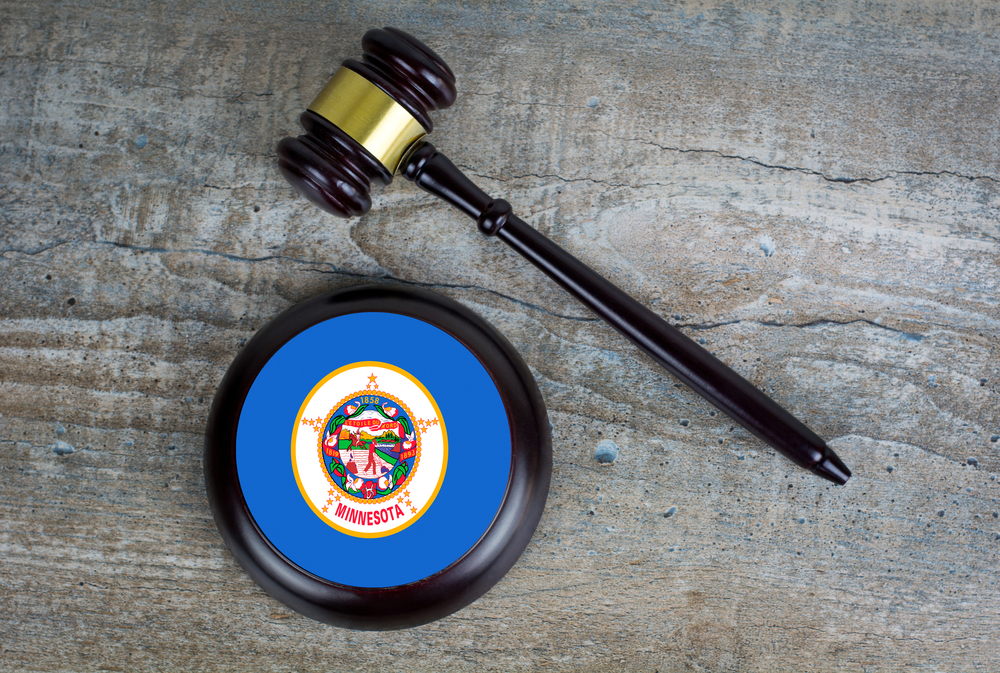
In Minnesota, county attorneys operate independently from the governor and attorney general. That separation means a charging decision does not need approval from Washington or even the state capitol. It rests with prosecutors who answer to local voters and legal standards.
Charging a federal officer is rare, but rarity does not equal prohibition. Prosecutors weigh evidence, not job titles. If they believe the facts support probable cause, the law allows them to act. If they decline, they must explain why.
The ICE shooting has placed those prosecutors in the spotlight. Whatever choice they make will be read as a statement about accountability, whether they intend it or not.
Federal Courts May Try to Intervene, But Limits Exist
If Minnesota brings charges, the defense will almost certainly attempt to move the case into federal court. This is a common strategy as federal officers often argue that state courts lack jurisdiction over actions tied to federal duties.
Federal judges review these claims carefully, and removal is not automatic. Courts examine whether the conduct fell within lawful authority. If the judge finds the officer acted outside that scope, the case can be sent back to state court.

Image credit: Shutterstock.
This process can take months or even years. During that time, public attention fades, but the legal questions remain unresolved. Delay often benefits defendants, but it does not erase state authority.
Even if a federal court temporarily takes control, that does not guarantee dismissal. Judges continue to apply constitutional standards, including the excessive force doctrine and due process protections.
Civil Cases Move on a Separate Track
While criminal cases face higher burdens, civil lawsuits often move faster. Renee Good’s family can pursue wrongful death claims regardless of criminal outcomes. These cases focus on liability rather than guilt.
Civil courts apply different standards. Preponderance of evidence replaces proof beyond a reasonable doubt. That shift means conduct that falls short of a criminal conviction can still result in liability.
Civil discovery also opens doors. Depositions, document requests, and sworn testimony can expose facts that criminal investigations miss or withhold. Sometimes civil cases uncover information that later feeds back into criminal proceedings.
Financial penalties do not equal justice for many families. Still, civil accountability often forces institutional change where criminal cases stall.
The Precedent This Case Could Set Nationwide
This case is not just about one officer or one city. It sits at the intersection of immigration enforcement, police accountability, and federalism. How it resolves will shape how future operations are conducted.
If states back away from prosecution, federal agencies may interpret silence as permission. If states assert authority, federal officers may act with greater restraint. Law responds to precedent, not promises.
The ICE shooting has already changed the public conversation. It has compelled legal scholars to revisit doctrines that many had assumed were settled. It has reminded states that their criminal codes still matter.
Most importantly, it has raised a simple but uncomfortable question. When federal power kills a civilian, who decides whether it was lawful?
A Trump Pardon Would Not End This Case
Even if a future administration offered a pardon, its reach would stop at federal law. Minnesota’s authority would remain untouched. State convictions cannot be wiped away by executive signature.
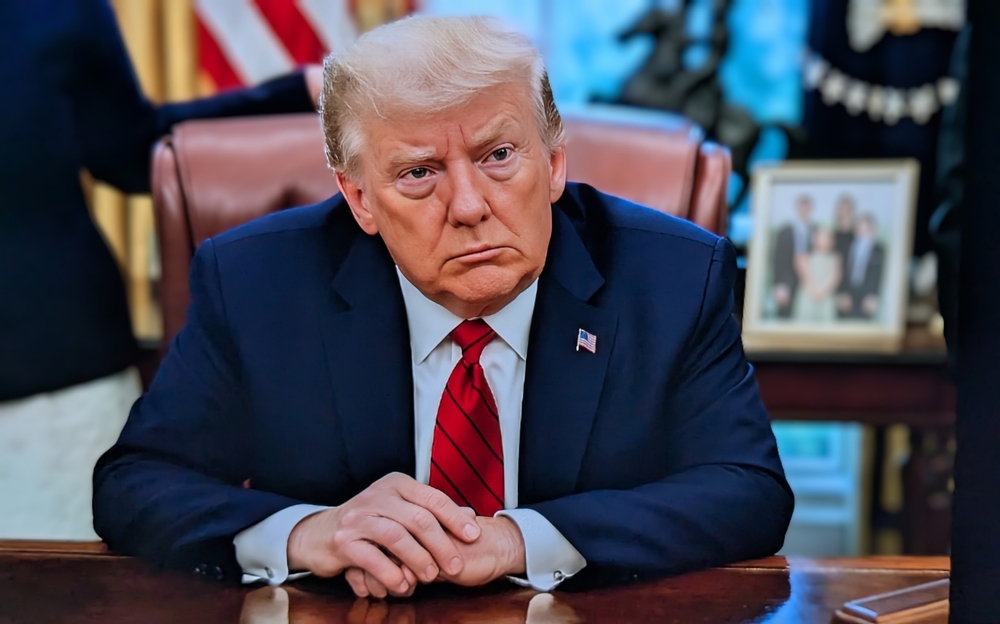
Image credit: Shutterstock.
This is not a loophole. It is a feature of the system, and it ensures no single office controls all outcomes and preserves balance.
That reality often surprises people. The Constitution built this division deliberately, knowing power must be shared to prevent abuse. The ICE shooting tests whether that structure still works under pressure.
Read More: Inside Trump’s Most Debated Executive Orders of 2025
Closing Thoughts
At its core, this case is not about politics or immigration slogans. It is about law, responsibility, and limits. Federal authority is real, but it is not limitless. State criminal law still applies when conduct crosses legal lines.
Minnesota has the power to prosecute if evidence supports it. A presidential pardon would not stop that process. Courts have made that clear, even when politics tries to blur it.
Whether prosecutors act will shape public trust, not just in Minnesota, but nationwide. Accountability is not automatic; it must be claimed, argued, and defended.
The ICE shooting has forced that reckoning into the open. What happens next will show whether the legal system still knows how to respond when power goes too far.
A.I. Disclaimer: This article was created with AI assistance and edited by a human for accuracy and clarity.
Read More: Trump-Era DOJ Fearful After Public Discovers Top-Secret Epstein Files Easily Unredacted
Trending Products

Red Light Therapy for Body, 660nm 8...

M PAIN MANAGEMENT TECHNOLOGIES Red ...

Red Light Therapy for Body, Infrare...

Red Light Therapy Infrared Light Th...

Handheld Red Light Therapy with Sta...

Red Light Therapy Lamp 10-in-1 with...

Red Light Therapy for Face and Body...

Red Light Therapy Belt for Body, In...

Red Light Therapy for Shoulder Pain...
