
Puberty blockers sit at the centre of a fierce debate over care for gender diverse youth. These medicines suppress hormones that drive puberty and pause visible changes, such as breast development or a deepening voice. They have been used for many years in children with very early puberty, where doctors want to protect growth and emotional well-being. More recently, they have been offered to adolescents with gender dysphoria or gender incongruence, usually alongside psychological support.
In the United Kingdom, this debate has shifted from routine practice into controlled research. After the Cass Review and further evidence reviews, NHS England decided that puberty blockers for gender distress should only be available within clinical trials. The flagship project is the Pathways Trial, supported by NHS England and research funders. It will involve hundreds of young people and several linked studies that follow them for many years. Supporters believe the programme can finally answer urgent questions about benefits and harms. Critics fear delayed care, coercion, and the ethics of randomising distressed adolescents. The results will shape policy far beyond the UK.
What Puberty Blockers Are And How They Work
Puberty blockers are usually medicines called gonadotropin-releasing hormone analogues, often shortened to GnRH analogues. They act on the brain and pituitary gland and reduce the usual chemical signals to the ovaries or testes. When those signals fall, levels of estrogen or testosterone drop, so physical puberty slows or pauses. These drugs were first used for central precocious puberty, where children start maturing far earlier than their peers. Clinicians hoped to protect height, bone health, and emotional adjustment during a sensitive period. Today, doctors still use these medicines for that condition, and they have long experience with dosing, monitoring, and side effects.
Mayo Clinic explains that puberty blockers can delay changes in transgender and gender diverse youth who have already started puberty. It notes that GnRH analogues are the most common medicines and that they do not cause permanent physical changes themselves. Puberty usually restarts when treatment ends, because the underlying hormonal system remains intact. The clinic also stresses that decisions should follow careful assessment and detailed discussions of goals, benefits, and risks with families. Advocates say this pause can ease distress while a young person explores identity. They add that it creates time to weigh later options, including gender affirming hormones. Some clinicians also see puberty blockers as a way to avoid rushed decisions by slowing the pace of change.
How The NHS Moved To A Trial-Only Policy
Concerns about weak evidence pushed the NHS toward its research-only position. The Cass Review, published in 2024, described gender medicine for children and adolescents as an area with remarkably weak evidence. It highlighted gaps involving mental health outcomes, cognitive development, physical health, and long-term trajectories. The review also criticised studies that lacked control groups or sufficient follow-up, which limited clear conclusions. Cass and her team reviewed clinical records, international guidelines, and testimony from families and clinicians. Their report described a service under strain, with rising referrals and strong feelings on every side. That context increased pressure on the NHS to move slowly and justify every treatment decision. In response, NHS England commissioned formal evidence reviews from the National Institute for Health and Care Excellence.
A later consultation document stated that there was not enough evidence to show that puberty-suppressing hormones were safe. It also questioned whether they were cost effective for routine use in standard services. It is recommended that access should be limited to carefully designed research settings, with close monitoring and long follow-up. Hilary Cass said that her review had uncovered a very weak evidence base for benefits and reported some negative outcomes. She argued that a full programme of research, following young people over many years, was urgently needed. Some clinicians welcomed the clarity and believed a trial could rebuild trust. Others feared that making treatment available only inside studies would delay help for distressed teenagers. The final decision created a landscape where puberty blockers are offered only through approved trials. At the same time, services aim to expand psychological support and broader assessment for young people seeking help.
Inside The Pathways Trial
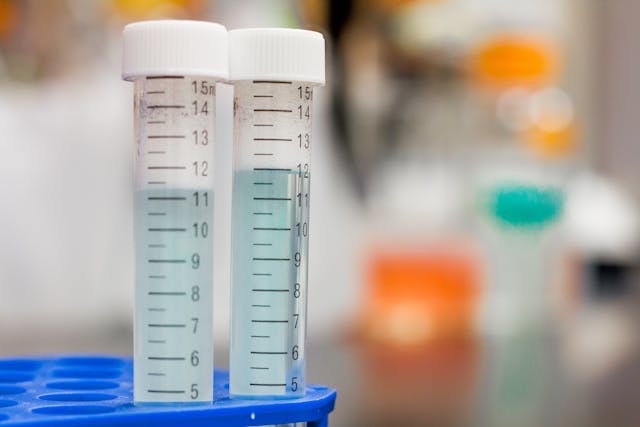
The Pathways Trial is the core clinical study within this new research programme in England. It is led by King’s College London and supported by NHS England and national research funders. The Pharmaceutical Journal reports that the trial will recruit more than 200 children and young people under 16 who receive care at NHS gender services. All participants will have gender incongruence, have started puberty, and be receiving care at specialist NHS gender services. They also need persistent distress linked to puberty and must meet strict psychological, developmental, and physical eligibility criteria. The team will exclude young people when other untreated conditions make it hard to interpret changes during the trial.
According to protocol summaries, around 226 participants will be randomly assigned to two different treatment pathways. One group will start puberty blockers immediately, while the other waits 12 months before beginning the same medicines. Both groups will keep receiving psychological support and general medical care from their existing specialist teams. Researchers will track quality of life, emotional well-being, gender related distress, and growth over the study period. They will also measure blood tests, puberty stage, and other indicators that show how bodies respond to suppression. The main goal is to understand the short and medium-term benefits and risks of GnRH analogues for this population. Longer follow-up will continue into later adolescence and early adulthood, when many important longer-term effects may appear.
Pathways Connect And Long-Term Development
Alongside the main trial, a linked study called Pathways Connect will look more deeply at brain and cognitive development. It will include around 150 participants from the Pathways Trial. It will also recruit about 100 additional young people with gender incongruence who are not using puberty blockers. All will undergo MRI brain scans and a range of cognitive tests. Researchers will combine these findings with detailed information on mental health and development. King’s College London notes that puberty is a crucial period for bone growth and brain development.
The team acknowledges possible risks from puberty-suppressing hormones because they may influence these processes during a sensitive window. At the same time, evidence about how strong any effects are, and how long they last, remains limited. Results from Pathways Connect and the main trial will take several years, because recruitment and follow-up both require time. Researchers will carry out repeated assessments, which help them see whether changes strengthen, fade, or differ between age groups. The studies aim to separate the effects of medication from the effects of therapy, family support, and wider society. Their findings should help future teams explain both potential benefits and possible harms in clearer, more practical language to families. They may also guide future trials that test different ages, doses, or combinations of psychological and medical support.
What Current Evidence Suggests About Benefits
Outside the UK, several studies suggest that puberty suppression and wider gender affirming care may support mental health. A 2020 study in Pediatrics, led by Jack Turban at Massachusetts General Hospital, analysed data from transgender adults in the United States. It found a significant inverse association between access to pubertal suppression during adolescence and lifetime suicidal ideation among those who had wanted this treatment. The authors concluded that access to pubertal suppression was linked with lower odds of suicidal thoughts, even after adjusting for other factors. They argued that these findings strengthened the case for making this option available within structured clinical care.
Another prospective study in JAMA Network Open, led by Diana Tordoff at Seattle Children’s Hospital, followed transgender and nonbinary adolescents receiving gender affirming medical care. The study reported that access to interventions, including puberty blockers and hormones, was associated with lower odds of depression symptoms and suicidality over 12 months. A New Zealand evidence brief reviewing multiple studies concluded that current evidence indicates improvement in depression, anxiety, and suicidal ideation for many individuals treated with puberty blockers, although it rated the overall quality of evidence as low. These studies mostly involve small samples from specialist clinics, so results may not apply to every setting. Advocates and some clinicians therefore argue that withholding these treatments from young people who strongly want them may worsen distress and mental health risks.
Risks, Side Effects And Reversibility Debates
Image credit: Pexels
Most medical summaries describe the direct physical effects of puberty blockers as non-permanent. Healthline notes that the effects of puberty blockers are not permanent, whether used for precocious puberty or as part of gender affirming care. It explains that when the medication stops, the brain resumes its usual signals and the gonads restart hormone production. A 2024 laboratory study in female rats also reported that short-term puberty suppression did not cause permanent damage to the ovaries or uterus, although the authors stressed that human research remains essential.
However, the reversibility of direct changes does not remove every concern. Bone strength is a major issue because sex hormones help build dense skeletons during adolescence. A Guardian explainer cited paediatric endocrinologist Jennifer Osipoff, who said that sex hormones have a direct effect on the strength and density of bones. She supplements patients with calcium and vitamin D to mitigate potential risks. Studies have found that bone mineral density can fall during prolonged suppression, although some recovery occurs after sex hormones start. Other reported side effects include hot flashes, fatigue, and metabolic changes. Puberty blockers alone do not remove fertility, yet fertility can be affected when young people later start gender affirming hormones and continue them for many years.
Read More: Your Adam’s Apple: What is it and Why Does Everyone Has One?
Ethics, Consent, And Safeguards For Young People
The Pathways research sits on a sharp ethical fault line. Trans advocacy groups worry that limiting puberty blockers to trials forces young people into a painful choice. Chay Brown, health director of TransActual, described the new programme as coercive in nature because the trial is currently the only realistic route to puberty blockers through the NHS. Brown argued that forcing some participants to wait an extra year for treatment is not a neutral act, since those young people will experience unwanted bodily changes that others avoid.
Supporters of the trial emphasise safeguards and the importance of evidence. Reports state that the Pathways Trial has approval from the Medicines and Healthcare products Regulatory Agency and a Research Ethics Committee, and is sponsored by King’s College London with an NHS trust. It will have an independent Data Monitoring Committee and a steering group that includes people with lived experience. Hilary Cass has said that a trial was the only way forward to make sense of polarised claims and weak evidence. Ethical discussions now focus on consent, the power of families to choose, and whether delayed treatment in a randomised design can be justified when emotional distress is high.
Conclusion: What This Research Could Change

Image Credit: Pexels
Puberty blockers for young people now occupy a narrow space between access and caution in the United Kingdom. The Pathways Trial and Pathways Connect will not end every argument, yet they can shrink important evidence gaps. Over the next several years, data on mental health, bone strength, brain development, and lived experience should give families and clinicians firmer ground for decisions. Policy makers in other countries will also study the findings, because many face similar uncertainty and intense political pressure. For the young people involved, these questions never feel abstract.
Some fear deep distress from unwanted pubertal changes, while others worry about medical risks they may not fully understand today. Good care, therefore, depends on honest communication, careful individual assessment, and strong psychological support, instead of one simple rule for everyone. Mayo Clinic emphasises that decisions about puberty blockers should involve detailed discussions of goals, benefits, limits, and alternatives, with family support whenever possible. Whatever the final results, the best outcomes will come when evidence, ethics, and lived experience are considered together. Careful research today can support more stable, kinder policies tomorrow. That aim goes beyond political arguments and should matter to everyone who wants young people to receive safe, compassionate care.
Disclaimer: This article was created with AI assistance and edited by a human for accuracy and clarity.
Read More: IOC Set To Draw Line On Trans Inclusion Ahead Of 2028 Olympics
Trending Products

Red Light Therapy for Body, 660nm 8...

M PAIN MANAGEMENT TECHNOLOGIES Red ...

Red Light Therapy for Body, Infrare...

Red Light Therapy Infrared Light Th...

Handheld Red Light Therapy with Sta...

Red Light Therapy Lamp 10-in-1 with...

Red Light Therapy for Face and Body...

Red Light Therapy Belt for Body, In...

Red Light Therapy for Shoulder Pain...
