
For most people, dialysis is something they barely think about. For millions of patients around the world, it controls almost every part of daily life. That reality is what makes the idea of a portable dialysis machine so powerful in the first place. When a Canadian teenager suggested a version that could be built for roughly $500, the idea did more than catch the eye of science judges. It pushed into global conversations and gave patients a little hope that treatment might one day feel less confining.
In 2015, Anya Pogharian, a Montreal student, looked at an old medical problem and asked a pretty basic question. Why does dialysis still need to be huge, expensive, and tied to clinics? That question, mixed with curiosity and a lot of persistence, helped turn a school project into something people around the world started paying attention to.
The Heavy Reality of Living With Kidney Failure
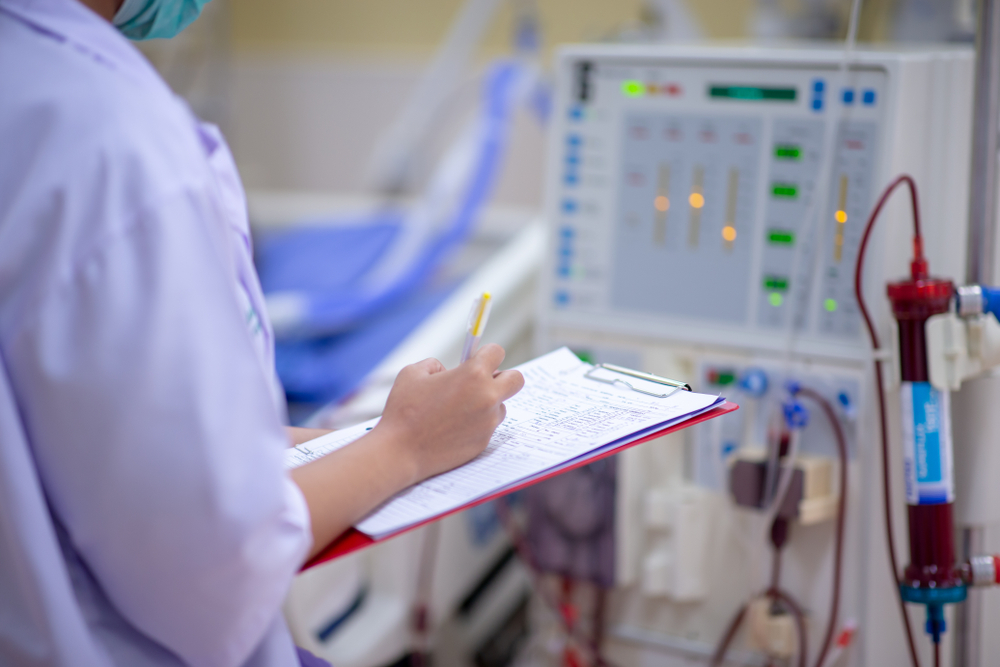
To really understand why this invention mattered, it helps to look at what dialysis actually means for patients. When kidneys fail, waste builds up in the blood. Dialysis replaces that job, but it comes with serious limits. Most patients go to a clinic three times a week. Each visit can stretch four hours or more.
Because of this, work schedules often fall apart. Travel becomes complicated. Even small things, like family events, need planning around treatment days. In rural areas or in poorer regions, access can be unreliable or not available at all. Some patients simply miss treatment because they have no other choice.
Doctors and engineers have known this for years. Smaller systems, home units, and wearable ideas have all been explored. Still, cost and technical complexity keep getting in the way.
Where a Teen’s Idea Began
Anya Pogharian did not start with a lab coat or a medical background. Her idea came from reading, researching, and noticing patterns others seemed to accept. While learning about kidney disease and existing machines, she saw something odd. Most systems used similar science, yet few focused on being affordable and portable at the same time.
That observation shaped her approach. She wanted the device to be compact. She wanted it simple. And maybe most importantly, she wanted it to be cheap enough to matter. Her goal was to strip dialysis down to what it really needs, without cutting corners on safety.
The result was a concept design for a portable dialysis machine that could be produced for around $500. That number alone made people pause, especially in a field where machines often cost tens of thousands of dollars.
Why Cost Changes Everything
Dialysis is expensive in ways most people never see. Clinics need buildings, trained staff, constant monitoring, and maintenance. Patients depend on insurance or public healthcare systems to survive. In many countries, those systems are fragile or missing entirely.
A low-cost option changes a lot. Even if it never replaces clinic dialysis, it could support patients between visits. It could also bring treatment closer to communities that do not have large hospitals.
Lower cost also encourages experimentation. Cheaper devices are easier to test, adjust, and improve. That flexibility is often missing from traditional medical equipment, where price alone limits innovation. Because of this, Anya’s idea stood out not just because of her age, but because of what her thinking represented.
Recognition That Traveled Far
Once Anya presented her work at science competitions, attention followed quickly. Judges saw that her idea tackled a real medical need. Soon, media outlets began sharing the story. It spread beyond Canada and reached audiences interested in healthcare access and youth-led innovation.
What stood out was the tone. The project was not sold as a finished product. Instead, it was presented as a promising idea still early in development. Too many young inventors get framed as overnight success stories. In this case, the focus stayed on potential, learning, and long-term effort.
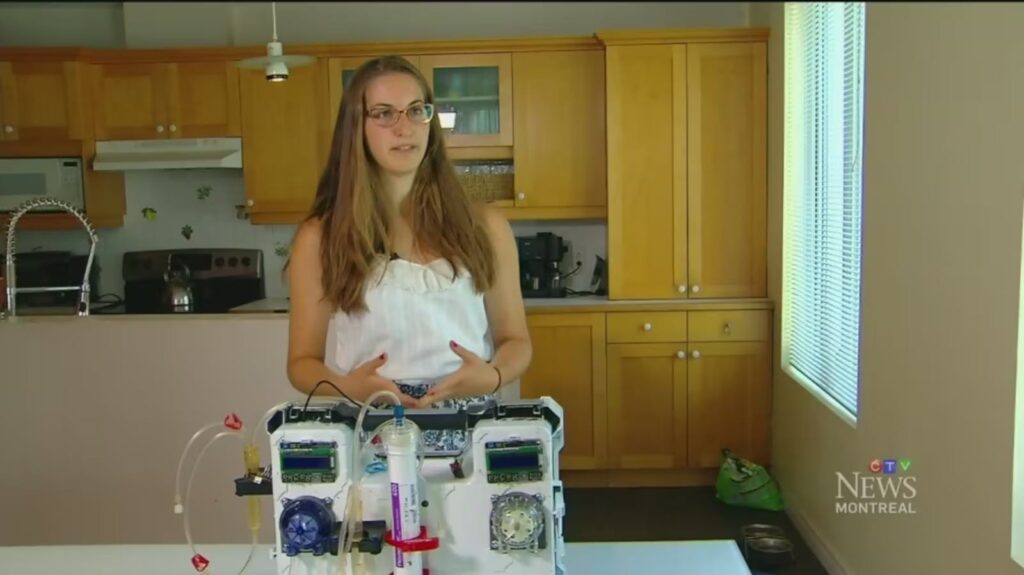
How Portability Changes Daily Life
Portability might sound like a technical detail, but for patients, it is personal. A machine that can move with the user changes how treatment fits into everyday life. Instead of planning life around dialysis, dialysis begins to fit around life.
A smaller system could reduce travel time. It could help patients stick to treatment schedules. It might even ease the mental weight that comes with constant dependency.
While Anya’s design was still conceptual, it matched a wider shift in medicine. More care is moving out of hospitals and into homes. Devices are getting smaller, smarter, and more focused on patient comfort.
Within that context, the idea of a portable dialysis machine did not seem futuristic. It felt overdue.
Scientific Grounding Without Big Promises
One reason experts took the idea seriously was its scientific grounding. Anya never claimed to cure kidney disease. She did not suggest instant rollout. Instead, she focused on whether the idea could work at all.
Her design relied on established dialysis principles like filtration and waste removal. By staying within known science, she avoided unrealistic claims. In medical innovation, that restraint is important.
Reviewers pointed out the long road ahead. Clinical testing, regulatory approval, and manufacturing would all be required. That process can take years. Still, many agreed the idea deserved more attention and research.
A Broader Lesson About Innovation
Beyond dialysis, the story hints at a bigger issue. Many healthcare problems last not because solutions are impossible, but because systems resist change. Regulations, cost structures, and industry habits often slow progress.
Younger innovators sometimes ignore those limits. They ask questions others stopped asking years ago. That does not guarantee success, but it can open new directions.
Here, a teenager’s question prompted professionals to reconsider their assumptions about size, cost, and access. Even if her exact design never reaches hospitals, the challenge it posed still matters.
Why the World Paid Attention
Stories like this stick because they mix realism with hope. There is no miracle ending. No instant fix for global healthcare. Instead, there is a reminder that change often starts small.
A school project turned into a global talking point. A low-budget design challenged high-cost norms. And patients saw a future where treatment might not feel so restrictive.
From Concept to Clinical Reality
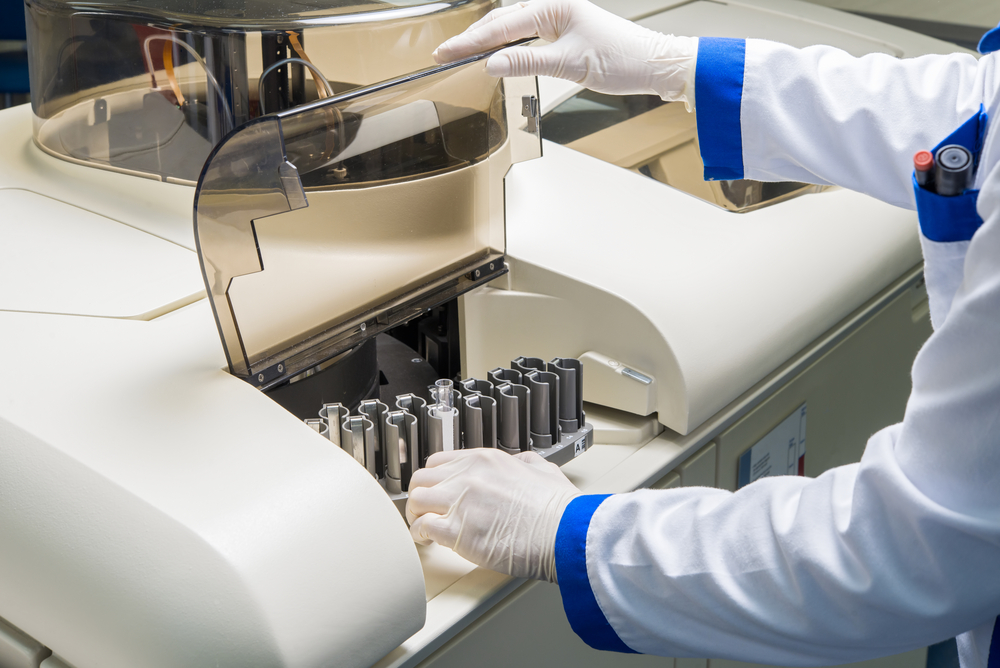
After the early attention faded, the harder part of the journey began. Turning an idea into a real medical device is never simple. For dialysis, especially, the stakes are high. Any system that filters blood must meet strict safety standards. Small mistakes can have serious consequences.
This is where many promising ideas slow down. Testing requires funding, and clinical trials take time. Regulators want hard proof, not potential. Even strong designs can stall without the right support.
That reality does not erase the value of Anya’s work. Instead, it highlights how innovation actually moves. Big breakthroughs often start as rough concepts that get refined by teams over time. Her project opened the door for researchers and engineers to imagine how a portable dialysis machine could be simplified further without losing effectiveness.
Why Global Access Remains the Bigger Issue
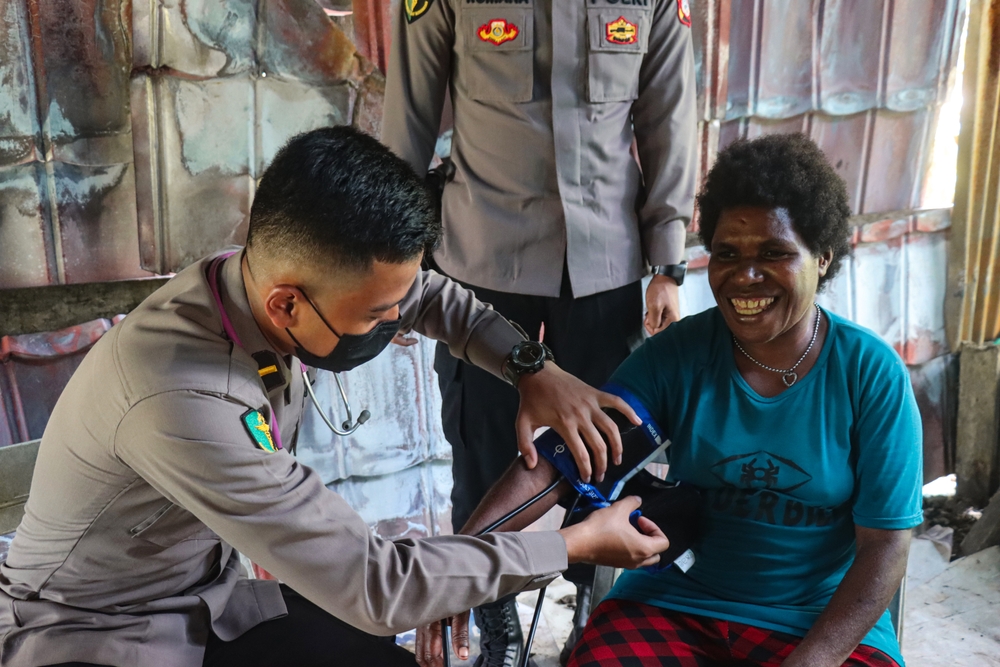
Kidney disease is not evenly distributed across the world. Rates are rising fastest in lower-income regions where access to treatment is already limited. In many places, dialysis centers are hours away, if they exist at all.
Because of that, innovation is not just about convenience. It is about survival. A smaller, more affordable system could support patients who otherwise fall through the cracks. Even partial treatment access can extend life and reduce suffering.
This is why global health experts paid attention to the idea. It addressed more than comfort. It touched on equity. When cost drops, access grows. That basic equation drives much of modern healthcare reform.
In this context, the concept of a portable dialysis machine became symbolic. It represented a shift from centralized care to patient-centered solutions.
Learning From Past Attempts
It is important to note that Anya’s idea was not the first attempt at making dialysis more mobile. Over the years, researchers have tested wearable systems, backpack-style units, and home-based machines. Some showed promise. Others failed due to technical limits or high costs.
What made this project different was its mindset. Instead of adding features, it focused on reducing barriers. Instead of building complexity, it emphasized simplicity. That approach aligns with a growing belief in medicine that sometimes less is more.
By learning from past attempts, innovators can avoid repeating mistakes. That is how progress slowly builds, step by step.
The Role of Youth in Medical Innovation
Young people often see problems differently. They are not yet shaped by industry habits or professional assumptions. That can be an advantage.
Anya did not accept that dialysis had to look the way it always had. She questioned the basics. Why so large and fixed in place? And why so expensive? Those questions matter, even when the answers are complex.
Youth-led innovation does not replace expert knowledge. Instead, it challenges experts to explain why things cannot change. Sometimes, that pressure leads to better solutions.

Image credit: Shutterstock
Managing Expectations Without Losing Hope
One risk with stories like this is false hope. Patients may hear about new devices and assume relief is close. That is rarely the case. Medical development moves slowly for good reasons.
The coverage around this project avoided that trap. It emphasized that the work was early. It acknowledged that testing and approval could take many years. That honesty protects patients while still allowing optimism.
Hope does not need to be immediate to be meaningful. Sometimes, knowing that people are working on the problem is enough.
What Happens After the Headlines Fade
Media attention does not last forever. After the initial excitement, many young inventors return to quiet work. That is often where the real progress happens.
For Anya, the experience itself carried value. She gained exposure to scientific thinking, public scrutiny, and the realities of healthcare innovation. Those lessons last longer than headlines.
Whether or not her original design reaches hospitals, the impact remains. It influenced conversations and inspired other students. It also reminded professionals that fresh thinking can come from unexpected places.
Why This Story Still Matters Today

Dialysis remains a heavy burden for patients. Clinics are still crowded. Costs are still high. Access gaps still exist. That makes the original question just as relevant now as it was then.
Could treatment be smaller and more affordable?
The idea of a portable dialysis machine continues to resurface because the need has never gone away. Each new attempt builds on the last, refining what works and discarding what does not. Innovation rarely arrives fully formed. It evolves over time.
Closing Thoughts
It is easy to assume that medical breakthroughs only come from billion-dollar labs. Sometimes, change begins with curiosity, research, and a willingness to question the status quo.
A teenager did not solve kidney failure. She did something else. She reminded the world that problems can be reimagined.
In the end, this story is not just about one invention. It is about perspective. A low-cost design sparked global interest. A student project challenged expensive norms. And patients saw a future that feels a little less rigid.
Read More: 9 Everyday Choices That Could Lead to Kidney Problems
Trending Products

Red Light Therapy for Body, 660nm 8...

M PAIN MANAGEMENT TECHNOLOGIES Red ...

Red Light Therapy for Body, Infrare...

Red Light Therapy Infrared Light Th...

Handheld Red Light Therapy with Sta...

Red Light Therapy Lamp 10-in-1 with...

Red Light Therapy for Face and Body...

Red Light Therapy Belt for Body, In...

Red Light Therapy for Shoulder Pain...
