That “mountain fresh” scent from a warm basket of laundry is one of life’s small comforts. For decades, we’ve been told that fabric softeners and dryer sheets are the secret to soft, static-free clothes. However, beneath that floral fragrance lies a cocktail of chemicals that science suggests might be doing more harm than good, not just to your clothes, but to your health.
If you’ve ever noticed your towels becoming less absorbent or your skin feeling itchy after a fresh wash, you’ve already seen the side effects of these products. Here is a look at the chemistry of fabric softeners, why their ingredients are cause for concern, and how you can get that same softness using natural alternatives.
How Fabric Softener Actually Works
Image credit: Shutterstock
To understand why fabric softener is problematic, you first have to understand what it actually does. Despite the name, it doesn’t “soften” the fibers of your clothing by making them higher quality. Instead, it coats them.
During the wash cycle, laundry detergents, which are anionic, or negatively charged, clean away dirt. Fabric softeners contain cationic surfactants, which carry a positive charge. Because opposites attract, these positively charged chemicals “stick” to the negatively charged surface of your clothes, forming a thin, waxy layer that makes the fibers stand up and slide past one another easily. This reduces friction, making things feel soft, and neutralizes the electrical charge, eliminating static. Essentially, fabric softener is like a heavy hair conditioner for your clothes; it stays on the fabric long after the rinse cycle is over.
The Hidden Danger: Volatile Organic Compounds (VOCs)
One of the primary health concerns regarding fabric softeners is the release of Volatile Organic Compounds, or VOCs. VOCs are gases emitted from certain solids or liquids that can have short- and long-term adverse health effects.
When you use a scented softener or dryer sheet, those “fragrance” chemicals are released into the air through your dryer vent and the clothes you wear. According to the Environmental Working Group (EWG) and various air quality studies, laundry vents can emit hazardous VOCs like acetaldehyde and benzene, which are classified as carcinogens. Indoors, these compounds can trigger “sick building syndrome,” leading to headaches, dizziness, and respiratory irritation for anyone breathing the air.
The Problematic Ingredients
Traditional softeners are a complex mix of chemicals. Here are the most concerning ones found in common formulas:
1. Quaternary Ammonium Compounds (“Quats”)

These are the primary softening agents. They provide a slipperier, lubricated feel and stop static cling. Quats are known skin irritants and “asthmagens,” meaning they can trigger asthma in otherwise healthy people. Because they are designed to stay on the fabric, they remain in constant contact with your skin, which can lead to contact dermatitis or chronic respiratory issues.
2. Fragrance and Phthalates
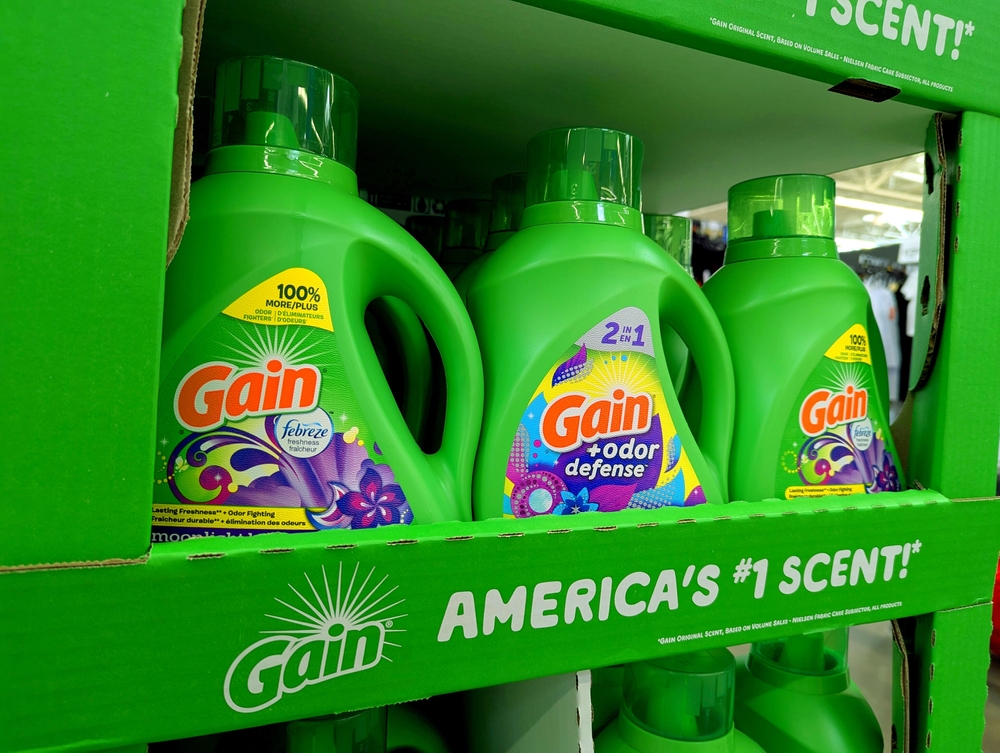
“Fragrance” is a legal loophole that allows companies to hide hundreds of individual chemicals under one word. Phthalates are often used within these fragrances to make the scent last longer on your clothes. Phthalates are notorious endocrine disruptors. They mimic hormones in the body and have been linked to reproductive issues, developmental delays in children, and hormonal imbalances. Even “unscented” versions often contain masking fragrances to hide the smell of the chemical base.
3. Preservatives (like Methylisothiazolinone)
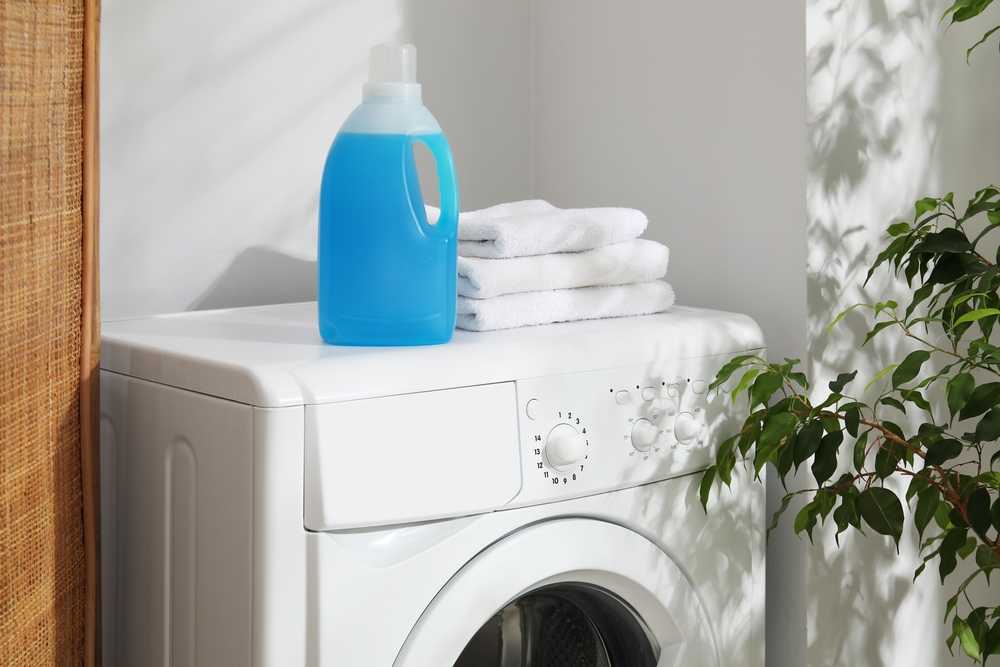
Image credit: Shutterstock
Because liquid softeners contain water, they require preservatives to prevent mold and bacteria from growing in the bottle. These specific preservatives are potent allergens. They are among the most common causes of laundry-related skin rashes and have been restricted in some countries for use in “leave-on” cosmetic products because they are so irritating to human tissue.
4. Artificial Dyes
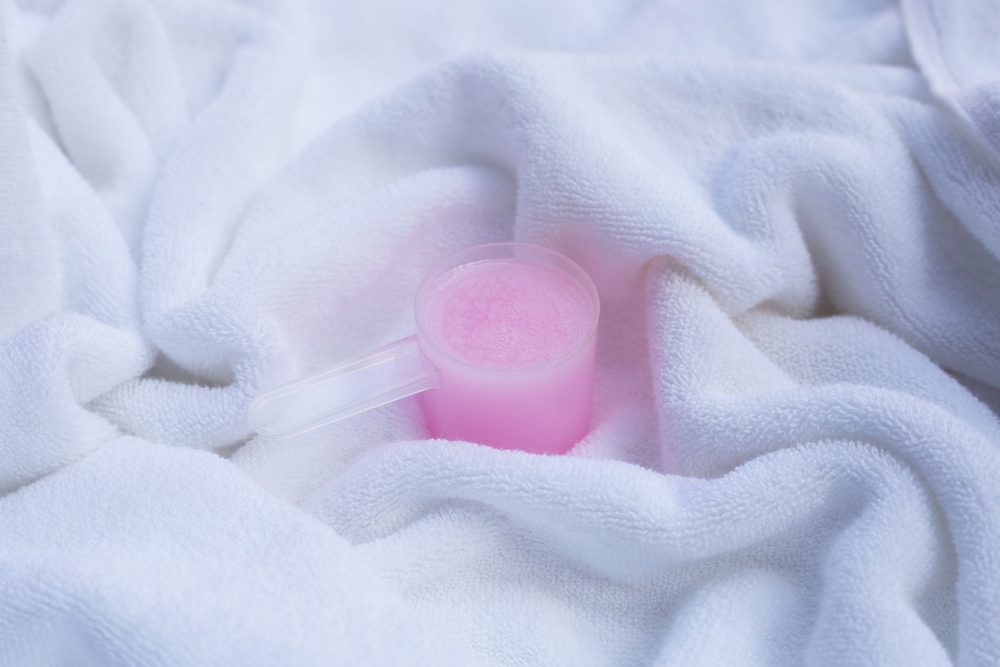
Image credit: Shutterstock
Dyes are purely aesthetic, giving the liquid its signature blue or pink hue. Like fragrances, synthetic dyes are often derived from petroleum or coal tar and are unnecessary skin irritants that offer no functional benefit to the cleaning process.
Read More: Is Laundry Detergent Toxic? 7 Questionable Ingredients to Look Out For
An Environmental Threat
Beyond the personal health risks, fabric softeners pose a significant threat to our planet’s ecosystems. Most conventional softeners are petroleum-based, meaning they are derived from non-renewable fossil fuels and do not biodegrade easily once they are rinsed down the drain. As these chemicals enter our waterways, they introduce potentially toxic substances like glutaraldehyde and quats into aquatic environments, which can be lethal to marine life and disrupt the delicate balance of river and ocean ecosystems. Furthermore, the waxy coating that softeners leave on clothes actually traps microplastics (tiny synthetic fibers shed from polyester and nylon), preventing them from being filtered out and eventually allowing them to bypass wastewater treatment plants. Even the air isn’t safe; VOCs released from dryer vents contribute to ground-level ozone and smog, making fabric softeners a rare household product that manages to pollute the water, the soil, and the air all at once.
Natural Alternatives That Actually Work
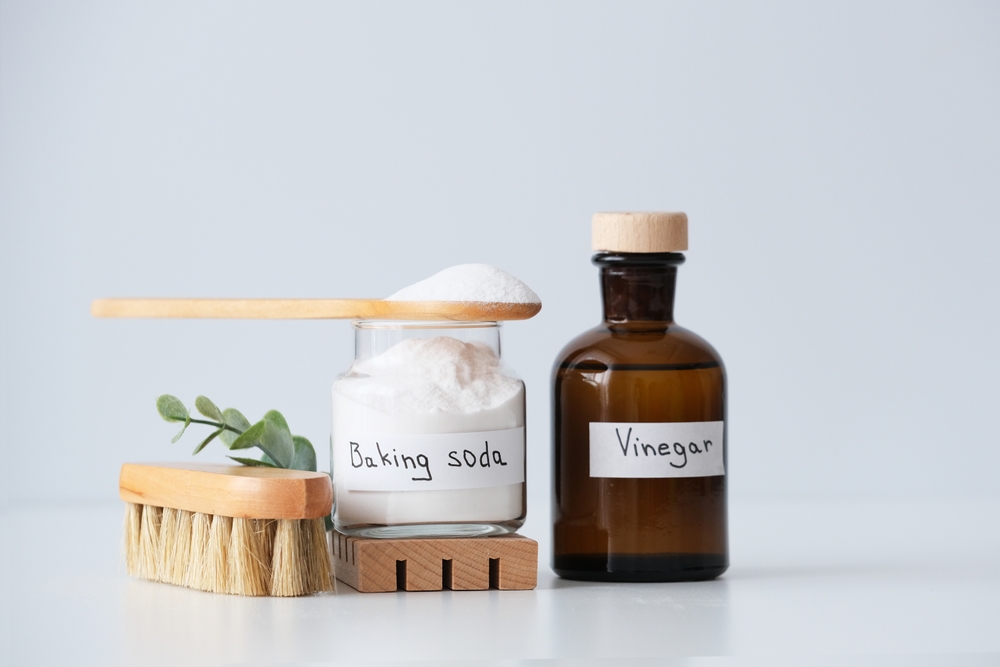
Image credit: Shutterstock
The good news is that you don’t need a lab-created coating to have soft clothes. You likely already have the best alternatives in your pantry. Try these fabric softener alternatives the next time you want your clothes to come out fresh and soft:
- Distilled White Vinegar: This is the gold standard for natural softening. Add ¼ to ½ cup to your machine’s fabric softener dispenser. The acidity of the vinegar breaks down the mineral deposits in hard water and strips away excess detergent residue. These are the two main reasons clothes feel “stiff”. Don’t worry, the vinegar smell disappears completely once the clothes are dry.
- Wool Dryer Balls: Instead of coating your clothes in wax, wool dryer balls work mechanically. As they tumble, they bounce between layers of clothing, circulating air, and physically “fluffing” the fibers. They can reduce drying time by up to 25% and are naturally hypoallergenic.
- Baking Soda: Adding ½ cup of baking soda to the wash cycle helps regulate the pH level of the water. This prevents the “stiffness” caused by detergent and leaves the clothes feeling naturally soft and smelling neutral.
- Epsom Salts: For a DIY scented softener, mix 2 cups of Epsom salt with 20 drops of a pure essential oil, like lavender or lemon. Add two tablespoons to the rinse cycle. The minerals help “relax” the fabric fibers.
The Bottom Line
Fabric softeners are a prime example of a product that solves a minor convenience while creating a major health and environmental footprint. By coating our clothes in quats and phthalates, we trade skin and respiratory health for a fleeting floral scent.
By switching to simple, time-tested alternatives like vinegar and dryer balls, you can achieve the same results – softer, static-free laundry – without the chemical cocktail. Your skin, your lungs, and your wardrobe (which will last longer without that waxy buildup) will thank you.
Read More: The Safest Laundry Detergents: A Simple Guide to Non-Toxic, Eco-Friendly Washing
Trending Products

Red Light Therapy for Body, 660nm 8...

M PAIN MANAGEMENT TECHNOLOGIES Red ...

Red Light Therapy for Body, Infrare...

Red Light Therapy Infrared Light Th...

Handheld Red Light Therapy with Sta...

Red Light Therapy Lamp 10-in-1 with...

Red Light Therapy for Face and Body...

Red Light Therapy Belt for Body, In...

Red Light Therapy for Shoulder Pain...
