
Sitophilia is suddenly everywhere in trend coverage, but the practice itself is not new. In plain terms, it refers to sexual interest or erotic play involving food. The label can cover simple activities, like licking whipped cream from skin, and more intense scenarios that bring food closer to intimate areas. That wide range is exactly why medical guidance matters. A low-risk idea can become risky fast when food touches delicate tissue, creates irritation, or interferes with protection. The conversation is strongest when it stays practical, not judgmental. Furthermore, the goal is not to shame consensual adults, but to reduce avoidable harm while preserving pleasure and choice. The Sexual Health Alliance describes sitophilia as sexual desire involving food situations, and that broad definition helps explain why people mean different things when they use the word.
This is where ob-gyn Alyssa Dweck, M.D., becomes especially useful. In coverage discussing the sitophilia trend, she did not treat food play as automatically wrong. She acknowledged it can be sensual, but she also gave very clear limits when the vagina and vulva are involved. Those warnings align with mainstream gynecology guidance on irritation, infections, and vaginal care. They also align with public health messaging on safer sex. The smartest approach is therefore simple and realistic: keep sitophilia surface-level, keep food away from internal vaginal use, protect barrier methods, and treat any symptoms seriously.
What Sitophilia Means And Why Experts Start With Safety
Image Credit: Pexels
Sitophilia usually means sexual arousal linked to food, eating, drinking, or food-based erotic situations. The Sexual Health Alliance defines it directly, saying, “Sitophilia is the sexual desire for situations involving food.” That source also notes the common term “food play” and explains that the category can include many different activities. This broad definition is important because not all sitophilia is medically equal. Some couples put food on areas like the chest, shoulders, or stomach. Others may involve the genitals, which raises a very different risk profile. Risk increases when sugar, oils, acids, preservatives, or textured foods contact sensitive genital tissue. Risk also increases when people improvise without discussing allergies, condom use, or stop rules. The label itself does not cause harm. The details of the activity do. That is why medical experts begin with boundaries and anatomy before discussing products or techniques.
A useful health framework comes from WHO’s sexual health definitions page, which describes sexual health as including“pleasurable and safe sexual experiences” within a respectful approach to sexuality and relationships. Even though WHO is not writing specifically about sitophilia, the principle fits perfectly. Pleasure and safety belong together. Consent and communication belong at the start, not in cleanup. Partners should discuss what will be used, where it may touch, what body areas are off-limits, and what protection will be used. They should also agree on a stop signal before anything begins. That step reduces confusion when someone starts to sting, burn, panic, or react to a food ingredient. It also helps couples avoid the common mistake of treating a social media trend like a ready-made script. Sitophilia can look playful online, but real bodies have different skin sensitivity, infection history, and allergy risk.
Medical experts start with safety because body tissue, microbiomes, and barrier methods do not care whether the trend looks fun on a screen. Another reason experts define sitophilia carefully is that people often copy examples without understanding the body area involved. Chocolate syrup on the torso raises very different concerns than sugary products near the vulva. Ice can also create problems if it stays on the skin too long. Crumbs, seeds, and sticky residue may sound minor, yet they can increase friction and irritation during touch.
Fragrance is another overlooked issue, because flavored toppings and scented foods can trigger redness on sensitive skin. Partners also need to plan a cleanup before starting. Clean towels, warm water, and unscented wipes for hands can reduce contamination during the session. However, wipes should not be used inside the vagina. A short check-in afterward also helps. If someone notices burning, itching, swelling, or unusual discharge later, they should connect it to the food exposure and act early. Experts focus on these practical details because they prevent avoidable problems and help couples keep experimentation consensual, enjoyable, and physically safer. Clear limits also reduce pressure, because no one should continue once discomfort starts or a boundary changes during the moment.
Alyssa Dweck’s Core Advice For Sitophilia Near The Genitals
The first point from ob-gyn Alyssa Dweck, M.D., is the most important one in this trend discussion. In coverage of sitophilia, she acknowledges the appeal and says, “Food and foreplay are very sensual, and there are totally safe ways to go about this to have an enjoyable experience.” That line matters because it sets the tone correctly. She is not issuing a blanket moral warning. She is drawing a medical safety line. The same report then explains her concern when food moves toward the vagina. Dweck warns people to be very careful about what goes in and around it, and shares an emergency example involving aerosolized whipped cream. She is also quoted saying, “We had a story where a girl came into the ER because her partner tried to put aerosolised whipped cream up the vagina – big trouble with that.”
She then advises against putting foods inside the vagina. Internal vaginal use is where curiosity can turn into an urgent clinical problem. Her second point is just as useful, and many people miss it because they focus only on internal use. Dweck’s reported guidance also warns people to be careful about what touches the vulva. That distinction matters because the vulva is external, but it is still sensitive tissue. That advice fits standard clinical guidance on vulvovaginal care. Cleveland Clinic explains that the vagina is self-cleaning and warns that harsh chemicals, wipes, and douching can disrupt normal processes.
The same Cleveland Clinic article quotes an ob-gyn saying, “Your vagina requires very little care, so less is more.” Sitophilia products are often not sold or designed for intimate tissue. They may contain sugar, acids, oils, flavorings, and residue that increase irritation risk after friction. Dweck’s practical message, therefore, matches broader gynecology advice. Surface-level play can be lower risk. Genital exposure needs strict limits. Internal vaginal food use should be avoided. Dweck’s caution also helps people avoid a common misunderstanding about “external” use. Many assume that if a product stays outside the body, it is automatically safe.
The vulva does not work like ordinary arm skin, though, because friction, heat, and moisture can increase irritation quickly. A sugary or acidic food may sting after only brief contact. Sticky residue can also remain in skin folds and continue causing discomfort later. This is why basic planning helps. Couples can keep food in lower-risk areas like the chest or thighs and keep a clear no-go rule for genital contact. They can also choose plain, unscented cleanup methods and stop immediately if any burning starts. Dweck’s advice is practical because it does not rely on shame or fear. It gives people a clear line they can remember during the moment, when judgment may be rushed, and social media ideas can seem safer than they really are.
The Main Medical Risks Experts Worry About
The most common medical problem after risky sitophilia play may look simple at first, but symptoms often overlap. A person may report burning, itching, discharge changes, odor, or pain when urinating. Those symptoms can point to several conditions, and self-diagnosis can delay treatment. CDC guidance on bacterial vaginosis notes possible symptoms, including thin discharge, pain or itching, a strong fish-like odor, burning when peeing, and itching around the outside of the vagina. Cleveland Clinic’s vaginal yeast infection page explains that yeast infections can cause burning, itching, redness in the vulva, and discharge changes, and it notes that Candida overgrowth drives the condition. Mayo Clinic’s UTI page lists symptoms such as burning when urinating, frequent urination, urgency, and pelvic pain. In other words, the same post-trend discomfort can fit more than one condition. That is why medical experts push people away from experiments that complicate the picture.
Food exposure, friction, and irritation can muddy symptoms that clinicians need to interpret clearly. The second concern is tissue irritation and contamination from products never meant for genital contact. Food items can include sugar, flavoring chemicals, preservatives, oils, and acids. Even “natural” items can sting or inflame skin, especially after shaving, friction, or existing irritation. Residue can also linger after washing, which may prolong symptoms. Cleveland Clinic’s gynecology guidance emphasizes that the vagina is self-cleaning and warns that harsh products can disrupt normal balance. That same “less is more” principle applies here. Trend content often treats food as harmless because it is edible. Medical care does not use that standard. Something can be safe to eat and still be a poor fit for mucosal tissue or vulvar skin. Dweck’s warning about avoiding internal vaginal food use reflects this exact issue.
If symptoms appear after food play, clinicians will usually care less about the trend label and more about what touched the area, how long it was there, whether penetration occurred, and whether symptoms now fit BV, yeast infection, UTI, dermatitis, or an allergic reaction. That is why a detailed history helps, and embarrassment does not. Clinicians also worry when people try to treat symptoms at home without knowing what they are treating. An over-the-counter yeast product will not fix every cause of burning or discharge. It may also delay proper care if the problem is BV, a UTI, dermatitis, or an allergic reaction. Food exposure can complicate this because sugar, oils, and flavorings may trigger irritation first, then infection symptoms later.
Timing can become confusing. Someone may assume the reaction passed, then notice worsening discomfort the next day. That delay often leads to guesswork and repeated product use. A better step is simple documentation. Note what food was used, where it touched, whether penetration happened, and when symptoms began. That information helps a clinician narrow causes faster. It also reduces embarrassment during the visit, because the focus shifts to exposure details and symptom timing. Accurate history usually shortens the path to treatment and lowers the chance of ongoing irritation.
Condoms, Oils, Allergies, And Safer Product Choices
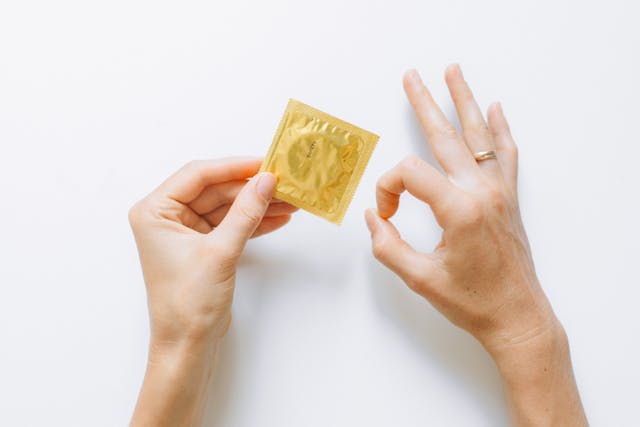
One reason sitophilia can become risky even during “careful” play is barrier protection failure. Coverage of Dweck’s sitophilia comments notes that coconut oil may be acceptable around the vulva for some people, but not when latex condoms are being used for STI or pregnancy protection. That warning matches CDC guidance exactly. CDC’s condom page states, “Use water-based lubricants. Oil-based lubricants (petroleum jelly, body lotions, etc.) can weaken latex and break the condom.” This is a practical issue, not a niche one. Couples may think they are improving comfort with an oil or food-based product while quietly increasing breakage risk. If a couple relies on latex condoms, food oils, body oils, and improvised oil-based products should be treated as compatibility hazards. People who want lubrication should choose products labeled for sexual use and compatible with their barrier method.
Trend-driven improvisation sounds exciting online, but contraception and STI prevention fail in very ordinary ways. Latex breakdown is one of them. Allergy risk is another major concern that trend coverage often underplays. Sitophilia can involve direct skin contact, accidental oral exposure, or transfer to mucosal tissue. If a partner has a known food allergy, even a small amount can become dangerous fast. The American College of Allergy, Asthma & Immunology warns that anaphylaxis is a life-threatening reaction and states, “Anaphylaxis can come on within minutes of exposure to the trigger food.” ACAAI also notes that common allergens include eggs, milk and dairy, peanuts, tree nuts, fish, shellfish, wheat, soy, and sesame. Those are not rare bedroom ingredients. They are common household foods.
Read More: New Sex Trend Called “Warm Sex” Is Sparking Conversations
The simplest preventive step is a direct conversation before any play starts. Ask about food allergies. Ask about skin reactions. Ask about prior irritation with lubricants, condoms, or scented products. A safer product choice is not just about texture. It is about barrier compatibility, allergy history, and whether the item was designed for intimate contact. That approach keeps sitophilia from drifting into avoidable emergency care. Cross-contact is another issue couples rarely consider in the moment. A spoon, finger, or mouth can transfer food from one body area to another within seconds. That raises risk even when the original plan seemed careful. If a couple wants to include food, they can reduce risk by assigning one product to one body zone and stopping there.
They should also wash their hands before touching their genitals or handling condoms. Barrier timing matters too. Put the condom on before any genital contact when latex protection is part of the plan. Do not add oils, butter, or food-based coatings afterward. If extra lubrication is needed, use a condom-compatible product labeled for sexual use. Couples should also keep ingredient packaging nearby in case irritation starts. That makes it easier to check for allergens, fragrances, and sweeteners. A simple rule works well here. If you would not use it on irritated skin, do not use it near intimate tissue. Planning these steps before foreplay keeps decisions clear, protects condoms, and lowers panic if symptoms appear later, because both partners know the exact products used
Disclaimer: This information is not intended to be a substitute for professional medical advice, diagnosis or treatment and is for information only. Always seek the advice of your physician or another qualified health provider with any questions about your medical condition and/or current medication. Do not disregard professional medical advice or delay seeking advice or treatment because of something you have read here.
A.I. Disclaimer: This article was created with AI assistance and edited by a human for accuracy and clarity.
Read More: 20 Clear Signs Someone in Your Life Is Toxic — and Why Recognizing Them Matters
Trending Products

Red Light Therapy for Body, 660nm 8...

M PAIN MANAGEMENT TECHNOLOGIES Red ...

Red Light Therapy for Body, Infrare...

Red Light Therapy Infrared Light Th...

Handheld Red Light Therapy with Sta...

Red Light Therapy Lamp 10-in-1 with...

Red Light Therapy for Face and Body...

Red Light Therapy Belt for Body, In...

Red Light Therapy for Shoulder Pain...
