
A viral headline claims a “bigger-looking butt” can reveal autism or ADHD traits. While that particular framing may be catchy, it can also mislead. A forward-tilting pelvis can change a side-view silhouette, and it can make glutes appear more prominent. Clinicians call that posture anterior pelvic tilt. Some research finds average gait differences in groups of children with ADHD or signs of autism, including pelvic angles. However, those studies describe group averages, not individual signals.
Autism and ADHD are diagnosed through development and behavior, not a single posture cue. Many people with either condition have an ordinary posture, and many people without them show a forward tilt. So, posture can start a conversation about comfort and movement, yet it should never label a person. This article explains what the studies found, what they cannot prove, and how to respond with care. If pain, fatigue, or clumsiness is present, a clinician can assess the whole picture.
Anterior pelvic tilt explains the silhouette, not the diagnosis
Pelvic tilt describes how the pelvis sits in the sagittal plane. In clinical settings, it is estimated using two landmarks on each hip bone. A physical therapy review defines it clearly. “Anterior pelvic tilt is when the ASIS is either lower than the PSIS.” When that tilt increases, the lower back often extends, and the lumbar curve can look deeper. That can shift the ribcage and abdomen forward, while the hips and glutes look set back. Therefore, a forward tilt can create the “duck butt” outline that people notice in photos. The shape shift comes from joint position, not only from muscle size or body fat. That is why “bigger-looking” is an appearance phrase, not a measurement.
Even so, anterior pelvic tilt is common, and it varies widely among healthy people. The same review notes variability among people without symptoms. It describes “considerable variability in pelvic tilt among asymptomatic individuals.” It also lists factors that can influence pelvic tilt, including “muscle tone,” pain, bone shape, and mobility nearby. That mix means a single posture snapshot rarely points to one cause. It also means a photo cannot separate a typical variant from a functional problem. The review warns that simple visual grading may lead to “misguided clinical decisions.” So, the viral claim starts with a real posture term, yet it finishes with an unsafe leap. They may check hip range, trunk endurance, and how the pelvis behaves during walking or squatting. They will also ask about pain, sports, sitting time, and recent growth or injury. If posture causes pain, clinicians may also screen for hip impingement or spinal issues.
What the ADHD gait study actually measured
One widely shared study examined gait in boys with ADHD using motion capture. Hiroaki Naruse and colleagues worked with the University of Fukui and its hospital in Japan. They compared 19 boys with ADHD to 21 boys with typical development during self-selected walking. They measured cadence, stride variables, and joint angles for the pelvis and lower limbs. In the abstract, the authors report “significantly higher values” for anterior pelvic angle in the ADHD group. They set out to see whether body movement patterns during gait relate to ADHD symptom scores. Because gait uses timing, balance, and attention, small differences can show up in angles and forces.
The same abstract links pelvic angle to symptoms. It states that the anterior pelvic angle was associated with hyperactive and impulsive rating scores. The conclusion line sums it up. “Our results suggest that anterior pelvic angle represents a specific gait variable related to ADHD symptoms.” That sentence can sound like a marker, yet the context is narrow. The measure was taken during lab walking, not from static posture photos. The sample was small, and it included only boys, which limits generalization. Most importantly, the study did not test whether pelvic angle predicts diagnosis in a mixed population. Therefore, the safest takeaway is modest. Some children with ADHD show different average pelvic mechanics during gait, and that may relate to motor control. Those ideas are plausible, yet this study did not prove mechanisms. Its value is descriptive, and it can guide future research and rehabilitation questions. Future studies should include girls of varied ages, plus different walking tasks in real-world settings when possible.
What the autism gait study found, and what it cannot prove
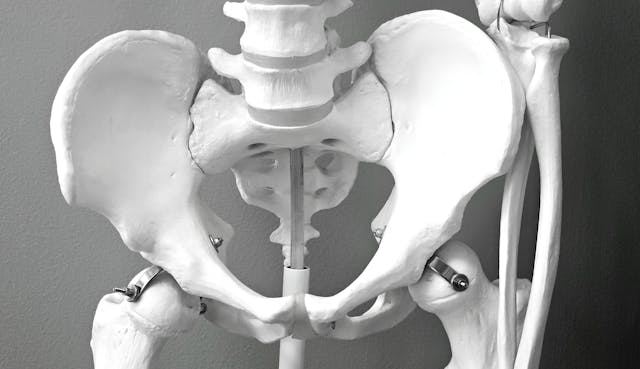
Image Credit: Pexels
Another frequently cited paper studied gait in school-aged autistic children on a virtual reality treadmill. Emilia Biffi and colleagues recruited children through IRCCS Eugenio Medea in Italy. They also collaborated with the University of Milano-Bicocca. Their protocol included a baseline walk, then repeated brief perturbations at toe-off, then another walk. The abstract reports a finding. “At baseline, children with ASD had reduced ankle flexion moment.” The abstract reported greater hip flexion at initial contact and greater pelvic anteversion. Pelvic anteversion is related to anterior pelvic tilt in many gait models. That is common in careful research, yet it narrows the population represented.
The same abstract also emphasizes learning and adaptation. It notes that “more than 60% of parameters showed reliable adaptation with a decay rate comparable between groups.” So the story is not only different, but also a capability under challenge. Still, a treadmill laboratory task is very different from a phone photo at home. Joint angles depend on marker placement, walking speed, and the exact definitions used in the model. The authors describe gait analysis as a tool “to identify subtle signs of motor system peculiarities” in autism. That wording supports research and clinical insight, yet it does not support social media screening. Therefore, it is fair to say some autistic children show different average pelvic mechanics during gait. It is not fair to say a bigger-looking butt signals autism. Autism is heterogeneous, so no single movement pattern appears in everyone. Some children may show pelvic differences, while others show none. Real-life posture shifts with context, so repeated observations can be more informative than one snapshot.
Why motor differences can appear in signs of autism and ADHD
Posture and gait sit inside the broader motor system, which develops with the brain. Autism spectrum disorder is a neurodevelopmental condition. A U.S. health institute defines it as “a developmental disability” that can affect communication and behavior. ADHD is also neurodevelopmental, and the CDC calls it “one of the most common neurodevelopmental disorders of childhood.” A diagnosis depends on development and daily impact across settings. So, posture alone cannot confirm or rule out either condition. Yet posture can still reveal fatigue, discomfort, or coordination strain that deserves support. Attention and sensory processing shape movement choices during standing and walking. These links are plausible, yet they vary across individuals.
Evidence for motor differences in autism is strong at the group level. A large meta-analysis concluded “motor coordination deficits [are] pervasive across diagnoses, thus, a cardinal feature of ASD”. That phrasing describes a frequent finding, not a universal rule. The ADHD gait paper also opens with a similar idea. “Children with attention deficit/hyperactivity disorder (ADHD) frequently have motor problems.” Motor issues can include timing, balance, and planning, which influence pelvic control. If balance reactions are delayed, a child may adopt a stance that feels stable. If attention is pulled elsewhere, posture control can drop in priority. Therefore, pelvic angles can be one downstream reflection of motor organization, yet they remain non-specific. If body awareness is less reliable, the pelvis can drift into a habitual tilt without conscious correction. If the trunk tires quickly, a forward tilt can feel easier for a short time. These links help explain trends, yet they do not set a single motor profile.
Muscle tone, fatigue, and habits like toe walking
Muscle tone helps hold the body upright during sitting and standing. The Royal Children’s Hospital explains that tone is “the amount of tension” in muscles. It adds, “Children with low muscle tone may need to put in more effort” during activities. It also notes, “They may also have difficulty maintaining good posture when sitting or standing.” When trunk endurance is lower, the pelvis can tip forward during standing, especially late in the day. Those compensations can change the silhouette, yet they begin as strategies to reduce effort. The hospital notes that low tone may stem from nerve or muscle problems, or it may be idiopathic. It also notes that physiotherapists and occupational therapists may advise on activities and treatment. Many children with low tone improve over time, especially with practice and support. Support focuses on endurance and skill, not on forcing a rigid posture.
Toe walking can also shape pelvic mechanics during gait. It occurs for many reasons, including habit, tight calves, or sensory preferences. An NHS children’s therapy leaflet states, “around 1 in 5 children with ASD/ADHD toe walk”. Walking on the toes shifts the center of mass forward and changes ankle push-off. Still, toe walking is not a diagnostic sign on its own. The same NHS leaflet advises medical review when toe walking links to pain, falls, or new difficulty with activity. So, the best response is a supportive assessment, not labeling from appearance. One-sided toe walking, or inability to place heels down, can signal a need for targeted assessment.
Why the “bigger-looking butt” framing breaks down

The phrase “bigger-looking butt” turns biomechanics into a body verdict. A photo captures clothing, camera height, and a split-second stance. A slight hip shift can change what looks “prominent” from the side. Wide-angle lenses can distort proportions, especially in close-up shots. That distortion can exaggerate the hip curve and glute projection. Training and genetics also shape glute size, while posture shapes glute position. So, the next question is function, not identity. Anterior pelvic tilt can appear with prolonged sitting and tight hip flexors. It can also appear during growth spurts when flexibility lags behind bone length. Many people also stand with knees locked, which can increase the look of a tilt.
Measurement also matters. Pelvic tilt in research is an angle measured with markers or imaging, not a vague visual judgment. Suits and colleagues caution that simple observation can drive “misguided clinical decisions”. They also report “considerable variability in pelvic tilt among asymptomatic individuals.” That means overlap is expected between any two groups. The two papers often cited here studied school-aged children under lab conditions. Neither paper proposes a cutoff angle that separates diagnosis from typical development. Neither paper measures “butt size”. They measure gait variables that may help describe motor features in a subgroup. That can inform therapy research, yet it cannot replace clinical assessment. Body-focused claims can shame people, especially teens, and they can drive harmful checking. A better question is how someone moves and whether they hurt. So, clinicians prefer measures taken during movement, with context. It varies widely.
When posture should prompt a check-in
Posture becomes important when it connects to comfort, stamina, or safety. A forward pelvic tilt paired with back pain, frequent falls, or avoidance of play deserves attention. So does new limping, one-sided toe walking, or inability to place heels down. In those cases, clinicians can check strength, flexibility, joint motion, and neurologic signs. They can also review growth, injuries, and daily habits that influence posture. Often, the goal is simple: reduce pain and improve participation in school, sport, and daily tasks. Adults can also benefit from assessment, especially with persistent low-back soreness or hip tightness. A physiotherapist can observe gait, test control during squats, and look for compensations. An occupational therapist may assess fine-motor fatigue and seating needs for schoolwork.
If the concern is ADHD or autism, posture should be one small detail in a longer history. Screening tools focus on behavior, learning, attention, and social communication across settings. The CDC notes, “Identifying signs and symptoms of ADHD can help lead to a diagnosis.” For autism, early action can help, even before a formal label is finalized. A CDC early support page says, “Early intervention services can greatly improve the development of a child with ASD.” So, if concerns exist, pursue a qualified assessment and support plan. Use posture as a prompt to check movement health, not as a shortcut to a diagnosis. If a child already has a diagnosis, posture work can still be worthwhile. Motor supports can reduce fatigue, which can improve attention during class. They can also build confidence in playground skills, which supports social participation.
Support that helps posture, whatever the label
Support for anterior pelvic tilt usually targets endurance, flexibility, and motor control. Clinicians often check hip flexor length, glute strength, and deep abdominal endurance. They also watch how the pelvis behaves during walking, stairs, and sport-specific movements. For children, play-based movement works best, since enjoyment drives repetition. The Royal Children’s Hospital notes that a physiotherapist or occupational therapist can “offer strategies and suggestions.” It also suggests daily warm-up activities to help a child experience “a more stable posture” during tasks. Progress comes from small, repeated sessions, and clinicians adjust drills based on feedback and daily function. For kids, games and friends can keep practice going.
For adults, the principles are similar, yet the context differs. Long hours seated can stiffen hips and reduce trunk endurance, which encourages a forward tilt. Frequent breaks, varied sitting positions, and gradual strengthening can help. For children with sensory sensitivities, the environment matters as much as the exercise. If a classroom chair is too large, a child may perch forward and tilt the pelvis to stay balanced. If footwear is unstable, the body may compensate with pelvic position. Therefore, the best plan is individualized and kind. It aims for comfort, skill, and participation, not for a perfect silhouette. When care stays focused on function, posture work can fit alongside ADHD or autism supports without stigma. Changes usually take weeks, and some variation will always remain. Pain should guide intensity, since forcing a position can irritate joints. With that guardrail, most posture work is safe and empowering.
Read More: What is Leucovorin? FDA Approves it For Rare Condition Tied to Autism Symptoms
Conclusion
The viral story about a “bigger-looking butt” begins with a real posture concept, but it overreaches. Anterior pelvic tilt can shift the side-view outline and make the glutes appear more prominent. That shift can be influenced by muscle tone, daily habits, growth, pain, and mobility. It is also common in healthy people, with wide normal variation. So a photo cannot turn posture into a diagnosis. The research often cited is more specific and more careful. Naruse and colleagues measured gait in boys with ADHD using motion capture. They reported a higher anterior pelvic angle during walking, on average, compared with controls. Biffi and colleagues studied gait in autistic children on a virtual reality treadmill. They reported greater pelvic anteversion at baseline, alongside other gait differences. Both studies describe group averages under controlled conditions.
Neither study proposes a cutoff angle that screens for signs of autism or ADHD. Neither study measures body shape, and neither suggests a “sneaky sign”. A kinder and more accurate message is also more useful. If posture links to pain, fatigue, falls, or avoidance of activity, seek assessment. Physiotherapists and occupational therapists can help with strength, endurance, and motor control. If there are concerns about attention, learning, or social communication, seek a qualified developmental evaluation. The CDC notes that “early intervention services can greatly improve the development of a child with ASD.” Support works best when it follows function and well-being. Posture can be one small clue about movement health, yet it should never label a person. Avoid self-diagnosis from social posts. Share concerns with clinicians, and describe what you see day to day. That detail helps far more than photos.
A.I. Disclaimer: This article was created with AI assistance and edited by a human for accuracy and clarity.
Read More: The Ancient Dates and Butter Ritual People Use for Strength and Deep Body Repair
Trending Products

Red Light Therapy for Body, 660nm 8...

M PAIN MANAGEMENT TECHNOLOGIES Red ...

Red Light Therapy for Body, Infrare...

Red Light Therapy Infrared Light Th...

Handheld Red Light Therapy with Sta...

Red Light Therapy Lamp 10-in-1 with...

Red Light Therapy for Face and Body...

Red Light Therapy Belt for Body, In...

Red Light Therapy for Shoulder Pain...
