
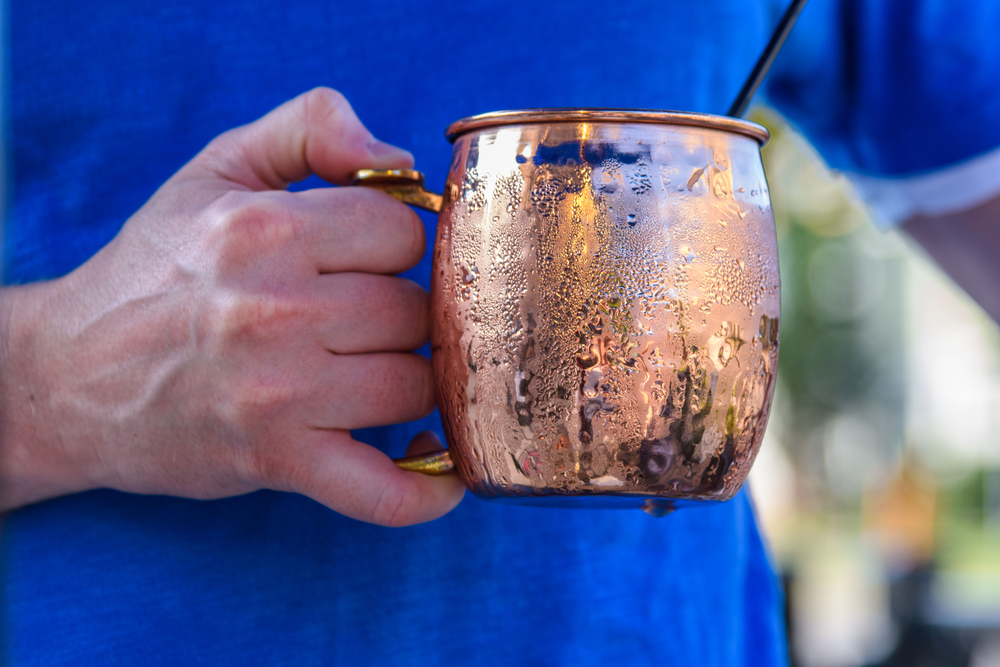
In the age of. Instagrammable wellness, where every kitchen accessory seems to double as a health supplement, the copper cup has made a glittering comeback. You’ve likely seen them: burnished, rose-gold vessels sweating with condensation, usually filled with a lime-garnished Moscow Mule or a meticulously crafted “Ayurvedic water” blend. Proponents claim that drinking from these vessels can do everything from boosting your metabolism to slowing down the process of aging.
But as with any trend that promises a shortcut to vitality, it is essential to peel back the aesthetic layer and look at the biological reality. Copper is, without question, vital to human life. However, the leap from essential mineral to drinking from a copper cup cures all ills is a significant one. Let’s explore the science of copper, its role in the human body, and whether your trendy mug is actually a health tool or just a beautiful piece of barware.
What is Copper? The Bronze Age Essential in Your Cells
Image Credit: Shutterstock
Copper is a chemical element with the symbol Cu and atomic number 29. It is a ductile metal with very high thermal and electrical conductivity. While we often associate it with industrial wiring, plumbing, and ancient weaponry, it is also a fundamental “trace element” for almost all aerobic organisms.
In the human body, copper acts primarily as a cofactor for several enzymes, known as cuproenzymes. These enzymes are responsible for critical biological processes that keep us upright and functioning. Because our bodies cannot synthesize copper on their own, we are entirely dependent on dietary intake to maintain our levels.
The Biological Importance of Copper
Copper isn’t just sitting idle in your system; it’s a busy worker involved in:
- Energy Production: Copper is a key component of cytochrome c oxidase, an enzyme essential for cellular respiration and the production of ATP (the body’s primary energy currency).
- Iron Metabolism: It helps the body to absorb iron from the gut and ensures that iron is released into the blood to form hemoglobin, which carries oxygen to your tissues.
- Brain Function: Copper is involved in the synthesis of neurotransmitters and the maintenance of the myelin sheath, which protects nerve cells.
- Connective Tissue: It helps link collagen and elastin, providing strength and elasticity to your skin, blood vessels, and bones.
- Antioxidant Defense: It is a core part of superoxide dismutase (SOD), one of the body’s most powerful antioxidant enzymes that protects cells from free radical damage.
Dietary Sources of Copper
The good news is that copper deficiency is relatively rare in developed nations because copper is found in a wide variety of foods. If you eat a balanced diet, you are likely meeting the Recommended Dietary Allowance (RDA), which is approximately 900 micrograms per day for adults.
Common sources of copper include:
- Organ meats, particularly beef liver.
- Shellfish: Oysters and lobster are incredibly dense in copper.
- Seeds and nuts, especially sesame seeds, cashews, and sunflower seeds.
- Whole grains, such as wheat bran and oats.
- Legumes, like lentils, chickpeas, and soybeans.
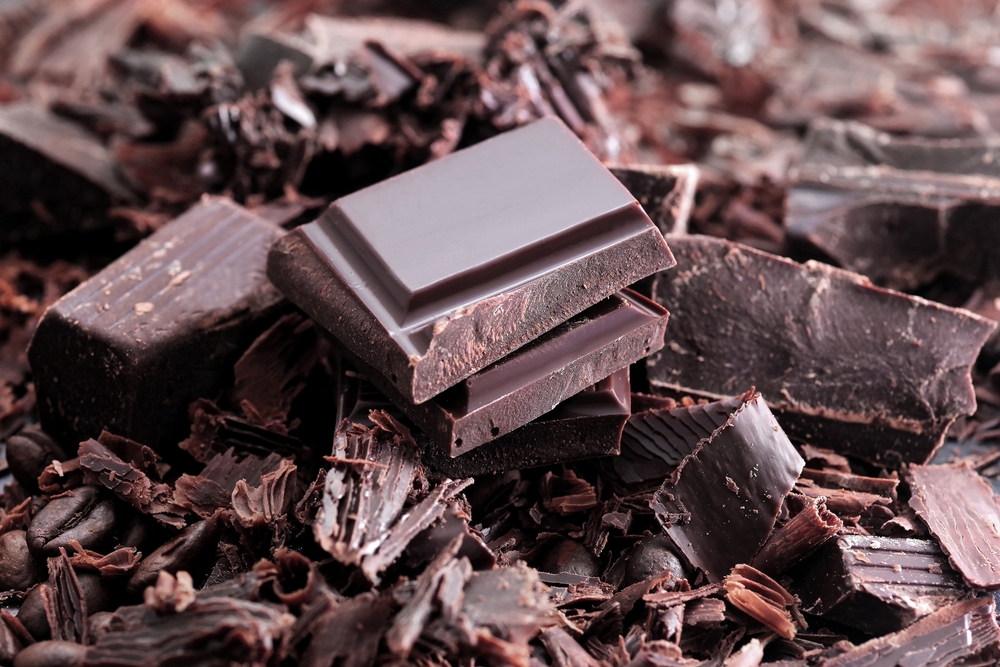
- Dark chocolate
Fact-Checking the “Copper Water” Claims
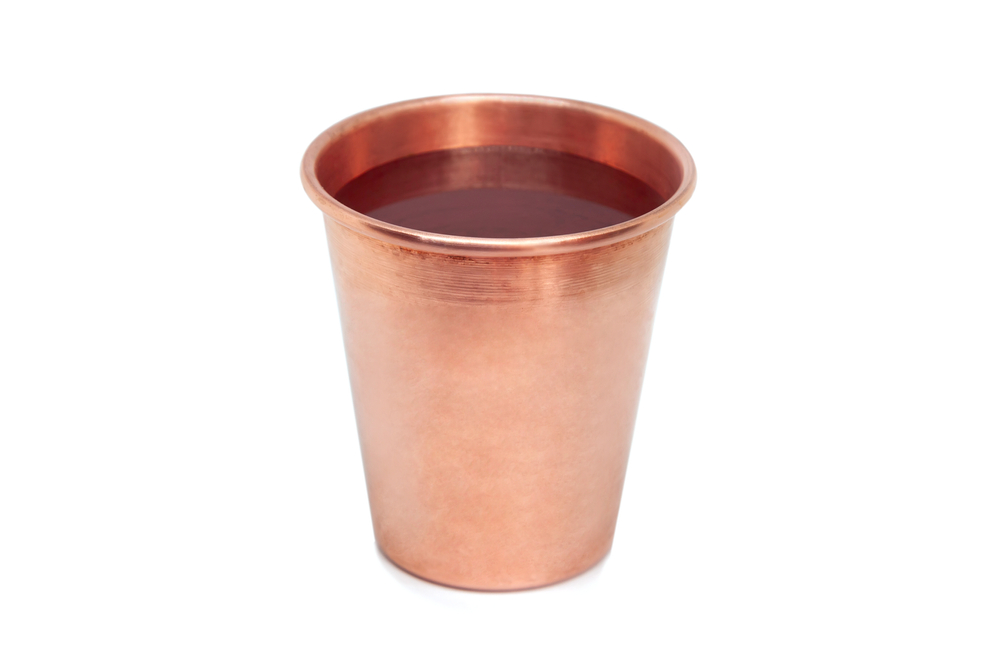
The trend of drinking from copper vessels is largely rooted in Ayurveda, an ancient system of medicine from India. In Ayurvedic practice, water stored in a copper vessel (called a tamra jal) is believed to balance the three doshas – Kapha, Vitta, and Pitta – by gently leaching copper into the water.
Modern wellness influencers have taken this ancient practice and rebranded it for the 21st century. Let’s break down the most common claims and see how they hold up under the lens of modern science.
Claim 1: “It Kills Bacteria and Purifies Water”
The Verdict: TRUE (But with context)
Copper is naturally oligodynamic, meaning it has a toxic effect on living cells, including bacteria, viruses, and fungi. When water is stored in copper for several hours, usually 8 to 16 hours, copper ions dissolve into the water. These ions penetrate the cell walls of harmful pathogens like E coli and Salmonella, effectively neutralizing them.
However, for the average person with access to treated municipal tap water or filtered water, this purification isn’t strictly necessary. If you are hiking in the wilderness or living in an area with poor water sanitation, a copper vessel might provide a layer of safety. That being said, it still isn’t a replacement for modern filtration or boiling.
The Verdict: EXAGGERATED
While it is true that copper plays a role in breaking down fat cells (lipolysis) for energy, there is no clinical evidence to suggest that drinking copper-infused water will significantly move the needle on your scale. Metabolism is a complex interplay of hormones, muscle mass, and caloric intake. Simply increasing your copper intake via a cop won’t override a sedentary lifestyle or a poor diet.
Claim 3: “It Slows Down Aging and Improves Skin”
The Verdict: PLAUSIBLE, BUT INDIRECT
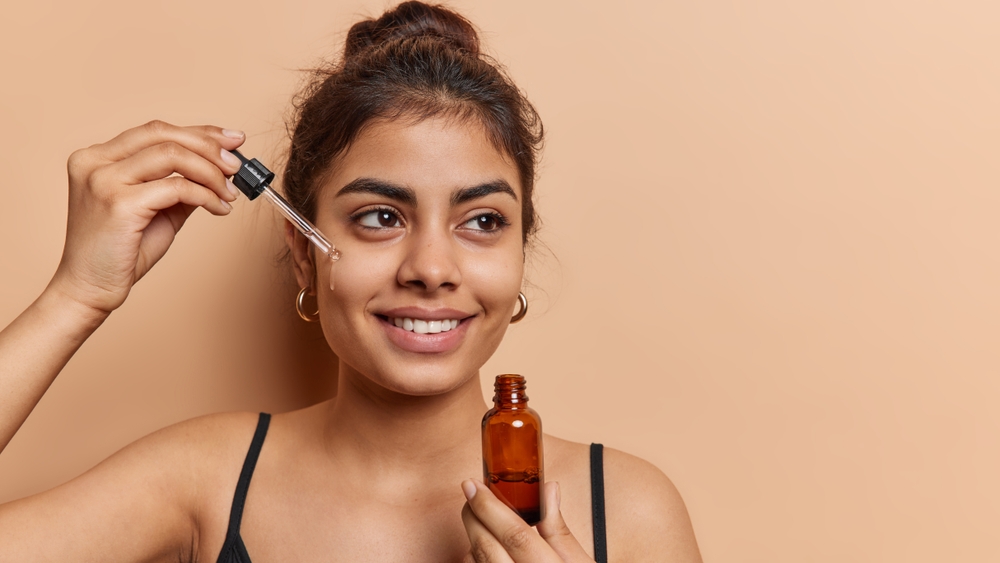
Copper is vital for collagen production, which gives skin its bounce. It also acts as an antioxidant. However, the amount of copper you absorb from a cup is minuscule compared to what you get from a handful of cashews. Most dermatological benefits from copper come from topical applications, like copper peptides in serums, or meeting your systemic dietary needs, rather than the trace amounts found in copper water.
Claim 4: “It Cures Arthritis and Joint Pain”
The Verdict: LACKING EVIDENCE
This claim often stems from the old folk remedy of wearing copper bracelets. While copper is involved in maintaining bone and connective tissue, there is no peer-reviewed evidence suggesting that drinking from a copper cup, or wearing a bracelet, provides enough localized or systemic copper to treat the inflammation associated with rheumatoid or osteoarthritis.
The Dark Side: When Copper Becomes Toxic
One of the biggest misconceptions in wellness is that “if some is good, more must be better.” With copper, this is a dangerous assumption. Copper is a heavy metal, and while the body needs it, the margin between healthy and toxic is narrower than you might think.
Copper Toxicity (Copperiedus)
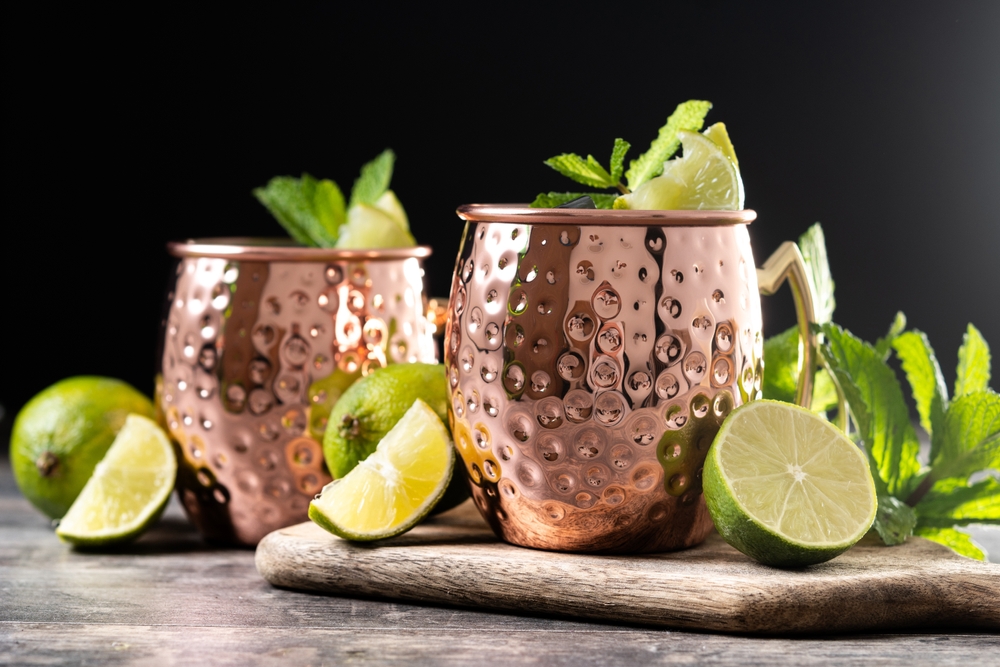
If you drink highly acidic liquids, like orange juice, wine, or even a Moscow Mule with lots of lime, from an unlined copper cup, the acid can cause the copper to leach into the drink at dangerously high levels. The symptoms of acute copper poisoning include:
- Nausea and vomiting (often blue or green in color)
- Abdominal pain
- Diarrhea
- Headaches
- Liver and kidney failure, in severe cases
This is why the FDA and most health departments require copper mugs used for cocktails to be lined with another metal, such as stainless steel or nickel. If your mug is 100% pure copper inside and out, you should only use it for plain, room-temperature water to avoid copper overload.
The Risk of Long-Term Accumulation
Chronic over-exposure to copper can lead to oxidative stress in the brain and liver. Some studies have investigated the link between elevated copper levels and the progression of Alzheimer’s disease, though the research is still ongoing. The body has a mechanism to excrete excess copper via the liver (into bile), but if you are consistently bombarding your system with supplemental copper, you risk overwhelming these natural defenses.
Is it Worth the Hype?

So, should you keep your copper cups or toss them in the donation bin? If you enjoy the aesthetic and the way copper keeps your water refreshingly cold, there is no reason to stop, provided you follow a few safety rules. If you are using an unlined copper vessel, stick to plain water and don’t let it sit for more than a few hours.
However, if you are drinking from these cups specifically to fix your health, you might be disappointed. For the vast majority of people eating a standard diet, the health boost provided by a copper cup is negligible. You are far more likely to improve your health by focusing on the quality of the water you put in the cup rather than the material of the cup itself.
A Quick Guide to Buying Copper Mugs
If you’re in the market for a copper vessel, here is how to choose:
- Lined (Stainless steel): Best for cocktails, juices, and daily use. This is the safest option as it prevents leaching.
- Unlined (Pure Copper): This is best for traditional Ayurvedic water storage. Use only for plain water and avoid acids.
- Lacquer-coated: Best for decorative display. Ensure the coating is food-grade if you plan to drink from it.
Balance Over Buzzwords
The resurgence of copper cups is a perfect example of how ancient tradition meets modern marketing. While there is a grain of scientific truth to the antimicrobial properties of copper, many of the more “miraculous” health claims are largely unsupported by clinical data. Copper is a vital nutrient, but it’s best sourced from a plate of diverse, whole foods rather than the walls of a metallic mug.
In the world of wellness, the “magic bullet” is rarely a single object or supplement. It is the culmination of consistent habits, including sleep, movement, and nutrition. A copper cup can be a beautiful part of your morning routine, a reminder to stay hydrated, and a stunning addition to your kitchen. But treat it for what it is: a vessel, not a physician.
Keep your hydration high and your skepticism healthy. The best thing a copper cup can do for your health is make you excited to drink more water, and that, in itself, is a win.
Disclaimer: This information is not intended to be a substitute for professional medical advice, diagnosis or treatment and is for information only. Always seek the advice of your physician or another qualified health provider with any questions about your medical condition and/or current medication. Do not disregard professional medical advice or delay seeking advice or treatment because of something you have read here.
A.I. Disclaimer: This article was created with AI assistance and edited by a human for accuracy and clarity.
Read More: The Poorly-Understood Role of Copper in Anemia
Trending Products

Red Light Therapy for Body, 660nm 8...

M PAIN MANAGEMENT TECHNOLOGIES Red ...

Red Light Therapy for Body, Infrare...

Red Light Therapy Infrared Light Th...

Handheld Red Light Therapy with Sta...

Red Light Therapy Lamp 10-in-1 with...

Red Light Therapy for Face and Body...

Red Light Therapy Belt for Body, In...

Red Light Therapy for Shoulder Pain...
