
Billionaire investor Bill Ackman has found himself pulled into a heated national conversation after contributing $10,000 to a GoFundMe campaign supporting an ICE officer involved in a fatal Minneapolis shooting. The donation moved fast across social media and news sites, and reactions followed just as quickly. What may have been intended as a statement about legal principles quickly became something much bigger. It became a symbol of how divided the public has become over policing and empathy in moments of loss.
Almost overnight, the donation placed Bill Ackman at the center of a discussion that touched grief, justice, and the power of money in public narratives.
The Minneapolis Shooting That Sparked Anger
On January 7, 2026, 37-year-old Renee Nicole Good was shot and killed by a federal Immigration and Customs Enforcement agent during an operation in Minneapolis. Good, a mother of three, was inside her vehicle at the time of the shooting. The incident unfolded in a residential area, adding to the shock felt by neighbors and witnesses.
Video footage, which later circulated online, showed a chaotic scene. According to family members and some witnesses, Good was unarmed and appeared to be attempting to leave the area. Federal authorities offered a different version. They claimed the agent fired his gun because the vehicle was used in a way that posed a serious threat during the operation.
These conflicting accounts quickly hardened positions. Minneapolis, a city still carrying the trauma of earlier police violence cases, reacted strongly. Protests followed within days, and calls for transparency grew louder as more details emerged.
Fundraising After the Shooting, Two Very Different Paths
As public outrage grew, fundraising efforts appeared almost immediately. A GoFundMe created for Good’s family gained rapid support. Donations poured in from across the country, eventually surpassing $1.5 million. Organizers said the funds would help support her children and cover long-term needs. The campaign later closed once it reached its goal.
At the same time, a separate GoFundMe campaign surfaced with a very different purpose. This fundraiser aimed to support the ICE officer involved in the shooting. It was not created by the officer himself, but by a private individual who said the money would help with potential legal costs and personal strain.
This second fundraiser quickly became controversial. Critics questioned whether it was appropriate to raise money for an officer involved in a fatal shooting, especially while the investigation remained ongoing. Supporters argued the fund was necessary because legal processes can be long and financially draining, even before guilt or innocence is determined.
Bill Ackman Steps Into the Spotlight
As debate around the fund grew, Bill Ackman quietly made a $10,000 donation to the ICE officer’s GoFundMe. The contribution might have gone unnoticed if not for Ackman’s public profile. Once users spotted his name on the donation list, attention intensified.
Ackman later confirmed that the donation was his. In a public statement, he explained that his decision was based on a belief in the principle of innocent until proven guilty. He emphasized that no court had ruled on the case yet and that he felt legal defense support should be available during investigations.
He also added that he had planned to donate to the fundraiser for Good’s family as well, but that campaign had already closed by the time he attempted to contribute. That explanation did little to cool the reaction, but it offered insight into how Ackman viewed his role in the situation.
Public Reaction, Support, Criticism, and Confusion
The response to Ackman’s donation was swift and deeply divided. On social media, critics accused him of siding with law enforcement over a grieving family. Some argued that his wealth insulated him from the lived consequences of state violence.
Others pushed back against that framing. Supporters said Ackman was defending due process, not celebrating violence. They argued that emotional reactions should not replace legal standards, even in painful cases. This divide reflected broader national tensions that have become common after police or federal agent shootings.
Because Bill Ackman is a well-known financial figure, his actions carried symbolic weight. A donation from an average person may not have drawn much attention. Coming from a billionaire, it felt to many like a statement, whether intended or not.
Media Framing and How the Story Spread So Quickly
Part of what drew this story into national attention was not just the donation itself, but how quickly it gained online traction. Within hours, screenshots of the GoFundMe page and comments about the contribution circulated widely. Short clips, cropped headlines, and opinion-driven posts spread far faster than longer explanations or official statements.
Social media platforms tend to reward emotional reactions. Content that sparks anger or disbelief often travels further than measured discussion. Because Bill Ackman is already a recognizable name, the algorithmic boost was almost automatic. Many people encountered the story without full context, which shaped first impressions.
The speed of the digital news cycle left little room for reflection, and the framing of the story often mattered more than the facts still under investigation.
What the ICE Officer Fund Came to Represent
Over time, the GoFundMe supporting the ICE officer became more than just a financial tool. It turned into a rallying point for people who believe law enforcement officers are often judged too quickly. Donations to the fund came with comments expressing fear that agents are being vilified before investigations conclude.
At the same time, critics scrutinized the campaign language. Some versions of related fundraising pages included aggressive or insensitive statements. After backlash, organizers removed or revised certain wording. Still, the damage to public perception had already been done.
GoFundMe Policy Gray Areas and Past Precedents
The presence of the ICE officer’s fundraiser also renewed attention on GoFundMe’s internal rules. The platform states that it restricts campaigns tied to violent wrongdoing, especially those raising money for legal defense. However, enforcement has never been entirely consistent.
In past cases, some fundraisers connected to shootings were removed quickly. Others remained active for weeks. In this case, the campaign stayed live while under review, which raised questions about how decisions are made. Critics argued that the lack of transparency fueled public frustration more than the fundraiser itself.
Image credit: Shutterstock.
Supporters of the platform pointed out that early investigations do not establish guilt. From their view, removing campaigns too quickly could unfairly penalize people before legal findings exist. This gray area, between caution and neutrality, continues to challenge crowdfunding platforms as they navigate emotionally charged events.
The Legal Process and Ongoing Investigation
As of mid-January 2026, no criminal charges had been filed against the ICE agent involved in the shooting. Federal officials stated that the FBI had taken over the investigation, which is standard when federal agents are involved. Local authorities confirmed they were cooperating fully.
Without clear findings, narratives continued to spread. Some framed the shooting as justified self-defense. Others viewed it as another example of excessive force with fatal consequences.
Political leaders weighed in carefully. Some called for patience and facts. Others demanded accountability and reform. The shooting became part of a wider conversation about immigration enforcement tactics and civilian safety.
When Legal Principles Clash With Public Expectations
The phrase innocent until proven guilty carries weight in courtrooms. In public spaces, it often feels different. Many people see it as procedural language that can unintentionally sideline victims and families during the waiting period.
This tension helps explain why Bill Ackman’s explanation resonated with some but angered others. Supporters focused on fairness and due process. Critics focused on timing and impact. Both responses come from deeply held values, but they rarely align in moments of grief.
Today, public judgment often arrives long before legal outcomes. Social media functions like a parallel courtroom, where evidence is incomplete, and emotions are high. Once narratives take hold, they are difficult to shift, even when new facts emerge.
The Role of Wealth and Influence in Public Debate
The involvement of Bill Ackman raised questions that go beyond this single case. Many asked whether wealthy individuals have an outsized influence on public narratives simply by where they choose to donate money.
In high-profile cases, financial support can feel like a moral signal. A donation is rarely seen as neutral, especially when emotions are raw. Ackman’s contribution highlighted how money can shape perception, even when intentions are framed around legal principles.
This dynamic is not new, but social media amplifies it. Every move by a public figure is dissected, screenshot, and debated in real time.
Why Minneapolis Adds Another Layer to the Conversation
Minneapolis carries a recent history of strained relationships between communities and law enforcement. That context heightened sensitivity around the shooting and intensified reactions to any perceived support for authority figures.
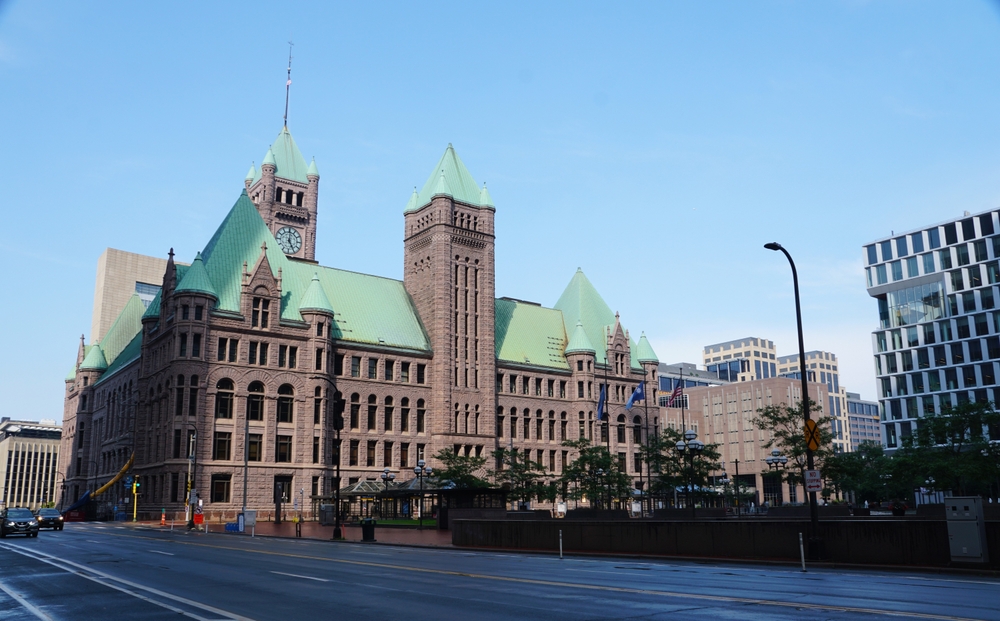
Image credit: Shutterstock.
Federal involvement further complicated the response. ICE operates under different oversight structures than local police, which can leave residents feeling disconnected from accountability processes. As a result, even actions taken far from Minnesota quickly became part of the city’s ongoing issues with power and trust.
Broader Implications for Law Enforcement Accountability
The controversy surrounding the donation also reopened long-standing debates about accountability. Critics argued that financial support for officers involved in fatal incidents discourages reform. Supporters countered that denying support before legal findings undermines fairness.
These opposing views often talk past each other. One side centers the victim and community harm. The other centers on procedural justice and officer rights. Both claim moral ground, and neither side is likely to concede easily.
Read More: Trump-Era DOJ Fearful After Public Discovers Top-Secret Epstein Files Easily Unredacted
The Long Shadow Left on Families and Communities
As attention shifts between headlines, families remain in the aftermath. Public fundraising can provide real financial relief, but it also exposes private grief to constant scrutiny. Loved ones become symbols, often without consent.
For Good’s family, the loss is permanent. For the ICE agent’s family, uncertainty and public judgment bring their own strain. Both sides face a future shaped by a moment they did not control.
Long after online debates fade, the emotional weight remains. That reality is often missing from fast-moving discourse, yet it is where the true cost of these controversies settles.
Closing Thoughts
In the end, the reaction to Bill Ackman’s $10,000 donation says as much about the current climate as it does about the man himself. The Minneapolis shooting, the competing fundraisers, and the public backlash all reflect a society struggling to balance empathy with process.
For some, Ackman’s action felt cold and disconnected. For others, it felt principled and necessary. What remains clear is that incidents like this no longer exist in isolation.
As investigations continue, many questions remain unanswered. Yet the debate sparked by this donation is unlikely to fade quickly. It has already become part of a larger story about justice and how Americans respond when tragedy intersects with power.
A.I. Disclaimer: This article was created with AI assistance and edited by a human for accuracy and clarity.
Read More: Minnesota Can Prosecute the ICE Shooter. A Trump Pardon Wouldn’t Stop It
Trending Products

Red Light Therapy for Body, 660nm 8...

M PAIN MANAGEMENT TECHNOLOGIES Red ...

Red Light Therapy for Body, Infrare...

Red Light Therapy Infrared Light Th...

Handheld Red Light Therapy with Sta...

Red Light Therapy Lamp 10-in-1 with...

Red Light Therapy for Face and Body...

Red Light Therapy Belt for Body, In...

Red Light Therapy for Shoulder Pain...
