
Living to 100 rarely comes down to a single “longevity gene” or a magic supplement. Improving longevity usually comes from avoiding the illnesses that steal years, mobility, and independence in midlife. Researchers who track large groups for decades keep finding the same theme: people who reach older ages in good shape spend fewer years living with major chronic disease. A Harvard T.H. Chan School of Public Health–led analysis of long-running cohorts states that “This study provides strong evidence that following a healthy lifestyle can substantially extend the years a person lives disease-free.” The practical goal, therefore, is not “never get sick.” The goal is to stack odds away from the biggest threats by 60, when prevention still has real leverage. The 5 diseases below show up again and again in mortality and disability statistics worldwide, and they share risk factors you can change.
Why 60 Is a Turning Point for Improving Longevity
A helpful way to think about improving longevity is to focus on “healthspan,” not just lifespan. That means protecting the years when a person can walk, think clearly, and manage daily life. In a prospective cohort study led by Harvard T.H. Chan School of Public Health and published in BMJ, researchers followed participants from the Nurses’ Health Study and the Health Professionals Follow-up Study and linked midlife habits to years lived free of major disease. The study’s first author explained the gap in evidence: “Previous studies have found that following a healthy lifestyle improves overall life expectancy… but few studies have looked at the effects of lifestyle factors on life expectancy free from such diseases.”
By 60, many hidden processes have had decades to build momentum. Blood pressure can quietly damage arteries. Blood sugar can drift upward and strain the kidneys and nerves. Plaque can stiffen vessels that feed the heart and brain. The point is not doom, but timing. The earlier someone acts, the more “runway” prevention has. Global mortality summaries keep showing the same heavy hitters, led by cardiovascular conditions and cancer, with stroke, diabetes, and dementia also ranking high.
Heart Disease, the Biggest Threat to Living to 100
Heart disease is the leading risk because it can end a life suddenly, or it can reduce capacity for years before a crisis. The Centers for Disease Control and Prevention states it directly: “Heart disease is the leading cause of death in the United States.” Globally, the World Health Organization describes cardiovascular diseases as the leading cause of death and notes that heart attacks and strokes drive most deaths. That reality makes prevention by 60 especially powerful, because the same steps that protect arteries can also lower stroke risk and may support brain health later.
Prevention works best when it is measurable. Blood pressure, LDL cholesterol, smoking exposure, sleep, activity, and blood glucose are not abstract ideas. They are trackable numbers and habits. The American Heart Association’s framework is blunt about what to target: Life’s Essential 8 are the “key measures for improving and maintaining cardiovascular health.” By 60, the most practical approach is to treat these measures like vital maintenance, not an occasional project. A clinician can adjust medication if needed, but daily choices still drive the baseline. This is how improving longevity becomes concrete: protect the plumbing that keeps every organ alive.
Stroke, the Disability Event That Can Steal Decades
Stroke belongs on any “live to 100” list because it often does not kill quickly, but it can take away speech, movement, and independence in minutes. The WHO reports that “In 2021, stroke was the third leading cause of death and disability globally,” and it also warns that “1 in 4 adults” are predicted to experience a stroke in their lifetime. That is why stroke prevention is a longevity strategy, not only a neurology topic. The levers overlap heavily with heart protection: blood pressure control, diabetes management, smoke-free living, movement, and healthier food patterns.
The hopeful piece is that many strokes are preventable with consistent risk control. A CDC Vital Signs report states, “80% of strokes are preventable.” That number should push urgency, not guilt. Prevention is not about perfect eating or intense workouts. It is about controlling the big drivers, especially hypertension, because high pressure damages vessel walls and raises clot and bleed risks. By 60, stroke prevention also becomes a monitoring routine: check blood pressure at home, review cholesterol and A1C with a clinician, and take symptoms seriously. Stroke is time-critical, and fast treatment can reduce disability, but the deepest win is avoiding the event entirely.
Cancer, the Second Giant That Requires Earlier Action
Cancer risk rises with age, but midlife choices still shape how that risk unfolds later. The World Health Organization summarizes the scale in a single line:“Cancer is a leading cause of death worldwide, accounting for nearly 10 million deaths in 2020.” The National Cancer Institute similarly notes that “Cancer is among the leading causes of death worldwide.” These statements do not mean cancer is inevitable. They mean prevention and early detection deserve a permanent place in any plan for improving longevity.
Two practical ideas matter most by 60. First, reduce exposures that push risk upward, especially tobacco, excess alcohol, and chronic metabolic strain linked with obesity and inactivity. WHO notes that around one-third of cancer deaths relate to modifiable risks, including tobacco use, high body mass index, alcohol use, low fruit and vegetable intake, and lack of physical activity. Second, take screening seriously, because catching cancers earlier often shifts treatment intensity and survival odds. Screening is not a moral test, and it is not the same for everyone. It depends on age, sex, family history, and local guidelines. However, the broad longevity point stands: avoiding advanced cancer by 60 to 70 protects the later decades that people hope to live fully.
Type 2 Diabetes, the Disease That Damages Many Systems at Once
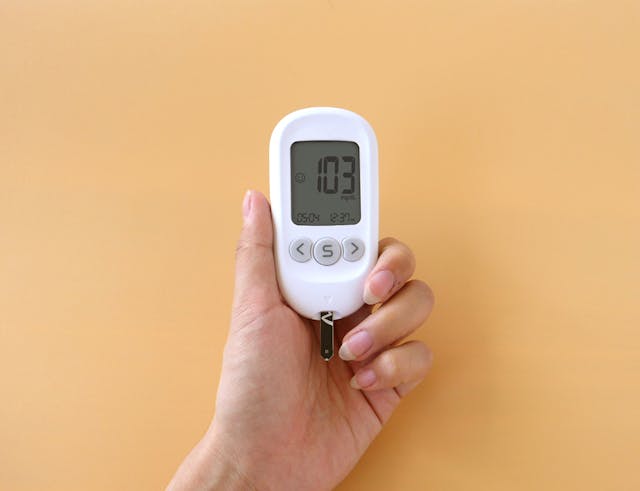
Type 2 diabetes is a longevity threat because it rarely harms just one organ. It raises cardiovascular risk, strains the kidneys, damages nerves, and worsens vision over time. WHO’s messaging is direct, noting that “Diabetes is a major cause of blindness, kidney failure, heart attacks, stroke, and lower limb amputation.” This is why diabetes prevention by age 60 often protects far more than blood sugar. It protects mobility, circulation, and the ability to stay active, which then reinforces improving longevity in a positive loop.
Diabetes risk climbs with inactivity, excess weight, and long-term poor sleep, but it also clusters with blood pressure and cholesterol issues. That cluster is not bad luck. It is a signal to treat metabolic health as a system. WHO describes diabetes as a chronic metabolic disease that leads “over time to serious damage to the heart, blood vessels, eyes, kidneys and nerves.” By 60, the most effective strategy is early identification plus steady control. Ask for an A1C test when appropriate, take prediabetes seriously, and build routines that are sustainable. Medication can be part of prevention and control, but daily movement, food quality, and weight management still carry enormous weight in keeping diabetes away, or keeping it mild if it arrives.
Dementia, the Independence-Thief That Builds for Decades
Dementia belongs on this list because living to 100 without cognitive health is not the outcome most people want. The World Health Organization states, “Dementia is currently the seventh leading cause of death and one of the major causes of disability and dependency among older people globally.” It also reports that tens of millions live with dementia worldwide and that new cases continue to rise each year. Those numbers can sound distant until they land in a family, where care needs and costs can become overwhelming.
The best-known dementia is Alzheimer’s disease, yet vascular damage also plays a major role in later-life cognitive decline. That is why heart and brain prevention often overlap. The National Institute on Aging notes, “Alzheimer’s is currently ranked as the seventh leading cause of death in the United States,” and it calls Alzheimer’s the most common cause of dementia among older adults. By 60, the smartest dementia strategy is to protect blood vessels and reduce chronic inflammation drivers. That includes controlling blood pressure and diabetes, staying physically active, and keeping a steady sleep schedule. These are not trendy ideas, but they are consistent across major public health guidance. Dementia prevention is not guaranteed, yet reducing known risks can help preserve the later decades that define successful longevity.
The Shared Risk Factors That Link All 5 Diseases
These 5 diseases share a small set of repeat offenders: tobacco exposure, high blood pressure, unhealthy blood lipids, high blood glucose, low physical activity, poor diet quality, and inadequate sleep. That overlap is good news, because one change can pay off in multiple directions. The American Heart Association emphasizes that better cardiovascular health links with lower risks beyond heart disease, including stroke and other major health problems. The WHO’s disease summaries also point back to the same foundations: prevention and control, especially in midlife, shift population outcomes.
Long-term cohort evidence supports this “shared levers” view. In the Harvard University analysis of Nurses’ Health Study and Health Professionals Follow-up Study data, the lead author highlighted the impact at the population level: “If more Americans adopted healthy lifestyles, it could have quite a big impact on life expectancy.” The point is not to copy an extreme routine. It is to build a personal system that a person can repeat for years. For many people, that means daily walking, strength work each week, consistent sleep, fewer ultra-processed calories, and regular primary care check-ins. Improving longevity looks boring on paper, but it works because it reduces the slow damage that later becomes heart attacks, strokes, advanced cancer, diabetes complications, and cognitive decline.
A Practical “By 60” Longevity Plan That Stays Realistic

A good by-60 plan is specific enough to measure, but flexible enough to survive real life. Start with the vital numbers that drive the biggest risk: blood pressure, A1C or fasting glucose, LDL cholesterol, waist circumference or weight trend, and smoking exposure. Then connect those numbers to daily behavior that can actually change them. Even public health messaging frames diabetes prevention in broad, workable terms, and it puts prevention and control at the center of the response. When a number is high, treat it early. Waiting for symptoms is a bad strategy because these diseases often stay silent until the damage is advanced.
The second part is to take screening and vaccines seriously, because they save time. Cancer screening can catch the disease earlier, and cardiovascular checkups can identify hypertension and lipid problems before a crisis. On the stroke side, the CDC reminds readers that strokes can be preventable and that brain damage starts quickly once a stroke begins. Finally, plan for consistency, not intensity. A person does not need a perfect diet or elite fitness to gain years. As one cardiologist observed while discussing lifestyle change, “Behavior change is one of the hardest things for adults to accomplish.” That honest sentence points to the real solution: choose habits that fit your life, repeat them, and keep adjusting until they stick.
Read More: Top Longevity Expert Warns Against the ‘Poisonous 5 P’s’
The Bottom Line
Living to 100 is not a lottery ticket, and it is not a single choice. It comes from protecting core systems before damage becomes permanent. By 60, the biggest gains come from preventing the 5 diseases that most often cut life short. Heart disease and stroke respond to controlled blood pressure and healthier blood lipids. Cancer risk drops when people avoid tobacco, limit alcohol, maintain a stable weight, and follow screening guidance. Type 2 diabetes risk falls when people improve daily movement and food quality. Dementia risk may drop when people protect vascular health and stay socially engaged. A practical longevity plan stays simple and measurable. Schedule regular checkups and act on numbers, not hope.
Track blood pressure at home and review targets with a clinician. Know your LDL and A1C, and address changes early. Move most days and include strength training to maintain muscle. Eat mostly minimally processed food and include protein for repair. Protect sleep with consistent timing and a cool, dark bedroom. Treat hearing and vision problems, because they can drive isolation and falls. If a new symptom persists, seek care early and bring clear notes. Small steps repeated for years can protect the decades you want. Keep vaccinations current to reduce severe infections. Stay smoke-free, including avoiding secondhand smoke. Limit ultra-processed snacks that drive overeating. Practice balance work to prevent fractures later. Manage stress with walking, breathing drills, or journaling. Celebrate progress, then return to the next good choice. Ask family about health history, then plan.
A.I. Disclaimer: This article was created with AI assistance and edited by a human for accuracy and clarity.
Read More: Dick Van Dyke, 99, Shares Two Habits to Avoid for Longevity
Trending Products

Red Light Therapy for Body, 660nm 8...

M PAIN MANAGEMENT TECHNOLOGIES Red ...

Red Light Therapy for Body, Infrare...

Red Light Therapy Infrared Light Th...

Handheld Red Light Therapy with Sta...

Red Light Therapy Lamp 10-in-1 with...

Red Light Therapy for Face and Body...

Red Light Therapy Belt for Body, In...

Red Light Therapy for Shoulder Pain...
