
Apple fans are used to flashy product launches, but the company often makes big changes under the radar. Recently, Apple retired devices from its lineup with very little fanfare. Reports suggest that as many as 15 products disappeared from Apple’s official store after new hardware announcements. For everyday users, the news raises an obvious question: if Apple retires devices this year, could your gadget be next?
The answer depends on how Apple manages its product lineup and long-term support strategy. Each year, the company refreshes iPhones, Macs, and iPads with new chips, cameras, and software features. As newer versions arrive, older models gradually leave Apple’s storefront. The change might seem sudden, but it is part of a predictable cycle that has shaped Apple’s ecosystem for decades.
Importantly, disappearing from Apple’s store does not mean a device instantly stops working. Most products continue receiving updates and repairs for years after they vanish from the official lineup. Still, the recent wave of discontinued devices offers an opportunity to understand how Apple handles aging technology and why these changes happen.
The Subtle Way Apple Removes Products
Apple rarely announces that a product has been discontinued. Instead, the company usually lets devices fade away. One day, the product appears on Apple’s website, and the next day it is simply gone. This approach avoids negative headlines about products becoming obsolete. It also keeps the focus on new releases rather than retired hardware. When a replacement launches, the previous generation typically disappears from the store within hours.
Apple wants its product lineup to remain simple and easy to understand. Offering too many variations at once can confuse customers and complicate supply chains. By trimming older devices, Apple highlights the newest models while still allowing retailers to sell remaining stock. As a result, consumers may still find discontinued gadgets in stores for months after they disappear from Apple’s website.
The Full List of 15 Apple Devices That Disappeared
While Apple did not publish a formal announcement, several technology outlets compiled lists of devices that vanished from Apple’s official store during the latest refresh cycle. Most of them were replaced by newer versions or updated configurations.
Here are the 15 Apple products reported to have been removed from the lineup:
- MacBook Air (13-inch, M3)
- MacBook Air (15-inch, M3)
- MacBook Pro (14-inch, M3)
- MacBook Pro (14-inch, M3 Pro)
- MacBook Pro (16-inch, M3 Pro)
- MacBook Pro (16-inch, M3 Max)
- iPad Air (M2)
- iPad Pro 11-inch (previous generation)
- iPad Pro 12.9-inch (previous generation)
- iPhone 15 Pro
- iPhone 15 Pro Max
- Apple Watch Series 8
- Apple Watch Ultra (first generation)
- Apple Studio Display (original configuration)
- Pro Display XDR (original model configuration)
Most of these devices disappeared when Apple introduced updated hardware powered by newer processors or enhanced display technology. In some cases, only certain configurations vanished while the product category itself remained. Even though these models are no longer sold directly through Apple’s website, many retailers still offer remaining inventory.
Why Apple Retires Devices So Quickly
Technology evolves rapidly, and Apple constantly tries to stay ahead of the curve. New processors, faster wireless standards, and improved battery technology appear almost every year. When the company introduces new hardware, older versions quickly feel outdated.
However, performance improvements are only part of the story. Apple also manages its lineup to keep the shopping experience simple. Too many options can overwhelm buyers. By limiting the number of models available at once, Apple encourages customers to choose from the newest devices.
Manufacturing efficiency also plays a role. Producing fewer device variants reduces complexity across Apple’s global supply chain. Factories can focus on building the latest models rather than supporting a wide range of older configurations.
This strategy aligns with the broader Apple product lifecycle, which emphasizes steady upgrades rather than long gaps between major releases. Instead of maintaining a product for many years without changes, Apple prefers to introduce incremental improvements on a predictable schedule.
What Happens After a Device Is Discontinued
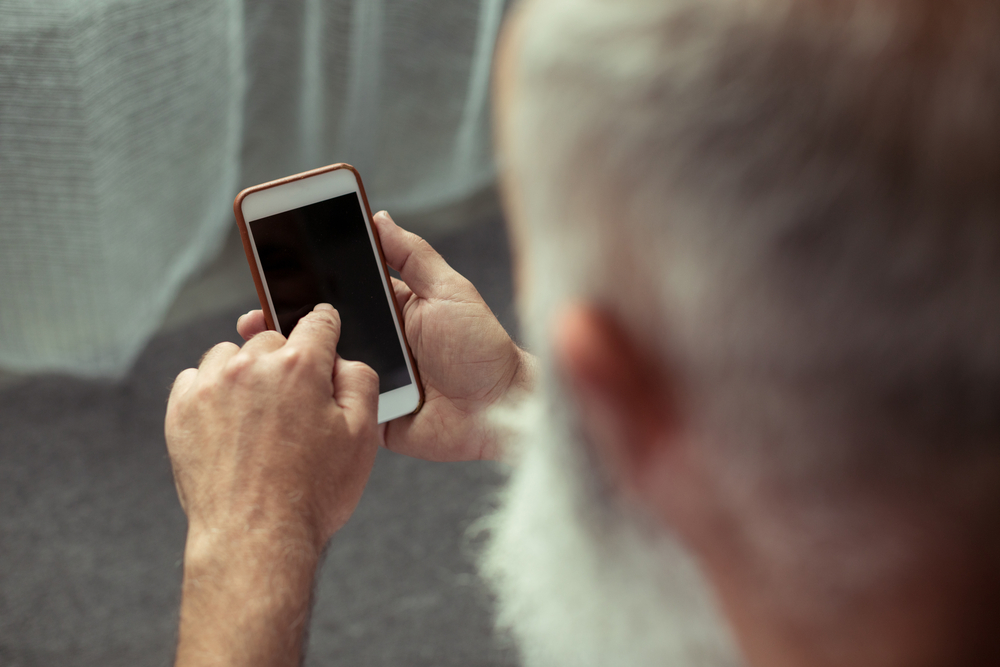
Many people assume a discontinued device becomes useless overnight. In reality, Apple continues supporting most hardware long after it disappears from the store.
Apple typically provides software updates for several years after a device launches. These updates include security fixes, performance improvements, and compatibility with new apps. For users, this ongoing support often matters more than whether the product is still sold.
The length of this support period leads many consumers to ask how long Apple supports its devices. While the timeline varies slightly by product category, the company generally maintains active software updates for five to seven years.
Repair support also continues for several years. Apple and authorized service providers can still obtain replacement parts for devices even after they are no longer sold. This means owners can keep using their hardware without worrying about immediate service problems.
Eventually, Apple classifies older products as “vintage” and later “obsolete.” Once a device reaches the obsolete category, official repairs typically end. However, this stage usually occurs many years after the product disappears from Apple’s website.
The iPhone Upgrade Cycle
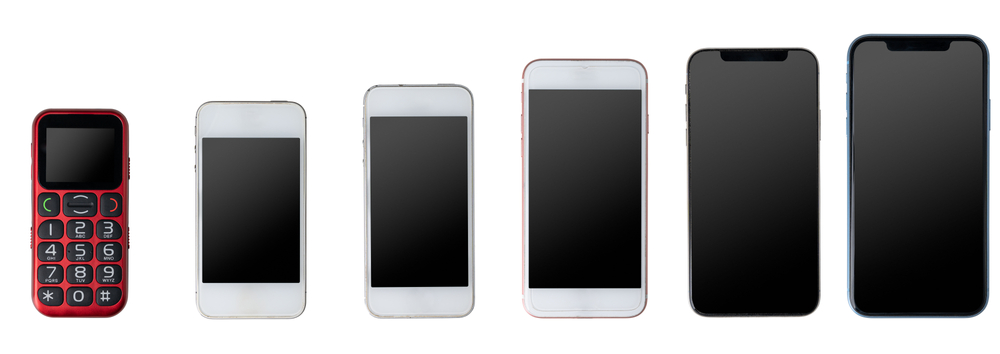
Image credit: Shutterstock.
Among all Apple products, the iPhone receives the most attention when it comes to discontinuations. Each year, a new generation arrives with improved cameras, faster processors, and updated design features.
When new models launch, Apple typically removes several previous versions from its lineup. The company may keep one or two older devices available at reduced prices, but many configurations vanish immediately. Historically, iPhones have received software updates longer than many competing smartphones. Apple’s iOS updates often support devices for five or more years.
For example, iPhones released in the late 2010s continued receiving major software updates well into the early 2020s. This extended support helps Apple maintain customer loyalty while encouraging gradual upgrades rather than forcing sudden replacements. Once a phone stops receiving major updates, its lifespan eventually begins to wind down. Apps may stop supporting older operating systems, and new features may require more powerful hardware.
Why Some Devices Disappear So Fast
Occasionally, a product disappears from Apple’s store only months after release. When this happens, the change often involves specific configurations rather than the entire device category. For instance, Apple might introduce a new processor or storage option that replaces an earlier configuration. Instead of maintaining both versions, the company removes the older one from sale.
Market demand can also influence these decisions. If a particular configuration sells poorly, Apple may quietly remove it to simplify production. Meanwhile, popular models remain available longer.
Sometimes, regulatory changes or supply constraints can also affect product availability. Technology companies must adapt quickly when components become scarce or when new regulations affect manufacturing processes.
Apple’s Long History of Retiring Products
Apple has followed this pattern for decades. Throughout its history, the company has repeatedly phased out products as technology evolved. One of the most famous examples is the iPod. For years, the portable music player defined Apple’s identity. Yet as smartphones absorbed music playback features, demand for dedicated music players declined. Apple gradually reduced the iPod lineup before eventually discontinuing it entirely.
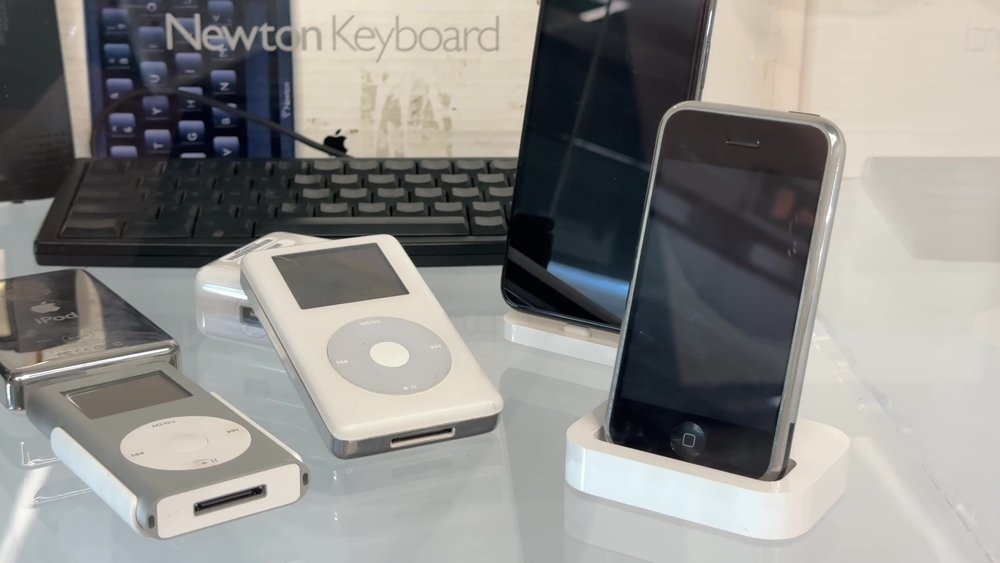
Similarly, Apple retired earlier generations of Mac computers when it transitioned from PowerPC processors to Intel chips in the mid-2000s. Years later, the company repeated the process when it introduced Apple silicon processors. Each transition involved retiring older products while guiding customers toward newer technology.
How These Changes Affect Consumers
For many users, the biggest concern is whether their device will continue working. Fortunately, most discontinued Apple products remain useful for years. Software updates and security patches ensure that older devices stay compatible with modern apps. Even when major updates stop, many devices continue functioning normally for everyday tasks like browsing, messaging, and media playback.
However, owners may eventually encounter limitations. New apps sometimes require newer operating systems. Battery performance can decline over time, and replacement parts may become harder to find. But, despite these challenges, Apple’s extended support timeline helps many devices remain practical long after they disappear from store shelves.
When It Might Be Time to Upgrade
While Apple devices often last for years, certain signs suggest it may be time for an upgrade. One indicator is the end of major software updates. When a device stops receiving the latest operating system, it may gradually lose compatibility with newer apps and features.
Performance can also decline as apps become more demanding. Devices released several years earlier may struggle with modern software that expects faster processors and more memory.
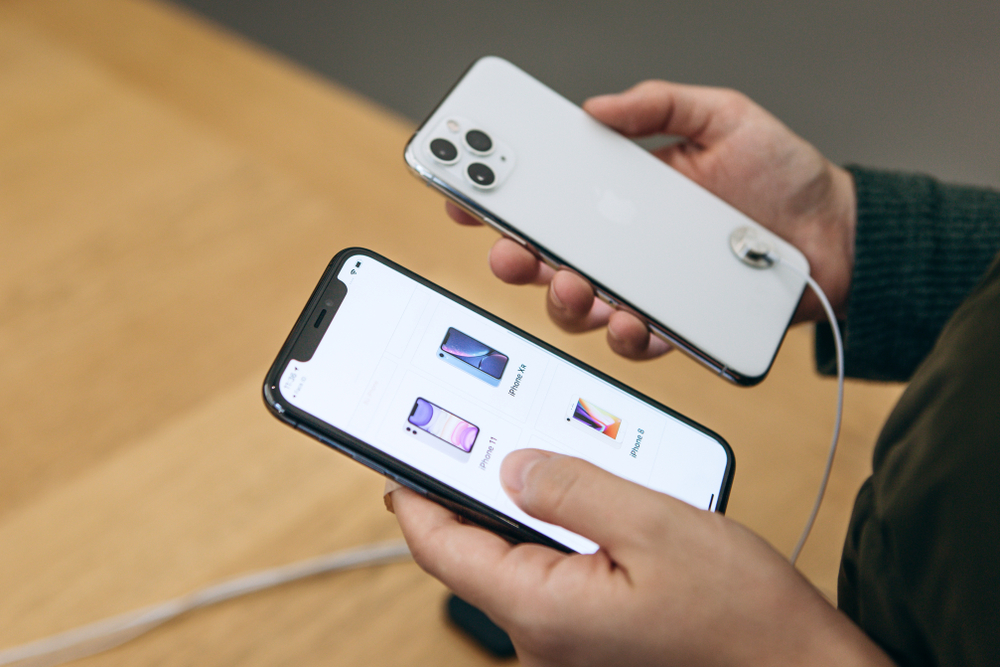
Image credit: Shutterstock.
Battery health offers another clue. Over time, lithium-ion batteries lose capacity. Although replacements are available, older devices may no longer justify the cost of repairs. For many users, the decision to upgrade ultimately comes down to balancing convenience with cost.
Read More: If You Think an Apple AirTag is Tacking You, Here’s How to Find and Disable Them
Apple’s Strategy Moving Forward
Apple’s removal of devices highlights the company’s broader strategy for managing technology transitions. By regularly updating its lineup and retiring older models, Apple keeps its lineup focused on modern hardware.
This approach also supports emerging technologies such as artificial intelligence features, faster wireless standards, and improved graphics performance. Newer devices can handle these capabilities more effectively, allowing Apple to push innovation without being constrained by outdated hardware.
At the same time, Apple’s extended support policies help maintain trust with users who prefer to keep devices for several years. The balance between innovation and longevity remains a key part of the company’s success.
What Apple’s Device Purge Means for Users Moving Forward
Apple regularly refreshes its lineup while removing older models from sale. Although reports highlight that Apple retired devices this year, the changes are part of a long-standing strategy rather than an unusual purge.
For users, the key takeaway is reassuring. Discontinued products usually remain supported for years through software updates and repair programs. Even when a device vanishes from Apple’s website, it often continues serving its owner reliably.
These changes offer a reminder that technology evolves quickly. Each new generation brings faster chips, better cameras, and more powerful software. As Apple continues pushing innovation forward, older devices will gradually step aside. That cycle may be inevitable, but thanks to Apple’s extended support policies, it rarely happens as suddenly as headlines suggest.
A.I. Disclaimer: This article was created with AI assistance and edited by a human for accuracy and clarity.
Read More: Apple Users Experience Big Problems Following New iOS Update
Trending Products

Red Light Therapy for Body, 660nm 8...

M PAIN MANAGEMENT TECHNOLOGIES Red ...

Red Light Therapy for Body, Infrare...

Red Light Therapy Infrared Light Th...

Handheld Red Light Therapy with Sta...

Red Light Therapy Lamp 10-in-1 with...

Red Light Therapy for Face and Body...

Red Light Therapy Belt for Body, In...

Red Light Therapy for Shoulder Pain...
