
Most of us have googled signs of a toxic person at some point, usually after a conversation that did not sit right. Maybe it was a friendship that suddenly felt draining. Maybe it was a partner who left you confused more often than calm. Or maybe it was a family member who always seems to twist things around. Whatever the reason, the search normally starts with a feeling in your gut.
Unhealthy relationship patterns rarely show up all at once. Experts explain that repeated behaviors that undermine emotional safety often signal deeper personality patterns. Similarly, mental health guidance points out that emotional harm is about consistency, not a single bad day. Toxicity feels confusing long before it becomes obvious. The word toxic is not a clinical diagnosis. It is a label people use to describe repeated harmful behaviors. Those behaviors can chip away at confidence and trust over time. They can affect stress levels and change how safe you feel in your own thoughts.
You Feel Drained After Being Around Them
Image credit: Shutterstock.
Sometimes the clearest clue is not what they say, it is how you feel afterward. You might walk into the conversation feeling fine, but you leave feeling tense, irritated, or small. Maybe you replay everything later in your head. Maybe you feel like you need a nap after a simple coffee meet-up. That kind of emotional hangover is not random.
Ongoing interpersonal stress affects the nervous system. When someone consistently triggers anxiety or self-doubt, your body reacts. Stress hormones begin to increase, and your focus drops. Sleep can even suffer. You may not connect it right away, but your body keeps score. Of course, nobody feels amazing after every interaction. Conflict is normal, and disagreements happen. The difference is consistency. Healthy relationships might be challenging at times, yet they do not repeatedly leave you depleted.
They Struggle With Empathy

Empathy does not mean agreeing with everything. It means trying to understand. When you express pain, do they lean in, or do they dismiss it? Toxic dynamics often involve emotional invalidation. You may hear phrases like, “it is not a big deal,” or “other people have it worse.” Repeated dismissal teaches you to suppress your feelings, and you may stop bringing up concerns altogether. A lack of empathy can often be subtle. They change the topic quickly or seem uncomfortable when emotions surface. Without empathy, emotional safety cannot grow.
They Avoid Responsibility at All Costs

Now think about how they handle mistakes. If they hurt your feelings, do they pause and reflect, or do they immediately explain why it was your fault? Some people struggle deeply with accountability. Instead of owning their behavior, they redirect blame. You might hear things like, “You are too sensitive.” Or, “that never happened.” Or, “you made me react that way.” Over time, these responses can distort your sense of reality, and you may start questioning your own memory.
This pattern often protects fragile self-esteem. Admitting fault feels threatening, so it gets pushed outward, but without accountability, trust slowly erodes and resentment builds in the background.
They Disrespect Your Boundaries

Image credit: Shutterstock.
You might say you need time alone, and they show up anyway. You might ask them not to share something personal, but they tell others and laugh it off. At first, you may excuse it and tell yourself they did not mean harm. But then it keeps happening. Repeated boundary violations signal a deeper issue. It suggests they prioritize their comfort over your limits. When you try to enforce a boundary, they may react with anger, guilt, or mockery. That reaction is often more telling than the original behavior.
There Is Always Drama Around Them

Some people seem to carry chaos with them wherever they go. There is always a new conflict or betrayal, a new person who supposedly treated them unfairly. The story changes, but the emotional intensity stays the same. Eventually, you may notice the pattern repeats with different people. Coworkers are toxic. Friends are jealous. Family members are unreasonable. Somehow, they are always the victim. Constant drama can feel exciting in short bursts, but over time, it becomes exhausting. It pulls you into situations that drain your time and emotional energy.
They Use Guilt to Control You

Guilt can be healthy when it helps us correct a mistake, but in toxic dynamics, it becomes a tool. They might remind you of everything they have done for you. They might say you owe them, or they may act wounded when you set a simple boundary. Instead of having a direct conversation, they lean on emotional pressure. Over time, you start making decisions just to avoid that heavy feeling. You say yes when you want to say no, cancel plans to keep them happy, or carry responsibility for their moods.
This pattern subtly shifts power and teaches you that their feelings matter more than yours. Eventually, your choices revolve around managing their reactions. Healthy relationships allow space for disagreement without punishment. If guilt constantly drives your decisions, that is one of the more overlooked signs of emotional manipulation.
They Keep Score in the Relationship
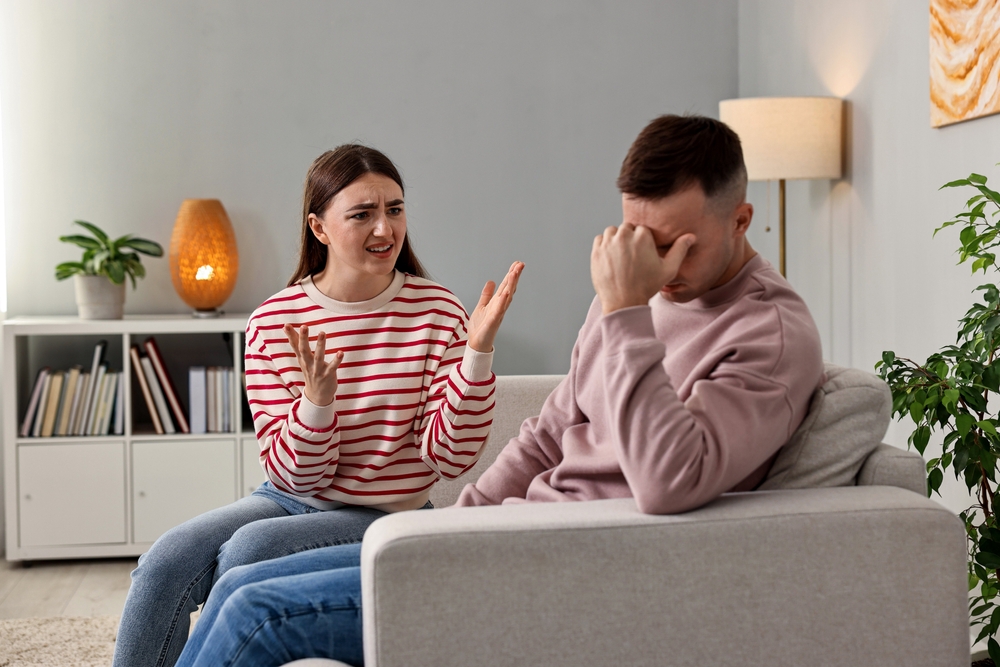
Some people mentally track everything, like who paid last or who apologized first. They may remind you of past favors during unrelated disagreements. This scorekeeping creates an imbalance. Instead of generosity, there is calculation, and instead of teamwork, there is comparison. Mutual support should feel natural, not strategic. If generosity comes with conditions attached, it signals deeper, unhealthy relationship traits.
They Criticize More Than They Encourage

You might notice small comments about your appearance or jokes about your intelligence. These are backhanded compliments that do not quite feel like compliments. When you share good news, they may downplay it or change the subject.
This may seem harmless, as everyone teases sometimes. The difference lies in frequency and intent. If most interactions leave you feeling inadequate, that is not playful banter. Chronic criticism can affect self-esteem over time. You may become hesitant to share ideas, or you may shrink parts of yourself to avoid judgment.
They Gaslight You

Image credit: Shutterstock.
Gaslighting is a strong word, but it describes a real pattern. It happens when someone denies your reality. You remember a conversation clearly. They insist it never happened. You express hurt, and they tell you that you are imagining things.
It feels confusing at first. Later, it feels destabilizing. You may start documenting conversations just to reassure yourself, or you may question your memory or perception. This tactic shifts control and allows them to control the narrative. It creates an imbalance in the relationship, and you end up defending your reality instead of addressing the actual issue. Healthy disagreements focus on perspective, where gaslighting focuses on distortion. When someone repeatedly rewrites events to avoid accountability, that is a serious red flag.
They Undermine Your Confidence

Image credit: Shutterstock.
Confidence thrives in supportive environments, and weakens in environments filled with doubt and ridicule. They may question your decisions in front of others or maybe laugh at your goals. Sometimes they disguise criticism as concern and say they are just being honest. After a while, you begin doubting yourself and hesitate before speaking. You second-guess choices you once felt sure about. If someone consistently leaves you questioning your abilities, that is not motivation; it is destabilization.
They Are Intensely Jealous or Competitive

Jealousy can surface in any relationship, but the problem begins when it becomes constant. They might compete with your achievements. If you succeed, they subtly minimize it. If you struggle, they compare your situation to theirs. Even in friendships, they treat life like a scoreboard.
Instead of celebrating your wins, they redirect attention to themselves. Instead of offering support, they frame your growth as a threat. This pattern often stems from insecurity. However, insecurity does not excuse harmful behavior. Over time, you may feel hesitant to share milestones, or you may dim your excitement to keep the peace. If someone reacts to your progress with tension or rivalry, it reveals a deeper instability.
Their Mood Shifts Keep You on Edge

Emotional unpredictability creates anxiety. One day, they are warm and affectionate. The next day, they are distant or irritable. You never quite know which version of them you will encounter, and that uncertainty keeps you alert. Maybe you start adjusting your behavior to avoid triggering a negative reaction. You analyze your words and monitor their tone. You feel responsible for keeping the mood stable.
While everyone experiences emotional fluctuations, extreme inconsistency creates stress. It keeps the relationship off balance, and that imbalance often benefits the more unpredictable person. When someone’s mood swings repeatedly disrupt your safety, it becomes one of the more destabilizing signs of a toxic person.
They Give the Silent Treatment

Silence can be healthy when someone needs space, but it becomes unhealthy when it is used as punishment. After a disagreement, they may withdraw completely without any explanation, leaving you guessing what you did wrong. The silent treatment creates anxiety. You might send extra messages or apologize just to restore the connection. But withholding communication is a form of control as it shifts power to the person who decides when interaction resumes. Meanwhile, you sit in uncertainty.
They Turn Every Conversation Back to Themselves

You share a story, and within seconds, they redirect it. You talk about your stress, and they compare it to theirs. Over time, you may feel invisible, and conversations stop feeling mutual. Rather, they feel like performances where you listen more than you are heard.
This behavior often reflects low empathy. The person struggles to sit with someone else’s experience unless it directly involves them. This imbalance can erode the connection when emotional space always revolves around them.
They Isolate You From Others

Isolation can start with small comments about your friends. They may suggest certain people are bad influences, or complain when you spend time away from them. Slowly, your world begins to narrow. You might begin canceling plans to avoid arguments or limit what you share to prevent jealousy. Over time, your support system shrinks, forcing you to become more dependent on them.
Healthy partners and friends should encourage outside connections and understand that independence strengthens relationships. If someone repeatedly discourages your outside support, it is one of the more serious signs of toxic behavior.
Feels Like Walking on Eggshells

You may find yourself carefully choosing your words and rehearsing conversations in your head. You monitor their mood before bringing up even small topics. Living in that state creates chronic stress where your nervous system stays alert. Even peaceful moments start to feel tense underneath. It may begin after a few strong reactions, and eventually, it becomes a habit. If you regularly feel anxious about saying the wrong thing, it is a sign that emotional safety is missing.
They React With Anger to Small Issues

Everyone gets frustrated; that is normal. What is not normal is explosive anger over minor situations. You might mention a simple concern, and suddenly the tone shifts and voices rise. The issue grows far bigger than it needed to be. Later, they may act as if nothing happened.
This kind of volatility keeps you cautious. You may start avoiding honest conversations just to prevent an outburst. Frequent overreactions often point to poor emotional regulation. Instead of processing discomfort calmly, it spills outward, and over time, it creates tension in everyday life.
They Love Bomb, Then Withdraw

Image credit: Shutterstock.
In the beginning, everything feels intense. Compliments flow easily, and the attention feels constant. You may feel chosen, even special, but then you notice that something shifts. Their affection becomes inconsistent. Praise turns into criticism, and warmth fades without explanation. You find yourself chasing the version of them from the start. This cycle creates emotional highs and lows, and the contrast strengthens attachment in unhealthy ways. Unstable affection patterns often keep people hooked. You begin to focus on regaining closeness instead of questioning the instability.
They Dismiss Your Success

If someone reacts to your achievements with indifference or subtle negativity, take notice of that. They may downplay your accomplishment or change the topic quickly. Sometimes they joke in ways that do not feel supportive. Over time, you may hesitate to share wins or downplay your excitement to avoid tension. Supportive people celebrate growth and do not feel threatened by it. When someone consistently reacts to your progress with discomfort, it reflects insecurity.
They Refuse to Change

Growth requires self-awareness. If you calmly explain how their behavior affects you, what happens next? Do they listen or do they deflect and dismiss? Some people hear feedback as an attack, not information. Over time, you may repeat the same conversation again and again. The promises sound sincere, but their behavior does not change.
Real change takes effort, consistency, and humility. When someone consistently resists reflection, the relationship stays stuck. Patterns matter more than words, and if their harmful behavior continues despite clear communication, that signals deeper resistance to growth.
You Start Losing Yourself and Feel Relieved When They Are Not Around

Image credit: Shutterstock.
You may stop sharing your opinions with them, or maybe you start dropping hobbies that once excited you. Little by little, you adjust yourself to avoid conflict or criticism, and over time, you feel smaller in the relationship. Then something else happens, and you begin to notice that when they are not around, you feel lighter and more relaxed, and your thoughts start to feel clearer. Healthy relationships should allow individuality. You should not feel like you have to shrink to keep the peace, and you should not feel relieved when someone leaves the room. If you find that you barely recognize yourself anymore, or if calm only appears when they are not around, those are serious signs to pay attention to.
Read More: 10 Toxic Habits That Destroy Your Brain Health and What You Can Do About It
Final Thoughts

Image credit: Shutterstock.
Recognizing the signs of a toxic person is not about judging someone as permanently bad. It is about noticing repeated harmful patterns that show up through consistency, not isolated moments.
If several of these red flags feel familiar, take time to pause and reflect. You deserve relationships that feel respectful and emotionally safe. The goal is not perfection, but rather balance, accountability, and growth. Awareness gives you options, and once you see the pattern clearly, you can decide what boundaries to set and what changes need to happen. Your emotional well-being is always worth protecting.
Disclaimer: The information provided here is for educational and informational purposes only and is not a substitute for professional psychological, psychiatric, or mental health advice, diagnosis, or treatment. Always seek the guidance of a licensed mental health professional, therapist, psychologist, or psychiatrist with any questions or concerns about your emotional well-being or mental health conditions. Never ignore professional advice or delay seeking support because of something you have read here.
A.I. Disclaimer: This article was created with AI assistance and edited by a human for accuracy and clarity.
Read More: 25 Spiritually Toxic Habits Hiding in Your Daily Routine
Trending Products

Red Light Therapy for Body, 660nm 8...

M PAIN MANAGEMENT TECHNOLOGIES Red ...

Red Light Therapy for Body, Infrare...

Red Light Therapy Infrared Light Th...

Handheld Red Light Therapy with Sta...

Red Light Therapy Lamp 10-in-1 with...

Red Light Therapy for Face and Body...

Red Light Therapy Belt for Body, In...

Red Light Therapy for Shoulder Pain...
