
Most people answer their phone without giving it much thought. If a number looks local or at least familiar, it feels safe enough to pick up. That simple habit is exactly what many scammers count on. Over the last few years, scam phone numbers have become harder to spot, especially when they use area codes that seem normal at first glance.
Phone scams are not random and follow specific patterns. Scammers choose certain numbers, certain regions, and even certain times of day for a reason. Many fraudulent calls come from international locations that share numbering systems with the United States. Others use spoofing software that hides where the call really comes from. Because of this, the number on your screen can look harmless even when it is not.
What Area Codes Mean in Scam Calls
An area code by itself does not prove a call is a scam, but it can give helpful clues. Many scam operations rely on quick tactics like one-ring calls or missed call bait. The phone rings once, maybe twice, then stops. When someone calls back, they may connect to a high-cost international line without realizing it. Several international regions share the same country code as the United States, which is +1. This includes many Caribbean countries. Because of that, these numbers can look exactly like domestic calls.
Scammers also change numbers often. They track which area codes get more answers. When one stops working, they move on to another, and over time, the complaint data shows clear trends. Agencies like the FCC and FTC collect these reports and notice which regions appear most often.
The Psychology Behind Answering Unknown Calls
Scam calls work because they tap into normal human behaviour. Most people do not like unanswered questions, and a missed call creates curiosity. A voicemail that sounds urgent or confusing creates anxiety. Those reactions often push logic aside. There is also social conditioning involved. Many people were raised to believe that answering the phone is polite or necessary, and scammers take advantage of that habit. Even answering once tells them the number is active, and that alone can increase how often you are targeted later. Some scams focus on recording voices. Short responses like ‘yes’ or ‘hello’ can be captured. Experts still debate how often these recordings are misused, but the tactic continues to appear in reports.
Area Codes Commonly Linked to Scam Activity
Consumer watchdog groups have identified patterns in scam complaints. Certain area codes show up more often in reports involving billing fraud, impersonation scams, and callback traps. Many of these calls originate from regions where international charges apply. Caribbean locations like the Bahamas, Jamaica, and the Dominican Republic are mentioned frequently. Some African and European regions also appear, though less often. Scammers know that only a few successful callbacks can still make money. That is why these numbers never seem to disappear.
Caribbean Area Codes That Often Raise Red Flags
A large share of reported scam calls comes from Caribbean nations. This surprises many people, mostly because these numbers still use the +1 country code. At a glance, they look no different from a call coming from New York or Florida. That visual familiarity is exactly why these numbers get used so often. Area codes like 242 from the Bahamas, 246 from Barbados, and 876 from Jamaica appear regularly in consumer complaints. The same applies to 809, 829, and 849, which all belong to the Dominican Republic. These numbers are frequently linked to one-ring scams and callback fraud.

The setup is usually simple. The phone rings briefly, and no voicemail is left. Curiosity does the rest. When someone calls back, they may be charged high international fees. In some cases, the call stays connected longer than expected, which increases the cost. Not every call from these regions is a scam. Many legitimate businesses and families use these numbers every day. The issue is frequency. These codes appear far more often in scam reports than others, which is why experts advise extra caution.
African Area Codes Used in Phone Scams
Some scam phone numbers trace back to parts of Africa. One commonly flagged code is 232, which belongs to Sierra Leone. This area code shows up in reports involving missed calls and short recorded messages. These scams often rely on volume. Thousands of calls go out, knowing only a small number of people will respond, but even a few call-backs can still generate profit due to premium charges.
Unlike Caribbean scams, these calls sometimes include voicemail messages. The recordings may sound distorted or rushed, which can feel intriguing. Some people call back just to understand what they heard.
European Codes That Appear Less Often
European area codes appear less frequently, but they are not absent. Some scam operations route calls through countries with lower oversight or cheaper infrastructure, whihch makes tracing the call harder. These scams often focus on impersonation. A caller may pretend to be from a bank, delivery service, or government office. The area code might not match the story, but many people do not notice that detail under pressure. This is where awareness matters. Legitimate organisations rarely make unexpected calls asking for urgent action. When they do call, they leave clear messages and official contact details.
Why Spoofing Makes Area Codes Less Reliable
Technology has made scam detection harder. Spoofing allows scammers to fake almost any number. A call can appear to come from your own city while actually originating overseas. Because of this, area codes are no longer reliable proof on their own.
Many people assume the danger ends if they do not give information during the first call. That is not always true. For scammers, the first interaction is often just a test. They want to know if the number is active and if a real person answers. Once a call is answered, even briefly, the number may get flagged as responsive. That can lead to more calls later. Some people notice an increase in spam calls days or weeks after answering a suspicious number. This is not a coincidence, as numbers are shared, sold, or reused across scam networks.
In other cases, the scam escalates quickly. A missed call turns into repeated attempts. A vague voicemail turns into a follow-up message claiming urgency. The scammer’s goal here is pressure, as they know that pressure creates mistakes. This is where many scams succeed. Not because people are careless, but because they are caught off guard.
How One-Ring and Callback Scams Turn Missed Calls Into Profit
One-ring scams sound simple, but the money behind them is more calculated than many people realise. The goal is not always to steal personal information. In many cases, the scam works even if the caller never speaks to you.
Here is how it usually plays out. A scammer places thousands of automated calls that ring once or twice and then disconnect. Most people ignore them, but a small percentage do not. That small percentage is enough for scammers to continue doing it. When someone calls back, they may be routed to a premium-rate international number. These numbers are designed to charge higher per-minute fees than standard calls. The charges can begin the moment the call connects, even if no one answers on the other end.
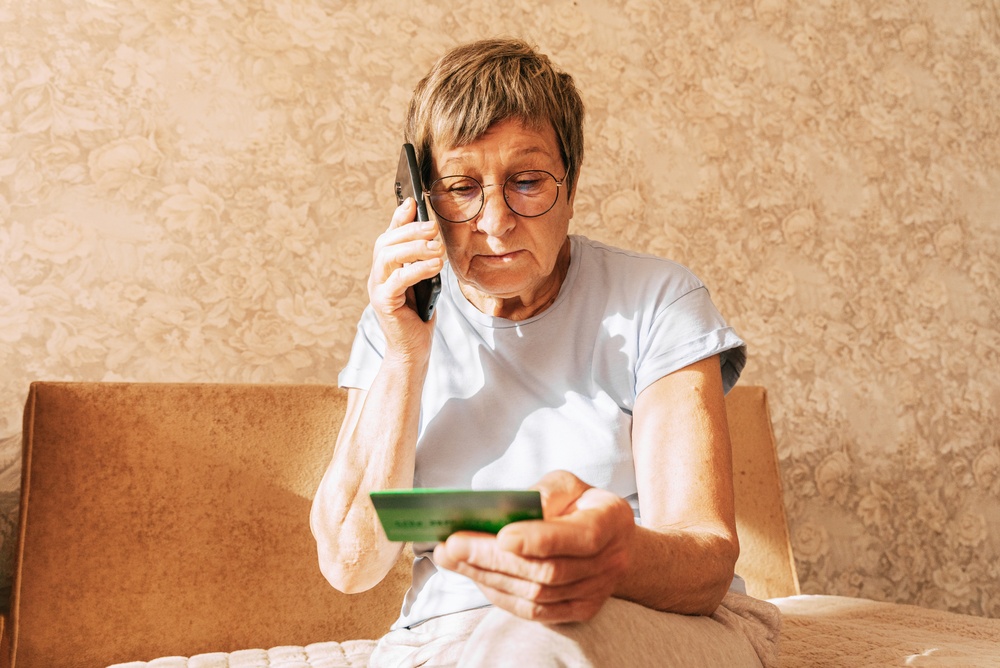
Some of these systems are set up to keep callers on the line. You might hear ringing, silence, or a vague recorded message. Each second adds cost, and in certain cases, the call loops through menus or delays before disconnecting. The longer the call lasts, the more money is generated.
What many people do not realise is that these calls often involve revenue-sharing arrangements. Scam networks partner with operators that receive a portion of the call fees. This makes even a handful of successful callbacks profitable. The scammer does not need thousands of victims; they only need a few people to stay on the line long enough.
This is also why voicemails are often avoided. A voicemail can raise suspicion, but a missed call feels unfinished, and unfinished things tend to pull attention. Curiosity does the work instead.
Impersonation Scams Linked to Certain Area Codes
Impersonation scams are among the most damaging phone fraud tactics. These calls pretend to come from trusted institutions like banks, tax offices, delivery services, or even local authorities. The caller sounds confident, and sometimes they already know basic details, which adds credibility.
Area codes play a subtle role here. An unfamiliar or international code can actually help the scam as it creates distance. People assume large organisations outsource call centres, so the location feels plausible. Some scammers claim the call is transferred from another department or country. Others explain the odd number by saying it is a secure line. These explanations are designed to prevent questions.
Legitimate organisations rarely demand immediate action over the phone. They do not threaten arrest. They do not ask for gift cards, wire transfers, or crypto payments. When those requests appear, it is almost always a scam.
Why Blocking Numbers Is Not a Complete Solution
Blocking suspicious numbers feels productive, and sometimes it helps. Other times, it barely makes a difference. Many scam operations use auto-dialling systems that rotate numbers constantly, so blocking one only stops that specific line. This is why people still see new scam phone numbers even after blocking dozens.
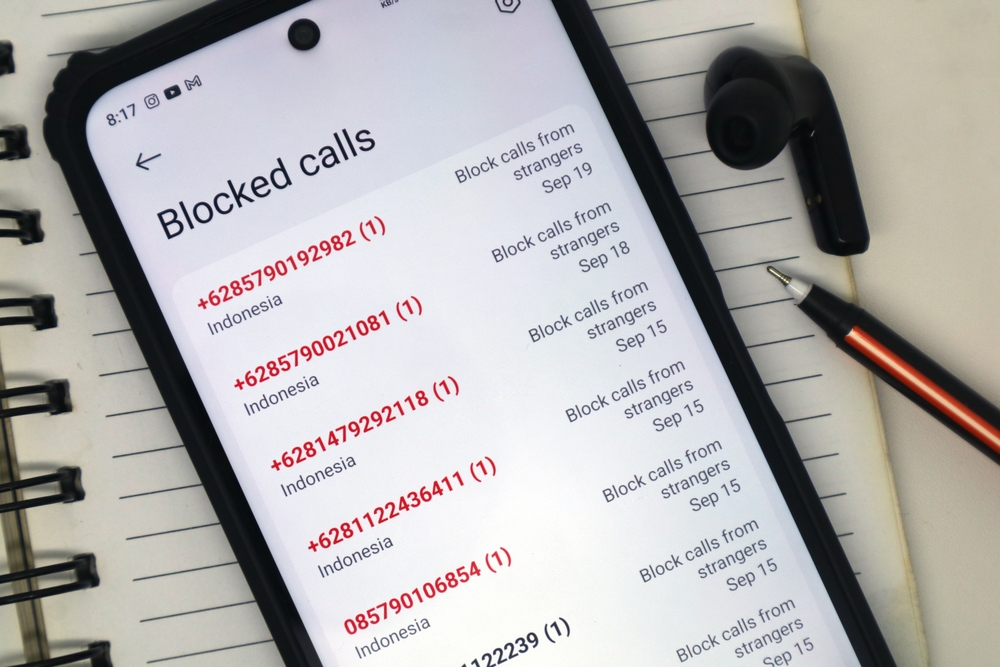
The better approach combines blocking with behaviour changes. Let unknown calls go to voicemail and avoid calling back unfamiliar international numbers. Be cautious with urgent messages that lack detail, and remember that most legitimate callers will leave clear voicemails.
Reporting scam calls helps more than many people realise. Agencies use complaint data to track patterns, and that data influences warnings, enforcement efforts, and public alerts. In the United States, reports go to the FTC or FCC. Other countries have similar consumer protection bodies. While one report may seem insignificant, thousands together create clarity. Reporting also helps phone carriers improve filtering systems, and over time, this reduces the reach of known scam networks.
Why Stopping Scam Calls Is Harder Than It Looks
Many people wonder why scam calls still exist when technology has advanced so far. Stopping these calls is not just a technical problem; it is a legal and logistical one, too. Scam operations often span multiple countries. A call may originate in one region, route through another, and bill through a third. Each step can fall under a different set of laws, making enforcement slow and complicated.
Phone carriers do use filtering systems, but those systems rely on patterns, and scammers adapt quickly. They rotate numbers, change routes, and adjust scripts. When one number gets blocked, another replaces it almost immediately. This is why blocking individual numbers feels ineffective over time.
There is also a trade-off between protection and access. Overly aggressive filtering can block legitimate calls, and emergency services, hospitals, and international contacts can get caught in the net. Because of that, carriers move carefully. Government agencies also face similar limits. Shutting down one scam network rarely ends the operation. Many groups are loosely connected, using shared tools rather than centralised leadership. When one branch disappears, another often takes its place.
This does not mean reporting is pointless. Reports help build larger pictures. When thousands of complaints point to the same routes or regions, it strengthens cases for intervention. It also helps carriers improve detection algorithms and warn customers earlier. Progress in this space is gradual. Technology helps, reporting helps, but personal awareness still matters most.
Read More: 15 Retirement Scams to Watch Out For
Simple Habits That Reduce Risk
Small changes can significantly reduce exposure to scams. Try letting unknown numbers go to voicemail and avoid returning missed calls from unfamiliar international codes. If a message claims urgency, pause. Look up the organisation independently and call back using an official number from a website or statement. Also, be careful with personal information. No legitimate agency asks for passwords, PINs, or payment through gift cards or wire transfers. Those requests are clear warning signs. Over time, these habits reduce how often scam phone numbers reach you and make you a less attractive target.
Closing Thoughts
Phone scams continue because they often work. They rely on speed, confusion, and familiarity. Area codes play a role, but with awareness, you should be able to better spot these traps. This means noticing patterns and trusting your instincts when something feels wrong. Most people who avoid scams do not do anything special; they simply slow down and process the information. Ignoring a suspicious call is not rude; it’s practical. We live in a world where scams keep evolving, so small choices can make a big difference.
A.I. Disclaimer: This article was created with AI assistance and edited by a human for accuracy and clarity.
Read More: 8 Everyday Scams You Might Be Falling For Without Realizing
Trending Products

Red Light Therapy for Body, 660nm 8...

M PAIN MANAGEMENT TECHNOLOGIES Red ...

Red Light Therapy for Body, Infrare...

Red Light Therapy Infrared Light Th...

Handheld Red Light Therapy with Sta...

Red Light Therapy Lamp 10-in-1 with...

Red Light Therapy for Face and Body...

Red Light Therapy Belt for Body, In...

Red Light Therapy for Shoulder Pain...
