
Do you find yourself often feeling heavy and lethargic, despite generally sleeping well? The secret to feeling light, energized, and healthy often starts in your gut. A smooth-running digestive system is essential for nutrient absorption, immune function, and overall well-being. If you’ve ever felt sluggish or uncomfortable, you know how amazing it feels once you get things moving again. Beyond your day-to-day energy and mood, having a digestive system that functions well is critical for long-term health and longevity.
Often when many of are feeling like our digestive systems are stuck, whether it is because we are travelling, taking certain medications, or otherwise, we turn to pharmaceutical laxatives. While these have their place, we often forget to go the natural route first. Nature provides an incredible “pharmacy” of ingredients that can act as natural laxatives, or, more accurately, high fiber foods and foods that support gut health, helping to ensure regularity and a happy digestive tract. Let’s look at some of the top foods that you can easily incorporate into your diet to support a healthy, moving digestive system.
The Importance of a Healthy Digestive System and Gut Health
Your digestive system is a complex network responsible for breaking down food, absorbing nutrients, and eliminating waste. It’s much more than just a tube running through your body, however. Your gut is home to trillions of bacteria, collectively known as the gut microbiome, which plays a massive role in your health. The principle functions of the gut microbiome are:
- Immune function: Up to 70% of your immune cells reside in your gut. A balanced microbiome helps train and support your immune system.
- Mood and brain health: The gut is often called the “second brain” because of the vast network of neurons connecting it to your actual brain. This gut-brain axis means a healthy gut can positively influence mood, stress, and mental clarity.
- Nutrient absorption: Proper movement ensures food doesn’t linger, preventing discomfort and ensuring you efficiently absorb key vitamins and minerals.
Eating foods that provide bulk (fiber) and support healthy gut bacteria is the foundation of excellent digestive health.
Prebiotics: Feeding the Good Bacteria
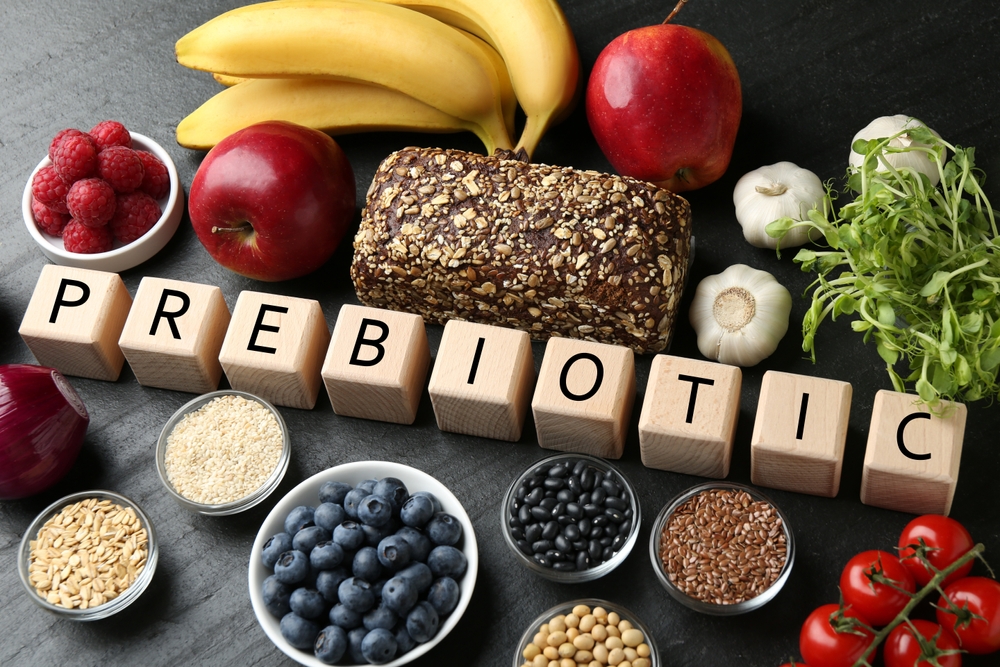
Prebiotics are specialized types of dietary fiber, often from complex carbohydrates, that the human body cannot digest. Instead of being broken down in the small intestine, they pass through to the large intestine, where they act as a selective food source for the probiotics and other beneficial bacteria already living there. You can think of them as the ‘fertilizer’ of the digestive system. By feeding these good bacteria, prebiotics help them thrive, multiply, and produce beneficial compounds like short-chain fatty acids (SCFAs) which support the health of the colon lining.
Prebiotics are naturally found in a wide variety of fibrous, plant-based foods. These include:
- Vegetables: Garlic, onions, leeks, asparagus, Jerusalem artichokes, dandelion greens, and most dark, leafy green vegetables.
- Fruits: bananas (especially slightly green ones), apples, and unripe plantains.
- Legumes: Beans, lentils, and chickpeas.
- Grains: Oats and barely.
- Roots/Starches: Chicory root and flaxseeds.
Probiotics: Adding Beneficial Bacteria
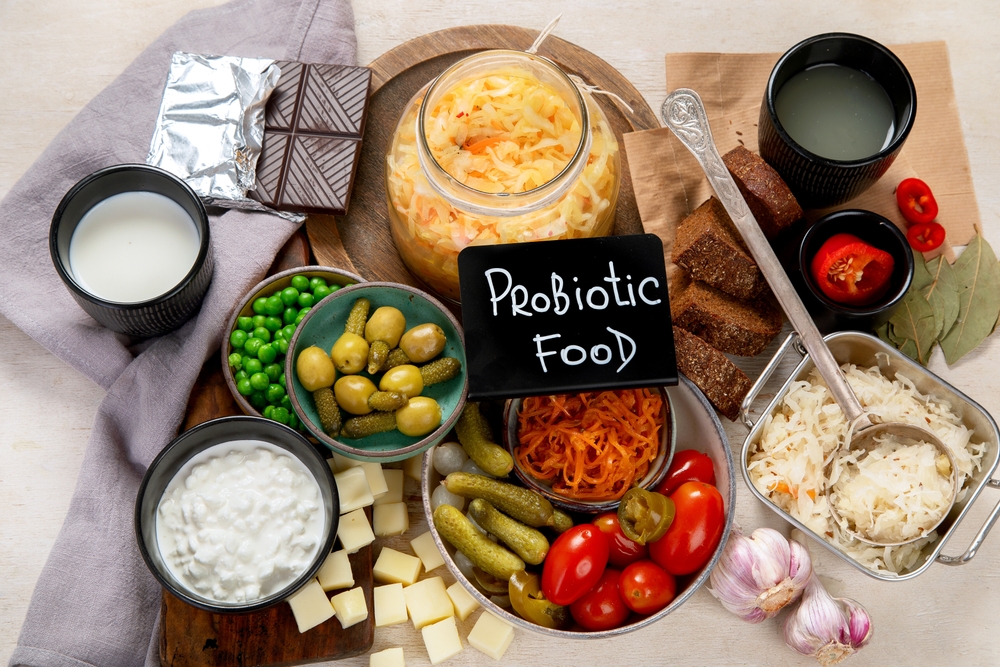
Probiotics are live microorganisms, typically strains of bacteria and yeasts, that provide a health benefit to the host (our bodies) when consumed in adequate amounts. Essentially, when you consume them, you are directly introducing beneficial, “friendly” organisms to your gut’s microbial community, the gut microbiome. These probiotics help restore the natural balance of gut flora, which can be disrupted by illness, stress, antibiotics, and more. They aid in digestion, nutrient absorption, and can help to crowd out harmful bacteria. This supports both digestive and immune function.
Probiotics are primarily found in fermented foods that have not been heat-treated or pasteurized. This is because high heat kills the live cultures. Excellent food sources of probiotics include:
- Yogurt and kefir: Especially those labeled with “live and active cultures.”
- Sauerkraut and kimchi: Fermented cabbage dishes (look for unpasteurized, refrigerated versions).
- Miso and tempeh: Products made from fermented soybeans.
- Kombucha: A fermented, lightly effervescent tea.
- Aged cheese: Such as Gouda, cheddar, and some mozzarella.
For optimal gut health, it’s recommended to consume both prebiotics and probiotics regularly, as they work together synergistically to maintain a balanced and robust digestive system.
The 15 Best Natural Laxatives for Regularity and Gut Health
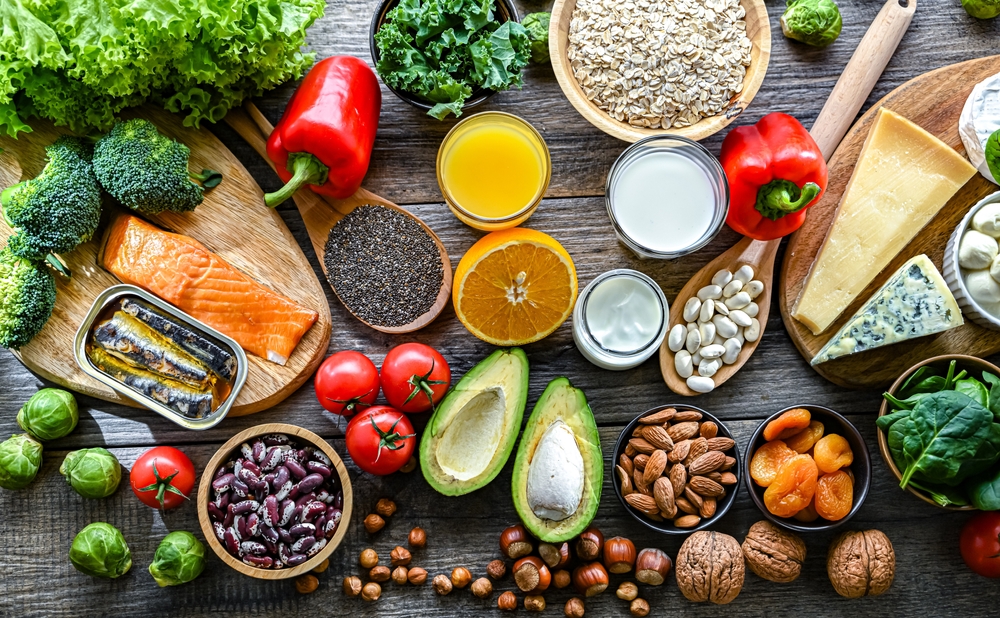
Now that we have a good understanding of how the digestive system works and the role of both pre- and probiotics, let’s get more specific about digestion-friendly foods. Remember, while in general a balanced diet with plenty of fresh fruits and vegetables, as well as staying hydrated, are key, sometimes you still need an extra little bit of help. The following are high fiber foods that act as natural laxatives and are very beneficial for gut health. If you need help getting things moving, these foods are your friend. If not, be careful not to consume too much of them at once.
1. Prunes (Dried Plums)

Prunes are perhaps the most famous natural laxative and for good reason. They are rich in both insoluble fiber, which adds bulk to stool, and a sugar alcohol called sorbitol. Sorbitol pulls water into the colon. This double-action approach makes them highly effective for promoting regularity.
2. Apples
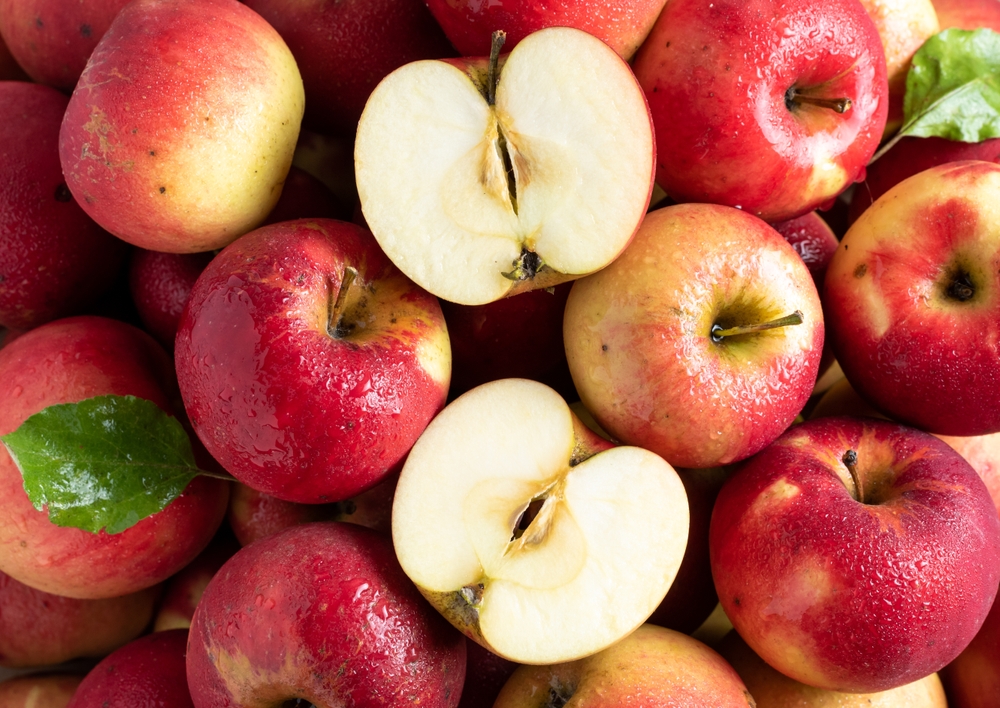
An apple a day really does keep the doctor away, especially the GI doctor. Apples are particularly high in pectin, a type of soluble fiber. As pectic ferments in the colon, it creates a gel-like consistency that softens stool and aids in smooth passage. Be sure to eat the skin for maximum fiber benefits.
3. Chia Seeds
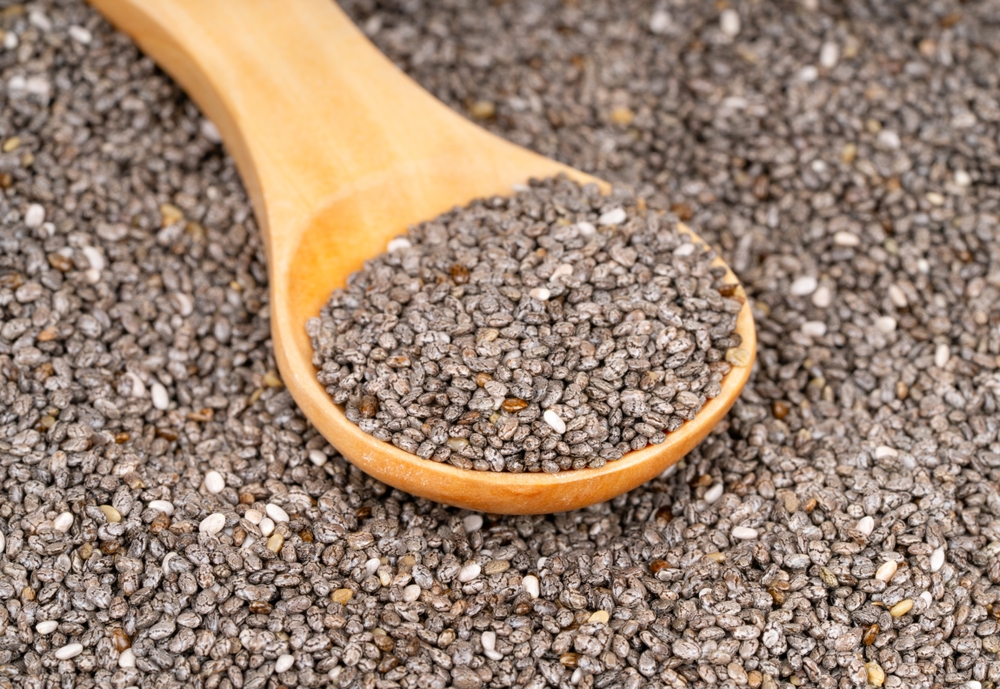
Don’t let their small size fool you. Chia seeds are a fiber superstar. When mixed with liquid, they form a gel that expands in your gut. This gel acts like a sponge, drawing moisture into the stool and making it easier to pass. They are one of the most effective high fiber foods to incorporate into your daily routine.
4. Flaxseeds
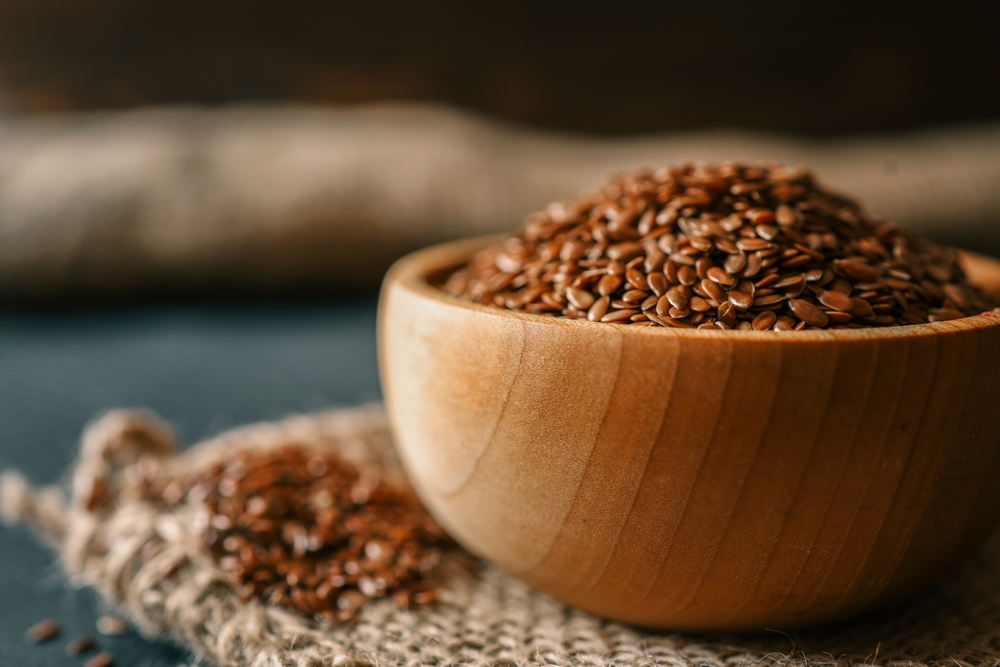
Similar to chia seeds, flaxseeds are an excellent source of soluble fiber and insoluble fiber. They also contain mucilage, a gum-like compound that provides bulk and helps coat the intestinal wall. For the best results, grind the flaxseeds before consumption, as whole seeds can often pass through undigested.
5. Pears
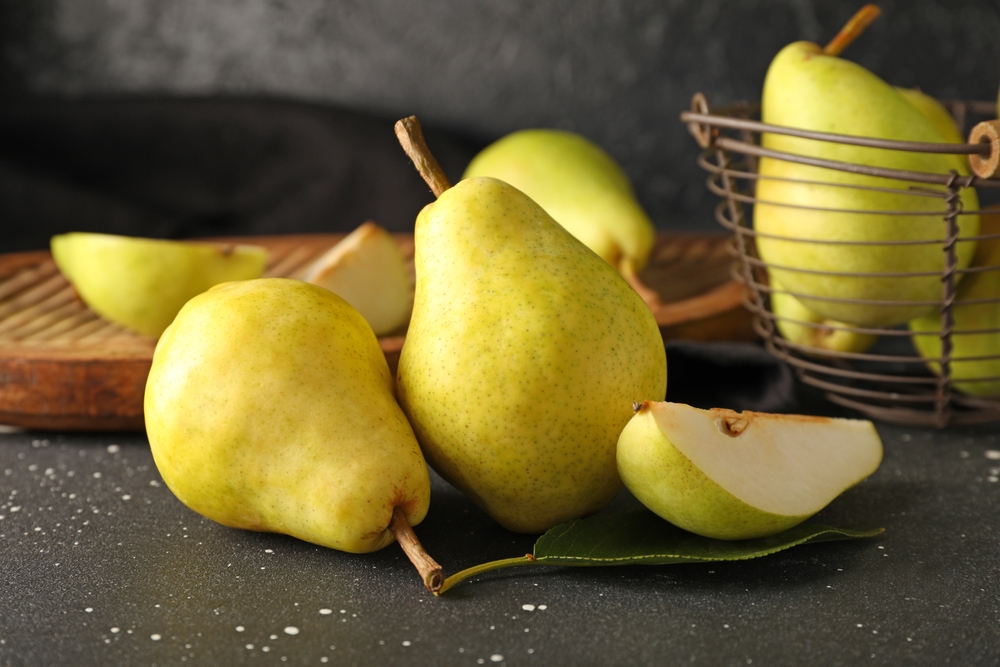
Pears are a good source of fiber, but like prunes, they also contain high amounts of sorbitol. This combination of fiber and the gentle, osmotic effect of sorbitol helps stimulate a bowel movement. Eating them with the skin on maximizes the intake of insoluble fiber.
6. Berries (Raspberries, Blackberries)
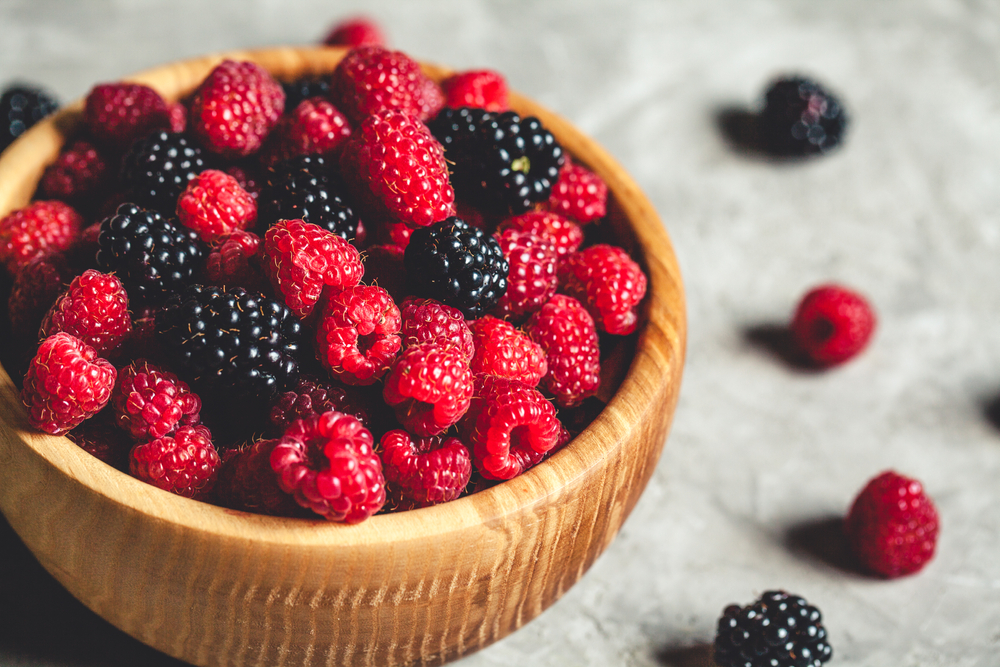
All berries are excellent foods that support gut health, but raspberries and blackberries stand out for their exceptionally high fiber content. They often contain 8 grams or more per cup. Their high water content also contributes to hydration, which is essential for soft, easy-to-pass stools.
7. Oatmeal
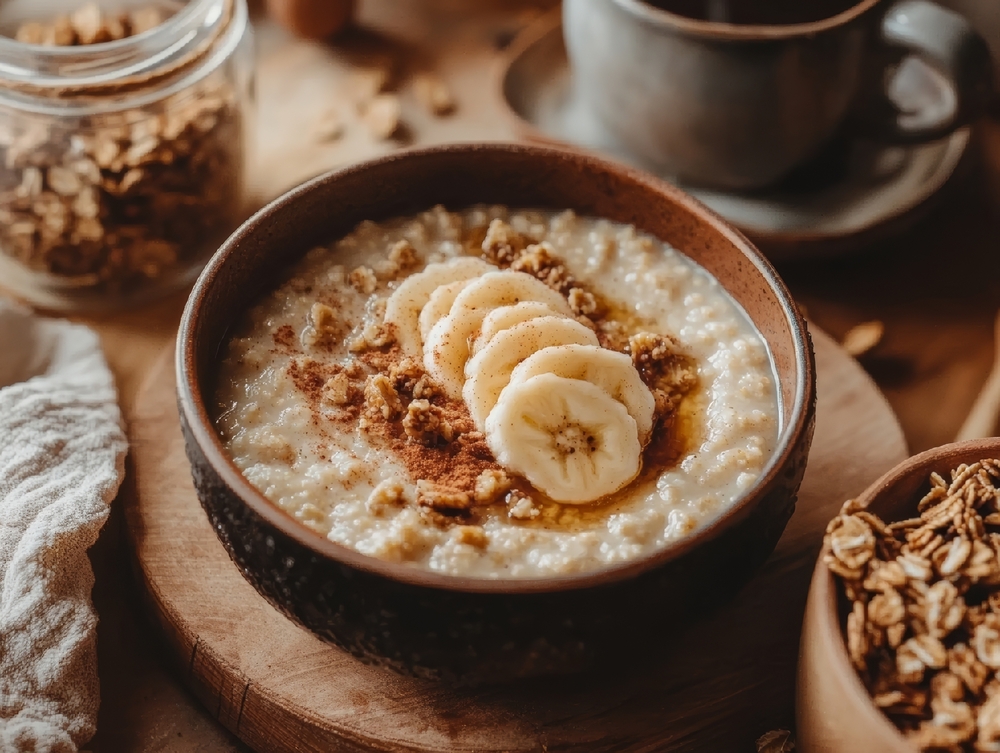
Oats are a classic breakfast choice for regularity. They are rich in beta-glucan, a type of soluble fiber that slows digestion and acts as a prebiotic, feeding the beneficial bacteria in your gut. A healthy gut flora contributes to more consistent, healthy bowel movements.
8. Legumes (Beans and Lentils)
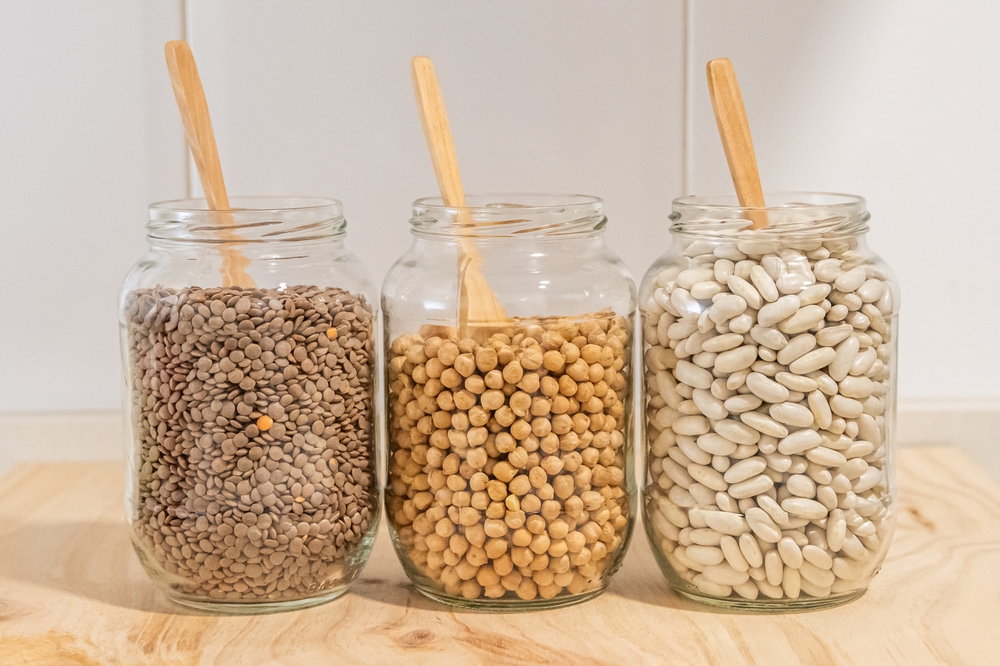
Beans, lentils, and chickpeas are powerhouse legumes packed with both fiber and resistant starch, making them powerful foods for gut health and a potential natural laxative. Resistant starch passes through the small intestine undigested and is fermented by gut bacteria, producing compounds that promote intestinal movement.
9. Kiwi
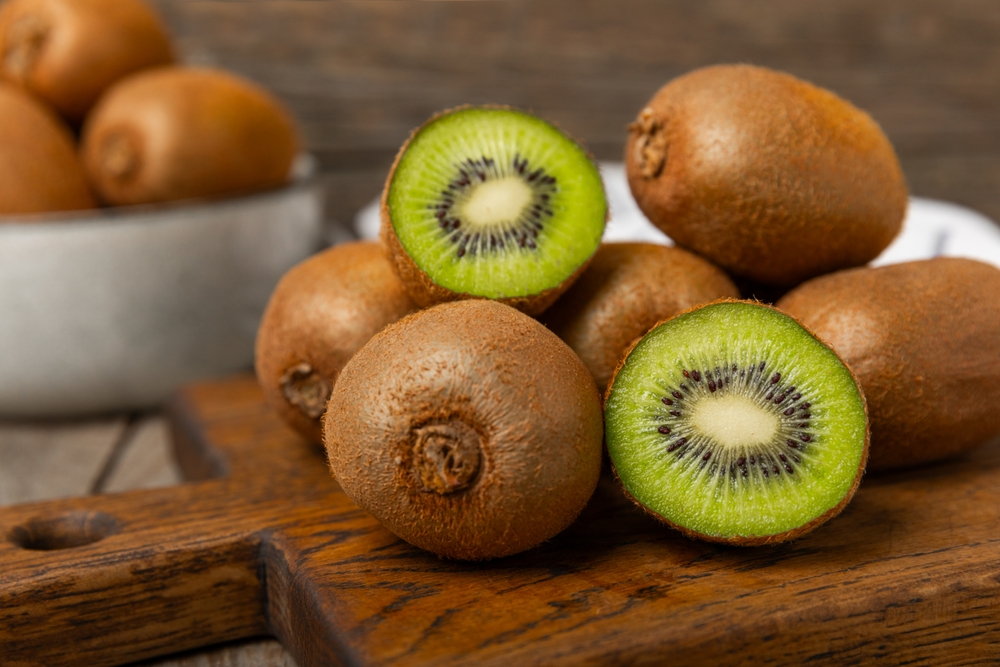
This small, fuzzy fruit contains fiber, but also a unique enzyme called actinidin. Actinidin is thought to improve the digestion of proteins and may contribute to a feeling of ‘lightness’ and increased motility within the digestive tract. For these reasons, kiwi helps to move contents along the GI tract well.
10. Leafy Greens (Spinach, Kale)
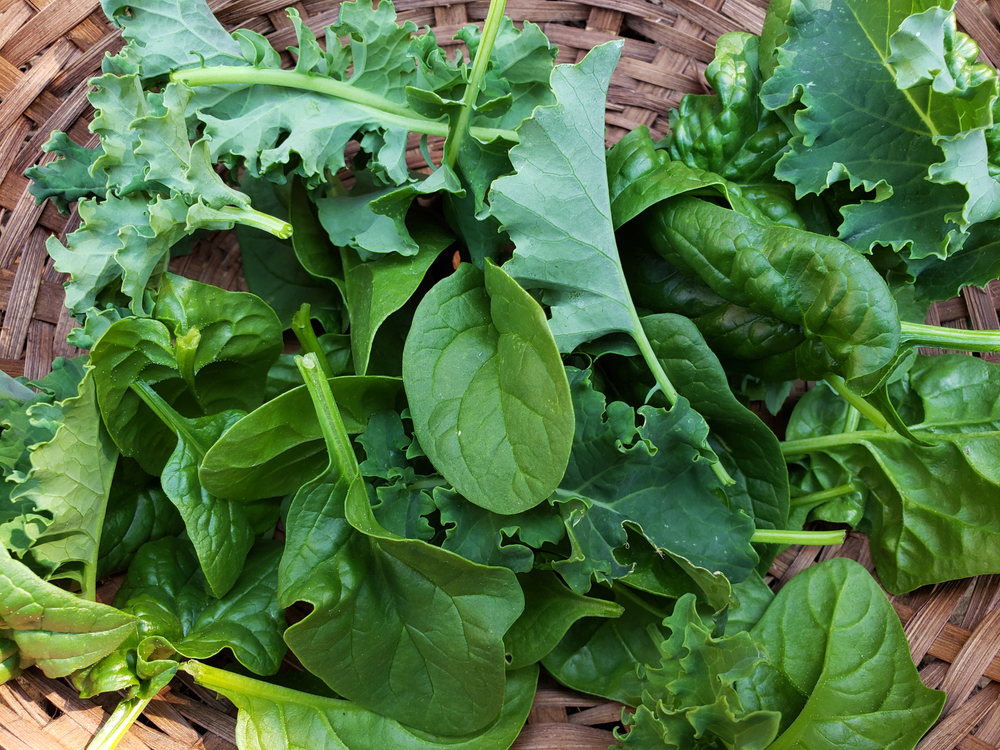
Leafy greens offer a fantastic one-two punch: they are high in fiber, and they are also a great source of magnesium. Magnesium naturally helps relax the muscles in the intestinal wall, which can aid in pushing waste through the colon.
11. Sweet Potatoes
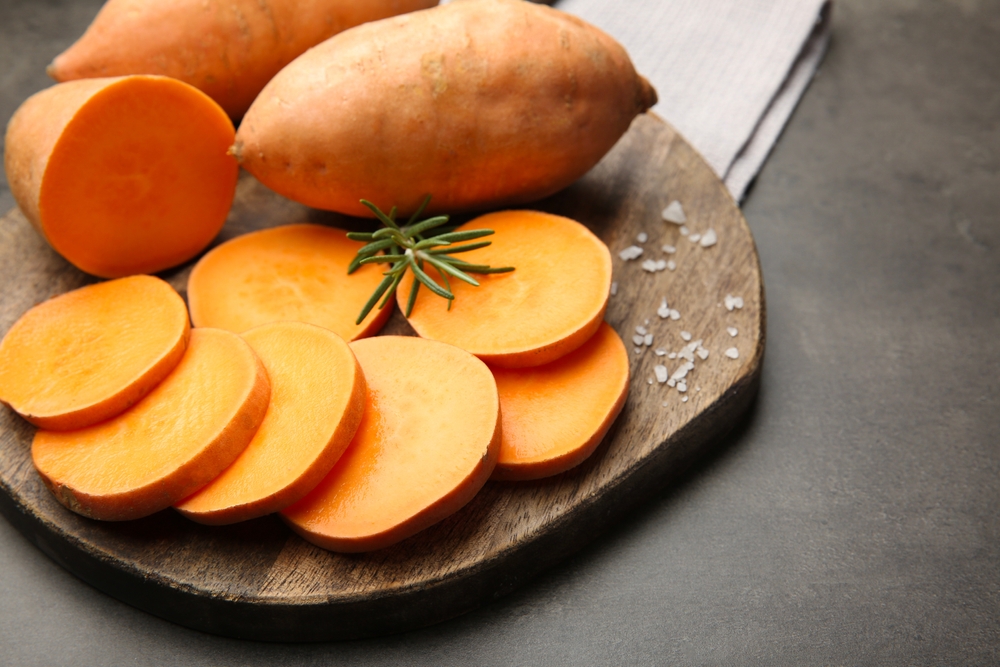
Unlike white potatoes, sweet potatoes contain both soluble and insoluble fiber, making them an excellent choice for a moving digestive system. The insoluble fiber adds essential bulk, while the soluble fiber helps to soften the stool. This leads to more comfortable elimination.
12. Sauerkraut and Kimchi (Fermented Foods)
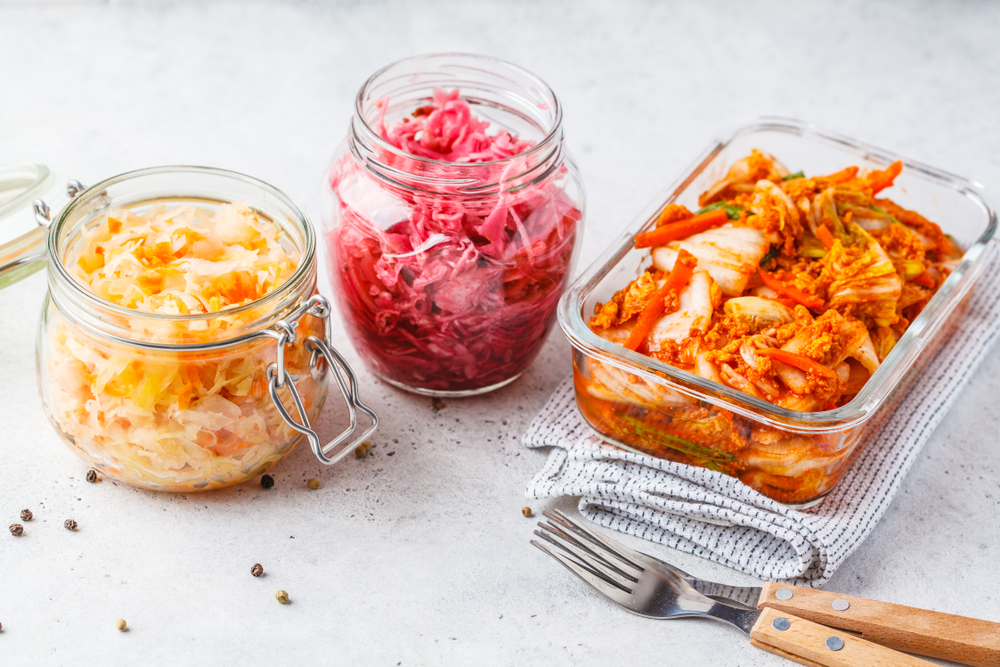
While not fiber-rich, these fermented vegetables are packed with probiotics, those beneficial live bacteria mentioned earlier. A regular intake of probiotics helps to balance the gut microbiome. As we now know, this is crucial for healthy function, reduced gas, and overall regularity.
13. Water

Although not a food, it’s impossible to talk about digestive movement without mentioning water. Fiber needs water to work. Insoluble fiber absorbs water to create bulk. Without enough hydration, a high-fiber diet can actually worsen constipation.
14. Olive Oil

A small amount of olive oil can act as a lubricant for the digestive tract, making it easier for stool to pass. It also stimulates the release of bile, which aids in digestion and can promote intestinal mobility.
15. Aloe Vera Juice

Derived from the inner leaf of the plant, some types of aloe vera juice contain compounds called anthraquinones. These compounds have a powerful natural laxative effect by stimulating water secretion into the bowel and promoting muscle contractions (peristalsis). Be sure to choose a high-quality, whole-leaf purified product.
The Bottom Line
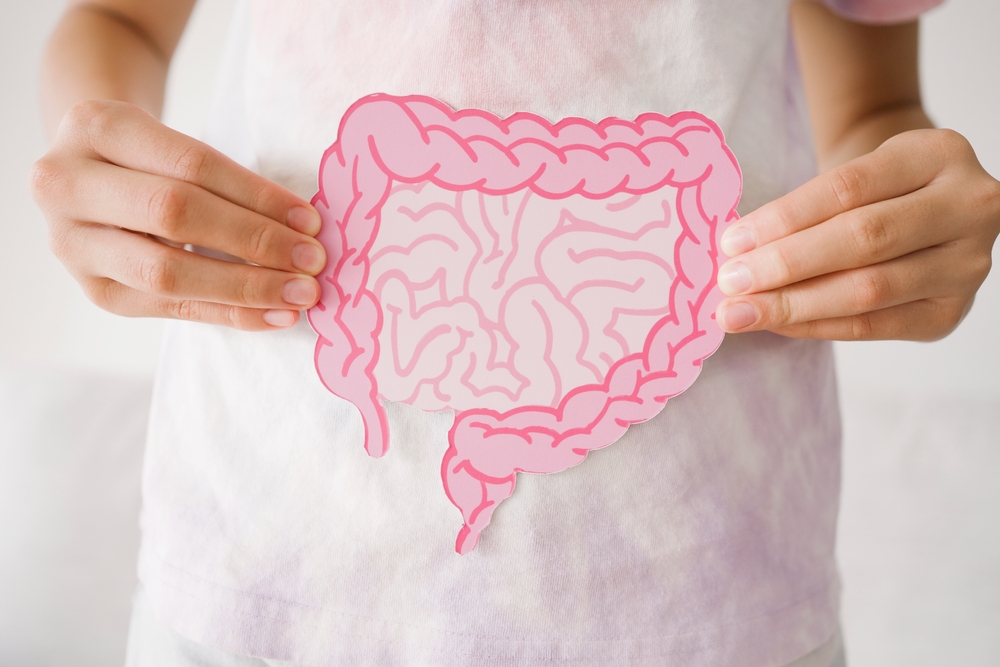
Smooth digestive flow and a healthy GI tract are critical parts of health. The reality is that digestive health is not complicated: eat a healthy, balanced diet that includes plenty of fresh fruits and vegetables, stay hydrated, and avoid processed foods as often as possible. Ensure regular movement throughout your day, as movement also aids in digestion. If you are having trouble going to the bathroom, look to natural laxatives before turning to over-the-counter ones. Incorporating the above 15 foods and beverages into your daily diet is a simple, delicious, and powerful way to support your body;s natural processes. Remember that consistency is key. By prioritizing these high fiber foods and foods that support gut health, you can maintain a happy, healthy, and consistently moving digestive system. Ultimately, this will lead to better health, better mood, and a better quality of life.
Disclaimer: This information is not intended to be a substitute for professional medical advice, diagnosis or treatment and is for information only. Always seek the advice of your physician or another qualified health provider with any questions about your medical condition and/or current medication. Do not disregard professional medical advice or delay seeking advice or treatment because of something you have read here.
Read More: Top Supplement Mistakes You’re Probably Making, Backed by Nutrition Science
Trending Products

Red Light Therapy for Body, 660nm 8...

M PAIN MANAGEMENT TECHNOLOGIES Red ...

Red Light Therapy for Body, Infrare...

Red Light Therapy Infrared Light Th...

Handheld Red Light Therapy with Sta...

Red Light Therapy Lamp 10-in-1 with...

Red Light Therapy for Face and Body...

Red Light Therapy Belt for Body, In...

Red Light Therapy for Shoulder Pain...
