
We usually imagine scams as obvious frauds, the kind that arrive in spam emails or suspicious phone calls. Yet many everyday scams are hiding in plain sight. They show up on receipts, checkout screens, and monthly statements. Over time, these charges become so common that people stop questioning them. Companies rarely label them as tricks. Instead, they present them as “fees,” “services,” or “convenience.”
However, these small costs reshape how much we spend. A few extra dollars here and there may not seem significant. But when millions of consumers pay them repeatedly, the numbers grow massive. Economists often describe these charges as examples of modern pricing strategies rather than outright fraud. Still, many people feel the same frustration: they are paying more for things that once cost less or were included in the original price.
Ticket Processing Charges
Concerts, sporting events, and live events often include processing charges that increase the final ticket price. At first glance, these fees seem reasonable. Companies argue they cover the cost of handling digital sales, secure payment systems, and customer support. However, critics say these charges often go well beyond actual processing costs. The ticket industry has faced increasing scrutiny from regulators who worry that these fees reduce transparency. Customers see an appealing price upfront, but the final checkout total tells a different story. This system works because fans rarely want to abandon the purchase once they reach the final step.
Print-at-Home Fees

Image credit: Shutterstock.
One of the strangest modern charges is the print-at-home fee. In theory, digital ticket delivery should reduce costs for companies because customers print their own tickets using their own printer, ink, and paper. Yet some platforms still charge a fee for this option. From a business perspective, the fee helps cover platform maintenance and transaction systems. Still, many customers feel puzzled by the logic. They are doing the printing themselves, yet they pay extra for the privilege. This type of charge highlights how pricing models have evolved in the digital economy. As services move online, businesses sometimes introduce new fees rather than eliminating older ones.
Delivery and Service Fees
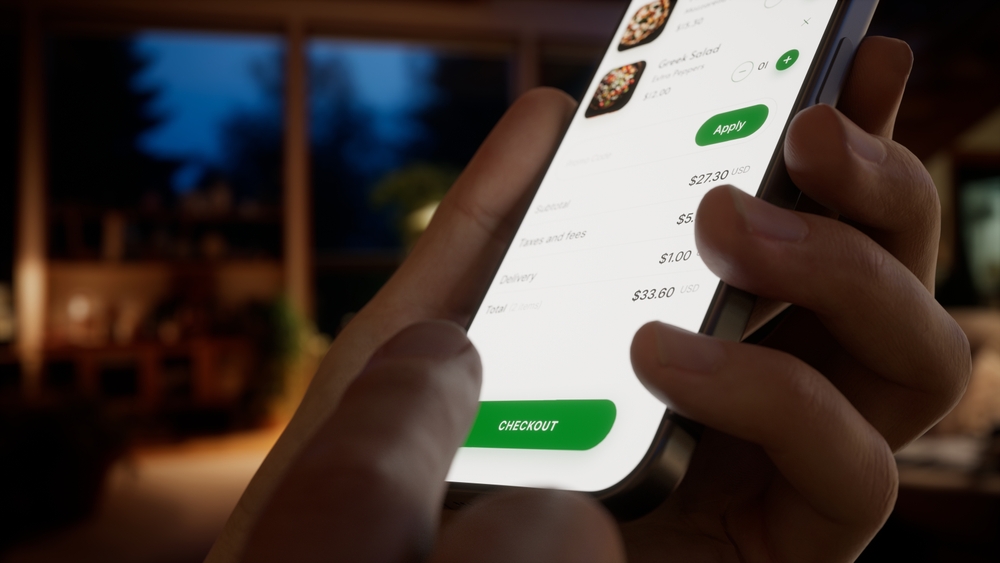
Delivery and service fees have grown significantly with the rise of food delivery apps and online ordering platforms. These companies typically charge a combination of delivery fees, service fees, and sometimes small-order fees. Individually, each charge may seem minor. Together, they can add several dollars to the cost of a meal. Part of this pricing structure reflects real expenses. Delivery platforms must pay drivers, maintain software, and manage customer support systems. However, restaurants themselves also pay commission fees to the platforms. As a result, the final price paid by the customer often includes multiple layers of markup.
App Store and In-App Purchase Fees
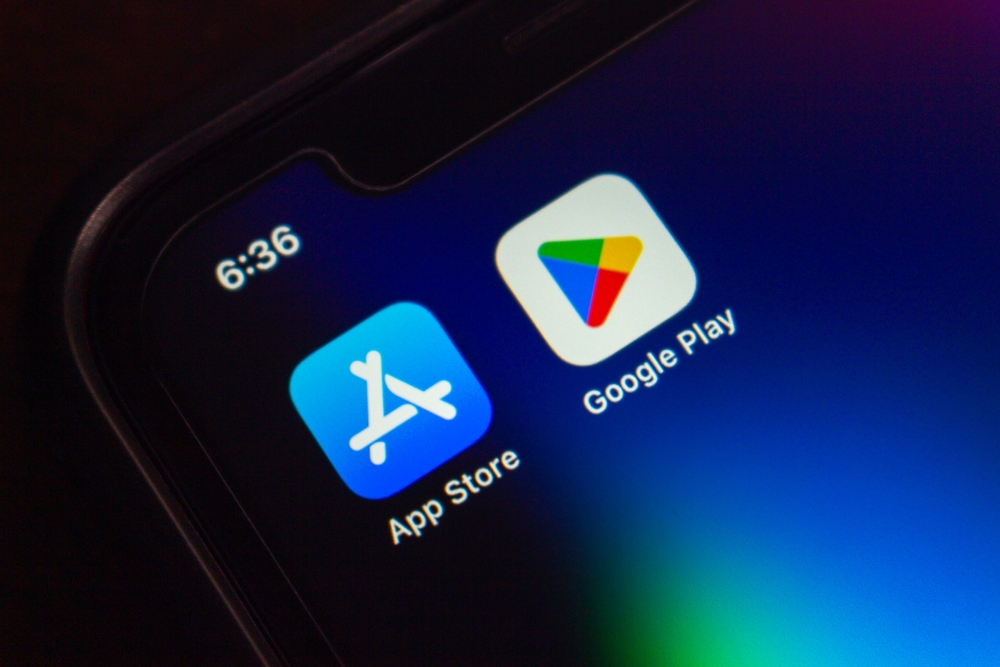
Smartphones have made digital purchases easier than ever. Yet many apps rely on in-app purchases that gradually increase the total cost of using the service. Mobile games, productivity apps, and photo editing tools often begin with a free download, but essential features may require paid upgrades. App stores themselves also play a role in the pricing structure. Companies like Apple and Google typically take a commission from purchases made within apps. Developers sometimes pass those costs along to users through subscription tiers or microtransactions. This system helps developers earn revenue while keeping apps accessible to new users. But many consumers discover that “free” apps can become surprisingly expensive once additional features and upgrades enter the picture.
Tipping Prompts on Digital Payment Screens
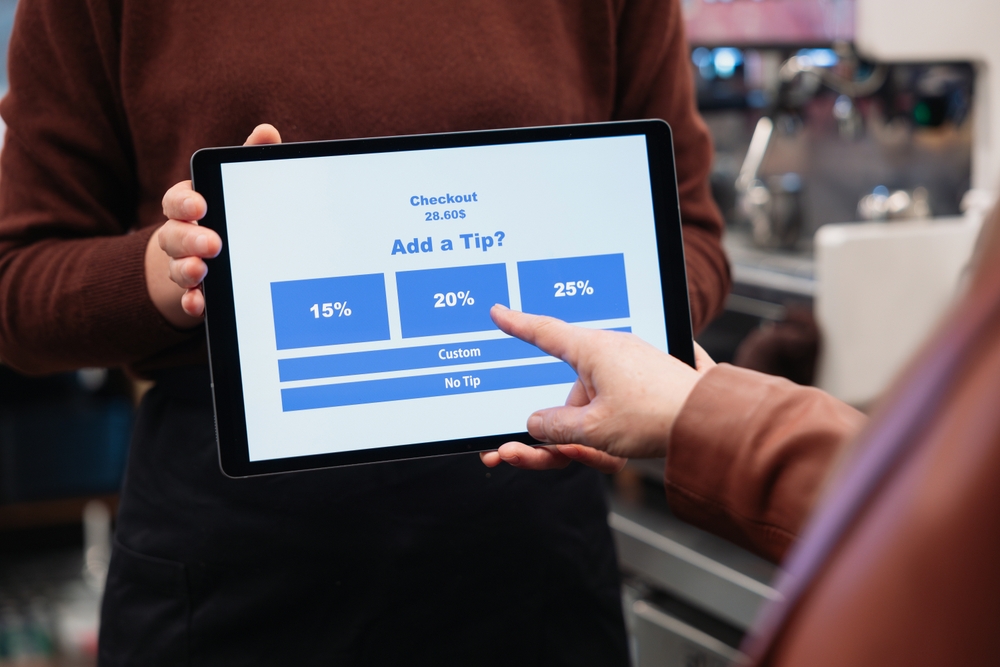
In the past, tipping was usually reserved for restaurants, bartenders, and a few other service jobs. Today, however, digital payment systems have expanded tipping into many everyday transactions. Coffee shops, food counters, and even small retail stores sometimes display suggested tips on checkout screens. These prompts often recommend percentages such as 15, 20, or 25 percent. Because the screen appears while an employee is standing nearby, customers may feel social pressure to choose one of the options. Behavioral economists describe this as a “nudge,” a design choice that subtly influences decision-making.
Health Insurance Deductibles and Copays

Health insurance can provide essential financial protection during medical emergencies. Yet the structure of many insurance plans introduces several additional costs beyond monthly premiums. Deductibles, copays, and coinsurance payments often appear only after medical services are used.
For example, a patient may pay hundreds of dollars each month for coverage, but still face out-of-pocket costs before the insurance plan begins paying a larger share. In countries like the United States, this layered system has become a major source of confusion for consumers. Health economists explain that these cost-sharing mechanisms are designed to discourage unnecessary care. However, they can also make medical expenses unpredictable for patients who assume their insurance covers more than it actually does.
Loyalty Programs That Track Your Spending

Loyalty programs promise discounts, points, or rewards for frequent customers. Airlines, grocery stores, and coffee chains all use them to encourage repeat purchases. Customers earn points that can eventually be redeemed for free products or special deals.
However, loyalty systems also serve another purpose: collecting data. When customers sign up, companies can track purchasing habits, preferred products, and spending patterns. Businesses then use this information to tailor promotions and marketing campaigns. In many cases, the rewards themselves are relatively small compared with the data value they generate.
Shrinkflation in Everyday Products

Shrinkflation occurs when companies reduce the size or quantity of a product while keeping the price roughly the same. Consumers may notice the change slowly, perhaps when a familiar snack bag feels lighter or a cereal box contains fewer servings than before. Manufacturers often choose this strategy instead of raising prices outright. Research shows that shoppers react strongly to visible price increases, while subtle reductions in product size often go unnoticed at first.
To remain compliant with regulations, companies still list the correct weight or quantity on the packaging. Yet the visual design of the box or bag may stay almost identical, which makes the change harder for shoppers to detect during a quick trip through the grocery store.
Resort Fees at Hotels

Hotel resort fees are another charge that often surprises travelers at checkout. These fees typically appear at hotels and resorts and may cover amenities such as Wi-Fi, pool access, fitness centers, or local phone calls. The catch is that guests usually pay the fee whether they use those amenities or not. Many booking websites show the base room price first, while the resort fee appears later in the reservation process or during check-in. As a result, the final cost of a stay can be significantly higher than expected.
Travel industry analysts say hotels use resort fees to keep advertised room rates competitive in search results. However, critics argue that this pricing structure reduces transparency and makes it harder for travelers to compare true accommodation costs.
ATM Withdrawal Fees
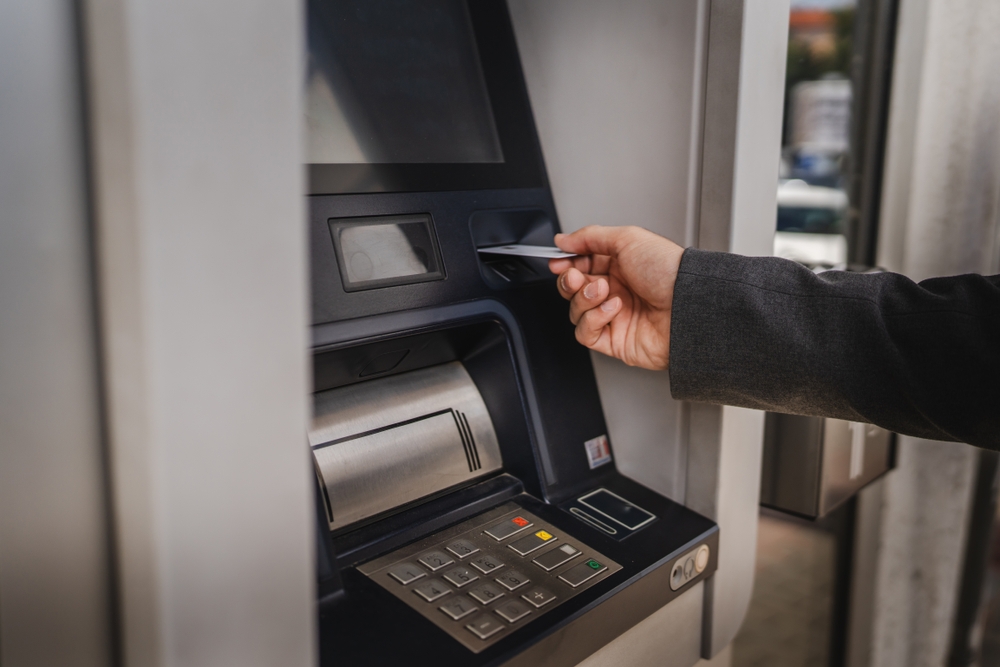
ATM withdrawal fees represent one of the oldest modern banking charges. Many banks charge customers when they use machines outside their own network. The fee may come from the ATM operator, the customer’s bank, or sometimes both. For people who withdraw cash frequently, these small charges can add up quickly. A $3 or $4 fee may seem minor during a single transaction, but repeated withdrawals throughout the month increase the total cost significantly. Banks argue that ATM fees help maintain machine networks, security systems, and cash distribution logistics. Nevertheless, critics point out that the system often penalizes customers who lack easy access to their own bank’s machines.
Airline Baggage Fees

Not long ago, airline tickets typically included checked baggage in the price. Today, many airlines charge extra for the same service. Passengers may pay additional fees for the first checked bag, the second bag, or even for carry-on luggage, depending on the ticket type. Airlines introduced these charges during periods of rising fuel costs in the late 2000s. Instead of raising base ticket prices, many companies chose to separate services into optional add-ons. This strategy allowed airlines to advertise lower fares while collecting revenue through additional fees. From a business perspective, this system is called “unbundling.” Customers only pay for what they use. However, many travelers still feel surprised when the final travel cost rises well above the advertised ticket price.
Seat Selection Fees

Another airline charge that has become increasingly common is the seat selection fee. Many airlines now charge passengers to choose specific seats before boarding. Window seats, aisle seats, and seats with extra legroom often come with separate prices. Technically, passengers can still receive a seat assignment for free during check-in. However, those seats may be limited or less desirable. As a result, travelers who want to guarantee a preferred spot often pay the extra charge.
Airlines defend this model as a way to keep base fares competitive while offering premium options to customers who want them. Still, for many passengers, it feels like a service that was once standard has gradually turned into another paid upgrade.
Subscription Auto-Renewals
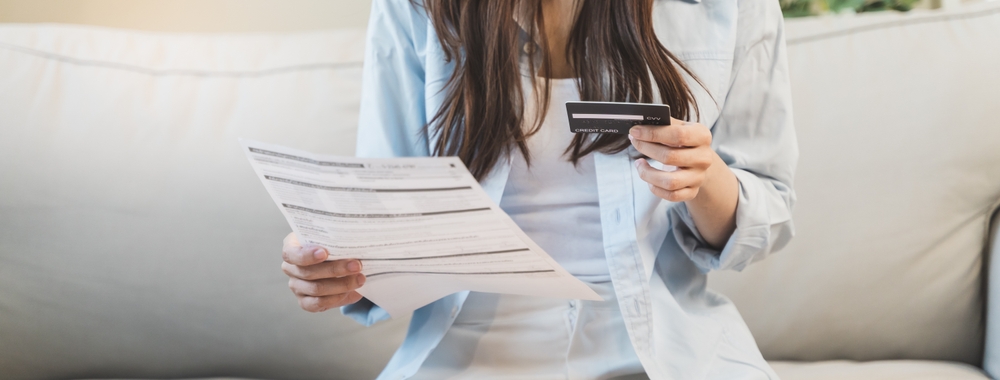
Subscription services have become a major part of the digital economy. Streaming platforms, software tools, fitness apps, and news websites often rely on monthly or annual memberships. While subscriptions provide convenient access to services, they also introduce a common financial trap: automatic renewal. Once a subscription begins, the service often renews automatically unless the customer cancels in advance. Because the payment happens in the background, many people forget they are still paying for services they rarely use. Consumer researchers sometimes refer to this as the “set-it-and-forget-it” problem. Businesses benefit from predictable recurring revenue, while customers may overlook small monthly charges that slowly accumulate over time.
Foreign Transaction Fees

Foreign transaction fees appear when people use their credit cards for purchases in another country or in a foreign currency. These charges typically range from about two to three percent of the total purchase amount. The fee covers currency conversion and international payment processing. However, many consumers remain unaware of the charge until they review their credit card statements. Even online purchases from international retailers can trigger the fee. Some modern credit cards now advertise zero foreign transaction fees as a competitive feature. Nevertheless, the charge remains common across many traditional banking products, especially for customers who travel abroad or shop from global online stores.
Printer Ink Pricing
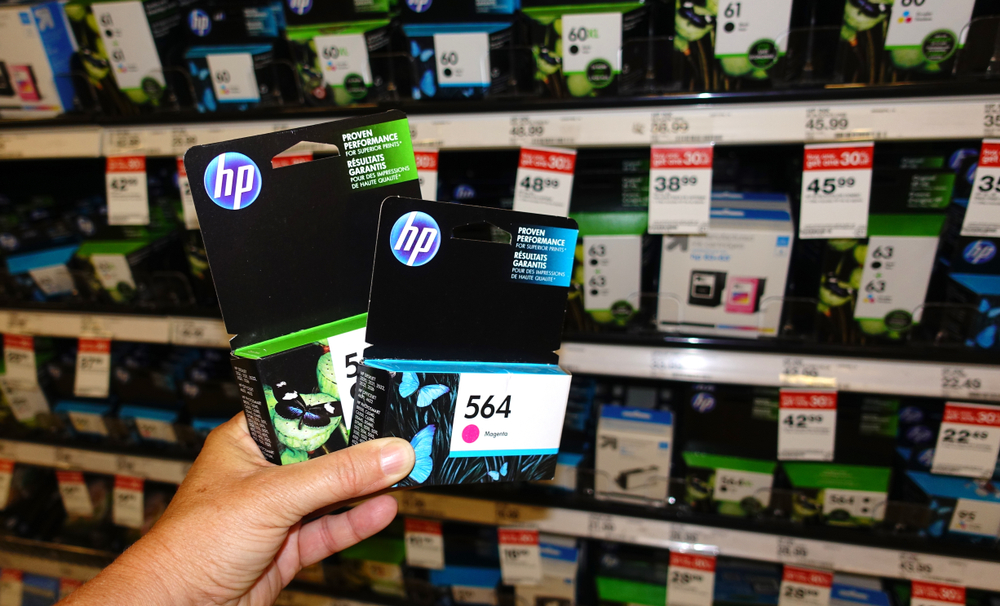
Printer ink has long been a source of consumer frustration. Many home printers are relatively inexpensive, sometimes costing less than a full set of replacement ink cartridges. Yet when the ink runs out, replacing it is often more expensive than buying a brand-new printer. This pricing strategy reflects a classic business model known as the “razor-and-blades” approach. Companies sell the main device at a low price while earning profits from the consumable supplies that customers must buy repeatedly. Because printers require specific cartridge models, consumers often have limited alternatives.
Read More: Scam Alert: 20+ Area Codes You Might Want to Ignore
Why These Charges Feel So Common

At first glance, each of these charges may seem small or reasonable. A few dollars for convenience, a small fee for processing, or a subscription renewal might not appear significant on its own. However, when these costs repeat across daily purchases, they begin to shape how much people spend over time.
Economists generally view these practices as pricing strategies rather than literal fraud. Still, many consumers describe them as everyday scams because they often appear unexpectedly or feel disconnected from the true cost of providing the service. Ultimately, awareness is the key. When people recognize how these charges work, they can make more informed choices, compare options more carefully, and decide which services are truly worth the extra cost.
A.I. Disclaimer: This article was created with AI assistance and edited by a human for accuracy and clarity.
Read More: 15 Retirement Scams to Watch Out For
Trending Products

Red Light Therapy for Body, 660nm 8...

M PAIN MANAGEMENT TECHNOLOGIES Red ...

Red Light Therapy for Body, Infrare...

Red Light Therapy Infrared Light Th...

Handheld Red Light Therapy with Sta...

Red Light Therapy Lamp 10-in-1 with...

Red Light Therapy for Face and Body...

Red Light Therapy Belt for Body, In...

Red Light Therapy for Shoulder Pain...
