
Cancer rarely announces itself with a dramatic opening scene. More often, it enters daily life through changes that seem easy to dismiss, especially at daybreak. A person wakes tired after a full night, notices blood during the first bathroom visit, struggles through breakfast, or stands before the mirror and spots a swelling that was not there before. Those moments do not confirm cancer, and common illnesses explain many of them. Yet major cancer organizations and academic cancer centers consistently warn that persistent symptoms deserve attention, especially when they intensify, return often, or appear alongside weight loss, fever, bleeding, or pain. The National Cancer Institute lists severe fatigue, unexplained night sweats, cough, bowel changes, eating problems, bleeding, mouth changes, and neurological problems among symptoms that can signal cancer, depending on the site involved.
Morning symptoms deserve a closer look because waking often exposes what the body has been doing overnight. Mucus settles, pressure builds, sweat dries, and fasting makes swallowing trouble or early fullness harder to ignore. The first trip to the toilet may reveal blood. The first glance in bright light may expose jaundice, bruising, gum bleeding, or a new lump. The American Cancer Society notes that “1 in 3 men and women will be diagnosed with cancer in their lifetime,” which is exactly why persistent physical changes should never be brushed aside for long. Cancer is not the most likely cause of every symptom below, but it is serious enough to keep on the list when warning signs linger.
Waking Up Exhausted, Even After Adequate Sleep
Morning exhaustion becomes more concerning when it stops behaving like ordinary tiredness. Everyone has poor nights, stressful weeks, or demanding seasons. Cancer-related fatigue usually pushes further. It can be present before treatment, it may not improve much with rest, and it often begins to alter routine tasks that once seemed easy. Getting out of bed becomes heavier, the shower takes more effort, and concentration seems slower before the day has even begun. The National Cancer Institute describes one red flag in plain terms: “Fatigue that is severe and lasts.” The American Cancer Society explains that cancer can drain energy because tumors use the body’s fuel, trigger inflammatory responses, or cause blood loss and anemia. Leukemias, lymphomas, colorectal cancers, and many solid tumors can all present with profound fatigue, especially when bleeding, marrow disruption, or chronic inflammation develops.
If morning exhaustion comes with breathlessness, paleness, dizziness, fever, night sweats, or unexplained weight loss, the concern rises further, and the need for medical evaluation becomes much stronger. The key question is not whether a person ever wakes tired. The key question is whether the body has changed in a sustained, unexplained way. Fatigue that lasts for weeks, returns daily, or deepens despite rest needs context. Doctors often begin with a history, physical examination, and blood work because exhaustion can reflect anemia, infection, thyroid disease, sleep apnea, depression, autoimmune illness, or cancer. Blood cancers deserve particular attention when fatigue appears with bruising, bleeding, frequent infections, swollen nodes, or drenching sweats. The National Cancer Institute notes that adult acute lymphoblastic leukemia can cause “weakness or fatigue,” along with fever, night sweats, and easy bruising or bleeding.
Morning fatigue also deserves faster assessment if it follows new bowel changes or visible blood loss, because cancers of the colon and stomach may cause slow, chronic bleeding before diagnosis. A person does not need to panic over one heavy morning. However, ongoing exhaustion that begins to govern the day should not be normalized, especially when it arrives with other warning signs. Doctors also watch how fatigue interacts with sleep itself. Some people with cancer wake repeatedly because of pain, fever, sweats, or breathing problems that interrupt recovery overnight. By morning, the body has spent hours under strain, so exhaustion can look deeper than ordinary poor sleep. Kidney cancer, lung cancer, and advanced gastrointestinal cancers can all disturb rest through discomfort, cough, reflux, or repeated trips to the bathroom.
That nightly disruption can also erode appetite, lower activity, and gradually reduce strength, which then makes each morning harder than the last. When someone begins sleeping longer yet waking less restored, clinicians usually want a clearer timeline. They ask when the symptom began, whether it is worsening, and what else changed at the same time. They may check blood counts for anemia, review unexplained weight loss, and ask about fever, bruising, or bowel changes. Those details help doctors judge whether simple sleep disruption is the full explanation or part of a more serious cause. Persistent stamina loss often gives the symptom its strongest warning value.
Waking Soaked With Drenching Night Sweats

A warm room can make anyone sweat. Hormonal shifts, infections, medication effects, and anxiety can do the same. The concern sharpens when a person wakes drenched, needs to change clothing or bedding, and cannot explain the sweating through temperature, menopause, illness, or exercise. Lymphoma is especially important in this discussion. Major cancer references repeatedly list night sweats among classic lymphoma symptoms, often alongside fever, weight loss, and fatigue. The American Cancer Society lists common lymphoma symptoms that include enlarged lymph nodes, fever, weight loss, and fatigue. Mayo Clinic’s lymphoma page uses the stronger phrase “drenching night sweats,” which captures the severity clinicians worry about. MD Anderson also highlights heavy night sweats among early lymphoma symptoms. Those sweats do not prove cancer, but when they recur, they demand more respect than a single overheated night.
They may represent immune activity, inflammatory signaling, or the body’s response to a blood cancer that is already altering normal function. The morning context matters because that is when the evidence becomes obvious. A person may not notice brief sweating overnight, but soaked sheets tell a clearer story by sunrise. Persistent night sweats deserve particular attention when they come with swollen glands in the neck or armpit, low-grade fever, itching, poor appetite, or steady weight loss. The NHS lists “a painless lump or swelling” and night sweats among common symptoms of Hodgkin lymphoma. The National Cancer Institute also includes “Fever or night sweats for no known reason” on its general cancer symptom page.
Night sweats can also occur in leukemia, advanced solid tumors, tuberculosis, endocrine disorders, and medication reactions, so the symptom is not specific. Yet what makes it important is repetition and company. A clinician may ask whether the sweats are truly drenching, how long they have lasted, whether the person has infections, and whether lymph nodes are enlarged. When sheets are regularly soaked, and the body is also losing weight or energy, morning should bring action, not delay. Doctors also pay attention to the wider group of symptoms surrounding night sweats. In lymphoma, clinicians often look for B symptoms, which include fever, drenching night sweats, and unintentional weight loss. The American Cancer Society notes that these symptoms can help stage Hodgkin lymphoma, so they carry clinical weight beyond lost sleep.
Morning can also expose smaller warning signs that matter. A person may notice a lump above the collarbone, itching without an obvious rash, or fatigue that deepens after each night. Those added changes make repeated sweating harder to dismiss as weather, bedding, or stress. Even so, cancer is not the only explanation. Mayo Clinic and NHS referral guidance note that menopause, thyroid disease, infection, and some medicines can also cause night sweats. That wider list is exactly why doctors look at the whole picture, not one symptom in isolation. Persistent sweats that soak sheets repeatedly deserve more attention than ordinary nighttime overheating. When sweats become frequent, severe, and clearly drenching, especially alongside weight loss or swollen nodes, the safest response is prompt medical assessment and proper follow-up.
A Morning Cough, Hoarseness, or Blood-Streaked Sputum That Does Not Go Away

Many coughs are harmless and temporary. Allergies, reflux, viral infections, smoking, dry air, and postnasal drip often announce themselves most strongly in the morning because mucus pools overnight. That ordinary explanation is exactly why a persistent cancer-related cough gets ignored. Lung cancer and some throat cancers can begin with a cough that blends into daily life. The American Cancer Society names one of the clearest respiratory warnings: “A cough that does not go away or gets worse.” It also lists coughing up blood, hoarseness, chest pain, wheezing, repeated chest infections, and shortness of breath among lung cancer symptoms. Morning may amplify these signs because secretions are thicker after sleep, the first deep cough can provoke pain, and blood appears more clearly when sputum is brought up on waking.
Hoarseness also deserves respect when it lingers, especially in people with tobacco exposure, heavy alcohol use, reflux, HPV-related risk, or a persistent sore throat. The red line is persistence. MD Anderson notes that a nagging cough lasting more than 3 weeks can be a sign that something is wrong, and hoarseness that lingers also deserves evaluation. Esophageal and throat cancers may cause chronic cough as well, especially when swallowing becomes difficult or reflux-like symptoms keep building. Not every chronic cough points to cancer, but coughing up blood should be treated with much more urgency. Recurrent bronchitis or pneumonia also deserves a closer look when they keep returning to the same person, because a tumor can block an airway and invite infection.
Morning can expose this pattern with rattling breath, thick sputum, or a voice that sounds rough before the throat has warmed up. A clinician may investigate with examination, imaging, and sometimes referral to a chest or ear, nose, and throat specialist. A cough that keeps stretching from one week into the next should never be dismissed simply because mornings are when it sounds worst. Doctors also listen for how long the symptom has stayed unchanged. The American Cancer Society warns about “A cough that does not go away or gets worse,” and it also flags hoarseness, wheezing, chest pain, repeated chest infections, and coughing up blood. Those details help separate an ordinary post-viral cough from something that needs imaging.
Hoarseness deserves extra attention when it lasts beyond 2 or 3 weeks, especially with swallowing trouble, throat pain, or a neck lump. MD Anderson notes that throat cancers can also cause blood-tinged mucus, persistent sore throat, and voice changes. Clinicians, therefore, look at the full picture, including smoking history, reflux, occupational exposure, and recent infections. Yet lung cancer can occur in people who never smoked, so the absence of tobacco exposure does not end the discussion. When morning coughing keeps returning, sputum shows blood, or the voice stays rough week after week, prompt medical review becomes the sensible next step. Doctors may then consider chest imaging or specialist assessment, especially when symptoms include weight loss, breathlessness, or repeated pneumonia. Those linked signs raise concern more quickly overall.
Morning Headaches, Especially With Nausea or Vomiting

Headaches are common, which makes this symptom easy to minimize. Cancer enters the picture when headaches change character, keep returning, worsen over time, or arrive with vomiting, balance problems, weakness, personality changes, or new seizures. Brain tumors can raise pressure inside the skull, which sometimes becomes more noticeable overnight and early in the day. The National Cancer Institute lists a particularly important warning phrase: “Morning headache or headache that goes away after vomiting.” The American Cancer Society’s glioblastoma page also notes “Headaches, often worse in the morning,” along with nausea and vomiting. Morning symptoms matter here because lying flat can influence intracranial pressure, and the body has fewer distractions before breakfast to dilute the signal. A person may wake with a pounding head, stand up nauseated, vomit, and then notice temporary relief.
That pattern does not automatically mean a brain tumor, but it is unusual enough to deserve medical attention, especially when new. The danger increases when the headache no longer travels alone. Brain and spinal tumors may also cause blurred vision, trouble speaking, unusual sleepiness, weakness on one side, clumsiness, mood changes, and seizures. The National Cancer Institute and the American Cancer Society both emphasize these related neurological signs. Metastatic cancer can also produce headaches if the disease spreads to the brain. The American Cancer Society advises emergency care for a headache paired with confusion, weakness, numbness, or trouble talking or seeing. Most headaches arise from migraines, tension, sinus problems, dehydration, blood pressure issues, or medication effects.
However, a new morning headache that intensifies over days or weeks, especially when it brings vomiting or neurological change, should not be brushed off as stress. Doctors may respond with a neurological examination, eye assessment, and urgent imaging when the history suggests raised pressure or a mass effect. A pattern that begins at dawn and keeps returning deserves attention before it has time to deepen. Doctors also pay close attention to what arrives alongside a new morning headache. The National Cancer Institute lists seizures, weakness, balance trouble, personality changes, and unusual sleepiness among possible brain tumor symptoms. Mayo Clinic adds that brain tumor headaches can worsen with coughing or straining, which gives clinicians another useful clue.
Vision changes also deserve attention, especially blurred sight, double vision, or episodes of vomiting before breakfast. Those symptoms can suggest rising pressure inside the skull, which needs prompt medical assessment. The American Cancer Society notes that headaches from brain tumors often worsen over time in both severity and frequency, instead of fading after a few days. That gradual escalation helps distinguish a dangerous cause from many ordinary headaches. Even so, most headaches are not caused by cancer, and doctors know that clearly. Yet a persistent morning headache with vomiting, confusion, weakness, or seizure activity should never be ignored. When those signs appear together, clinicians often move quickly toward neurological examination and brain imaging. Speed becomes especially important when the symptom is new, progressive, and clearly different from previous headaches.
Blood in the First Urine of the Day

The first bathroom visit can reveal one of the clearest cancer warning signs. Blood in urine may appear pink, orange, rust-colored, or red, though sometimes it is microscopic and only a test detects it. The American Cancer Society states, “Most often, blood in the urine (hematuria) is the first sign of bladder cancer.” That sentence deserves to be taken seriously because hematuria often arrives without pain, which makes delay more likely. Kidney cancer can also cause blood in urine, along with flank pain, a lump, fatigue, fever, or weight loss. The National Cancer Institute includes “Blood in the urine” under general cancer symptoms, and the NHS lists it among important kidney cancer signs. Morning sometimes reveals the symptom more clearly because urine is concentrated after sleep, and the first stream makes a color change easier to notice.
People often hope it will vanish by afternoon and never return. Sometimes it does. Sometimes it does not. Not every episode of hematuria means cancer. Urinary infections, stones, prostate enlargement, strenuous exercise, kidney disease, and some medications can all produce blood. Yet visible blood should not be self-diagnosed, especially in older adults, smokers, or anyone with recurring urinary symptoms. Even when the urine looks normal, testing may uncover microscopic bleeding that still needs explanation. The American Cancer Society notes that urinalysis can find small amounts of blood, though it is not used as a routine screening test for everyone. If blood is accompanied by pain, frequent urination, burning, clots, back pain, fever, or weight loss, the medical urgency increases. Clinicians may investigate with urine tests, imaging, and cystoscopy depending on age, risk factors, and associated symptoms.
The important point is simple. Blood in urine is never a symptom to watch casually for months. If it appears during the first trip of the morning, it has already earned a proper answer. Doctors also look closely at the timing and frequency of bleeding. The National Cancer Institute notes that bladder cancer blood may appear once, disappear, and then return later, which often misleads people into waiting too long. The American Cancer Society adds that even small amounts of blood found on testing can still matter, especially when urinary urgency, burning, or frequent urination join the picture. Kidney cancer can also cause hematuria together with pain below the ribs, tiredness, fever, appetite loss, or weight loss, according to NHS guidance.
That broader symptom cluster helps clinicians decide how urgently to investigate. They may order urine tests, imaging, or cystoscopy, depending on age, smoking history, and the presence of clots or pain. The NHS states plainly that blood in urine must be checked because it can be a sign of cancer, and early diagnosis improves treatment options. When blood appears during the first morning urination, then vanishes by afternoon, it should still be treated as a real warning sign, not a passing curiosity. That is especially true in older adults, smokers, or anyone with repeated urinary symptoms, unexplained fatigue, or flank pain. Intermittent bleeding can still mark an early cancer diagnosis opportunity for many people.

People usually learn about bowel trouble in the morning because that is when routine, coffee, and the first trip to the toilet expose it. Blood on toilet paper, dark or maroon stool, narrower stool, repeated urgency, cramping, or the sense that the bowel never fully emptied all deserve attention when they persist. The American Cancer Society lists classic colorectal cancer signs that include “Rectal bleeding with bright red blood,” “Blood in the stool,” and a bowel movement that does not relieve the urge. The National Cancer Institute also lists bowel changes and blood in stool among general cancer symptoms. These signs do not mean every person with constipation, hemorrhoids, or diarrhea has colorectal cancer. They do mean that repeated bowel changes should not be treated as background noise, especially when they are new, unexplained, or paired with fatigue and weight loss.
Morning becomes the stage where a serious illness first leaves visible proof. This chapter carries extra weight because researchers have shown that warning signs often appear before diagnosis, especially in younger adults who may not expect cancer. In a study funded in part by the National Cancer Institute, a team led by Yin Cao, Sc.D., at Washington University School of Medicine in St. Louis analyzed data from more than 5,000 adults diagnosed before age 50. They found 4 warning signs that were more common before diagnosis: abdominal pain, rectal bleeding, diarrhea, and iron-deficiency anemia. Having one sign nearly doubled the likelihood of early-onset colorectal cancer, while having 3 or more raised the likelihood about 6-fold.
Dr. Cao put the message plainly: “For younger adults, we really want to raise awareness,” and urged them not to wait. Morning bowel changes often look easy to explain away, yet repeated bleeding, narrowing stool, persistent urgency, or new cramping deserve medical evaluation, regardless of age. Doctors also look at what the bowel change is doing over time. The American Cancer Society notes that colorectal cancer can cause visible bleeding, but it can also cause hidden blood loss that slowly leads to iron-deficiency anemia and fatigue. A stool that turns dark, repeated rectal bleeding, or a habit that shifts for more than a few days deserves attention, especially when the urge to pass stool is not relieved afterward.
NHS guidance likewise lists blood in the stool, bleeding from the bottom, and an ongoing change in usual bowel habit among the main bowel cancer symptoms. Researchers have also warned that age should not create false reassurance. In the Journal of the National Cancer Institute, a team led by Yin Cao at Washington University identified abdominal pain, rectal bleeding, diarrhea, and iron-deficiency anemia as red-flag signs before early-onset colorectal cancer diagnosis. Their findings, highlighted by the National Cancer Institute, showed that even 1 warning sign increased the likelihood of diagnosis, while 3 or more raised it about 6-fold. When blood, urgency, narrowing stool, and unexplained fatigue begin appearing together, morning bowel trouble needs proper investigation, not delay. That combination can point toward bleeding and advancing disease.
Trouble Swallowing Breakfast or Food That Seems to Stick

Breakfast can expose swallowing trouble before the rest of the day distracts from it. Toast seems to hang in the chest. Coffee burns more than usual. A bite of food moves slowly, triggers coughing, or comes back up. The American Cancer Society states, “The most common symptom of esophageal cancer is having trouble swallowing.” Early on, the problem may be mild and intermittent. A person may simply start choosing softer foods, chewing longer, sipping more water, or eating less at the first meal. Over time, the passage narrows, and the symptom grows more obvious. Head and neck cancers can also produce swallowing pain, chronic sore throat, hoarseness, blood-tinged mucus, or ear pain.
The National Cancer Institute notes that cancers in the throat can cause pain when swallowing, while MD Anderson lists difficult or painful swallowing among early throat cancer symptoms. Morning matters because the first meal is often the cleanest test. If the first bites already create difficulty, the symptom is hard to excuse. Swallowing trouble is not automatically cancer. Reflux, motility disorders, eosinophilic esophagitis, infection, anxiety, thyroid enlargement, and neurological disease can all interfere with swallowing. The problem is progression. Cancer-related dysphagia usually worsens over time, may lead to choking, and often travels with weight loss, chest discomfort, chronic cough, vomiting after meals, or a changing voice. The American Cancer Society’s swallowing guidance describes a common complaint as food “sticking” on the way down.
That complaint should never be ignored when it repeats. If a person starts avoiding meat, bread, or pills because they no longer go down normally, the body is already adapting to a serious possibility. Doctors may investigate with endoscopy, imaging, or referral to an ear, nose, and throat or gastrointestinal specialist, depending on where the symptom seems to begin. A bad breakfast once means little. A swallowing problem that returns, advances, and alters the way someone eats can signal something much more serious. Doctors also pay attention to how swallowing trouble changes across days and weeks. The American Cancer Society states, “The most common symptom of esophageal cancer is having trouble swallowing (dysphagia).” Early on, solid foods often cause the first problems, but advancing blockage can make softer foods and liquids harder to manage as well.
Weight loss, repeated regurgitation, chest discomfort, and cough after meals raise further concern because nutrition may already be slipping. MD Anderson notes that food can seem stuck in the throat or chest, and vomiting after eating can also develop. Head and neck cancers can widen the picture. The National Cancer Institute lists pain when swallowing, a sore throat that does not go away, ear pain, and a neck lump among important warning signs for throat and laryngeal cancers. Those linked symptoms help clinicians decide whether the problem begins lower in the esophagus or higher in the throat. Delay becomes riskier when swallowing pain or choking begins to interrupt daily meals. When breakfast keeps becoming slower, smaller, and more difficult, the body may be signaling more than reflux or irritation. A swallowing problem that progresses, limits food choices, or leads to weight loss deserves prompt medical assessment and proper investigation.
Bloating, Pelvic Pressure, or Feeling Full Too Fast at Breakfast

Morning can reveal abdominal cancer symptoms with surprising clarity. The stomach is relatively empty, the waistband is honest, and the first meal exposes whether appetite has changed. A person may sit down to breakfast, take a few bites, and feel unusually full. Another may wake with swelling, pelvic heaviness, nausea, or a waistband that suddenly seems tighter for no clear reason. Ovarian cancer belongs prominently in this discussion. The American Cancer Society lists the most common symptoms as bloating, pelvic or abdominal pain, urinary symptoms, and “Trouble eating or feeling full quickly.” Its women’s cancer facts page adds a practical warning that these symptoms occurring daily for more than a few weeks deserve medical attention.
Pancreatic cancers can also cause poor appetite, nausea, belly or back pain, and weight loss, while other abdominal tumors may create fullness by pressing on surrounding organs or building up fluid. Morning often reveals the symptom before meals, and movement blurs the pattern. When breakfast becomes strangely small, fullness may arrive too fast, and abdominal swelling keeps returning at sunrise. This symptom often causes a delay because it sounds too ordinary. Bloating is common. Appetite varies.
Many people blame stress, diet, age, or hormonal shifts. The distinguishing feature is persistence with progression. Doctors watch how often bloating and early fullness appear together. Ovarian cancer symptoms often build over time instead of appearing once and fading. They may be accompanied by urinary urgency, pelvic or abdominal pain, back pain, constipation, or unexplained weight loss, and should be reported if they occur consistently for more than a few weeks. The American Cancer Society notes there is no recommended routine screening test for ovarian cancer in average-risk women, which increases the value of paying attention to symptoms. Clinicians may evaluate ongoing bloating or early satiety with examination, blood work, imaging, and referral based on age and associated features.
Pancreatic cancer can also enter the picture when poor appetite, nausea, belly pain, back pain, and weight loss begin clustering together. Because those symptoms often overlap with common digestive complaints, many people delay care and hope the problem will settle. Clinicians, therefore, ask whether clothes fit differently in the morning, whether appetite drops after only a few bites, and whether pelvic pressure keeps returning. They also look for swelling with fatigue or unexplained weight loss, because that combination raises further concern. When breakfast becomes unusually small for weeks, and abdominal heaviness keeps showing up at dawn, medical review becomes sensible and timely. Prompt assessment can uncover harmless causes, yet it also gives ovarian or pancreatic disease a better chance of earlier detection.
A New Lump or Swelling Noticed While Washing, Dressing, or Shaving

Morning routines often discover cancer before pain does. The hand moves across the neck while shaving. A person applies deodorant and notices fullness in the armpit. A breast feels thicker in the shower. A jawline looks different in the mirror. The NHS describes the most common Hodgkin lymphoma symptom as “a painless lump or swelling,” usually in the neck, armpit, or groin. The American Cancer Society and Mayo Clinic likewise note that enlarged lymph nodes can feel like lumps under the skin. Lumps do not belong only to lymphoma. Breast cancer, thyroid cancer, oral cavity cancers, and head and neck cancers can also announce themselves through swelling or thickening that is seen or felt during ordinary care.
The National Cancer Institute notes that lip and oral cavity cancer can cause a sore or lump in the mouth, while head and neck cancer fact sheets mention white or red patches, jaw swelling, and persistent mouth pain or bleeding. Morning matters because mirrors, grooming, and bare skin create the perfect conditions for detection. The most important detail is persistence without a clear explanation. Reactive lymph nodes from infection usually settle with time. Cancer-related lumps often stay, grow, or arrive with other warning signs such as fatigue, night sweats, fever, trouble swallowing, or weight loss. Head and neck cancers may also produce a one-sided neck mass, sore throat, hoarseness, or ear pain. MD Anderson notes that a painless lump in the neck can be an early sign of oropharyngeal cancer because a lymph node may enlarge before the primary tumor is obvious.
Mouth changes deserve equal seriousness when an ulcer, white patch, red patch, or unexplained bleeding does not heal. Clinicians often use time as an important guide. A swelling that persists for 2 to 3 weeks, especially without signs of infection, should be examined. Morning is when many people first convince themselves they are imagining a lump. If the hand keeps finding the same swelling day after day, imagination is no longer the issue. Doctors also consider where the lump sits and how it behaves over time. The American Cancer Society says unusual swelling or a lump should be checked because lymph nodes can enlarge when cancer is trapped there.
Head and neck cancer guidance from the National Cancer Institute lists a neck lump, a mouth sore that does not heal, trouble swallowing, and lasting hoarseness among important warning signs. Breast cancer can also appear as a painless lump, and the American Cancer Society notes that underarm swelling may show up even before the original breast tumor is easy to feel. A lump that stays firm, enlarges, or remains present for 2 or 3 weeks deserves more than watchful waiting. Clinicians often ask whether it is painful, whether a recent infection could explain it, and whether weight loss, sweats, or fatigue appeared at the same time. When the same swelling keeps greeting someone in the mirror every morning, it has already earned a proper examination with a clinician who can decide what comes next safely.
Unexplained Bruising, Bleeding Gums, or Tiny Red Spots During the Morning Routine
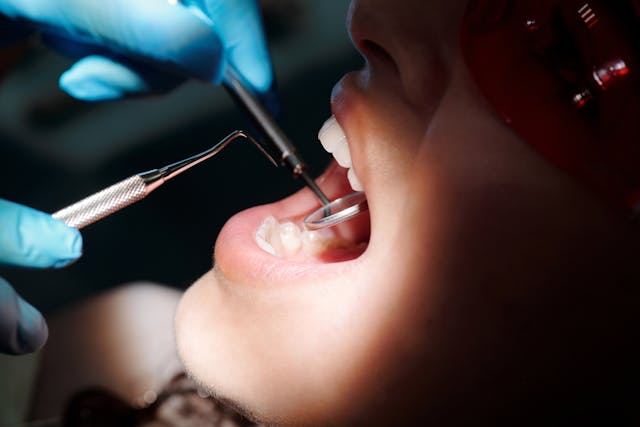
Some cancer warnings appear not through pain, but through blood where it should not be. A person brushes their teeth and sees more bleeding than usual. Another notices bruises after dressing, despite no remembered injury. Someone else spots small red or purple dots on the skin while getting ready for work. These symptoms raise concern because leukemia and other blood cancers can lower normal platelet function or disrupt healthy blood cell production. The National Cancer Institute’s patient guide to adult acute lymphoblastic leukemia says signs can include “easy bruising or bleeding,” along with fatigue, fever, night sweats, and shortness of breath. The American Cancer Society’s chronic lymphocytic leukemia page also lists excess bruising, bleeding, severe nosebleeds, and bleeding gums when platelets run low. Morning is when these clues often become visible.
Bright bathroom light, toothbrushing, and changing clothes expose what the body has been doing quietly for days or weeks. Bleeding gums and bruises do not point only to cancer. Gum disease, medications, vitamin deficiencies, low platelets from noncancer causes, liver disease, and autoimmune conditions can all produce similar signs. Yet unexplained bleeding becomes more urgent when it appears with repeated infections, weakness, pallor, swollen nodes, bone pain, fever, or drenching sweats. Leukemia may also cause petechiae, which are tiny flat red or purple spots caused by small bleeds under the skin. The National Cancer Institute lists petechiae among acute leukemia signs, and the American Cancer Society describes cancer-related bruising as happening more often and without a known reason.
A clinician may respond with a blood count and further hematology workup when the history suggests marrow disease. The threshold for action should stay low here because these symptoms can reflect problems in the blood itself. If the mirror, toothbrush, or morning light keeps revealing fresh bruises or unusual bleeding, the body is asking for prompt attention. Doctors also ask whether the bleeding is increasing or appearing in several places at once. The National Cancer Institute lists “bleeding gums, purplish patches in the skin, or petechiae” among signs of adult acute lymphoblastic leukemia, while its patient guidance on acute myeloid leukemia also highlights easy bruising or bleeding. The American Cancer Society explains that low platelets can lead to bruises, small red or purple spots on the skin, frequent nosebleeds, and bleeding gums.
Those clues matter because blood cancers may disrupt bone marrow before a diagnosis is made, which can lower normal blood cell production. Morning routines often reveal that shifting early, since brushing teeth, washing the face, and getting dressed, exposes bleeding and skin changes quickly. Clinicians then look for the broader picture, including infections that keep returning, unusual paleness, breathlessness, bone pain, and swollen lymph nodes. When unexplained bruises keep appearing, gums bleed more than usual, or petechiae start spreading, a blood count becomes an important next step. These signs still have many possible causes, but repeated bleeding without a clear reason should never be treated as normal. Prompt testing can identify benign explanations, yet it can also catch leukemia before complications become more severe overall.
Disclaimer: The author is not a licensed medical professional. The information provided is for general informational and educational purposes only and is based on research from publicly available, reputable sources. It is not intended to constitute, and should not be relied upon as, medical advice, diagnosis, or treatment. Always consult a licensed physician or other qualified healthcare provider regarding any medical condition, symptoms, or medications. Do not disregard, avoid, or delay seeking professional medical advice or treatment because of information contained herein.
A.I. Disclaimer: This article was created with AI assistance and edited by a human for accuracy and clarity.
Read More: Can Biopsies Cause Cancer to Spread? Experts Explain the Risk
Trending Products

Red Light Therapy for Body, 660nm 8...

M PAIN MANAGEMENT TECHNOLOGIES Red ...

Red Light Therapy for Body, Infrare...

Red Light Therapy Infrared Light Th...

Handheld Red Light Therapy with Sta...

Red Light Therapy Lamp 10-in-1 with...

Red Light Therapy for Face and Body...

Red Light Therapy Belt for Body, In...

Red Light Therapy for Shoulder Pain...
