
According to the CDC, norovirus is the leading cause of vomiting, diarrhea, and foodborne illness in the United States, and it laughs at hand sanitizer. Alcohol-based gels, which most people reach for without a second thought, do almost nothing to destroy it. The only thing that reliably stops norovirus from transferring off your hands is soap and water. That single fact, unremarkable at a glance, says something important about how most people think about staying healthy: the tools we trust most aren’t always the ones that work best.
Researchers and clinicians who study infectious disease know exactly which pathogens survive on surfaces, which spread through the air, and which slip past defenses because of habits most people never think to question. When you look at what they actually do to avoid getting sick, the answers are less dramatic than you’d expect. No biohazard suits, no obsessive disinfecting, no hermit-like isolation. Instead, they rely on a small set of consistent behaviors that collectively close the most common gaps in the body’s defenses.
The good news is that figuring out how to avoid getting sick doesn’t require specialized training. It requires consistency with evidence-backed habits that most people either don’t know about or regularly skip. Here are the 15 the evidence supports.
1. Wash Your Hands – the Right Way, Not Just Any Way
The problem with hand hygiene isn’t that people skip washing entirely. It’s that they rush through it or reach for a product that doesn’t cover all the bases. Soap and water for at least 20 seconds – the time it takes to sing the alphabet – is the standard that matters.
Alcohol-based hand sanitizer doesn’t kill everything: norovirus, the highly contagious stomach bug behind many cruise ship outbreaks, is particularly resistant. This makes knowing when to use soap versus sanitizer genuinely important, not just a preference. After using public restrooms, before preparing food, and any time someone around you has vomited or has diarrhea, soap and water is the correct choice.
Build hand-washing into transitions – entering the house, before eating, after public transport – so it happens without needing willpower. According to the WHO’s 2025 hand hygiene guidelines, hand hygiene reduces diarrheal disease by 30% and acute respiratory infections by 17%.
2. Prioritize Sleep Like It’s a Medical Intervention

Most adults treat sleep as the first thing to sacrifice when life gets busy. Researchers who study immune function treat it as non-negotiable, and the Mayo Clinic explains why: people who don’t get quality sleep are more likely to get sick after being exposed to a virus. Sleep isn’t passive recovery. It’s when the immune system does some of its most active work.
Prioritizing seven to nine hours of sleep is consistently at the top of the evidence list, because during sleep, the immune system produces cytokines – proteins that help coordinate the body’s response to infection and inflammation – and shortchanging sleep depletes that supply.
A 2021 study published in Communications Biology found that sleep deprivation leads to altered immune parameters and increased risk for infectious illness. If you regularly sleep fewer than six hours, your immune system is working at a disadvantage every single day.
3. Stay Current on Vaccines
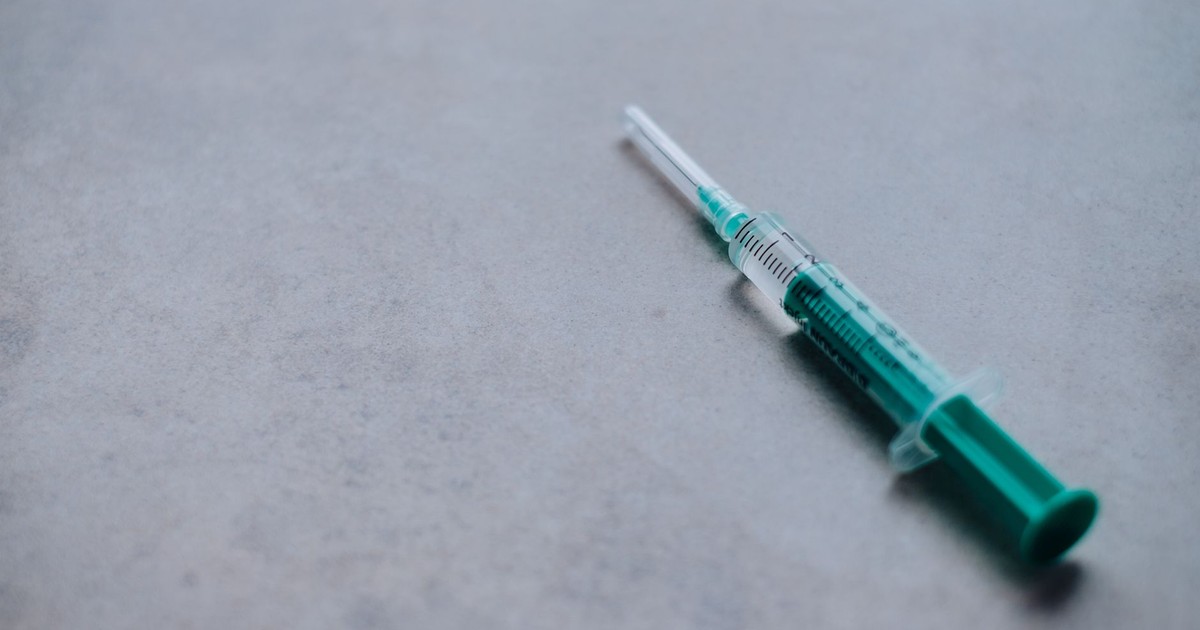
Vaccination is the one intervention that most consistently separates the habits of people trained in infectious disease from the general public. Most of them are vaccinated against everything relevant for their age and health profile, and they update those vaccines on schedule – not just when there’s a major outbreak making news.
Influenza vaccination can prevent medically attended illnesses and serious disease that could result in hospitalization or death, according to 2026 data from the CDC. For COVID-19, updated 2025-2026 vaccines show approximately 50% effectiveness against medically attended infection in adults, which is a meaningful reduction in risk on top of lower rates of serious illness.
The key mindset shift is treating vaccines as a habit rather than a crisis response. Don’t wait to see how bad a flu season is before getting the flu shot. Get it early, every year, before the season starts.
4. Keep Your Hands Away From Your Face

The average adult touches their face somewhere between 15 and 23 times per hour, mostly unconsciously. Each touch is a potential transfer of whatever is on the hands directly to the mucous membranes – the moist linings of the eyes, nose, and mouth – that viruses use to enter the body.
The CDC notes that the principal mode of respiratory virus infection is through respiratory droplets, but hand-to-face transmission is a significant secondary route. Touching your eye after touching a contaminated surface, or rubbing your nose after shaking hands, are among the most reliable ways to give a virus the entry point it needs.
The habit is hard to break precisely because it’s unconscious. A practical approach is to make it a cue-based rule: before touching your face for any reason – adjusting glasses, rubbing an eye, scratching your nose – pause and ask whether your hands have been washed recently.
5. Cover Your Coughs and Sneezes – Every Single Time

The CDC is direct on this: covering coughs and sneezes limits the spread of germs to protect others. The mechanism is simple. A single uncovered sneeze can project droplets up to six feet. In an enclosed space, those droplets linger in the air long enough to reach anyone nearby.
The standard is covering with the inside of the elbow, not the hand. A hand-covered cough or sneeze immediately transfers virus particles to the surface you’re most likely to use next – a door handle, phone, or another person’s hand.
This habit also has a social dimension. Modeling it consistently, especially in workplaces and households, reduces transmission within groups. The more people who cover their coughs and sneezes reliably, the lower the baseline viral load in shared air.
6. Get Moving Consistently – but Don’t Overtrain
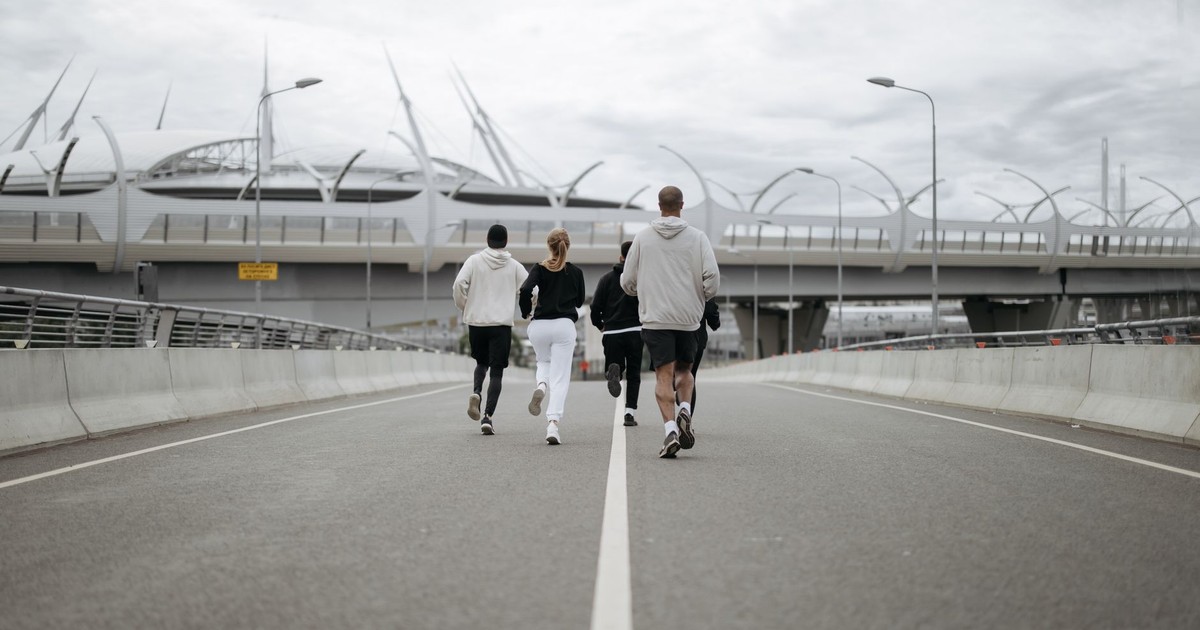
Regular physical activity improves circulation, reduces inflammation, and supports a strong immune system. The research on exercise and immunity is well established: people who exercise at moderate intensity regularly get sick less often and recover faster when they do. A 2025 study confirmed that regular moderate-intensity exercise enhances immune function and reduces infection risk.
The important qualifier here is “moderate intensity.” Prolonged high-intensity training – like marathon training or extreme endurance work without adequate recovery – can temporarily suppress immune function and actually increase susceptibility to upper respiratory infections. The goal is 150 minutes of moderate exercise per week, distributed across the week rather than crammed into one or two sessions.
Walking, cycling, swimming, and light resistance training all count. Consistency over intensity is the rule the evidence consistently supports here.
7. Eat to Support Immunity, Not Just to Feel Full

Nutritional deficiencies blunt both innate and adaptive immune responses to pathogens, according to a 2025 study in Nutrients. The immune system runs on micronutrients, and a diet consistently low in them is essentially running the body’s defense system on a depleted budget. The practical impact is real: people with poor diets get sick more often and take longer to recover.
Taylor Stein, Associate Researcher and Registered Dietitian at the Icahn School of Medicine at Mount Sinai, points to fat-soluble vitamins – A, D, E, and K – as particularly important for different immune functions, noting that the body stores these vitamins in fat tissue and draws on them when fighting infection. Vitamin D is the one most commonly deficient in adults, especially in northern climates during winter months, and it plays a direct role in activating immune cells that fight pathogens.
The practical approach is getting the majority of these nutrients from food: leafy greens, fatty fish, eggs, legumes, nuts, and a broad range of colorful vegetables. If your diet has consistent gaps, a conversation with your doctor about targeted supplementation – especially for vitamin D – is worthwhile.
8. Manage Chronic Stress

Acute stress can briefly enhance immune function, while chronic stress leads to dysregulation and immune suppression. That distinction matters enormously. Short bursts of stress – a tight deadline, a difficult conversation – don’t meaningfully compromise immunity. Months of sustained pressure do.
Chronic stress causes an increase in cortisol levels through the HPA (hypothalamic-pituitary-adrenal) axis, ultimately suppressing the immune response. A 2025 review published in Biology confirmed that cortisol and stress hormones initiate immunosuppressive mechanisms when elevated chronically. Practically, this means that someone who is financially stressed, overworked, or sleep-deprived over a long period is measurably more vulnerable to infection.
Deliberate stress management – whether through exercise, adequate sleep, social connection, or mindfulness-based techniques – directly preserves immune function. You can’t out-supplement a chronically stressed immune system.
9. Wear a Mask When the Risk Is High
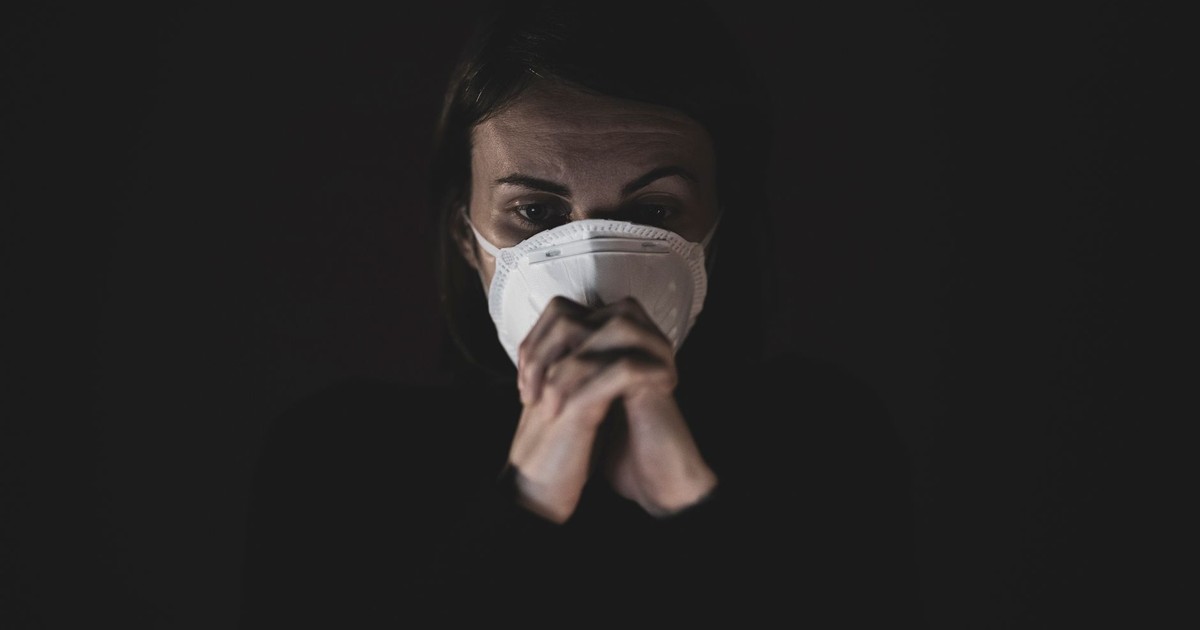
Masking fell out of public conversation after the height of the pandemic, but physicians who work in infectious disease environments have continued using masks in specific circumstances: crowded indoor spaces during active outbreaks, hospitals, planes, and around immunocompromised family members during respiratory virus season.
The CDC recommends masks to reduce virus spread when worn by infected individuals, and to protect wearers from breathing in infectious particles. The degree of protection depends on fit and filtration, with well-fitting N95 or KN95 respirators providing substantially better protection than loose surgical masks or cloth coverings.
Thinking of masking as a situational risk management tool – rather than an all-or-nothing practice – is how the evidence supports using it. A crowded, poorly ventilated room during flu season while immunocompromised family members are at home is a different calculation than a breezy outdoor market.
10. Improve the Air You Breathe Indoors
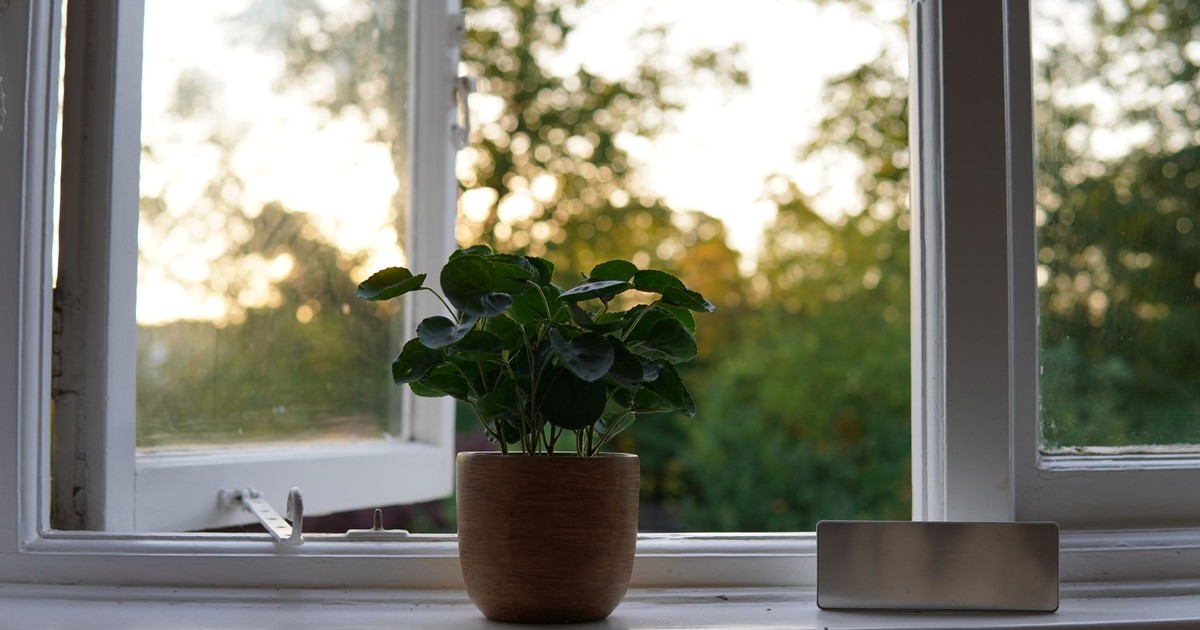
Most people give no thought to the air quality inside their homes or offices, yet most transmission of respiratory viruses happens indoors. A 2025 study in the journal Buildings found that building ventilation and indoor air quality strategies meaningfully reduce airborne disease transmission.
Two practical interventions stand out. First, ventilation: opening windows when weather permits, using bathroom exhaust fans, and running HVAC systems properly circulates air and dilutes viral particles that accumulate in still air. Second, humidity. Engineering guidance published in 2025 recommends maintaining indoor humidity between 40% and 60% – a range that enhances the respiratory tract’s own immune defenses while reducing how long airborne pathogens survive.
Dry winter air, common when heating systems run constantly, drops indoor humidity well below 40% and is one reason respiratory illness peaks in winter. A basic humidifier in the bedroom during cold months is a low-cost intervention with real biological backing.
11. Keep Your Distance When Transmission Risk Is Real

Physical distancing isn’t a pandemic-only practice. A 2021 study found that higher social distancing levels correlate with higher proportions of negative respiratory virus tests – meaning the more physical distance people maintained, the less virus circulated. That relationship holds for ordinary flu and cold season, not just COVID-19.
The practical application is judgment-based: if a colleague comes to work visibly sick and insists on an in-person meeting, requesting a virtual one instead is a reasonable protective choice, not an overreaction. Avoiding crowded indoor spaces during peak respiratory virus season, or keeping distance from someone who is clearly symptomatic, reflects the same logic.
This doesn’t require social withdrawal. It requires calibrating physical proximity based on context – specifically whether the environment is poorly ventilated, how sick the people around you appear, and whether you or someone at home is particularly vulnerable.
12. Practice Food Safety Consistently

Foodborne illness accounts for roughly 48 million illnesses in the United States every year, according to the CDC, and most of it is preventable with consistent kitchen habits. The four core rules are: clean (wash hands and surfaces), separate (raw meat away from ready-to-eat foods), cook (to correct internal temperatures), and chill (refrigerate perishables within two hours). Skipping any one of these is how pathogens like Salmonella, E. coli, and Listeria make their way into the body.
A food thermometer is not excessive – it’s the only reliable way to confirm that the interior of meat has reached a safe temperature. Leftovers left at room temperature for more than two hours are the most common overlooked risk. Refrigerating them promptly, reheating thoroughly, and discarding anything more than four days old eliminates a significant and consistent exposure.
13. Stay Hydrated

Hydration might seem basic compared to masking or vaccination, but the mucous membranes lining the nose and throat are the body’s first physical barrier against inhaled pathogens. When those membranes are dry, they’re less effective at trapping and clearing viruses and bacteria before they can penetrate deeper into the respiratory tract.
As The Hearty Soul’s overview of high cortisol symptoms explains, immune suppression compounds when multiple basic habits slip simultaneously – and hydration is one of the simplest to maintain. Adults should aim for around 2 to 3 liters of fluids daily from all sources, with water as the primary vehicle. Caffeinated drinks and alcohol both promote fluid loss and don’t count toward that total.
In winter especially, when indoor heating lowers ambient humidity and the sensation of thirst diminishes in cold weather, it’s easy to become mildly dehydrated without noticing. A steady intake of water throughout the day keeps mucosal defenses functioning.

Door handles, elevator buttons, touchscreens, handrails, and shared keyboards are among the highest-contact surfaces in daily environments. While CDC guidance confirms that surface transmission carries a relatively low risk compared to respiratory droplet transmission, it’s not zero – and the combination of a contaminated surface and a face-touch is one of the most reliable transmission chains.
Physicians who work in infectious disease settings don’t wipe down every surface they touch. They maintain the habit of hand hygiene after handling high-contact surfaces before any face-touching happens. The key distinction is sequencing: the risk is in the transfer from surface to mucous membrane, not the surface contact itself.
Carrying a small bottle of sanitizer for situations where soap isn’t available covers the gaps in between, with the norovirus caveat in mind.
15. Stay Home When You’re Sick

This one is obvious in principle and routinely ignored in practice. Going to work, attending social events, or using public transport when you have a fever, active cough, or confirmed respiratory illness puts everyone around you at unnecessary risk.
The two most contagious days for most respiratory viruses are typically the day before symptoms begin and the first two days of active symptoms. By the time most people realize they’re sick, they’ve already been contagious for 24 to 48 hours. That reality makes it even more important to stay home and rest the moment symptoms appear rather than trying to push through.
The secondary benefit is recovery time. Rest allows the immune system to redirect resources toward clearing the infection rather than maintaining the energy demands of a workday. People who rest early consistently recover faster than those who try to manage symptoms and continue normal activity.
Read More: 8 of the Best Herbs to Get You Through Flu Season
What This Means for You
Knowing how to avoid getting sick doesn’t require any special equipment or extreme lifestyle changes. Every habit on this list is something a person can start today. The ones that require the most consistency – hand hygiene, sleep, exercise, and diet – also provide the greatest long-term return because they raise the baseline function of the immune system rather than just managing individual exposures.
The most important shift is thinking about infection prevention as a collection of overlapping risk-reduction behaviors rather than a single silver bullet. No one habit stops every illness. But the combination of washing hands properly, sleeping enough, staying vaccinated, managing stress, and improving indoor air quality closes most of the gaps that viruses and bacteria typically exploit. Apply them consistently, and the question of how to avoid getting sick starts to answer itself.
Disclaimer: This information is not intended to be a substitute for professional medical advice, diagnosis, or treatment and is for information only. Always seek the advice of your physician or another qualified health provider with any questions about your medical condition and/or current medication. Do not disregard professional medical advice or delay seeking advice or treatment because of something you have read here.
AI Disclaimer: This article was created with the assistance of AI tools and reviewed by a human editor.
Trending Products

Red Light Therapy for Body, 660nm 8...

M PAIN MANAGEMENT TECHNOLOGIES Red ...

Red Light Therapy for Body, Infrare...

Red Light Therapy Infrared Light Th...

Handheld Red Light Therapy with Sta...

Red Light Therapy Lamp 10-in-1 with...

Red Light Therapy for Face and Body...

Red Light Therapy Belt for Body, In...

Red Light Therapy for Shoulder Pain...
