
On March 2, 2026, YouTube rolled out 30-second unskippable ads exclusively for TV viewers, replacing the previous system of two shorter back-to-back ad breaks with a single, uninterrupted 30-second commercial you cannot skip. The same video plays differently depending on where you watch it. Your phone shows you a shorter ad. Your TV now shows you the full broadcast-length version, with no skip button.
Five specific changes to the YouTube TV and smartphone experience – ads you can’t escape, eye strain you’re accelerating, sleep disruption you’re compounding, and algorithmic control you can’t override on TV – add up to a viewing environment that has been quietly redesigned in ways most people haven’t noticed yet.
YouTube reports approximately 2.7 billion monthly active users globally, with more than 122 million visiting daily. The platform is genuinely useful. The TV and smartphone apps have been quietly redesigned, in a dozen small ways, to extract more watch time, more ad exposure, and more subscription pressure from you. Five specific dimensions explain how.
1. TV Viewers Are Now Stuck With 30-Second Unskippable Ads
YouTube’s new format, called VRC Non-Skip (Video Reach Campaign), is designed specifically to run on Connected TV devices – smart TVs, Roku, Fire TV, Apple TV, and Chromecast. This format replaces what previously appeared on TV screens: two consecutive 15-second ads. The total forced viewinmg time is the same, but there’s a key difference. Two 15-second ads meant two chances to walk away and come back having missed most of it. One 30-second uninterrupted spot is optimized to hold your attention from start to finish.
YouTube is also testing 60-second unskippable spots in select markets, with its systems dynamically picking between 6, 15, 30, and 60-second formats depending on the content and the advertiser. If that expansion happens, TV viewers could face commercial breaks longer than those on traditional broadcast television – from a platform people originally chose specifically because it wasn’t traditional broadcast television.
On phones or laptops, Google’s AI switches to shorter formats – 6-second bumper ads or 15-second ads – while the 30-second format stays exclusive to connected TVs. Google frames the change as a benefit for advertisers, allowing them to reach viewers in what it calls a “relaxed, living-room setting.” TV is now the worst device for ad exposure on YouTube. The introduction of these longer unskippable ads has drawn mixed reactions from users, with some seeing it as an aggressive push toward YouTube Premium or its cheaper alternative, YouTube Premium Lite.
If you’re not subscribing and not switching devices, your practical move is to stop watching YouTube through the TV app and open a browser on a laptop or desktop instead. The ad formats are shorter, and browser-based viewing gives you tools the TV app simply doesn’t have.
2. Ad Blocking Is Nearly Impossible on TV and Difficult on Mobile
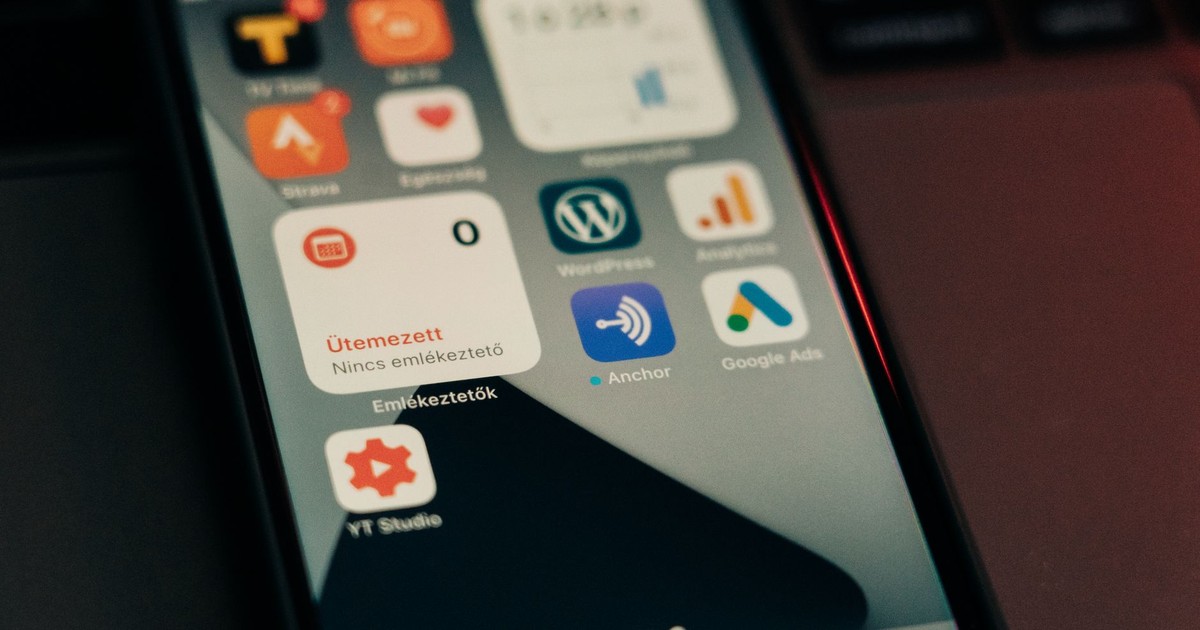
On a desktop or laptop, browser extensions can intercept ads before they load. uBlock Origin is a free, open-source extension that blocks ads on YouTube and across the web, available for Firefox, Edge, Opera, and Chrome via uBlock Origin Lite. As of 2026, the full version of uBlock Origin is available for Firefox and Brave, giving desktop users a legitimate, free way to watch YouTube with significantly fewer interruptions.
Most mobile ad blockers cannot control the official YouTube app because Apple and Google lock down app-level network traffic, and smart TVs represent the hardest environment because you cannot install standard browser extensions on them. With YouTube cracking down on ad-blockers across webOS, Tizen, and Android TV interfaces, the choice for viewers is increasingly becoming binary: accept the longer commercial breaks or subscribe to a paid tier. There’s no extension to install, no filter list to update, and no way to intercept the ad call before the video loads.
Ad-blocking tools are far less common on TVs. While many users rely on browser extensions or apps to block ads on laptops and smartphones, similar options are much harder to use on smart TVs or streaming devices. When ad-blocking is technically feasible, Google has to compete for your attention against the option of simply not showing you ads. On TV, that competitive pressure disappears entirely. Unless you’re a YouTube Premium subscriber, sitting through the full 30 seconds is becoming the new standard for TV viewing.
Browser-based desktop viewing on Firefox with uBlock Origin installed remains the most effective free approach for reducing ad exposure. Premium is the only method that works across all devices, including TV.
3. Smartphone Screens Are Accelerating Eye Strain
The average adult in 2026 spends over 10 hours daily staring at digital screens – and a significant portion of that time is YouTube. Mobile devices account for more than 70% of total YouTube watch time globally, which means most people are watching on the device with the smallest screen, held closest to their face.
The American Optometric Association reports that 75% of people working on computers report experiencing symptoms of computer vision syndrome (CVS), especially people with uncorrected visual impairments. CVS is the catch-all term for the cluster of eye problems that come from extended screen use, including dry eyes, blurred vision, and headaches. A landmark meta-analysis of 103 studies encompassing 66,577 participants found a pooled prevalence of 66% for digital eye strain among device users globally.
Viewing distance matters enormously here. A TV watched from the couch keeps the screen at roughly 8-10 feet away. A phone screen watched in bed sits 10-14 inches from your eyes. Sustained focus at close range forces the eye’s focusing muscles (the ciliary muscles) to work continuously without rest – something they weren’t designed to do for hours at a time. The American Optometric Association recommends following the 20-20-20 rule and taking at least 15 minutes of rest after each continuous two hours of computer work. That rule is essentially impossible to stick to when you’re watching YouTube on a phone in a dark room.
If smartphone viewing is unavoidable, mounting your phone on a stand and watching from desk distance (roughly arm’s length, 18-24 inches) meaningfully reduces the ciliary muscle load compared to holding it directly in your hands. You can also explore additional eye health guidance if you’re already noticing changes in near vision.
4. How Evening Screens Disrupt Sleep
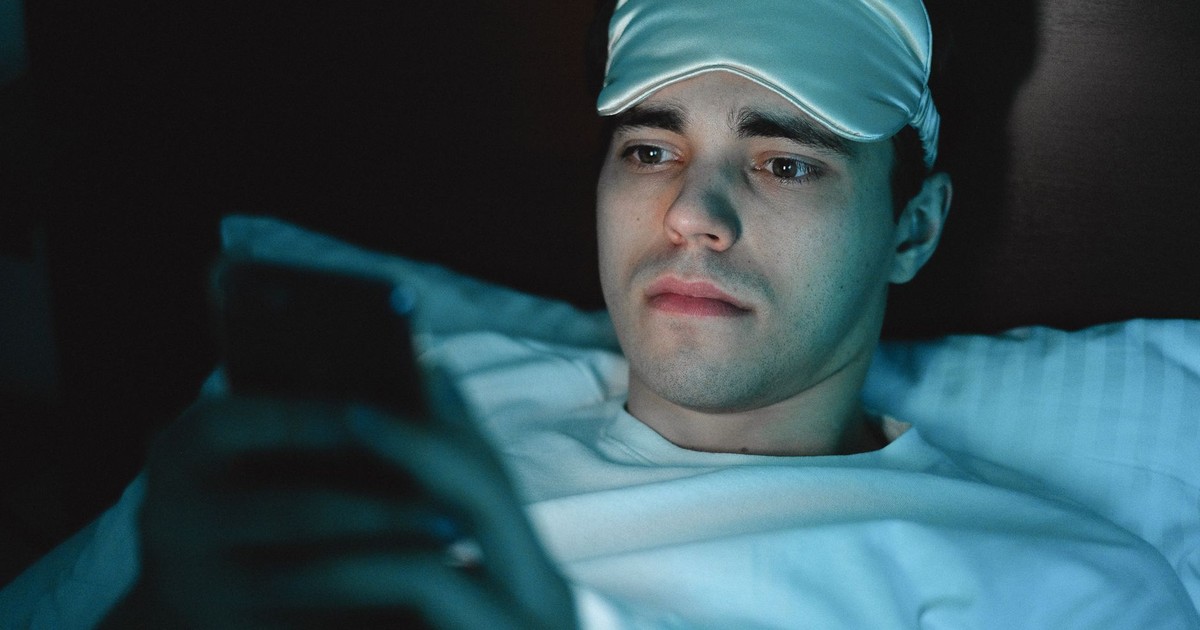
Evening exposure to LED-backlit computers and self-luminous personal devices such as tablets can suppress and delay melatonin secretion, decrease sleepiness, prolong sleep initiation, and worsen sleep quality, according to a systematic review published in SLEEP Advances. Melatonin is the hormone that signals to your brain that it’s time to sleep. When screens suppress it, your body clock shifts later – you fall asleep later, but your morning alarm doesn’t move, so you get less sleep overall.
Studies of college students have consistently demonstrated that blue light in the evenings causes both a reduction in melatonin levels and a phase delay in normal secretion patterns. Following a two-hour exposure to an LED tablet, students exhibited a 55% decrease in melatonin and an average melatonin onset delay of 1.5 hours](https://www.chronobiologyinmedicine.org/journal/view.php?number=167) compared to reading a printed book under low light. A 1.5-hour delay in melatonin onset means someone who would naturally feel sleepy at 10:30 p.m. now doesn’t feel that pull until midnight.
A study published in JAMA Network Open found that compared with people who avoided screens before bed, nightly screen users had a 33% higher rate of poor sleep quality and slept about 50 minutes less each week. For teenagers with heavy daily screen use, the numbers are starker: among teens with 4 or more hours of daily non-schoolwork screen time, 59.9% reported being infrequently well-rested, according to CDC data from the National Health Interview Survey-Teen (2021 – 2023). The TV, in this specific context, is actually somewhat better than the phone – larger distance from the screen means lower blue light intensity reaching the eye. Neither device is ideal, though. The practical ceiling here is stopping screens of any kind at least 60 minutes before bed.
Read More: Consistently Awake at 2 or 3 AM? Experts Warn It Could Be a Health Red Flag
5. The Platform Controls Your Attention in Ways the Browser Doesn’t

TV and smartphone apps are designed around a single goal: keeping you watching. There’s no other application open. There’s no visible clock. The autoplay queue loads the next video before the current one has fully ended. Every recommendation is algorithm-selected for engagement, not for what you actually came to watch. On a desktop browser, you can have a work document open alongside YouTube, check the time in the corner of your screen, and use a browser extension to hide the recommendation sidebar entirely.
Research from the American Psychological Association shows that every time people switch tasks, they lose 5%-15% of their mental efficiency. The TV app and smartphone app are built to prevent you from switching tasks at all – the interface friction of exiting to do something else is intentionally higher than just staying in the app. On a browser, multitasking is frictionless. Picture-in-picture, split screen, and tabbed browsing all mean you can have YouTube running without surrendering your entire attention span to it.
The recommendation algorithm is also harder to escape on a TV. You can’t install extensions that hide YouTube Shorts, suppress suggested videos, or restore the dislike count – a useful signal for video quality that YouTube removed from public view in November 2021. On a desktop browser, all of these are one extension install away. The TV app offers none of them. You watch what the algorithm wants to show you next, or you stop watching entirely.
What to Do Now
The core problem with YouTube isn’t that the platform is malicious – it’s that the experience has been quietly redesigned to benefit advertisers and Google’s subscription revenue over the viewer’s time and health. The most effective response is also the simplest one: move YouTube to a desktop or laptop browser whenever possible, install a working ad blocker on Firefox or Brave, and treat the TV and smartphone apps as convenience tools for occasional use rather than primary viewing environments.
For evening viewing specifically, a 60-minute screen-free buffer before bed is the single change with the most consistent evidence behind it. Evening exposure to blue light suppresses melatonin, delays circadian phase, and prolongs sleep onset latency – and that’s true whether the screen is a phone, a tablet, or a TV across the room. If watching closer to bedtime is unavoidable, enabling the device’s night mode or “warm color” setting reduces blue light output enough to partially mitigate the effect, though it doesn’t eliminate it.
YouTube Premium and YouTube Music have together surpassed 125 million subscribers globally, which suggests many viewers have already done the math on their time. If you haven’t, the browser is free, Firefox is free, and uBlock Origin is free. The YouTube on TV experience isn’t.
AI Disclaimer: This article was created with the assistance of AI tools and reviewed by a human editor.
Trending Products

Red Light Therapy for Body, 660nm 8...

M PAIN MANAGEMENT TECHNOLOGIES Red ...

Red Light Therapy for Body, Infrare...

Red Light Therapy Infrared Light Th...

Handheld Red Light Therapy with Sta...

Red Light Therapy Lamp 10-in-1 with...

Red Light Therapy for Face and Body...

Red Light Therapy Belt for Body, In...

Red Light Therapy for Shoulder Pain...
