
At the start of Trump’s second term, mothers were among his more supportive parental voters – 49% approved, 44% disapproved, a net positive of plus 5. Eighteen months later, that number has flipped by 30 points. The data makes that unmistakably clear. The question is why it happened so fast, and what’s driving it.
The July 2026 Echelon Insights Omnibus Survey – conducted among 1,004 likely voters between July 9 and 13 – puts the movement in stark terms. Among mothers, Trump now faces a net negative rating of minus 25, with 37% approving and 62% disapproving. That’s a sharp deterioration from July 2025, when his net rating among mothers stood at minus 15. No single policy announcement caused this. It’s been a steady erosion – one issue piling on top of another – across child care costs, education, health policy, and economic pressure that lands hardest on households where a mother is managing the family’s day-to-day decisions.
The broader parent picture reinforces the trend. Trump’s overall approval in the July 2026 Echelon survey stands at 38%, with 61% disapproving, giving him a net approval rating of minus 23. Among parents of children under 18, it’s somewhat better – but still negative. Approval stands at 44%, with 55% disapproving, a net rating of minus 11. A year ago, parents gave Trump a net positive rating of plus 4, backing him 51% to 47%. The movement since then amounts to a 15-point swing away from the president among parents overall. Among moms against Trump specifically, the story is significantly sharper than even those numbers suggest. Here are five reasons the data looks this way.
1. Moms Started This Term Open to Trump – and Changed Their Minds
At the start of his second term, mothers were narrowly positive toward Trump, with 49% approving and 44% disapproving – a net plus 5. Since then, support has shifted by roughly 30 points into negative territory. That’s not a group that was opposed to him. That’s a group that gave him a chance and then watched what happened.
The scale of that movement, across just 18 months, is the defining feature of this polling story. Presidential approval ratings don’t usually move that dramatically within a single demographic in a single term. Something structural changed, not just the news cycle.
While mothers were never overwhelmingly pro-Trump, their views have grown more unfavorable over time – contributing significantly to the overall decline among parents. The implication for the 2026 midterms is direct. According to Newsweek’s coverage of the Echelon data, Trump’s approval among multiple demographic groups has collapsed in the July 2026 survey. Mothers are among the most moved.
The political weight of that matters beyond the numbers on a page. Women consistently outnumber and outvote men, even in non-presidential election years. The partisan divide between urban and rural voters has widened steadily over the past decade. Mothers – concentrated in suburban and exurban areas that decide House races – represent one of the clearest signals of which way competitive districts are likely to move.
2. Child Care Costs Are Consuming Family Budgets

The single most immediate pressure on mothers with children under 18 is money – specifically, what it costs to keep those children in care while parents work. According to Care.com’s 2026 data, the average parent spends 20% of their household income on child care. That figure alone helps explain the intensity of parental dissatisfaction with an administration that has not addressed the underlying cost structure.
The hardship is not evenly distributed. Research shows 1 in 5 families face child care hardships due to expense. Single mothers experienced the most hardship, with 37% cutting back on care – a figure that reflects the particular financial exposure of households where one income covers everything. And the demand for policy solutions is near-universal among parents: 95% of parents say expanded tax credits for care expenses would help ease the burden, according to the same Care.com data.
The macro-level picture is equally stark. A ReadyNation study finds that the nation’s child care crisis costs $172 billion in lost earnings and productivity annually. That’s not a statistic most mothers need a think tank to tell them about. They experience it directly – in the hours they can’t work, in the career decisions they make around school pickup, in the financial anxiety that shapes how they assess the president’s economic record.
3. Fathers Are Also Turning – But More Slowly
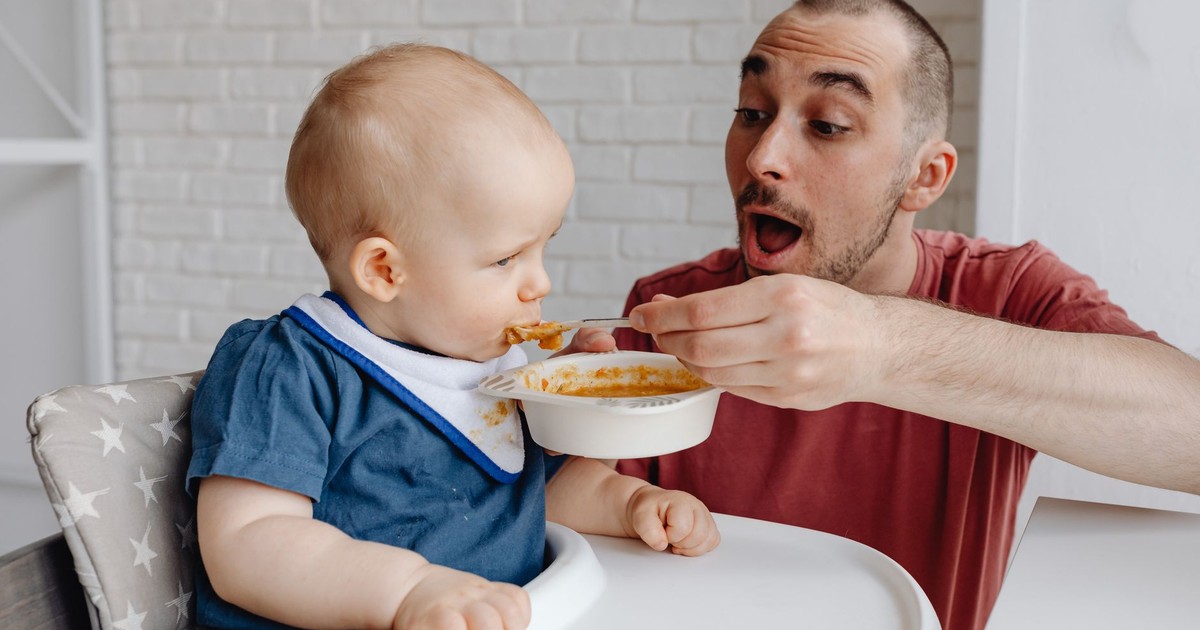
The moms against Trump story is real, but the fathers’ numbers deserve a separate look. They’re moving in the same direction – just from a much higher starting point. The July 2026 poll shows fathers approving of Trump at 38%, while 61% disapprove. For context: in July 2025, fathers held a commanding net approval of plus 29. The movement since then amounts to a 15-point swing away from the president among parents overall.
The speed of that collapse among fathers is arguably the more surprising story in the Echelon data. A net swing of 29 points in 12 months – from plus 29 to deeply negative – doesn’t happen without real policy consequences landing on real families. Economic pressure, inflation, and the cost-of-living environment have clearly eaten into what was once a reliable base of parental support among men.
For a more detailed look at how Trump’s overall approval trajectory has developed across demographics throughout his second term, the full approval rating breakdown published earlier this year sets the context clearly. The parent-specific numbers from July 2026 are the sharpest single-month data yet on where that broader decline is landing.
4. Education Is Shaping How Moms Against Trump Vote in 2026

Child care isn’t the only family-facing policy driving the shift. Education has moved up the priority list for parents heading into the November 2026 midterms. According to 2026 survey data, 54% of registered voters – including 59% of K-12 parents – say education will be an important factor in their midterm vote. Among parents of school-age children, that number represents a near-majority prioritizing a domestic policy issue that sits squarely in mothers’ daily experience.
The connection between education policy and the moms-against-Trump trend is visible at the local level, too. Data from the 19th News shows that women candidates on school boards flipped races in 2025, with 62% of candidates labeled as extremist losing their elections. That pattern of suburban women voting out school board candidates aligned with the administration’s education agenda suggests the movement isn’t just a polling artifact – it’s translating into electoral action.
Mothers in particular tend to be more directly embedded in their children’s school lives – attending meetings, monitoring curriculum changes, navigating policies that affect daily routines. When federal education policy shifts in ways that touch those routines, the political feedback loop is faster than it is for most other voter groups.
5. Health Policy Is Failing to Win Mothers Over

The Trump administration has leaned into a health messaging framework built around the “MAHA” movement – Make America Healthy Again – as a potential bridge to health-conscious parents, including mothers concerned about what their children eat, the safety of vaccines, and the integrity of the food supply. The data suggests this pitch is not landing the way the White House had hoped.
A KFF Health Tracking Poll from 2026 found that overall, about 41% of adults say they are supporters of the MAHA movement – closely tied to partisanship. The movement has not successfully expanded beyond the existing Republican base. Only 38% approve of the administration’s handling of vaccine policy, and fewer than half – 46% – approve of its handling of food policy. Among a voter group as focused on children’s health outcomes as mothers, those approval ratings represent a failure to capitalize on what should have been an area of natural alignment.
Health care costs remain voters’ top health concern heading into the 2026 midterms – outweighing MAHA-specific priorities. Mothers aren’t primarily worried about food dyes and seed oils; they’re worried about what happens when their child gets sick and what it’s going to cost them. An administration that has generated more attention around food policy messaging than around insurance access or prescription costs may be answering questions parents aren’t actually asking.
What This Means for November
The numbers point to a specific political problem for Republicans in 2026. Mothers aren’t an ideologically uniform group – they include conservatives, moderates, and progressives – but their net swing of 30 points away from Trump since January 2025 represents a structural shift, not a blip. Women have consistently outvoted men in every election cycle tracked by the Center for American Women and Politics at Rutgers University, though 2024 did mark a drop in women’s voter turnout from 2020. Their turnout advantage, combined with the scale of the current disapproval gap, makes this a midterm variable that Republican campaign strategists cannot easily offset.
The issues driving the shift aren’t abstract. They’re the daily logistics of raising children in an economy where child care takes 20 cents out of every household dollar, where school board elections have become proxy battles over federal education policy, and where health care costs remain the top concern despite a year of MAHA messaging. Moms against Trump aren’t making a cultural statement – they’re responding to a policy environment that bears directly on how their households function. Between now and November, the question for both parties is whether any of those conditions change enough to move the numbers back.
Disclaimer: This information is not intended to be a substitute for professional financial advice, investment advice, tax advice, or legal advice, and is provided for informational purposes only. Always seek the guidance of a qualified financial advisor, accountant, or other licensed professional regarding your personal financial situation or investment decisions. Do not make financial, investment, or tax decisions based solely on information presented here. Past performance is not indicative of future results, and all investments carry risk, including the potential loss of principal.
AI Disclaimer: This article was created with the assistance of AI tools and reviewed by a human editor.
Read More: Trump’s Forest Logging Plan Could Threaten Drinking Water for 25 Million Americans
Trending Products

Red Light Therapy for Body, 660nm 8...

M PAIN MANAGEMENT TECHNOLOGIES Red ...

Red Light Therapy for Body, Infrare...

Red Light Therapy Infrared Light Th...

Handheld Red Light Therapy with Sta...

Red Light Therapy Lamp 10-in-1 with...

Red Light Therapy for Face and Body...

Red Light Therapy Belt for Body, In...

Red Light Therapy for Shoulder Pain...
