
Every 4.9 seconds, someone in the United States becomes a victim of identity theft. That rate is alarming on its own. But it becomes genuinely urgent when you realize that most Americans who lose their homes, cars, and belongings in a disaster also lose the one thing that could speed their recovery: their documents. No birth certificate means no expedited FEMA application. No insurance policy means no claim. No advance directive means strangers making your medical decisions when you’re unconscious.
The gap between people who recover quickly after a disaster and people who spend months fighting bureaucracy often has nothing to do with the severity of the loss. It has to do with whether they had their emergency preparedness documents organized and accessible before anything went wrong. Most people don’t. Unlike food and water stockpiles, this is something you can sort out in an afternoon.
After an emergency, you may need to survive on your own for several days, and being prepared means having your own food, water, and other supplies ready to go. But the physical supplies only carry you so far. The documents are what carry you through the aftermath – the insurance claims, the medical care, the financial access, the legal decisions. Here are the five emergency preparedness documents that most people forget until it’s too late.
1. Government-Issued Identification
A driver’s license or passport feels so permanent – until a wildfire, flood, or hurricane takes everything in your home. Replacing these documents after a disaster is possible but slow, expensive, and stressful at exactly the moment when you have no time for slow or expensive.
To obtain a certified copy of vital records like birth certificates, you write or go to the vital statistics office in the state or area where the event occurred. The CDC maintains a state-by-state listing of where to get these records for every state. The problem isn’t that replacements don’t exist – it’s that every replacement requires other documents you may also have lost. A birth certificate requires a photo ID. A passport replacement requires a birth certificate. The whole system is circular, which is exactly why having physical copies secured before a disaster matters so much.
If you lost your valid U.S. passport in a natural disaster, you may be able to replace it for free, according to the U.S. Department of State. But that process still requires you to prove who you are. Keeping certified copies of your birth certificate, passport data page, Social Security card, and driver’s license together in a waterproof, fireproof container at home, and scanned digital copies stored securely in the cloud, gives you the starting point you need to rebuild everything else.
For families with children, add copies of custody agreements and any legal name change documents. If you’re a caregiver for an elderly parent, include their identification paperwork in your go-bag as well. When the situation is chaotic, having documentation for everyone in your household – not just yourself – is what prevents a two-day recovery from becoming a two-month ordeal.
2. Insurance Policies and Home Inventory
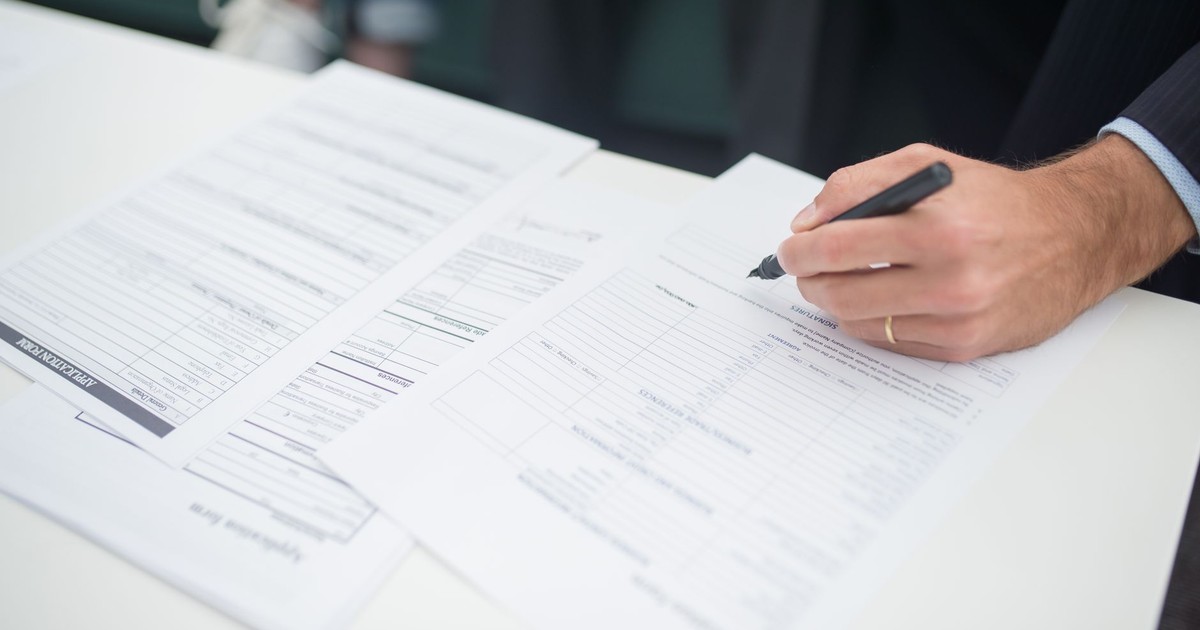
Floods are the most common type of natural disaster in the United States, yet a large share of flood victims file insurance claims with incomplete documentation and end up receiving far less than they’re owed. The issue is rarely the policy itself. It’s the inability to prove what was lost.
FEMA requires disaster survivors to tell the agency about any insurance coverage they have, and to provide proof of an insurance settlement or a letter explaining they were denied coverage before FEMA can determine what assistance they’re eligible for. After your application is submitted, FEMA will usually make a determination within about 30 days of receiving your proof of loss. That 30-day clock, tracked on FEMA’s eligibility guidance page, doesn’t start until you hand over the right paperwork. Every day you spend hunting for a policy number is a day you’re not getting help.
Keep copies of your homeowner’s or renter’s insurance, auto insurance, health insurance, life insurance, and flood insurance (if applicable) in your emergency kit. Pair those policies with a home inventory. That inventory should include the type of item, the original price, the year purchased, and serial numbers for major appliances and electronics. A simple way to create one is to walk through your home room by room and record a video with your smartphone. Upload that video to encrypted cloud storage immediately, and you have a timestamped visual record of your possessions that no adjuster can easily dispute. That recording alone can accelerate your claim and prevent low-ball settlements.
3. Medical Records and Health Information
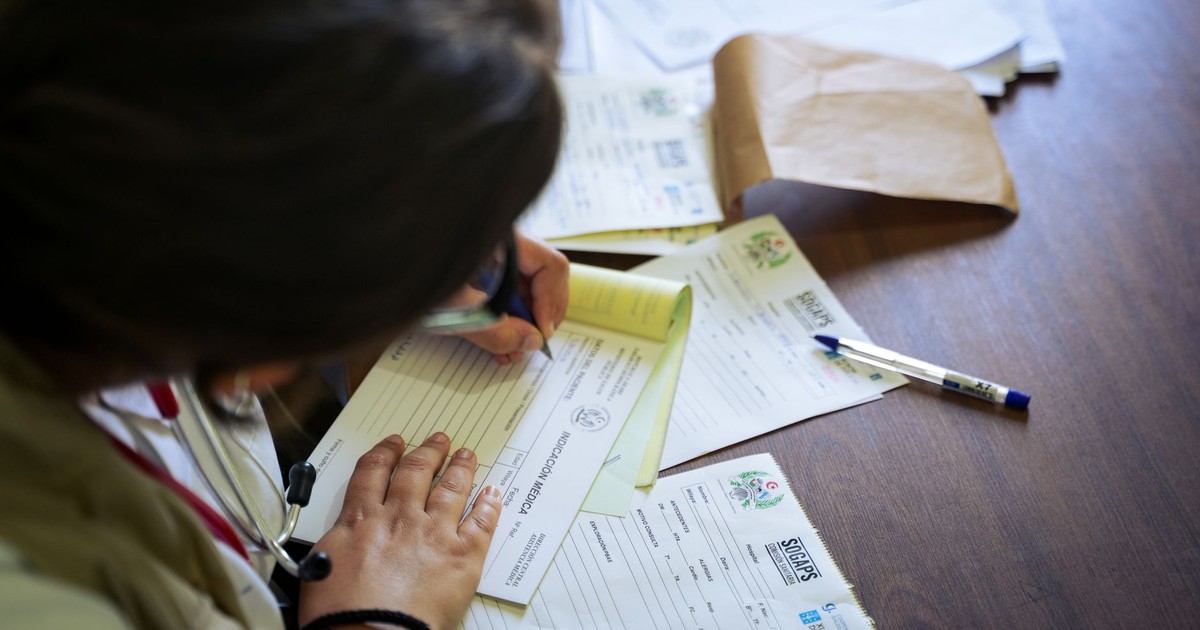
A medical emergency during or after a disaster is not rare – it’s common. Evacuation stress, injuries, exposure to smoke or floodwater, and disrupted medication schedules all create health crises that require fast, accurate treatment. When someone is brought to an emergency room unconscious, the care they receive depends heavily on what medical staff can learn about them in the first few minutes.
First responders can access Medical ID information from iPhone lock screens without requiring the device passcode. Android devices offer a similar feature through the emergency information section of settings. Both allow you to store blood type, current medications, allergies, and emergency contact names – all visible without unlocking the phone. If you carry a smartphone, configure this feature today. It takes about three minutes and could save your life.
Keep a printed summary of your health history as part of your emergency preparedness documents. This should include your primary care physician’s contact information, a current medication list with dosages, known allergies, chronic conditions, recent surgical history, and your health insurance card. Online patient portals offered by healthcare organizations allow secure access to health information and emergency sharing capabilities, meaning you can also grant trusted family members access to your digital health records through platforms like MyChart or your insurer’s app – so someone else can advocate for you even if you’re unable to speak for yourself.
4. Legal Documents and Advance Directives

A will, a power of attorney, and an advance directive are three documents that belong in every adult’s emergency kit regardless of age or health status. An advance directive is a legal document that specifies your medical preferences and designates someone to make healthcare decisions on your behalf if you’re incapacitated. Without it, decisions about your care can fall to whoever is nearby, or get delayed by hospital protocol while family members disagree. A completed advance directive removes ambiguity at the worst possible moment.
A durable power of attorney for finances is equally critical. If you’re hospitalized or evacuated, someone needs the legal authority to pay your bills, manage your bank accounts, and make financial decisions in your name. Without that document, even a spouse may run into legal obstacles. These documents don’t require an expensive attorney to prepare – many states offer free templates through their bar associations – but they do require witnesses or notarization to be legally valid, so complete that step before storing them.
You can find guides for emergency document preparation through resources like ready.gov. Keep originals in a fireproof safe and digital copies in encrypted cloud storage.
5. Financial Account and Access Documents
The FTC received 1,135,270 identity theft reports in 2024 – a 9.5% increase over 2023 – while total fraud losses across all categories hit $12.5 billion, up 25% from the year before. These are consumer-filed reports collected by the FTC’s Consumer Sentinel Network, not survey data. Disasters compound that risk directly: displaced people lose wallets, evacuations cut off financial account access, and the chaos following a major event creates prime conditions for fraud. Having your financial documents organized before any of that happens is the difference between accessing emergency funds within hours and waiting days for a bank to verify who you are.
The Identity Theft Resource Center tracked 3,322 data compromises in 2025, a figure that increased by five percent compared to 2024 and set a new record, surpassing the previous all-time high from 2023. That report, released by the ITRC in January 2026, makes Social Security numbers one of the most sensitive documents to handle carefully – store the original in a secure location, keep only a protected digital copy, and never carry it routinely in a wallet.
Your financial emergency documents should include account numbers and bank contact information for checking and savings accounts, credit card numbers and issuer contact numbers, and the contact information for any investment or retirement accounts. You don’t need to store full passwords in these documents – use a reputable password manager for that – but you do need enough information to prove ownership and regain access if your phone and wallet are both gone. For digital documents, use a cloud storage service that offers AES-256 encryption (the current standard for protecting stored data, recommended for sensitive files). Physical documents belong in a fireproof safe.
Read More: 10 Survival Facts and Warnings Everyone Should Know
What to Do Now

A go-bag without your identification, insurance policies, and medical records is an incomplete go-bag. FEMA recommends a minimum 72-hour supply kit for every household, and your documents belong in that bag just as much as food and water do. Waterproof accordion folders cost under $15 at most office supply stores and hold every document on this list. A small fireproof document safe adds another layer for originals you can’t replace quickly.
Dedicate one afternoon to scanning every document on this list and uploading the files to an encrypted cloud storage service. Give a trusted family member or close friend access to that folder – not because you expect them to need it, but because emergencies rarely give you the chance to explain where everything is. Organizing your emergency preparedness documents takes a few hours. Recovering without them can take months.
Disclaimer: This information is not intended to be a substitute for professional financial advice, investment advice, tax advice, or legal advice, and is provided for informational purposes only. Always seek the guidance of a qualified financial advisor, accountant, or other licensed professional regarding your personal financial situation or investment decisions. Do not make financial, investment, or tax decisions based solely on information presented here. Past performance is not indicative of future results, and all investments carry risk, including the potential loss of principal.
AI Disclaimer: This article was created with the assistance of AI tools and reviewed by a human editor.
Read More: 10 Things You Need to Stop Saying to Yourself About Getting Older
Trending Products

Red Light Therapy for Body, 660nm 8...

M PAIN MANAGEMENT TECHNOLOGIES Red ...

Red Light Therapy for Body, Infrare...

Red Light Therapy Infrared Light Th...

Handheld Red Light Therapy with Sta...

Red Light Therapy Lamp 10-in-1 with...

Red Light Therapy for Face and Body...

Red Light Therapy Belt for Body, In...

Red Light Therapy for Shoulder Pain...
