
The Artemis II mission made headlines around the world when it achieved human spaceflight farther than ever before. As conversations grew online, people kept asking about the salary that the Artemis II astronauts received for the flight, and whether it reflects the scale of what they achieved.
After all, this wasn’t just another space mission. It marked humanity’s return to deep space in a way we haven’t seen since the Apollo era. These astronauts traveled farther than any humans in history, orbiting the Moon and helping pave the way for future missions to Mars. Naturally, many assumed that such a groundbreaking achievement would come with equally extraordinary pay.
While the mission itself broke records, the astronauts’ compensation remained surprisingly grounded. So, how much were they actually paid, and what does that say about how we value some of the most important jobs in the world?
The Artemis II Mission That Changed Space Travel Again
Unlike previous missions that stayed within Earth’s orbit, Artemis II ventured into deep space. The crew traveled beyond the distance reached by the International Space Station and even surpassed many Apollo missions in terms of how far they journeyed from Earth. This alone placed them in a category of exploration that very few humans have ever experienced.
More importantly, Artemis II served as a critical test flight. It was the first crewed mission in NASA’s Artemis program, which aims to establish a long-term human presence on the Moon. This mission wasn’t just about exploration for the sake of discovery. It was about proving that the technology, systems, and human endurance required for future lunar and Mars missions are ready.
The astronauts on board carried an enormous responsibility. Every system they tested, every maneuver they completed, and every observation they made contributed to the future of human spaceflight. In many ways, they were not just passengers, but active participants in shaping the next era of exploration.
At the same time, the risks were very real. Deep space missions expose astronauts to higher levels of radiation, longer communication delays, and increased isolation compared to missions in low Earth orbit. Unlike the International Space Station, there is no quick return option if something goes wrong.
Because of this, many people naturally assumed that such a mission would come with substantial financial compensation. Yet, as the details emerged, the gap between expectation and reality became one of the most talked-about aspects of the mission.
Breaking Down the Artemis II Astronauts’ Salary
Despite the historic nature of Artemis II, the astronauts were not paid anything extraordinary for this specific mission. Instead, they earned a standard government salary, just like other NASA astronauts.
NASA astronauts are federal employees, which means their pay is determined by the United States government’s General Schedule, often referred to as the GS pay scale. Most astronauts fall within the GS-13 to GS-15 range, depending on their experience, qualifications, and time in the role.
In practical terms, this means their annual salaries typically range from around $100,000 to $160,000 or slightly higher. While this is certainly a solid income, it is not dramatically different from other highly skilled professions such as engineering, aviation, or senior-level technical roles.
What surprises many people is that this salary does not change based on the mission. Whether an astronaut is training on Earth, working aboard the International Space Station, or traveling farther than any human in history, their pay structure remains largely the same.
There are also no special bonuses tied to milestone achievements. Artemis II may have broken records and captured global attention, but it did not come with a financial reward beyond the astronauts’ regular salary.
In addition, astronauts do not receive traditional overtime pay or hazard pay for missions like this. Even though the risks are significantly higher than in most jobs, the compensation system does not adjust to reflect that.
Risk, Responsibility, and the Reality of the Job
When people compare astronaut salaries to the risks involved, the contrast can seem unfair. Space travel, especially beyond Earth’s orbit, remains one of the most dangerous endeavors humans can undertake.
For Artemis II, the astronauts faced several key challenges. First, there is the issue of radiation exposure. Outside Earth’s protective magnetosphere, astronauts are exposed to higher levels of cosmic radiation, which can have long-term health effects.

Then the spacecraft is complex itself. While NASA designs its systems with extreme precision and redundancy, no technology is ever completely risk-free. Every launch, maneuver, and re-entry carries a level of uncertainty that astronauts must be prepared to face.
Isolation also plays a role. Deep space missions involve greater distances from Earth, which means longer communication delays and a reduced ability to receive immediate assistance if something goes wrong. This adds both psychological and operational pressure on the crew.
Despite all of this, the compensation structure does not include additional financial incentives tied to these risks. Instead, astronauts accept these challenges as part of the role they signed up for.
This raises an interesting question. Why would highly skilled individuals choose a career that involves such high stakes without the kind of financial rewards seen in other high-risk industries?
Why Astronauts Don’t Do It for the Money
The salaries received by the Artemis II astronauts might seem underwhelming compared to the risks involved. However, most astronauts don’t pursue this career for financial gain. Instead, they are driven by a deep sense of purpose. Many come from backgrounds in science, engineering, or military aviation, where the goal has always been to push boundaries and contribute to something larger than themselves.
Becoming an astronaut is one of the most competitive career paths in the world. Thousands of highly qualified candidates apply, yet only a small handful are selected. In many ways, the “reward” begins long before the mission itself. Being chosen is already considered a once-in-a-lifetime achievement.
Beyond that, the work itself carries a unique kind of fulfillment. Astronauts are not just employees completing tasks. They are explorers, researchers, and representatives of humanity’s curiosity. They contribute to scientific discoveries, test groundbreaking technologies, and help answer questions that affect the future of space travel.
There is also a strong element of legacy. Very few people in history have had the opportunity to travel beyond Earth, let alone orbit the Moon. Artemis II placed its crew in an elite group of individuals whose names will be remembered for generations. That kind of recognition cannot be measured in dollars.
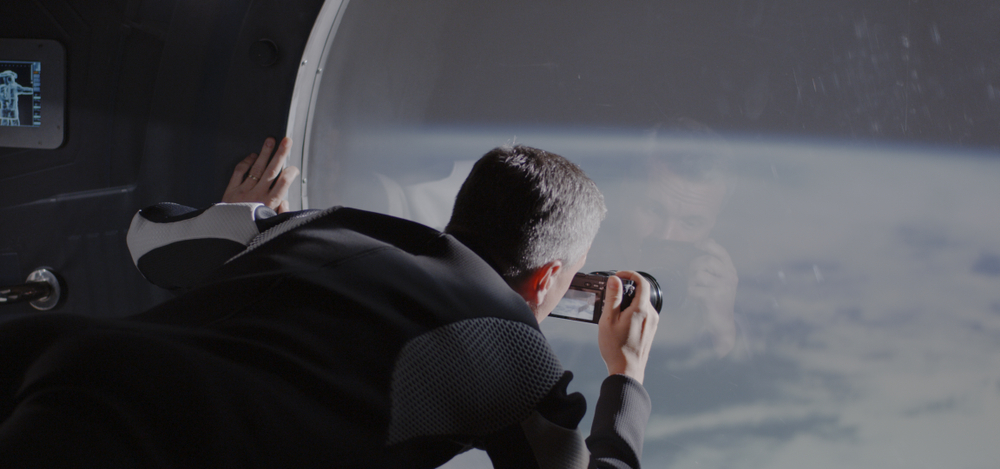
Many astronauts understand that their role comes with long-term opportunities. After their careers at NASA, they often move into leadership roles, consulting, public speaking, or academic positions. These paths can provide financial benefits that go far beyond their initial salary. So while the pay might not reflect the scale of the mission, the overall value of the career extends far beyond a paycheck.
What This Says About How We Value Work
In many industries, higher risk and greater impact often come with higher pay. For example, corporate executives, financial professionals, and tech leaders can earn salaries that far exceed those of astronauts. Yet their work, while important, does not carry the same level of physical risk or historical significance.
This contrast highlights a pattern that exists across multiple professions. Some of the most meaningful and impactful roles are not the highest paid. Teachers shape future generations, healthcare workers save lives, and scientists drive innovation, yet their compensation often does not match their societal importance.
Astronauts fall into this same category. Their work represents the cutting edge of human achievement, but their pay follows a structured government system that prioritizes consistency over performance-based rewards.
At the same time, public perception plays a role. Space missions capture global attention and inspire millions of people. Because of this, many assume that the individuals involved must be highly compensated.
Should Astronauts Be Paid More?
Many people debate whether astronauts should earn more, especially when taking part in missions that push the limits of human exploration.
On one hand, the argument for higher pay seems straightforward. Astronauts face significant risks, spend years in training, and operate in environments where even small mistakes can have serious consequences. In many other fields, jobs with similar levels of responsibility and danger often come with additional financial incentives.
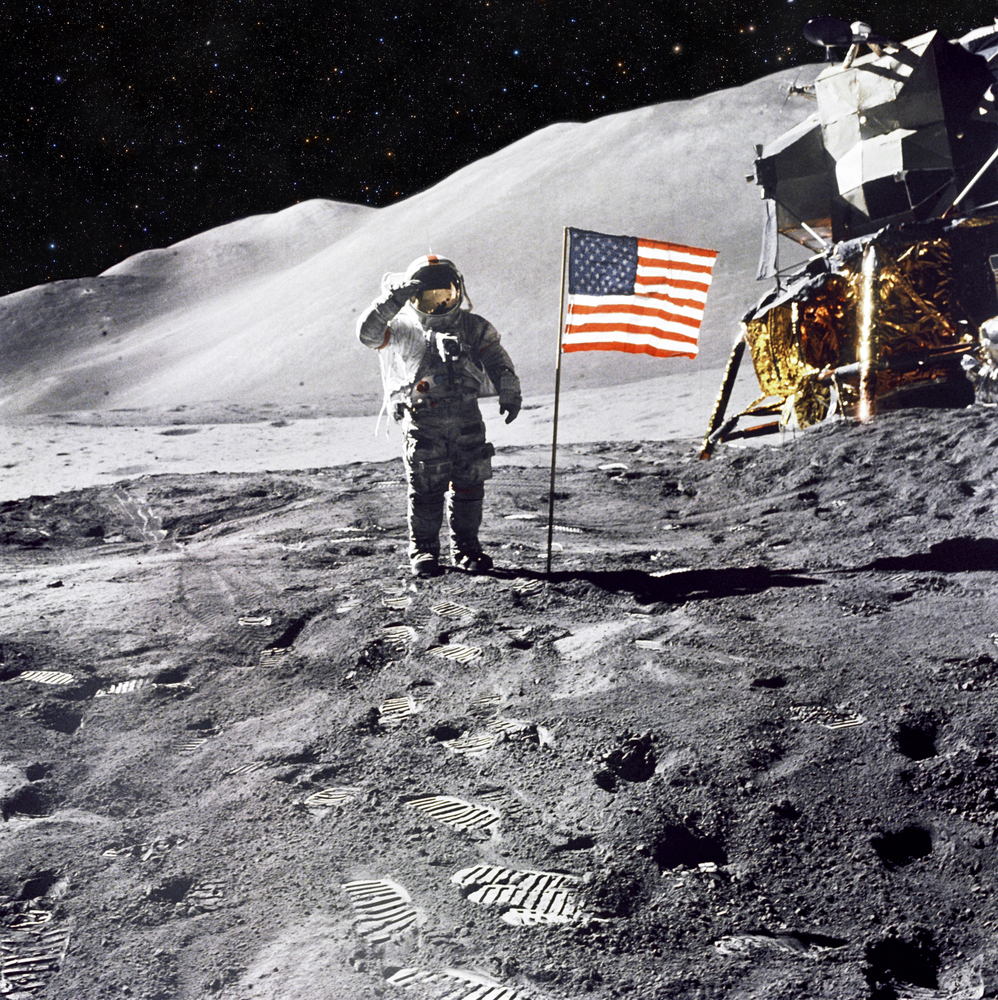
Supporters of this view argue that compensation should reflect not just skill, but also risk and impact. From this perspective, astronauts deserve hazard pay or mission bonuses, especially for historic missions like Artemis II.
On the other hand, there are strong arguments for maintaining the current system. NASA operates as a government agency, which means it follows standardized pay structures designed to ensure fairness and transparency. Introducing performance-based or mission-based pay could create complications, especially in a field where teamwork is essential.
There is also the idea that astronaut roles are fundamentally different from private-sector jobs. They are closer to public service positions, where individuals choose the career because of its purpose rather than its financial rewards. In this context, the current salary structure aligns with the values of the profession.
The rise of private space companies could influence this in the future. As organizations like SpaceX and Blue Origin continue to expand their capabilities, they may introduce different compensation models. If that happens, it could change expectations and potentially lead to changes in how astronaut pay is structured.
For now, though, the Artemis II astronauts’ salary reflects a system that values consistency, service, and long-term contribution over short-term financial incentives.
A Mission Bigger Than Money
When you step back and look at the full picture, it becomes clear that Artemis II was never really about money. This mission marked a turning point in human space exploration. It demonstrated that we are once again capable of sending people beyond Earth’s orbit and set the stage for future missions to the Moon and eventually Mars. The astronauts who took part were not just completing a job. They were helping define the next chapter of human history.
Of course, the discussion around pay is still valid. It highlights important questions about fairness, risk, and how society values different types of work. At the same time, it also reminds us that not all achievements can be measured financially.
The Artemis II astronauts accepted the challenges of their mission, knowing exactly what it involved. They trained for years, prepared for the risks, and stepped into a role that very few people will ever experience. Their motivation went far beyond a salary figure, and shows that while financial reward is important, it is not always the driving force behind the most extraordinary achievements.
As humanity continues to push further into space, that idea will likely remain at the heart of exploration. Some of the greatest milestones are not defined by what they pay, but by what they mean.
Comparing Astronaut Pay to Other High-Skill, High-Risk Careers
To really understand why the salary of the Artemis II astronauts feels surprising, it helps to compare it with other professions that require similar levels of expertise, responsibility, or risk.
Take commercial pilots, for example. Experienced airline captains can earn well over $200,000 per year, depending on the airline and route. While their job certainly carries responsibility, it does not involve the same level of unknown risk as deep space travel. Yet financially, it often exceeds what astronauts earn.

Similarly, professionals in the tech industry, especially those in senior roles, can command salaries and bonuses that far surpass government pay scales. Software engineers, executives, and specialists in artificial intelligence or cybersecurity often earn significant compensation packages, sometimes reaching into the millions when stock options are included.
Even within high-risk professions, the contrast remains noticeable. Certain roles in the oil and gas industry, for instance, offer hazard pay or bonuses to reflect dangerous working conditions. In contrast, astronauts operate in one of the most extreme environments imaginable without those same financial incentives.
This comparison is not meant to diminish any of these professions. Each plays an important role in its respective field. However, it does highlight how compensation is often influenced more by market demand and industry structure than by the actual level of risk or historical significance.
In the case of NASA, the government framework prioritizes stability and fairness. Salaries are standardized, and the focus remains on long-term contribution rather than short-term reward. While this approach ensures consistency, it also means that extraordinary achievements, like those seen in Artemis II, do not translate into extraordinary pay.
The Long Road to Artemis II and What Astronauts Sacrifice
Another factor that often gets overlooked is the journey required to get there. Becoming an astronaut is not just a job application. It is the result of years, and often decades, of preparation.
Most astronauts begin with advanced degrees in fields like engineering, physics, biology, or mathematics. Many also have backgrounds as test pilots or military officers, which adds specialized training and experience. By the time they are selected, they have already invested a significant portion of their lives into their careers.
Once chosen, the training process continues. Astronaut candidates undergo rigorous physical conditioning, technical instruction, and simulations designed to prepare them for a wide range of scenarios. This training can take years before they are even assigned to a mission.
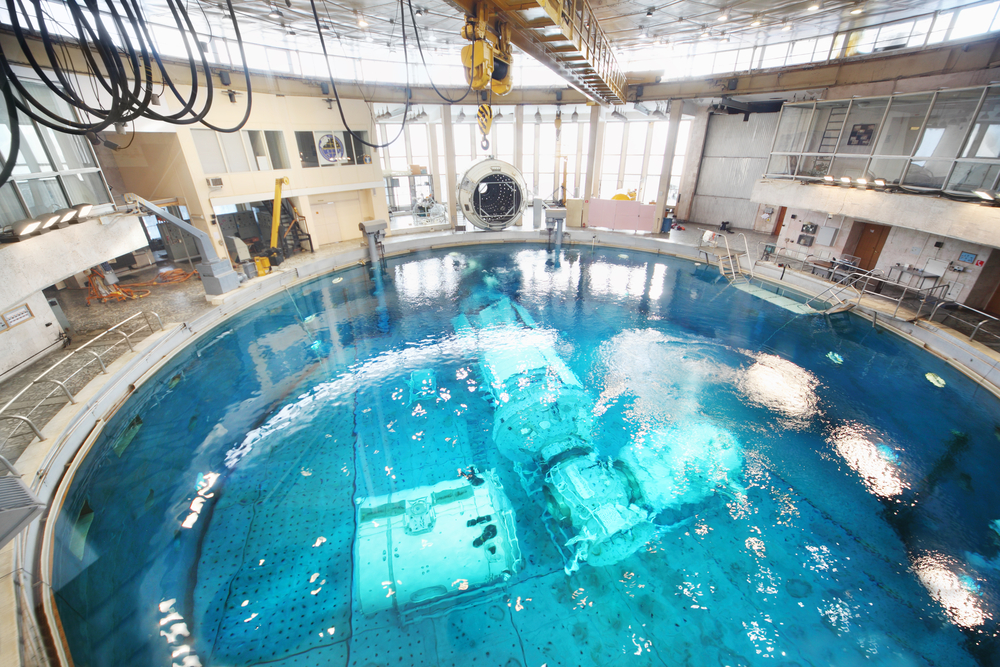
During this time, they often face personal sacrifices. Long hours, extended periods away from family, and the constant pressure to perform at the highest level become part of daily life. The commitment required is not just professional, but deeply personal as well.
When viewed through this lens, the Artemis II mission represents the culmination of a lifelong journey. The salary attached to it is just one small piece of a much larger picture. The real investment lies in the time, effort, and dedication that astronauts bring to their roles.
Read More: Artemis II Crew Captures First Earth Images from Orion Spacecraft – NASA
How Artemis II Could Change Future Expectations
As space exploration becomes more visible and commercially driven, public expectations may begin to change. The rise of private space companies has already introduced new dynamics into the industry. Unlike government agencies, these organizations operate within a market-driven environment, where compensation can be more flexible.
If private missions continue to expand, they may offer higher salaries, bonuses, or performance-based incentives to attract top talent. This could create a new benchmark for what astronauts are paid, especially for high-risk or high-profile missions.
At the same time, increased public interest in space exploration means greater scrutiny. As more people become aware of the realities behind astronaut pay, conversations about fairness and value are likely to continue. This could eventually lead to changes in policy or compensation structures, particularly for missions that carry significant risk or historical importance.
However, any changes would need to balance financial incentives with the collaborative nature of space exploration. Missions like Artemis II rely on teamwork, precision, and shared responsibility. Introducing competitive pay structures could complicate that dynamic.
When Purpose Matters More Than Pay
The Artemis II astronauts’ salary follows a structured system that does not change based on the scale of the mission. Despite traveling farther than any humans before them and playing a key role in the future of space exploration, their compensation remained consistent with standard government pay.
As humanity prepares for even more ambitious missions, including long-term lunar stays and eventual journeys to Mars, these questions will likely become more relevant. The balance between purpose and compensation may evolve, especially as new players enter the space industry.
For now, though, Artemis II stands as a powerful reminder. Some of the most remarkable achievements in human history are not driven by financial gain, but by the desire to explore, discover, and push beyond what we once thought possible.
=A.I. Disclaimer: This article was created with AI assistance and edited by a human for accuracy and clarity.
Read More: 5+ Things Artemis II Found On The Far Side Of The Moon
Trending Products

Red Light Therapy for Body, 660nm 8...

M PAIN MANAGEMENT TECHNOLOGIES Red ...

Red Light Therapy for Body, Infrare...

Red Light Therapy Infrared Light Th...

Handheld Red Light Therapy with Sta...

Red Light Therapy Lamp 10-in-1 with...

Red Light Therapy for Face and Body...

Red Light Therapy Belt for Body, In...

Red Light Therapy for Shoulder Pain...
