
Plant-based meat has moved far beyond the old frozen veggie burger. It now sits in drive-throughs, supermarket chillers, lunchboxes, and weeknight dinners, sold with the language of progress, health, and clean eating. The pitch is polished. Eat this burger, this sausage, this nugget, and the choice will seem smarter than meat by default. But are meat alternatives healthy, or is it all just marketing? Well, some products offer real advantages, including zero cholesterol, useful protein, and a lower burden from red meat. However, others are loaded with sodium, built with refined starches and isolated proteins, and padded with enough saturated fat to dull much of their advantage.
That is where the conversation has changed. The real divide is no longer animal versus plant. It is simple food versus heavily manufactured food. Lentils, beans, tofu, tempeh, and peas stand on one side. Engineered patties, breaded nuggets, fake bacon, and deli slices sit on the other side. Both may be meat-free, yet they do not belong in the same nutritional conversation. The worst meat alternatives are not dangerous because they are made from plants. They disappoint because they borrow the language of health while behaving much more like convenience food.
The first problem is not the plant; it is the processing
The broad label “meat alternative” hides huge nutritional differences. A bowl of lentils is not a breaded vegan nugget. A block of tofu is not a soy burger. The American Heart Association recommends shifting protein choices toward beans, peas, lentils, and nuts. It also emphasizes whole or minimally processed foods. Harvard’s Nutrition Source reaches a similar conclusion on newer burger substitutes. They may beat beef on cholesterol and add some fiber. Even so, they still sit in a processed-food lane. Harvard gives a blunt warning here. Popular imitation burgers are “both higher in sodium.” That short line explains why many shoppers still get misled. Meat-free does not always mean light, clean, or everyday healthy. It can still mean packaged, salted, and highly engineered.
Sodium is often the first red flag. Beyond Burger lists 310 milligrams of sodium per patty. Impossible Beef lists 370 milligrams per 4-ounce serving. A 3-ounce serving of cooked 90 percent lean ground beef contains about 58 milligrams of sodium. That is before a bun, sauces, or seasoning enter the picture. The gap does not automatically make the plant-based option bad. The burger still brings fiber and no cholesterol. Yet it does show how easily a product can look healthier than it is. The American Heart Association recommends no more than 2,300 milligrams of sodium daily. It gives an ideal target of 1,500 milligrams for most adults. A single processed patty can take a notable bite from that budget. So can a salty sauce. So can the bun beside it.
Saturated fat is the second red flag. Many imitation meats use coconut oil or similar fats to create a richer bite. That trick improves mouthfeel, but it can pull the nutrition panel in the wrong direction. Impossible Beef contains 6 grams of saturated fat per 4-ounce serving. Beyond’s newer formula is lower at 2 grams, which is a real improvement. It is not a free pass. The American Heart Association says saturated fat should stay below 6 percent of total calories. That equals about 13 grams a day on a 2,000-calorie diet. Two processed burgers in one day can close that gap quickly. Cheese, spreads, and fries make it easier still. A product can be free of meat and still behave like an indulgence built in a lab.
Processing itself deserves attention because nutrition panels never tell the whole story. In an NIH study led by Kevin Hall, participants on an ultra-processed diet ate about 500 extra calories a day. They also gained weight. The ultra-processed and unprocessed diets were matched for calories, sugar, sodium, fat, fiber, and macronutrients. Plant-based meat was not the trial’s sole focus, so the result should not be stretched carelessly. Still, it gives useful context for this category. The issue is not only grams of protein. It is also texture engineering, speed of eating, and how easy the food is to overconsume. That is why the worst meat alternatives usually look less like beans and tofu. They look more like snack food shaped into dinner. They fit modern life neatly, yet they often weaken the diet they claim to improve.
Plant-based burgers can still be the weakest everyday choice.
Burger-style substitutes are the face of the category, and they deserve credit for some real strengths. They contain no cholesterol and typically supply protein comparable to a meat patty. They also add fiber that beef does not have. Stanford’s SWAP-MEAT trial was led by Christopher Gardner and colleagues. It found lower TMAO, lower LDL cholesterol, and lower weight during the plant phase. That result matters because it shows the products can improve some risk markers in real eating patterns. Yet that does not turn every imitation burger into a health food. Harvard gives a simpler warning here. These burgers are “higher in sodium.” That downside stays front and center in burger products.
The numbers show why. Beyond Burger currently lists 21 grams of protein, 2 grams of saturated fat, and 310 milligrams of sodium. Impossible Beef lists 19 grams of protein, 6 grams of saturated fat, and 370 milligrams of sodium. Those figures look respectable beside a fatty beef burger. In some ways, they are. Yet most people do not compare them with the fattiest burger in the room. They compare them with what they think a healthy lunch should look like. When that is the standard, the bar moves. A processed patty on a refined bun can still land as a salt-heavy meal. Sauces and fries make the problem larger. Marketing language often hides that reality under climate claims and plant imagery. A green package can soften a hard nutrition panel.
The ingredient lists also tell a clearer story than the front label. These burgers usually rely on protein isolates, modified starches, refined oils, flavor systems, and colorants built to mimic meat. That engineering is not automatically dangerous. It simply moves the product away from the foods that public-health guidance keeps praising. The American Heart Association still points consumers toward beans, peas, lentils, nuts, fish, and lean cuts. It also advises minimizing processed forms. When a burger needs a list to imitate beef, it already sits farther from that goal than a bean patty. It is farther still from a tofu bowl or lentil stew. You may still choose it for convenience, taste, or transition. You just should not treat it like the cleanest option in the aisle.
The best way to judge a burger substitute is to ask what job it is doing. If it helps replace beef during a gradual diet shift, it may be useful. If it becomes the foundation of a daily health routine, scrutiny needs to rise. Look first for sodium. Then look at saturated fat. Then check fiber and serving size. Also, judge the meal around it. A burger can be an occasional bridge food and still belong on the worst list for routine use. That is not a contradiction. It is a more mature view of the category. The problem with many plant burgers is not that they are fake. The problem is that people expect them to act like lentils when they still behave like processed patties. That mismatch drives most of the disappointment around them.
Breaded nuggets and faux chicken often drift into junk-food territory.
Breaded plant-based chicken products attract shoppers because they look easy, familiar, and family-friendly. They can also be one of the fastest ways to turn a meat-free meal into a highly processed one. MorningStar Farms Chik’n Nuggets provide 12 grams of protein per 4-nugget serving. That sounds solid at first glance. The same serving also carries 460 milligrams of sodium and 1.5 grams of saturated fat. Impossible Spicy Chicken Nuggets contain 480 milligrams of sodium per serving. Those are not shocking numbers in the frozen-food aisle. That is exactly the problem. These products may compete with animal nuggets. They do not compete well with tofu, edamame, beans, or tempeh when health is the actual target. That trade-off is easy to miss. They are built for convenience first. Nutrition comes second. That alone should temper the health halo.
The breading makes the category harder to defend as an everyday staple. Refined flours and starches help create crunch and hold shape. Added oils improve browning and mouthfeel. Flavor systems make the product feel closer to fried chicken. None of that is surprising, yet it pushes the product closer to snack food. The American Heart Association favors whole foods and minimally processed foods. Breaded imitation chicken sits far from that standard. These products are useful in practical ways. They cook fast. Children often accept them. They can help some families cut back on meat. Those benefits are real. Still, convenience and health are not the same word, even when they appear in the same freezer case. The distinction gets lost in busy households.
The wider science on ultra-processed diets explains why caution is justified. In Kevin Hall’s NIH trial, researchers asked a direct question. Would people eat more on a processed diet than an unprocessed one? “The answer was a definite ‘yes.’” Participants consumed about 500 more calories per day on the ultra-processed diet. They also gained weight. That study did not test vegan nuggets alone. It did not claim that every processed food acts identically. But it does show why foods designed for speed, softness, crunch, and repeat bites deserve more skepticism. A meat-free nugget can remove cholesterol from the equation. It can still encourage the same overeating pattern that makes heavily processed foods hard to manage. That is a poor bargain for food sold as a better choice.
A better replacement depends on what the nuggets were replacing. For quick protein in wraps, rice bowls, salads, or lunchboxes, baked tofu works far better than many people expect. The American Heart Association notes that tofu contains all essential amino acids. It also says tofu is “a good alternative” to animal-derived meat. For shoppers who want a ready-to-eat option, edamame, roasted chickpeas, or lightly seasoned tempeh strips usually work better. They keep the ingredient list shorter. They also keep the meal more honest. The choice does not need to mimic fried chicken to succeed. In health terms, the strongest plant proteins are often the foods that stop pretending to be something else. They ask less from the label and more from the actual ingredients.
Deli slices, bacon, and sausage can turn into sodium traps.
Some of the worst meat alternatives wear a healthier disguise because the portions look small. A few deli slices in a sandwich do not seem dramatic. A couple of breakfast links look light beside a full meat plate. Yet these products can load the meal with sodium quickly. Tofurky deli slices list about 350 milligrams of sodium in a 52-gram serving. Beyond Breakfast Sausage Links list 240 milligrams of sodium and 3 grams of saturated fat in 2 cooked links. MorningStar veggie breakfast sausage links list 330 milligrams of sodium in 2 links. MorningStar bacon strips reach 220 milligrams of sodium in only 2 strips. Those servings are modest, which means the full meal total climbs faster than many shoppers expect. Portion size creates the illusion of control. The math often tells a different story.
This category also creates a false sense of control because the foods are used as add-ons. They go into breakfast sandwiches, grain bowls, wraps, and lunch boxes without drawing much attention. Yet sodium does not care whether it came from a bacon strip or a deli slice. The American Heart Association recommends no more than 2,300 milligrams per day. It gives an ideal goal of 1,500 milligrams for most adults. It also reminds shoppers that most dietary sodium comes from packaged, prepared, and restaurant foods. That warning applies directly here. Once bread, condiments, cheese, crackers, or soup join the same meal, the sodium total can climb fast. Salt stacks fast. The eater may not notice until the day is almost over.
This is where label reading becomes a real skill, not a formality. The American Heart Association gives simple label advice. “Choose foods with a lower % DV” for sodium and saturated fat. It defines that as 5 percent or less. Many deli replacements and breakfast substitutes sit well above that mark for sodium. Their percentages are not outrageous in isolation. Yet they stop looking harmless once several processed items stack together. A cholesterol-free label can distract from that problem. So can a protein claim. The stronger question is whether the product earns its place after the whole meal is assembled. Often, the answer is no. These foods work best as occasional helpers. They make poor daily defaults. That is especially true for people managing blood pressure.
The cleaner alternative is usually less theatrical. A sandwich filled with hummus, beans, chickpeas, or marinated tofu can taste rich without leaning on a cured-meat imitation. Breakfast can pivot toward tofu scramble, edamame, unsweetened soy yogurt, or a bean-and-vegetable wrap. None of those foods promises a fake bacon experience. They offer something better, which is a simpler route to protein with less sodium baggage. The heart-health guidance is consistent here. The American Heart Association keeps steering people toward beans, peas, lentils, tofu, tempeh, nuts, and other plant proteins. Those foods also bring fiber, minerals, and vitamins. That advice may sound less exciting than vegan deli meat. It has held up far better than the marketing language around it.
The healthiest replacements are usually the least dramatic foods.
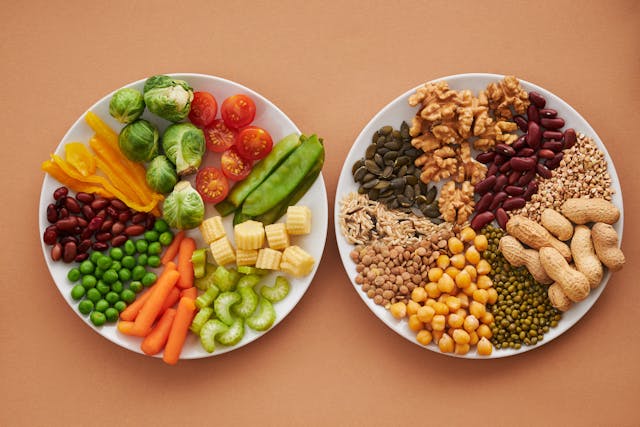
The strongest update since 2016 is that the best substitutes are often the least processed ones. Marco Springmann and colleagues, writing in PNAS, compared 24 meat and milk alternatives across nutrition, health, environmental effects, and cost. Their conclusion was direct. “Unprocessed legumes such as peas and beans were the clear winner.” That line cuts through years of category hype. It also matches everyday nutrition logic. Beans, lentils, peas, tofu, tempeh, and soybeans give protein without asking shoppers to trade one heavily engineered food for another. Processed veggie burgers still offered benefits against animal products in the study. Even so, the simplest foods performed best overall and often cost less. They also leave less room for the false health halo that drives this category.
Lentils show why whole foods keep winning. Harvard notes that 1 cup of cooked lentils provides 18 grams of protein and 15 grams of fiber. It also has virtually no saturated fat. Those numbers change the meal itself, not only the protein source. Fiber supports fullness and cholesterol control. Low saturated fat leaves more room in the daily budget. Beans and peas offer similar advantages. The World Health Organization includes pulses such as lentils, chickpeas, beans, and dried peas in a healthy diet pattern. These foods also tend to be cheap, shelf-stable, and easy to build into soups, stews, salads, curries, tacos, and bowls. That practical strength often gets ignored when headlines stay fixated on imitation burgers. Yet it is one of the biggest reasons these foods work so well in ordinary life.
Tofu and tempeh deserve their own place near the top because they bridge nutrition and convenience. The American Heart Association reports that tofu contains all essential amino acids. It says tofu is a good meat alternative because of its protein content. Harvard nutrition expert Qi Sun went even further. He called tofu “a very healthy food, almost universally” when cooks avoid excess salt, sugar, and saturated fat. A USDA nutrient table lists about 21.76 grams of protein in one-half cup of firm tofu. Tempeh keeps much of soy’s nutritional value with less industrial manipulation than most meat analogues. That makes both foods especially useful for people who want structure, chew, and solid protein. They satisfy without asking the factory to mimic a burger first.
So, are meat alternatives healthy? Some are clearly better than others. The worst meat alternatives usually combine high sodium, notable saturated fat, refined starches, and ultra-processed design. They then invite daily use through health-heavy branding. The best alternatives look far less flashy. They are lentils in soup, chickpeas in wraps, tofu in stir-fries, tempeh in bowls, or beans in tacos. Processed burgers, nuggets, sausage links, and deli slices can still serve a purpose, especially during a transition away from meat. They just should not define the category. If health is the goal, the smartest move is simple. Eat more foods that began life looking like food. Build meals from them often. Use the imitators sparingly. That is the clearest lesson here.
Read More: Doctor Shares Why He Eats This One Food Three Times a Day
Trending Products

Red Light Therapy for Body, 660nm 8...

M PAIN MANAGEMENT TECHNOLOGIES Red ...

Red Light Therapy for Body, Infrare...

Red Light Therapy Infrared Light Th...

Handheld Red Light Therapy with Sta...

Red Light Therapy Lamp 10-in-1 with...

Red Light Therapy for Face and Body...

Red Light Therapy Belt for Body, In...

Red Light Therapy for Shoulder Pain...
