
Every year, I find myself scanning bestseller lists and scrolling through reviews, hoping to discover a book that genuinely changes how I think. I love that feeling of stumbling onto something powerful, yet I’ve learned the hard way that not every wildly popular title delivers on its promise, and I often find these books are overrated. More than once, I’ve finished a celebrated book and wondered why it felt so underwhelming.
When I say overrated, I don’t mean terrible. Many of these books clearly resonate with millions of readers. They spark conversations and build loyal fan bases. However, popularity does not automatically guarantee depth or originality. Sometimes a book rides a wave of clever marketing or perfect timing. Other times, it promises life-changing insight but ends up repeating ideas I’ve heard before.
Let’s take a look at widely discussed titles that many readers consider overhyped bestsellers. You may love them. You may disagree completely. And if you have ever finished a famous book and thought, “Was that it?” you are not alone.
1. The Subtle Art of Not Giving a F*** by Mark Manson
Image credit: Shutterstock.
When I first picked up The Subtle Art of Not Giving a F***, I genuinely expected something bold and different. The title felt rebellious and promised honesty without fluff. I thought I was about to read a self-help book that would finally cut through the clichés.
At first, it felt refreshing. Mark Manson talks openly about failure, discomfort, and the reality that life is not supposed to feel amazing all the time. I appreciated that. The rejection of constant positivity felt grounded and real. But as I kept reading, I realized something. The core ideas weren’t new to me. Choosing your values carefully. Accepting suffering as part of life. Taking responsibility for your reactions. These are powerful concepts, but they’ve existed for centuries in Stoic philosophy.
What changed was the packaging. Instead of ancient texts, I got profanity and punchy anecdotes. That’s not necessarily bad, and it made the material accessible. But, I couldn’t shake the feeling that I was reading familiar wisdom dressed up in a leather jacket. The shock factor stood out more than the substance.
Anti-Self-Help… That’s Still Self-Help

One of the book’s main selling points is that it’s “anti-self-help,” which intrigued me. I expected something radically different from the usual motivational formula. Instead, I found a fairly traditional structure with personal stories and life lessons. The tone was blunt and criticized toxic positivity. But at its core, it still delivers self-improvement guidance. It just does it with sarcasm instead of sunshine.
As I moved through the chapters, I noticed how often the same ideas resurfaced. The message about choosing what matters comes up again and again. Repetition helps drive a point home. Yet at times, it felt like the book could have been tighter.
I didn’t hate reading it, I just expected more depth. When a book positions itself as revolutionary, I expect it to challenge me in new ways. Instead, I felt like I was hearing advice I’d already absorbed from podcasts, blogs, and other personal growth books.
Old Stoic Wisdom With a Modern Twist

Image credit: Shutterstock.
As I reflected on the book, I realized most of what resonated with me came from ideas far older than the author. The acceptance of limits. The focus on internal control. The emphasis on responsibility. These are classic Stoic principles. Again, that doesn’t make the book pointless. In fact, its greatest strength may be accessibility. Not everyone wants to read Marcus Aurelius, so a modern voice can make philosophy feel less intimidating.
However, I personally crave nuance when discussing big topics like suffering, mortality, and meaning. The book touches on these themes while keeping the pace casual and conversational. That tone works for a broad audience, but I sometimes wanted it to go deeper.
There’s also the phrase “not giving a f***.” I understand what Manson means. He’s not advocating indifference; he’s encouraging intentional focus. Even so, the slogan can overshadow the subtlety. I’ve seen people interpret it as detachment rather than discernment. That disconnect made me question whether the branding did more heavy lifting than the philosophy itself.
Relatable, Yes. Revolutionary, Not Quite.

Manson shares embarrassing moments and failures openly. That vulnerability makes the reading experience easy and engaging. But once I finished the book, I struggled to identify anything truly transformative. I didn’t walk away with a new framework or a practical system. I walked away with a mindset reminder. That’s helpful, but it’s not groundbreaking.
For readers who are new to personal development, this book might feel eye-opening. For me, it felt like a polished summary of ideas I already knew. That gap between expectation and delivery is why I personally see it as one of the more overrated books in the self-help space. Of course, your experience may be completely different. That’s the beauty of reading. But sometimes, popular doesn’t automatically mean powerful.
2. Rich Dad Poor Dad by Robert T. Kiyosaki
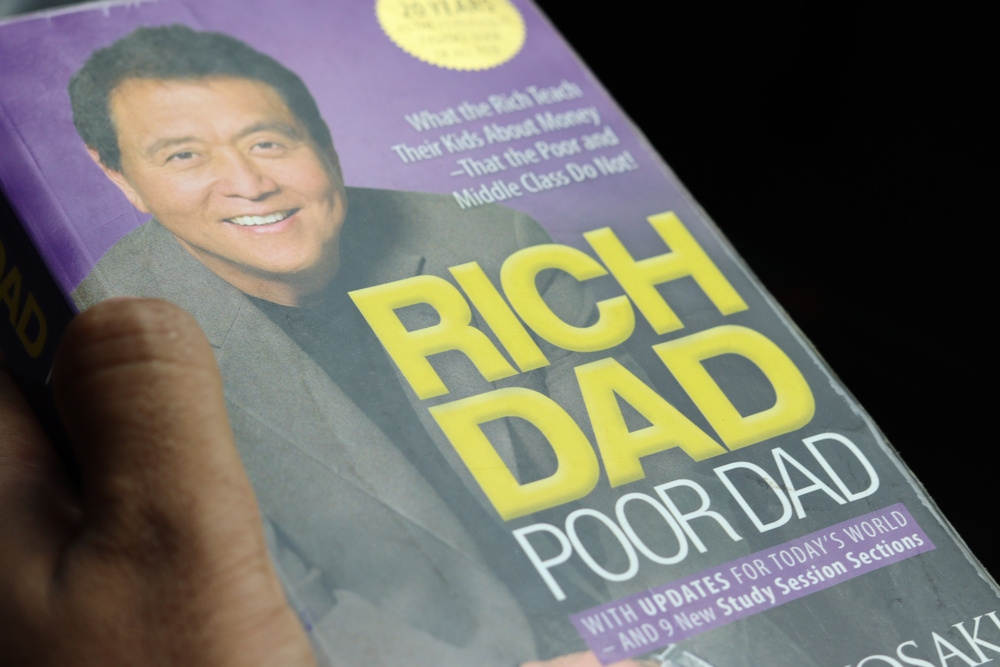
Image credit: Shutterstock.
I can’t count how many times someone has told me that Rich Dad Poor Dad changed the way they see money. It’s often described as a financial awakening. Naturally, I went in expecting clarity, strategy, and practical tools I could actually use.
At first, the book feels empowering. Kiyosaki contrasts his “poor dad,” who values job security and formal education, with his “rich dad,” who teaches him about investing, assets, and financial independence. The core message is simple and appealing: work to build assets, not just earn a paycheck. That idea resonates. It challenges the traditional path of climbing a corporate ladder and encourages financial literacy.
However, as I kept reading, I started noticing how vague much of the advice felt. The book focuses heavily on mindset, but offers surprisingly little step-by-step guidance. It tells you to invest in assets, but doesn’t always explain how beginners should evaluate risk, avoid debt traps, or navigate real-world financial systems. For a book that carries so much influence, I expected more mechanics and fewer motivational slogans.
Inspiration Without Instructions

Image credit: Shutterstock.
One thing that struck me is how story-driven the book is. Kiyosaki shares lessons from his so-called “rich dad,” yet there has been a long-standing debate about whether this mentor was a real individual or a composite character. That uncertainty made me question how much of the narrative is instructional versus symbolic.
Now, storytelling can be powerful and makes financial concepts easier to digest. But I personally wanted more concrete examples grounded in verifiable experiences. When discussing money, especially investing, details matter. Encouraging readers to seek passive income without emphasizing the risks can create unrealistic expectations.
The book also pushes the idea that traditional education fails to teach financial intelligence. I agree that schools often overlook practical money management. However, dismissing conventional career paths entirely feels oversimplified. Not everyone wants to be an entrepreneur. Not everyone thrives in high-risk investments.
The Appeal of the Rebel Narrative

I understand why this book became a phenomenon. It speaks to frustration. Many people feel trapped in cycles of bills, salaries, and limited upward mobility. Kiyosaki taps into that dissatisfaction and offers an alternative mindset that feels liberating.
The problem is that mindset alone does not build wealth. Strategy, research, and discipline do. I finished the book feeling motivated but not necessarily better equipped. The repeated emphasis on buying assets and avoiding liabilities is helpful at a high level. Yet it rarely dives into practical frameworks for beginners navigating modern markets.
Moreover, the tone sometimes frames traditional employment as a kind of failure. That perspective can be discouraging for readers who genuinely enjoy stable careers. Financial independence looks different for everyone. Because of that, I personally see Rich Dad Poor Dad as one of those overrated financial books that spark excitement without delivering enough structure.
Motivation Is Not a Financial Plan

Image credit: Shutterstock.
To be clear, I don’t think the book is useless. It encourages readers to think critically about money and pushes people to question how they define success. That shift in perspective has value. But after closing the final page, I realized I had more mindset shifts than actionable steps. I wanted clearer guidance on budgeting, diversified investing, risk management, and long-term planning. Instead, I got broad encouragement to think differently.
For some readers, that is enough. For me, it wasn’t. When a book earns legendary status in the personal finance world, I expect depth to match the hype. In this case, the inspiration felt stronger than the instruction.
3. The Girl on the Train by Paula Hawkins
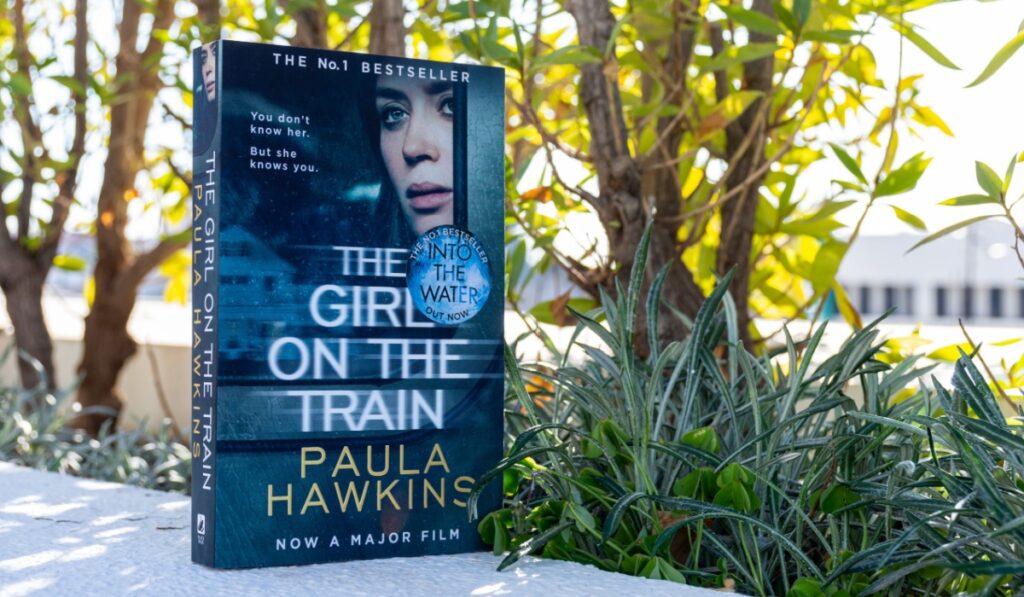
When The Girl on the Train exploded in 2015, people could not stop talking about it. It dominated bestseller lists and was constantly compared to Gone Girl. Reviews said it was gripping, unpredictable, and impossible to put down. Naturally, I expected a psychological thriller that would completely mess with my head.
The story follows Rachel, an unreliable narrator who commutes by train and becomes obsessed with a couple she watches from the window. When the woman she observes goes missing, Rachel gets entangled in the investigation. The concept is strong and plays with perception, memory, and obsession.
However, as I kept reading, I found myself more frustrated than captivated. The multiple narrators and shifting timelines are meant to create suspense. Instead, I often felt disoriented in a way that slowed the story down rather than deepened it. Confusion can be a powerful tool in thrillers. Yet in this case, it sometimes felt repetitive instead of clever. I kept waiting for a twist that would genuinely shock me.
Unreliable or Just Repetitive?

Image credit: Shutterstock.
Rachel’s alcoholism drives much of the narrative tension. Her blackouts make her memory questionable, which fuels the mystery. On paper, that’s an effective device. In practice, I found the repetition draining. We revisit her self-doubt and destructive habits again and again. I understand that this repetition reflects her mental state, but it slowed the pacing for me. Instead of building momentum, the story often circled the same emotional ground. I didn’t feel suspense as much as I felt stuck.
Additionally, the other narrators, Megan and Anna, add perspective but not always depth. Their chapters expand the story, yet I sometimes struggled to connect with them beyond their roles in the plot. In strong psychological thrillers, I usually feel pulled into the characters’ inner worlds. Here, I felt like I was watching events unfold from a distance.
The Hype vs. The Payoff

By the time the mystery began to unravel, I had already guessed several possible outcomes. That doesn’t mean the book lacks tension. It simply didn’t surprise me the way I hoped. When a thriller builds massive anticipation, the ending carries a heavy burden. In my experience, this one didn’t quite meet it.
I also noticed how heavily the marketing leaned on the idea of a “shocking twist.” That promise raises expectations dramatically. When readers approach a novel expecting to be stunned, anything less can feel disappointing.
Atmosphere Over Substance

Image credit: Shutterstock.
To be fair, Hawkins creates a strong atmosphere. The gray London setting, the rhythm of the train commute, and the quiet desperation of the characters give the story a moody tone. But atmosphere alone wasn’t enough for me. I wanted sharper character development and a twist that redefined everything I thought I knew. Instead, I finished the book feeling mildly entertained rather than genuinely stunned.
That doesn’t make it a bad thriller. Many readers loved it, and it clearly resonated with a wide audience. For me, though, it felt like one of those overhyped reads that thrives on momentum more than mastery.
4. Eat, Pray, Love by Elizabeth Gilbert
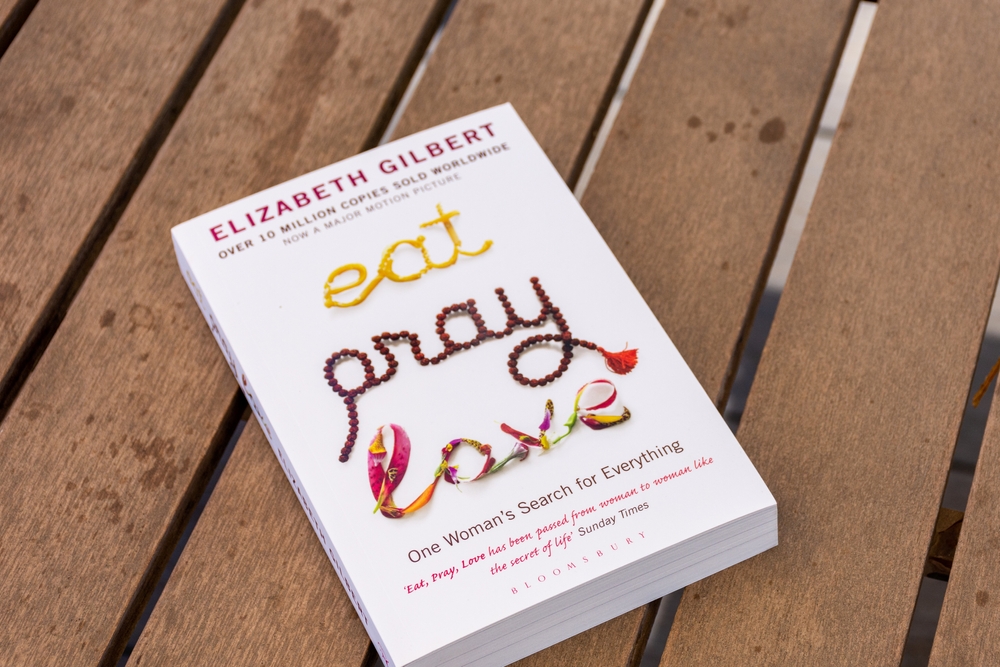
When Eat, Pray, Love became a global sensation, it felt like everyone was suddenly booking flights to “find themselves.” Elizabeth Gilbert’s memoir follows her journey through Italy, India, and Indonesia after a painful divorce. The promise is simple and seductive: leave your old life behind, travel the world, and rediscover who you are.
I went into the book wanting to be inspired and expected deep introspection, emotional honesty, and meaningful transformation. At first, the story feels immersive. Gilbert writes vividly about food in Italy, meditation in India, and romance in Bali. Her descriptions are warm and sensory adn you can almost taste the pasta and feel the stillness of the ashram.
However, as I read further, I started to feel a disconnect. The journey often felt more romanticized than reflective. While Gilbert discusses heartbreak and confusion, many problems seem softened by beautiful scenery and cultural exploration. I kept wondering whether the change came from true inner work or simply a change in environment. I mean, travel can absolutely spark growth, but it usually demands uncomfortable confrontation.
Privilege and Perspective

Image credit: Shutterstock.
One thing I couldn’t ignore was the financial reality behind the story. Traveling across three countries for a year requires resources. Gilbert was able to step away from her life and devote herself entirely to healing. That freedom is powerful, but it’s not universally accessible.
I found myself thinking about readers who might interpret the story as a blueprint for personal transformation. The idea that you can solve emotional turmoil by relocating feels appealing. Yet for many people, real change must happen within the constraints of everyday life.
The memoir does acknowledge struggle. Gilbert wrestles with loneliness, guilt, and spiritual doubt. However, the safety net beneath the journey remains visible. That awareness made it harder for me to fully immerse myself in the narrative. Instead of feeling universally relatable, parts of the story felt aspirational in a way that bordered on escapist fantasy.
Spiritual Depth or Surface Exploration?

Image credit: Shutterstock.
The middle section of the book focuses heavily on spirituality in India. Gilbert describes her time in an ashram and her attempts to quiet her restless mind. I appreciated her honesty about struggling with meditation, and she does not present herself as instantly enlightened.
Still, I sometimes wished the spiritual exploration went deeper. The reflections often circle personal fulfillment rather than broader philosophical inquiry. The insights feel personal, but not always transformative for the reader.
The final section, where she travels to Bali, shifts toward balance and romance. While the love story adds warmth, it also ties up the journey in a neat arc, but I feel life rarely resolves so cleanly. That conclusion made the entire experience feel slightly packaged.
Beautifully Written, But Overpraised

Image credit: Shutterstock.
To be fair, Gilbert writes beautifully. Her prose flows easily, and the humor and vulnerability make the book readable and inviting. I understand why it resonated with millions of people, especially readers craving permission to prioritize themselves. Yet when I closed the book, I didn’t feel profoundly changed. I felt entertained and mildly inspired. That’s not a bad outcome, it just didn’t match the life-altering reputation that surrounded it.
Read More: Scam Alert: 20+ Area Codes You Might Want to Ignore
It’s Okay If the Bestseller Didn’t Change Your Life

Image credit: Shutterstock.
You don’t have to pretend a bestseller changed your life if it didn’t. And you definitely don’t have to push through 300 pages out of guilt just because everyone else calls it a masterpiece. Some of these books have sold millions of copies. They’ve inspired movies, movements, and endless online quotes. Clearly, they’ve meant something to a lot of people, but that doesn’t mean they have to mean something to you.
Calling certain books overrated doesn’t mean they’re worthless. It simply means the hype felt bigger than the impact, at least for me. And that gap between expectation and experience is worth talking about. Conversations about overhyped novels and overpraised nonfiction remind us that taste is personal. What moves one reader may leave another completely cold.
So here’s my honest advice: read what genuinely interests you. Trust your instincts more than bestseller lists. The best reading experiences often come from unexpected places, not from the top recommendations. In the end, the only thing worse than reading an overrated book is forcing yourself to finish one you’re not enjoying.
A.I. Disclaimer: This article was created with AI assistance and edited by a human for accuracy and clarity.
Read More: 15 Ridiculous Ways Intelligent People Throw Their Money Away
Trending Products

Red Light Therapy for Body, 660nm 8...

M PAIN MANAGEMENT TECHNOLOGIES Red ...

Red Light Therapy for Body, Infrare...

Red Light Therapy Infrared Light Th...

Handheld Red Light Therapy with Sta...

Red Light Therapy Lamp 10-in-1 with...

Red Light Therapy for Face and Body...

Red Light Therapy Belt for Body, In...

Red Light Therapy for Shoulder Pain...
