
Many health problems start with small clues, yet some symptoms are serious enough to change the next step. This guide covers emergency health signs that doctors treat as red flags, plus early signs of serious illness that still need prompt attention. It is written for curious, everyday readers who want to understand what tends to count as urgent, and why. The first 12 emergency health signs focus on true medical emergencies. These are symptoms linked to conditions that can become life-threatening quickly, such as heart attacks, strokes, aneurysm-related bleeding, severe allergic reactions, sepsis, or uncontrolled bleeding. If these symptoms ever appear in real life, the safest response is usually to seek emergency care immediately, even if uncertainty remains. The next 8 signs highlight problems that may not be instantly life-threatening, yet still deserve the same-day or prompt medical evaluation. These include warning patterns that can signal serious infections, diabetic crises, bowel emergencies, or possible cancer symptoms such as unexplained bleeding or a new lump.
1) Chest pressure, tightness, or pain that lasts more than a few minutes
Chest discomfort is the classic warning sign for heart trouble. Yet it can feel vague and easy to explain away. Some people feel heavy pressure in the centre of the chest. Others feel squeezing, burning, fullness, or a deep ache. The feeling can spread to an arm, the jaw, the neck, or the back. It can also sit in the upper stomach. Nausea, sweating, and light-headedness may appear at the same time. Some people notice sudden breathlessness or unusual fatigue. The CDC explains a common pattern. It says heart attacks often cause “discomfort in the center or left side of the chest.” It also notes the discomfort “lasts for more than a few minutes.” It may also “go away and come back.”
These phrases help because heart symptoms can wax and wane. They can also show up without dramatic pain. Chest pain can still come from reflux or muscle strain. It can come from anxiety, shingles, or a lung infection, too. Even so, new chest pressure deserves respect. Risk is higher with smoking, diabetes, and high blood pressure. High cholesterol, kidney disease, and older age also raise the risk. A strong family history adds risk as well. Women and older adults may have less typical symptoms. They may feel nausea, back pain, or breathlessness first. Some people feel pain mainly in the jaw or back. Others feel pressure plus indigestion. A new pattern during exertion is also important. Pain that appears with stairs can reflect reduced blood flow. Rest that eases the pain can still hide a serious problem.
Do not ignore chest discomfort after cocaine or stimulant use. Those drugs can trigger dangerous artery spasms. Also, pay attention to sudden palpitations with chest pain. They can signal rhythm trouble or poor circulation. If you have a smartwatch ECG, keep the recording. It can help clinicians later. However, a normal watch reading cannot rule out a heart attack. Only medical tests can do that. If you live alone, call a neighbour to unlock the front door. If chest pressure is new or worsening, treat it as urgent. Get emergency care, especially with sweating or shortness of breath. Calling for an ambulance is often safer than driving. Symptoms can worsen quickly, and fainting is possible.
Emergency teams can start checks before the hospital. They can record heart rhythm and give oxygen if needed. While waiting, keep the person still and calm. Loosen tight clothing around the neck and chest. Note the time symptoms began, even if they come and go. Do not eat or drink while you wait. Procedures may be needed soon after arrival. If the person has prescribed nitroglycerin, follow their existing plan. Tell responders how many doses were used. Do not invent new medication plans on the spot. If the person collapses, start CPR right away. Use an AED if one is available. If symptoms stop and return, take that seriously. Intermittent pain can still signal blocked arteries. If you are unsure, choose emergency care and let clinicians decide quickly.
2) Stroke warning signs: face droop, arm weakness, speech trouble

A stroke starts when part of the brain loses blood flow. It can also happen when a brain vessel breaks. The result can be sudden weakness, speech trouble, or vision loss. Many strokes do not cause pain. That is why the FAST check is so useful. The American Stroke Association lists it clearly. “F = Face Drooping” is the first clue. Ask for a smile and look for asymmetry. “A = Arm Weakness” is next. Ask them to raise both arms and watch for drift. “S = Speech Difficulty” follows. Ask them to repeat a simple sentence. Slurred speech, wrong words, or confusion can count. Some people also get sudden numbness on one side. Others lose balance or coordination. Sudden vision changes can happen, too. Symptoms can come and go, which still matters. A brief episode can be a transient ischaemic attack. That episode is still a warning for a bigger stroke.
Stroke can also mimic low blood sugar or a seizure. It can mimic migraine aura or intoxication. Therefore, a quick assessment is safer than guessing. Do not assume a normal smile rules stroke out. Some strokes spare the face but affect the arm or vision. Posterior circulation strokes may cause severe dizziness or double vision. They can also cause sudden vomiting and inability to walk. A new severe headache can suggest bleeding in the brain. That is another reason to call for help immediately. If the person has diabetes, check their glucose if you can do it safely. Low sugar can look like a stroke and needs quick treatment. Still, do not delay emergency care for a glucose check. Avoid letting the person sleep it off. Sudden neurological change is not simple tiredness. At the hospital, imaging and blood tests guide the diagnosis.
Rehabilitation can start early if a stroke is confirmed. Early therapy often improves long-term function. If you can, also write down any recent falls, headaches, or infections. Those details help doctors separate stroke from other emergencies and speed clinical decisions. If FAST signs appear, treat it as a medical emergency. Call emergency services and ask for an ambulance if available. Time matters because treatments have time windows. Hospitals also need scans to exclude bleeding. Note the exact time symptoms started. If you are unsure, use the time you last saw them well.
Keep the person safe and at rest. Do not give food or drink. Swallowing can be unsafe during a stroke. Do not give aspirin unless a clinician instructs it for suspected stroke. Mention blood thinners to responders right away. It changes bleeding risk and medication choices. Keep them warm, because shock and fear can cause chills. Stay with them, since confusion can make them wander. If they vomit, roll them onto their side. If they collapse and do not breathe normally, start CPR. Bring a medicine list and allergies if you can. Even if symptoms fade, seek urgent evaluation. Early care can reduce disability and prevent another event.
3) Sudden “worst-ever” headache: a thunderclap headache

Most headaches are common and not dangerous. A thunderclap headache is different because it starts abruptly. It often peaks within seconds or one minute. People describe it as explosive, shocking, or unbearable. The NHS describes a key pattern for subarachnoid haemorrhage. It calls it “an extremely painful headache that starts suddenly and does not go away.” That description fits the emergency concern. One possible cause is bleeding around the brain. A ruptured aneurysm can trigger that bleeding. Other causes include vessel tears or sudden pressure changes. The risk rises when the headache is new and unusual. It also rises when it follows exertion or straining. Sex, heavy lifting, and coughing can trigger the onset. Neck stiffness can appear soon after the pain starts. Vomiting and light sensitivity can follow. Confusion, fainting, or a seizure can occur.
Weakness or speech trouble can also appear, and then it overlaps with stroke signs. A migraine can be intense, yet it usually has a familiar rhythm for that person. Thunderclap pain feels new, fast, and out of proportion to normal headaches. If the pain starts during exercise, treat it as a higher risk. The same applies if it starts during pregnancy or soon after birth. Severe headache with one droopy eyelid can signal a vascular problem in the neck. Severe headache with weakness can signal bleeding or stroke. If the person has a sudden change in vision, report that immediately. If they cannot tolerate light or sound, report that too. Avoid alcohol and recreational drugs while waiting for help. Avoid extra doses of pain medicines beyond a usual safe dose. Some medicines can increase bleeding risk or hide worsening symptoms. If you have a thermometer, record the fever by the clock.
Also, record blood pressure if you have a cuff. Those numbers help clinicians assess danger. Write down the exact time the headache peaked. Also note any neck pain or rash. Small details often guide the testing plan. If the person had an infection, mention sinus or ear symptoms. If you are alone, call someone to meet the ambulance. A thunderclap headache needs urgent emergency assessment. Do not wait to see if it fades. Do not drive yourself to care if symptoms are severe. Keep the person still and in a comfortable position. Avoid exertion that can raise blood pressure. If vomiting occurs, turn them onto their side. This reduces choking risk. If they become unresponsive, call for help and start CPR if needed. Mention any recent head injury, even a minor fall.
Mention blood thinners as well, since they raise bleeding risk. Fever and a stiff neck can point to meningitis. That condition needs rapid treatment too. Visual loss, weakness, or trouble speaking are key clues. Report them, even if they come and go. At the hospital, clinicians use imaging and exams to rule out bleeding. If tests are normal, that is reassuring. Yet the safe path to reassurance is evaluation. Early diagnosis can prevent deterioration and long-term disability.
4) Severe trouble breathing, gasping, or blue lips

Breathing problems range from mild to life-threatening. The pattern matters more than the label. Severe trouble breathing can look like struggling for each breath. It can look like fast breathing with panic and chest pulling. Some people cannot speak full sentences. Others make noisy wheezing or high-pitched sounds. A person may sit forward to breathe. They may use neck muscles with every breath. Skin colour gives important clues too. Seattle Children’s lists “Lips or face are bluish” as a reason to “Call 911 Now.” Blue or grey colour can signal dangerously low oxygen. Sudden onset is also important. A person who was fine and is now gasping needs urgent help. Causes can include asthma, pneumonia, or heart failure. Severe allergy, choking, or a collapsed lung can also cause it. A blood clot in the lung is another possibility. In children, viral infections and airway swelling are common.
Yet severity still guides the response. Report chest pain, fainting, or confusion right away. Those features raise concern for heart or lung emergencies. If there is swelling of the tongue or throat, suspect anaphylaxis. Use an adrenaline injector if prescribed, and call emergency services. If the person has a pulse oximeter, record the reading. Low numbers support urgency, yet normal numbers do not guarantee safety. Children may show rib retractions, grunting, or head bobbing with breaths. Those signs suggest hard work of breathing. In older adults, sudden breathlessness can be the first heart attack symptom. It can also be the first sign of a lung clot. If coughing brings pink or bloody sputum, mention that immediately. If there was a recent surgery or a long flight, mention that too. Those details help clinicians assess clot risk. Keep pets and crowds away to reduce stress. Stress increases breathing effort and oxygen demand.
The safest response is to get emergency help quickly. Focus on keeping the airway open and the person calm. Sitting upright often improves breathing. Avoid forcing someone flat if they are struggling. Loosen tight clothing and move away from smoke or fumes. If the person has asthma, needing a reliever more often is a warning. A quiet chest can be dangerous, even without wheeze. If they have a prescribed inhaler, help them use it correctly. Do not delay emergency care if breathing stays severe. If choking is suspected and they cannot cough or speak, use choking first aid.
Call for urgent help at the same time. Do not give food, drink, or tablets. Swallowing can be unsafe during severe breathlessness. If the person becomes unresponsive and is not breathing normally, start CPR. Use an AED if available. High fever with fast breathing can suggest pneumonia or sepsis. Breathlessness, worse when lying flat, can suggest heart failure. If the person has oxygen, use it only as prescribed. Tell responders the setting you used. After recovery, ask a clinician about an action plan for episodes. Even when breathing improves, medical assessment is still wise.
5) Anaphylaxis signs: throat swelling, wheeze, hives, collapse

Anaphylaxis is a rapid allergic reaction that can worsen within minutes. It can affect breathing, blood pressure, and the skin. Common triggers include foods, stings, and medicines. Latex can trigger it as well. Symptoms can start with hives, itching, or flushing. Swelling of the lips or tongue can follow. A tight throat, hoarse voice, or wheeze can appear. Some people cough or vomit suddenly. Dizziness and collapse can happen when blood pressure drops. Anaphylaxis can look like severe asthma in some people. That overlap can delay the right treatment. The NHS gives clear instructions for suspected anaphylaxis. It says, “Use an adrenaline auto-injector (such as an EpiPen) if you have one.” It also says, “Call 999 for an ambulance.” Adrenaline is the first-line treatment for this emergency. It can open airways and support blood pressure.
Antihistamines can help with itching, yet they do not treat shock. Some reactions start without hives, which surprises people. Breathing symptoms plus dizziness can still be anaphylaxis. A sense of throat closing is a strong clue. So is a sudden wheeze after a new food or medicine. In children, drooling or refusal to swallow can appear. In adults, sudden, severe abdominal cramps can be the main symptom. If the person has asthma, the risk of a severe reaction can be higher. Tell responders about any asthma attacks and inhaler use. If you have a watch or phone, time the symptoms. Clinicians use timing to judge observation needs. Do not offer food, drink, or oral medicines during breathing trouble. Swallowing can worsen coughing and choking. If the person is pregnant, lying on the left side can help circulation.
If they stop breathing normally, start CPR and continue until help arrives. After recovery, arrange a follow-up with an allergy specialist if possible. Testing can confirm triggers and guide avoidance. Workplaces and schools can also keep an emergency plan on file. If symptoms start after exercise, also consider food-dependent exercise anaphylaxis. Keep used injectors and show them to clinicians for dosing confirmation. Replace expired injectors early, since shortages can sometimes delay safe refills. If anaphylaxis is suspected, act quickly. Use the person’s adrenaline auto-injector immediately if available. Call emergency services straight away.
If a bee sting is visible, remove the stinger carefully. This can limit ongoing venom exposure. Position matters for safety. If they feel faint, lie them flat and raise their legs. If breathing is hard, allow a gentle upright position. Do not let them stand or walk. Collapse can happen suddenly. If you inject through clothing, avoid thick seams. They can block the needle. If symptoms return, a second injector may be needed. Follow device instructions and any clinician plan. After adrenaline, improvement can be rapid, yet observation is still needed. Biphasic reactions can occur hours later. Clinicians may give oxygen, fluids, and other medicines. They may also prescribe injectables for the future. Ask for a written allergy plan and training for close family. Practice reduces hesitation during real emergencies.
6) Uncontrolled bleeding that will not stop with firm pressure

Uncontrolled bleeding is one of the clearest medical emergencies because the danger is simple: the body can only lose so much blood before organs fail. “Uncontrolled” can mean blood that keeps soaking through cloths, blood that spurts or pulses, or bleeding that restarts the moment pressure is released. It can also mean bleeding from a place you cannot compress, such as deep in the abdomen, the chest, or the skull. Internal bleeding may show up as worsening belly pain, a swollen belly, faintness, or confusion. After a serious fall or car crash, bleeding risk stays high even when the skin looks fine. Blood thinners, aspirin-like medicines, and certain clotting disorders can make a smaller injury far more dangerous.
Nosebleeds are common and often harmless, yet a nosebleed that will not slow after firm pressure can become significant, especially in older adults or people on anticoagulants. Bleeding that follows childbirth, surgery, or miscarriage also needs urgent care. Bright red blood with coughing can signal lung bleeding. Large amounts of blood in vomit or stool can signal digestive bleeding. Any bleeding paired with collapse, pale, clammy skin, or a racing heartbeat suggests shock and needs immediate help. If you have a bleeding disorder in the family, take persistent bleeding more seriously, even if the cut is small. Respond with calm, direct actions. Apply firm, continuous pressure with a clean cloth or clothing, and do not keep lifting the cloth to “check” the wound. If blood soaks through, add more layers on top and keep pressing.
If a limb wound is severe, keep the injured area still, and raise it above heart level if that does not worsen pain or suggest a fracture. If there is an embedded object, do not pull it out; instead, press around it and stabilize it in place. Call emergency services early, because time matters when blood loss is ongoing. Watch for shock signs such as confusion, fainting, rapid breathing, or cold, sweaty skin. Lay the person flat, keep them warm, and elevate legs slightly unless there is head, spine, or chest trauma. Do not give food or drink. If bleeding is from the nose, pinch the soft part of the nose for 10 to 15 minutes without release while leaning forward, not back.
If the person becomes unresponsive or stops breathing normally, start CPR. Even if bleeding slows, seek evaluation when the injury was deep, dirty, caused by an animal bite, or occurred while on blood thinners. If direct pressure fails on a limb and bleeding is life-threatening, a commercial tourniquet placed above the wound can save a life, but it should be used only for severe bleeding that you cannot control. Tighten until bleeding stops and note the time it was applied. Do not remove it once applied. If you have hemostatic gauze, pack it into a deep wound and then press firmly. Avoid powders or home “sealing” tricks that can contaminate the wound. In all cases, bring any medication list, especially anticoagulants, to the emergency team.

Blood that appears in vomit or stool is never something to “watch for a week,” because it can reflect active bleeding inside the digestive tract. Vomiting blood may look bright red, or it may look like dark coffee grounds. Coffee-ground material can mean that blood has been sitting in the stomach and partially digested. Black, tarry stools can signal bleeding higher up, because blood turns dark as it passes through the gut. Maroon stools or bright red blood can come from lower sources, but heavy lower bleeding can still be dangerous. People sometimes mistake black stool from iron tablets or bismuth medicines for bleeding, so context matters. Still, when black stool comes with weakness, dizziness, or shortness of breath, bleeding becomes more likely. Ulcers, tears in the esophagus after forceful vomiting, liver disease with enlarged veins, and certain medicines can cause these symptoms.
Alcohol misuse and frequent anti-inflammatory pain relievers can raise ulcer risk. Blood thinners can turn a slow bleed into a fast one. Cancer can also cause bleeding, especially when it is persistent or paired with weight loss. Sudden severe abdominal pain with bleeding raises concern for a perforated ulcer or another surgical emergency. Pay attention to accompanying signs. A racing heartbeat, chest pressure, or new breathlessness can mean blood loss is already stressing the heart. Cold hands, confusion, and decreased urination suggest poor circulation. In people with known cirrhosis, vomiting blood can come from fragile, enlarged veins, and bleeding can escalate quickly. In anyone with recent vomiting from stomach flu, a small tear can occur, yet heavy bleeding is still an emergency. After weight-loss surgery, certain ulcers and internal complications can also bleed.
If you see blood in vomit after taking caustic chemicals, such as strong cleaners, treat it as a poison emergency as well, because burns can worsen rapidly. Treat large amounts of blood, repeated bloody vomit, or black tarry stool with faintness as an emergency. Call emergency services if the person is pale, sweaty, confused, or cannot stand without feeling faint. While waiting, keep them still and seated upright if vomiting is ongoing, or on their side if they are very drowsy. Do not give food, alcohol, or anti-inflammatory medicines. If they take blood thinners, tell responders the exact drug and dose. If you can do it safely, save a photo of the vomit or stool color, because it can help clinicians judge the likely source.
In the hospital, doctors may test blood counts, clotting, and kidney function, then decide on endoscopy or scans. If symptoms are mild, such as a small streak of blood after a single vomit episode, urgent same-day assessment is still wise, especially in older adults. Seek prompt care for ongoing rectal bleeding, because even slow blood loss can lead to anemia, chest strain, and dangerous weakness. If anyone becomes unresponsive, start CPR and call for help immediately. Do not drive yourself if you feel faint, because a collapse can happen without warning. If you are alone, unlock the door and keep your phone nearby.
8) Severe chest pain with sudden shortness of breath, fainting, or coughing blood

Severe chest pain paired with sudden shortness of breath, fainting, or coughing blood is a high-risk combination because it can involve the heart, the lungs, or the main blood vessels. One cause is a pulmonary embolism, a blood clot that travels to the lungs and blocks blood flow. Another is a heart attack. A third is an aortic dissection, where the main artery wall tears. Pneumothorax, a collapsed lung, can also cause sudden, sharp pain and breathlessness. These conditions can look similar at home, so the safest approach is to treat the combination as an emergency. Clot symptoms may start as chest pain that worsens with deep breathing, plus rapid breathing and a fast heart rate. Some people feel intense anxiety or a sense of doom. Fainting can occur if the clot is large and the strain on the heart rises quickly.
Coughing blood is less common, yet it is a warning sign when it happens. Risk rises after long travel, recent surgery, pregnancy, smoking, cancer, and estrogen-containing hormones. Sitting still for many hours can also raise the risk. A recent leg injury, especially with calf pain or swelling, can be a clue. Dissection pain may feel like tearing and can move into the back. It may come with one weak pulse or one-sided neurological symptoms. Collapsed lung pain can be sharp and sudden, sometimes after a cough, and may be more likely in tall, thin people or those with lung disease. Do not assume age protects you. Clots can occur in younger adults, especially after injury, pregnancy, or genetic clotting traits. A deep vein clot in the leg may cause one calf to swell, feel warm, or hurt when walking.
However, some clots cause few leg symptoms and present first as chest symptoms. If the person recently had COVID-19 or another severe infection, the risk of clotting can be higher for a period. The “what to do” is straightforward. Call emergency services and describe the full cluster of symptoms, including any fainting, blood in sputum, or recent surgery. Keep the person at rest, ideally sitting slightly upright, and avoid unnecessary walking. Movement can worsen breathlessness and strain the heart. Loosen tight clothing and keep the room cool. Do not give food or drink. If they take blood thinners or have a clotting history, tell responders.
If you suspect a heart attack because of crushing pressure, sweating, or pain spreading to the arm or jaw, say so, because it can change how teams triage. If you suspect dissection because pain is sudden, severe, and “ripping,” mention that too. If the person becomes confused, collapses, or stops breathing normally, start CPR and use an AED if available. Even if symptoms ease after a few minutes, do not cancel the evaluation. Clots and dissections can worsen in waves. At the hospital, clinicians use ECGs, blood tests, and imaging to find the cause quickly. Early treatment can be lifesaving, whether it is clot-busting drugs, anticoagulation, heart procedures, or chest drainage. If alone, unlock the door and keep the lights on inside.
9) Seizure lasting more than 5 minutes, repeated seizures, or seizure with high-risk factors

A seizure can be frightening to witness, yet many seizures stop on their own within a couple of minutes. The emergency threshold changes when a seizure lasts longer than 5 minutes, when seizures repeat without full recovery, or when the person has special risks such as pregnancy, diabetes, serious injury, or breathing problems. Prolonged seizures can strain the brain and the body. They can also lead to low oxygen, aspiration, dangerous fever, or heart rhythm trouble. Seizures can come from epilepsy, but they can also be triggered by infection, stroke, head injury, alcohol withdrawal, or severe metabolic problems. Low blood sugar is a key example, because it can cause shaking, confusion, and a seizure, and it needs rapid correction. Fever seizures can happen in small children, and most are brief, yet longer seizures still require urgent help.
A first-ever seizure in an adult is also a red flag, because it may reflect a new brain insult. If the person turns blue, stops breathing well, or has repeated vomiting, treat it as a higher risk. If the seizure happens in water, even briefly, there is a drowning risk, and the lungs can be injured. Also watch for severe headache, stiff neck, or a new rash, because infection can be the driver. The safest response is to protect the person and call for help when the pattern is dangerous. Start timing the seizure the moment it begins. Move hard objects away, cushion the head, and loosen tight clothing around the neck. Do not restrain the limbs, and do not put anything in the mouth. People cannot “swallow their tongue,” but they can choke on objects placed in the mouth.
When the jerking stops, roll the person onto their side in the recovery position. This helps keep the airway clear if they vomit. If breathing does not return to normal quickly, call emergency services and begin CPR if needed. Call emergency services immediately if the seizure lasts more than 5 minutes, if a second seizure starts, or if the person is pregnant, has diabetes, is injured, or does not wake up afterward. If you have a glucose meter and it is safe, check blood sugar once the person is stable, but do not delay emergency care.
Afterward, stay nearby, speak calmly, and expect confusion for a while. Write down what you saw, including triggers, movements, and recovery time, because it helps clinicians decide on scans, blood tests, and medication. If the person has prescribed rescue medicine, such as intranasal or buccal benzodiazepines, follow their written plan and tell responders what dose was given. Seek urgent care after any seizure with a serious fall, head strike, or tongue injury with bleeding. In children, urgent evaluation is wise if the child is under 6 months, the seizure is focal on one side, or recovery is unusually slow. Do not give food, water, or pills until the person is awake and swallowing. Do not let them drive afterward, even if they feel fine, because another seizure can occur.
10) Sepsis red flags with infection: confusion, fast breathing, clammy skin, severe pain

Sepsis is an extreme reaction to infection that can injure organs and become life-threatening quickly. The tricky part is that it often starts like an ordinary illness and then shifts. The “red flags” are usually about the whole-body response, not one local symptom. Confusion or new delirium is a major warning sign, especially in older adults. Rapid breathing, severe shivering, and a racing heartbeat can also signal danger. Some people feel the “worst pain” they have ever had, even when the skin looks normal. Skin can become mottled, pale, or clammy. Urine output may drop, which can show up as not peeing for many hours. Fever can be present, but some people become abnormally cold. Sepsis can follow pneumonia, urinary infections, abdominal infections, infected wounds, or even dental infections.
It can also follow viral infections that lead to secondary bacterial disease. People with diabetes, cancer treatment, kidney disease, or weakened immunity have a higher risk. New shortness of breath with an infection should raise concern. So should a rapidly spreading skin infection, especially when the pain feels out of proportion to what you can see. In children, unusual sleepiness, poor feeding, and a weak cry can be warning signs. In any age group, collapse or severe dizziness should be treated seriously. Certain situations deserve extra urgency. Sepsis can develop after childbirth, after miscarriage, or after a procedure such as a catheter insertion. In newborns, poor feeding, low temperature, and limpness can be early danger signs. In adults, a new rash that does not blanch or purple spots can signal severe bloodstream infection.
If someone cannot stay awake, cannot keep fluids down, or is breathing so fast they cannot talk, treat it as an emergency. A home blood pressure cuff showing very low pressure can also be a clue, but do not delay care to measure it. The right response is to act early when red flags appear. If confusion, difficulty breathing, collapse, or mottled skin is present, call emergency services. When speaking to responders, say you are worried about sepsis and describe the infection source if you know it. Time helps doctors because early antibiotics and fluids can reduce complications. While waiting, keep the person warm and lying flat if they feel faint, unless breathing is easier upright. Do not give alcohol or sedating medicines. If the person has diabetes, check glucose if you can do it safely, because an infection can push sugar dangerously high or low.
Gather key information for the hospital, including recent surgeries, immunosuppressant medicines, and any antibiotics taken in the last month. If the person is vomiting or very drowsy, place them on their side to protect the airway. If they stop breathing normally, start CPR. Even if symptoms ease after paracetamol or ibuprofen, do not assume the danger has passed, because fever control can hide worsening circulation. For urgent-but-not-immediate cases, such as persistent high fever with fast breathing but stable alertness, seek same-day medical evaluation and ask specifically about infection severity. Trust your instincts and act.
11) Heat stroke signs: confusion, collapse, very hot skin, seizures

Heat stroke is not the same as ordinary heat exhaustion. Heat exhaustion usually causes heavy sweating, weakness, thirst, and headache, yet the person remains able to think clearly. Heat stroke is an emergency because the body’s cooling system fails and core temperature can rise quickly. The brain and organs do not tolerate that heat for long. Warning signs often include confusion, agitation, slurred speech, stumbling, or collapse. Some people develop seizures. Skin may feel very hot, and sweating can stop, but sweating may still be present in exertional heat stroke. Nausea, vomiting, and a pounding heartbeat are common. The risk rises during heat waves, in poorly ventilated rooms, and after intense exercise. Dehydration, alcohol, and certain medicines can worsen risk, including some antihistamines, diuretics, and stimulants.
Older adults, young children, and people with heart disease are more vulnerable. So are workers in heavy protective clothing, and athletes who push through early symptoms. Heat stroke can also develop inside parked cars, even on mild days, because temperatures rise fast. Anyone found in a hot car and not acting normally should be treated as a medical emergency. The safest response is to call emergency services immediately when confusion, collapse, or seizure appears in the setting of heat. While help is on the way, start rapid cooling. Move the person to shade or an air-conditioned space. Remove excess clothing and loosen tight items. Cool the skin with whatever you have. Use cool water on towels, misting, or a shower. Fan the person to speed evaporation. If there is ice, place cold packs at the neck, armpits, and groin, where large blood vessels sit close to the skin.
If the person is awake and can swallow, offer small sips of cool water, but do not force fluids. Do not give alcohol, energy drinks, or very sugary drinks. If the person is vomiting, drowsy, or confused, avoid giving anything by mouth. Place them on their side if they are very sleepy, and watch their breathing. If they become unresponsive and are not breathing normally, begin CPR. After the emergency, follow-up still matters. Heat stroke can injure the kidneys, liver, heart, and brain, even after someone seems better. A clinician may check blood tests and monitor urine output. For prevention, build a plan for hot days. Check the forecast, pace activity, and schedule heavy work early or late. Drink fluids regularly and add electrolytes during prolonged sweating.
Take breaks in shade, and use light, breathable clothing. Never leave children or pets in a parked vehicle, even “for a minute.” If someone has had heat stroke before, treat future heat exposure as higher risk and discuss medication adjustments with a clinician. If a tub or small pool is available and the person is conscious, cool-water immersion can be the fastest method, but stop if shivering becomes intense. Shivering generates heat, so continued cooling and gentle reassurance are useful. Muscle cramps, headache, and unusual irritability can be early signals to slow down before true heat stroke develops quickly.
12) Possible ectopic pregnancy rupture: severe abdominal pain, shoulder-tip pain, fainting

An ectopic pregnancy happens when a fertilized egg implants outside the uterus, most often in a fallopian tube. A tube cannot stretch as the uterus can, so as the pregnancy grows, it can tear the tissue and cause internal bleeding. This can become life-threatening quickly, which is why certain symptom patterns are treated as emergencies. The most important clue is severe one-sided lower abdominal pain in someone who could be pregnant, even if they have not had a positive test yet. Pain can be sharp, cramping, or constant, and it may come with vaginal bleeding or spotting. Some people feel dizzy, faint, or suddenly weak because their blood pressure is dropping. Shoulder-tip pain is another red flag. It can happen when blood irritates the diaphragm and refers pain to the shoulder. Nausea and vomiting can occur, and some people feel rectal pressure or pain with bowel movements.
Symptoms can start mildly and then escalate, which can create false reassurance at first. Risk rises with a prior ectopic pregnancy, previous tubal surgery, pelvic inflammatory disease, endometriosis, and some fertility treatments. Smoking also increases risk. Having an intrauterine device does not increase overall pregnancy risk, but if pregnancy occurs with an IUD, the chance it is ectopic is higher. However, ectopic pregnancy can happen without any known risk factors, so symptoms matter more than background. A ruptured ectopic pregnancy is an emergency because bleeding is inside the body, not always visible. Someone may look pale and sweaty, with a fast heartbeat, and may feel like they will pass out when standing. The belly can become tender and rigid. In severe cases, collapse can happen.
If these symptoms occur, the safest response is to seek emergency care immediately. Call emergency services if there is fainting, severe pain, or signs of shock. Do not drive yourself if you feel dizzy. Lie down, keep warm, and avoid eating or drinking while waiting, because surgery or anesthesia may be needed quickly. If there is heavy vaginal bleeding, use pads rather than tampons, so clinicians can better assess blood loss. If you have a pregnancy test at home and can do it safely, a positive result can be helpful information, but do not delay emergency care to test. If the person is unconscious or not breathing normally, start CPR and call for help.
At the hospital, clinicians usually confirm pregnancy with a blood test and use an ultrasound to locate it. Treatment depends on stability and findings. Some ectopic pregnancies can be treated with medicine when found early. Others require surgery, especially if rupture is suspected. Prompt care can save lives and preserve future fertility. After treatment, follow-up blood tests may be needed to ensure pregnancy hormone levels fall. Emotional support also matters because the experience can be traumatic and sudden. If someone has had an ectopic pregnancy before, they should seek early medical confirmation of pregnancy location in future pregnancies, even if they feel well. If pain returns after seeming to ease, treat it as urgent and reassess immediately.
13) New confusion, severe drowsiness, or sudden behavior change

A sudden change in thinking or behavior can be one of the most important early signs of serious illness. Confusion can mean disorientation, trouble finding words, unusual sleepiness, agitation, or acting “not like themselves.” It is easy to blame stress, lack of sleep, or alcohol, yet abrupt confusion has many medical causes that need prompt evaluation. Low blood sugar can cause sweating, shakiness, and confusion, especially in people with diabetes who use insulin or certain tablets. Low oxygen from lung disease, asthma, pneumonia, or heart failure can also cloud thinking. Infections are a common trigger, particularly urinary infections in older adults, where confusion may appear before fever. Dehydration can contribute, as can high fever. Medication side effects are another frequent cause, including sedatives, strong pain medicines, and some antihistamines.
Poisoning, carbon monoxide exposure, and drug interactions can also present this way. Stroke is always on the list, especially if confusion comes with one-sided weakness, facial droop, speech difficulty, or vision changes. The pattern and speed matter. A person who becomes confused over minutes to hours needs a quicker response than someone who feels “off” for weeks. New confusion paired with severe headache, neck stiffness, high fever, chest pain, or difficulty breathing should be treated as an emergency. Confusion paired with fainting, severe dehydration, or a seizure also needs emergency care. In older adults, delirium can be the first clue to sepsis. In children, confusion after a head injury can signal a concussion or brain bleed.
In any age group, confusion after starting a new medication should raise suspicion for side effects, overdose, or interaction. If multiple people in the same home become dizzy or confused, consider carbon monoxide, and move everyone into fresh air immediately. The practical response starts with safety. If the person is at risk of falling, have them sit or lie down. Remove hazards like sharp objects, stairs, or hot stoves. Ask simple questions: name, place, date, and what happened. Check for obvious triggers: missed meals, insulin use, recent illness, head injury, alcohol, or new medicines. If the person has diabetes and is awake enough to swallow safely, check blood sugar if you have a meter. Treat low sugar according to their plan, such as glucose tablets or sugary drinks, but call for urgent help if they cannot swallow, are very drowsy, or worsen.
If confusion is new and unexplained, seek a same-day medical evaluation. If it is severe, rapidly worsening, or paired with breathing trouble, call emergency services. When speaking to clinicians, share a timeline. Note when the change started, and whether it fluctuates. Bring medication lists, including over-the-counter pills and supplements. Mention recent infections, travel, alcohol use, and exposure to fumes. If possible, record a short video of speech or behavior changes, because it can help assessment. Even when confusion improves, follow-up is important. Some causes, like transient ischemic attacks, can resolve and still carry a high future risk. Others, like dehydration, can recur unless the trigger is addressed. Aim for calm action and prompt medical assessment.
14) Severe abdominal pain with guarding, persistent vomiting, or worsening pain

Severe abdominal pain is common, but some patterns signal a problem that should not wait. The abdomen contains many organs, and serious conditions can look similar at first. Time-critical causes include appendicitis, bowel obstruction, perforated ulcer, pancreatitis, gallbladder infection, ruptured abdominal aneurysm, and internal bleeding. Pain that is sudden, intense, and worsening is a key warning sign. Pain with a rigid belly, guarding, or pain that worsens with any movement can indicate inflammation or bleeding inside the abdomen. Persistent vomiting is another red flag, especially when the person cannot keep fluids down. Vomiting that is green, fecal-smelling, or repeatedly forceful can suggest obstruction. Fever with severe pain can suggest infection, such as appendicitis, cholecystitis, or kidney infection. Bloody vomit or black stools add concern for bleeding. In older adults, dangerous abdominal problems can present with less dramatic pain, so confusion, weakness, and low appetite matter too.
Location helps, but does not diagnose. Right lower pain can fit appendicitis, yet appendicitis can start around the belly button and migrate. Right upper pain after fatty meals can fit gallbladder issues, yet chest pain can also feel like upper abdominal pain. Severe upper abdominal pain that radiates to the back can be a sign of pancreatitis. Pain with burning urination can be a sign of a urinary infection or a kidney stone. Pelvic pain can reflect ovarian torsion, ectopic pregnancy, or severe infection, and those can be emergencies. A pulsating abdominal mass with sudden back or belly pain raises concern for an aneurysm, especially in older smokers. After a car crash or a fall, new belly pain can signal internal bleeding, even without bruising. In children, persistent pain with a swollen belly and refusal to walk can signal a surgical problem. In anyone, abdominal pain plus fainting is a dangerous combination.
The first response is to assess severity and red flags. If pain is severe, sudden, paired with fainting, confusion, chest pain, or shortness of breath, call emergency services. If the person cannot keep fluids down, has a rigid belly, or looks very unwell, emergency evaluation is safest. Keep the person still and comfortable. Do not give food, alcohol, or laxatives. Avoid anti-inflammatory medicines if bleeding or an ulcer is possible. Small sips of water may be fine if there is no vomiting, but stop if nausea worsens. If the person has diabetes, check the glucose, because vomiting can disrupt control. If pregnancy is possible, treat severe abdominal pain as a higher urgency and seek immediate assessment.
For urgent-but-not-immediate cases, same-day evaluation is still important. Pain that persists beyond a few hours, worsens steadily, or comes with fever should be assessed promptly. A clinician may do an exam, blood tests, urine tests, and imaging. Early diagnosis can prevent rupture, infection spread, or dehydration. After care, follow the plan closely, including return precautions. If pain suddenly changes, spreads, or the person becomes faint, escalate to emergency services. Abdominal pain is one of those symptoms where “wait and see” can be safe in mild cases, but risky in severe or escalating ones. Recheck sooner if unsure.
15) Severe headache with fever, stiff neck, light sensitivity, or a non-fading rash

A headache becomes more concerning when it comes with fever, a stiff neck, strong light sensitivity, or a rash that does not fade when pressed. This cluster can point to meningitis, encephalitis, or severe bloodstream infection. Those conditions can progress quickly and can be dangerous even in healthy people. A “stiff neck” can mean pain when trying to touch the chin to the chest, or an inability to bend the neck comfortably. Fever can be high, but it can also be mild early on, especially in older adults or people on immunosuppressant medicines. Light sensitivity, nausea, and confusion can follow. Some people develop a rash of purple spots or blotches that do not blanch, meaning they stay dark when you press a glass against them. That kind of rash can occur in meningococcal disease, which needs rapid antibiotics. Meningitis can occur without any rash.
Not every fever headache is meningitis. Viral illnesses, sinus infections, and dehydration can all cause headaches with fever. The difference is usually in severity and whole-body signs. A headache that is severe, sudden, or “different from usual” raises concern. Headache with confusion, fainting, seizures, or persistent vomiting is also higher risk. A headache with fever after recent travel, a tick bite, or exposure to someone with meningitis also increases concern. In infants, meningitis may show as unusual sleepiness, poor feeding, high-pitched crying, or a bulging soft spot. In older adults, new confusion may be the loudest clue. If the person recently had a head injury or a neurosurgical procedure, the risk of infection can be higher. If they have a shunt or immune suppression, act earlier.
If this symptom pattern appears, urgent medical assessment is the safest choice. Call emergency services if there is confusion, a seizure, a rapidly spreading non-blanching rash, or difficulty breathing. While waiting, keep the person in a quiet, dim space, because light can worsen pain. Do not force the neck to test stiffness, because it can increase discomfort. Avoid giving aspirin to children and teenagers with viral symptoms due to safety concerns. For adults, basic fever medicine may reduce suffering, but it should not delay seeking care when red flags are present. Do not give leftover antibiotics at home. Incorrect antibiotics can confuse testing and may not cover the right bacteria.
When speaking to clinicians, provide a timeline and exposures. Mention recent infections, ear pain, sinus symptoms, rashes, travel, and close contact with sick people. If there is a rash, take a clear photo under good light. If the person has taken any medicines, list them, including steroids. Clinicians may often do blood tests and sometimes a lumbar puncture to check spinal fluid. Early treatment can prevent brain injury, hearing loss, or death. Even if tests show a viral cause, the urgent evaluation is still worthwhile because it rules out the dangerous causes quickly. After discharge, follow return precautions closely, because worsening headache, confusion, or a new rash can signal a change. If close contacts are told to take preventive antibiotics, follow that advice promptly.
16) Diabetes emergency pattern: deep fast breathing, fruity breath, vomiting, severe thirst
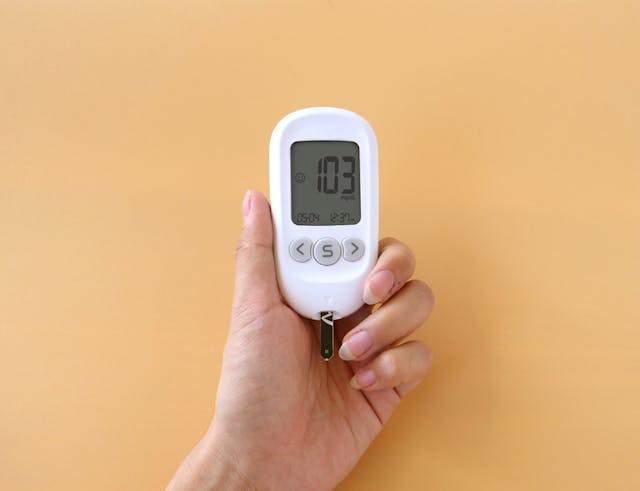
Diabetic ketoacidosis, often called DKA, is a fast-moving diabetes emergency. It happens when the body cannot use glucose for energy. The body then breaks down fat quickly and makes ketones. Ketones are acids, so they can push the blood toward dangerous acidity. DKA is more common in type 1 diabetes, but it can also occur in type 2. Symptoms can build over hours, sometimes within 24 hours. MedlinePlus lists key clues such as deep, rapid breathing, dehydration, nausea, vomiting, stomach pain, fruity-smelling breath, and decreased alertness. These clues matter because DKA can look like flu at first. People may feel very thirsty and urinate often. They may feel unusually tired and weak. As dehydration worsens, the mouth becomes very dry. The skin may look flushed. Breathing can change in a way that feels strange.
It may become fast, deep, and noisy. Some people describe “air hunger.” This breathing pattern is the body trying to blow off acid. Fruity breath can smell like acetone. Confusion is another important warning sign. It suggests the brain is affected by dehydration, acidity, or electrolyte shifts. Vomiting is especially risky because it accelerates fluid loss. It also makes it hard to keep liquids down. DKA often has a trigger. A missed insulin dose is a common one. Infection is another major trigger. Stress hormones rise during illness and push sugar higher. Pump failures can also lead to a rapid onset. In people without known diabetes, new weight loss, thirst, and frequent urination can come first. That is why a “stomach bug” with deep breathing deserves caution.
Home glucose meters can help, but they are not the full story. Ketone testing in urine or blood adds important information. However, testing should not delay care when symptoms are severe. DKA can lead to coma without prompt treatment. It can also cause dangerous potassium shifts that affect the heart. If DKA is suspected, the safest response is emergency evaluation. Go to an emergency department or call emergency services if the person is very drowsy. Mayo Clinic notes that DKA symptoms may include vomiting, belly pain, shortness of breath, fruity breath, and confusion, and they can come on quickly. While waiting, avoid intense exercise. Exercise can worsen ketone production when insulin is low. If the person is awake and not vomiting, small sips of water can help.
Avoid sugary drinks unless a clinician advises them. Sugar can worsen hyperglycemia during DKA. If vomiting is ongoing, avoid food and large drinks. Place the person on their side if they are very sleepy. If the person uses insulin, follow their sick-day plan if they have one. Do not guess at extra doses without guidance. If they wear a pump, check for dislodged tubing. Bring medicines, devices, and recent readings to care. In the hospital, clinicians give intravenous fluids and insulin. Electrolytes are checked often, including potassium. That is why DKA care is not safe at home. After recovery, review prevention steps, including ketone checks during illness and clear thresholds for seeking urgent care.
17) Severe low blood sugar: confusion, seizures, or unconsciousness
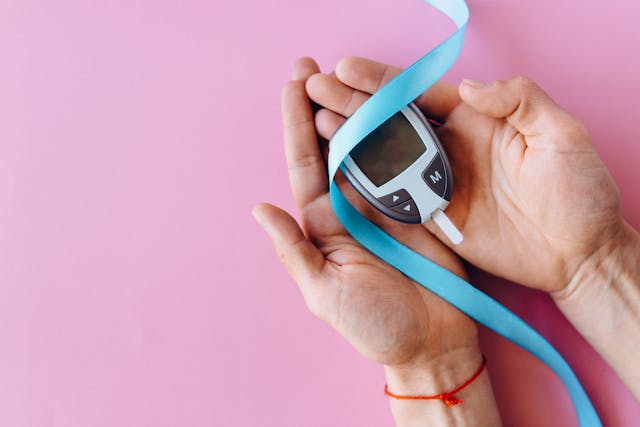
Severely low blood sugar, also called hypoglycemia, can become an emergency because the brain depends on glucose. Mild lows often cause shaking, sweating, hunger, and a fast heartbeat. The CDC lists symptoms such as shaking, sweating, dizziness, irritability, or confusion. Those early signs are the body’s alarm system. Severe hypoglycemia is different because thinking and coordination can fail. A person may look drunk, become very confused, or act aggressively. Speech can slur. Vision can blur. Some people become unusually sleepy or cannot wake fully. In the worst cases, a seizure or loss of consciousness can occur. These signs can happen quickly, especially after insulin, missed meals, heavy exercise, or alcohol. Alcohol is a common trap because it blocks the liver from releasing glucose.
Night-time lows can be dangerous because people sleep through the warning signs. Children can be harder to assess because they may not describe symptoms clearly. Older adults may have weaker warning signals, too. That is why family and friends should learn the pattern for the person they know. Continuous glucose monitors can help, but alarms can be missed. A “normal” reading on a device can also lag behind symptoms. If someone with diabetes seems confused, check their glucose if you can. Still, do not waste time arguing about numbers. Treat the clinical picture seriously. Severe lows can also happen in people without diabetes. Certain illnesses, such as liver disease and sepsis, and some medications can do it. Therefore, confusion with sweating and shakiness should not be dismissed.
The response depends on whether the person can swallow safely. If they are awake and cooperative, give fast sugar right away. Glucose tablets, regular soda, fruit juice, or sugar dissolved in water can work. Recheck in about 15 minutes if you have a meter. Repeat sugar if symptoms persist. Then give a longer-acting snack, like bread or milk, if the person is fully alert. If the person cannot swallow, is seizing, or is unconscious, do not give food or drink. That can cause choking. Call emergency services immediately. The CDC explains that injectable glucagon is the best way to treat severely low blood sugar. Many people can get a glucagon kit by prescription. If you have glucagon available and you are trained, use it. After giving glucagon, place the person on their side.
Vomiting can occur as they wake. If the person has a seizure, protect the head and clear the area. Do not restrain them and do not put anything in the mouth. Time the event and tell responders. After recovery, the person still needs follow-up, especially if the cause is unclear. Severe lows can recur in the next few hours. Review recent insulin doses, missed meals, exercise, and alcohol. Ask a clinician about adjusting medicines and about having glucagon on hand. If lows happen often, ask about changing targets or using a monitor with louder alarms. Severe hypoglycemia is frightening, yet quick action can prevent brain injury. If the person lives alone, set a check-in plan. Keep quick sugar in every room.
18) Sudden, severe testicle pain: possible testicular torsion

Sudden, severe testicle pain is a time-critical emergency because it can be testicular torsion. Torsion happens when the spermatic cord twists and cuts off blood flow. Without blood, tissue can be damaged quickly. Pain often starts abruptly and can feel intense. The NHS lists “sudden, severe pain in a testicle” as an immediate reason to go to A&E or call emergency services. It also warns about testicle pain with feeling sick, being sick, or tummy pain. Nausea and vomiting are common with torsion because the pain is severe. Swelling on one side of the scrotum can appear. The testicle may sit higher than usual or at a strange angle.
Some people notice redness or warmth. Pain can come and go, which can be misleading. It may ease briefly, then surge again. That pattern still needs urgent care. Torsion is more common in teenagers, but it can happen at any age. It can happen during sleep. It can happen after exercise or minor trauma. However, trauma is not required. Other causes of testicle pain exist, including infection of the epididymis, hernias, kidney stones, or injury. Infections often build more gradually and may come with fever or urinary burning. Torsion tends to be sudden and severe. The reason this matters is simple. Treatment is often surgery to untwist the cord and restore blood flow. The chance of saving the testicle drops as time passes. That is why this symptom belongs in the emergency health signs list.
If sudden, severe testicle pain occurs, go to emergency care immediately. Do not wait for a clinic appointment. Do not try to “sleep it off.” The NHS also advises not to drive yourself to emergency care. Ask someone to drive, or call for an ambulance. Avoid eating or drinking on the way. Surgery may be needed quickly, and an empty stomach is safer for anesthesia. While waiting, keep movement minimal and support the scrotum with snug underwear or a folded towel. Do not apply heat, and avoid harsh massage. Pain medicine may be offered in a hospital, but do not delay going for pain control. If nausea is severe, lie on your side to reduce aspiration risk. Be ready to describe the exact start time of pain.
Mention any prior episodes that resolved, because intermittent torsion can occur. Mention recent infections, new sexual partners, or urinary symptoms, but do not assume infection. Clinicians may use examination and ultrasound. However, they may proceed to surgery based on the exam alone if torsion is suspected. That speed can protect the testicle. After treatment, doctors may secure both testicles to reduce future torsion risk. If pain occurs again after surgery, return promptly. If testicle pain is milder but lasts more than an hour, still seek urgent evaluation, because torsion can start subtly. Quick action protects fertility, hormone function, and long-term comfort. If a boy is too embarrassed to speak, caregivers should ask directly. Sudden groin pain after sports counts too. Do not let shame delay care. Fast decisions protect future options.
19) New lump, hard swelling, or rapidly enlarging mass

A new lump or swelling is not always an emergency, yet it deserves attention because it can signal serious disease. The pattern matters. A lump that appears suddenly with fever, redness, and severe pain may be an abscess or spreading infection. A lump that rapidly enlarges over days can also reflect bleeding into tissue or a blocked gland. A painless lump that persists for weeks can be a warning sign of cancer. The NHS advises seeing a clinician if you notice symptoms that are not normal for you. Most lumps are benign, such as cysts, lipomas, or swollen lymph nodes after infection. Lymph nodes can swell in the neck with colds or in the groin after skin irritation.
Breast tissue can form benign fibroadenomas. However, it is hard to tell benign from serious by touch alone. Features that increase concern include a lump that is hard, fixed in place, or irregular. A lump that keeps growing is also more concerning. A lump with skin dimpling, nipple changes, or bloody discharge needs prompt review. A neck lump that lasts more than a few weeks also needs assessment, especially with weight loss or night sweats. A lump above the collarbone can be more significant than a tender node under the jaw. A testicle lump should be checked promptly, even if painless. People with weakened immunity should act sooner, because infections can escalate.
The response depends on how the lump behaves and what else is going on. Seek emergency care today if the lump is paired with trouble breathing or swallowing. Seek emergency care if there is severe pain with fever and spreading redness. That can signal a deep infection that needs urgent treatment. Seek urgent same-day care if the lump grows quickly, feels hot, or the person feels generally unwell. For most persistent lumps, aim for evaluation within days or a couple of weeks. Do not keep squeezing or “popping” a lump. That can worsen infection and inflammation. Avoid taking leftover antibiotics, because they can mask symptoms and delay diagnosis. Note any related changes, such as ongoing bleeding, unexplained weight loss, or drenching night sweats.
Take a clear photo and measure the lump’s size with a ruler. This gives an objective baseline. Write down when you first noticed it, and whether it changes. In the clinic, the clinician may examine nearby nodes and skin. They may order an ultrasound, blood tests, or a biopsy, depending on findings. If a lump is cancer, an earlier diagnosis usually widens treatment choices. If it is an infection, early care can prevent spread. The goal is simple. Do not panic, but do not delay when a lump is new, enlarging, or unexplained. If the lump sits in the breast, check for new nipple crusting, inversion, or discharge. If it sits in the mouth, note ulcers that do not heal. If it sits in the belly, seek care sooner with persistent pain or bloating. Return quickly if the lump doubles in size, or if your fever starts, or if you feel increasingly weak.
20) Unexplained weight loss, swallowing trouble, coughing blood, or ongoing rectal bleeding

Some symptoms are not instant emergencies, yet they should trigger prompt medical evaluation because they can signal serious disease. Unexplained weight loss is one of the clearest examples. Cancer Research UK lists unexplained weight loss as a general cancer symptom. That does not mean cancer is the usual cause. Thyroid disease, diabetes, depression, and chronic infection can also cause weight loss. Still, unplanned weight loss deserves a check, especially when it is noticeable over weeks. Persistent difficulty swallowing is another red flag. It can feel like food sticks in the throat or chest. It can also feel like pain with swallowing or repeated choking episodes. Reflux can cause it, but tumors and strictures can too. Coughing up blood, even small streaks, should also be assessed promptly.
Read More: 12 Early Warning Signs of Cognitive Decline You Should Know
The Cancer Council Australia advises paying attention to blood that is coughed up, as it can be a sign of cancer. It can also be caused by infections, bronchitis, or blood thinners. Rectal bleeding is similar. Hemorrhoids are common, but ongoing bleeding should still be investigated. People often delay because they assume it is “just piles.” That delay can miss inflammatory bowel disease or colorectal cancer. Changes in bowel habit that persist, like new diarrhea or constipation, add concern. So does iron-deficiency anemia, which can be silent until fatigue appears. Persistent hoarseness, mouth ulcers that do not heal, and new skin lesions that change can belong in the same warning category.
The most practical approach is to treat these as “urgent but not immediate” unless heavy bleeding or breathing trouble is present. Seek emergency care if coughing blood is large in volume or if breathing becomes hard. Seek emergency care if rectal bleeding is heavy, with fainting, or with black tarry stools. Otherwise, aim for an appointment soon, ideally within days to two weeks. Bring a simple log. Note the start date, frequency, and triggers. For swallowing problems, note whether the trouble is with solids, liquids, or both. Progressive trouble with solids can suggest a narrowing.
Trouble with liquids can suggest muscle or nerve problems. For coughing blood, note color, amount, and whether there is fever or chest pain. For rectal bleeding, note whether blood is on the paper, in the bowl, or mixed through the stool. Note any belly pain or weight loss. Avoid self-treating with iron pills before a workup if you have ongoing bleeding, unless a clinician advises it. If you take blood thinners, mention them early. They increase bleeding risk and change decisions.
Prompt evaluation usually starts with a careful history and exam. Clinicians may order blood tests to check for anemia and inflammation. They may recommend stool tests, imaging, endoscopy, or referral, depending on symptoms. It rules out serious conditions and sets a baseline. If the cause is serious, an earlier diagnosis usually expands treatment options. The goal is not to frighten people. It is to reduce missed opportunities. If a symptom persists, worsens, or feels unusual for you, treat it as worth checking.
A.I. Disclaimer: This article was created with AI assistance and edited by a human for accuracy and clarity.
Disclaimer: The author is not a licensed medical professional. The information provided is for general informational and educational purposes only and is based on research from publicly available, reputable sources. It is not intended to constitute, and should not be relied upon as, medical advice, diagnosis, or treatment. Always consult a licensed physician or other qualified healthcare provider regarding any medical condition, symptoms, or medications. Do not disregard, avoid, or delay seeking professional medical advice or treatment because of information contained herein.
Read More: 20 Clear Signs Someone in Your Life Is Toxic — and Why Recognizing Them Matters
Trending Products

Red Light Therapy for Body, 660nm 8...

M PAIN MANAGEMENT TECHNOLOGIES Red ...

Red Light Therapy for Body, Infrare...

Red Light Therapy Infrared Light Th...

Handheld Red Light Therapy with Sta...

Red Light Therapy Lamp 10-in-1 with...

Red Light Therapy for Face and Body...

Red Light Therapy Belt for Body, In...

Red Light Therapy for Shoulder Pain...
