
In February 2026, the U.S. Food and Drug Administration classified a recall involving nearly 60,000 pounds of frozen blueberries as a Class I alert. That is the FDA’s most serious recall category. It means there is a reasonable probability that the product could cause serious health consequences or even death. That sounds dramatic, but it also shows how seriously regulators treat Listeria monocytogenes when it shows up anywhere in the food supply.
The company involved, Willamette Valley Fruit Company, operating under Oregon Potato Company LLC, voluntarily recalled 55,689 pounds of individually quick-frozen blueberries on February 12, 2026. These were not the small retail bags you grab at the supermarket. Instead, the products were packed in large 30-pound cases with liners and 1,400-pound totes. In other words, bulk packaging is meant for food manufacturers, distributors, and institutional kitchens. A couple of weeks later, on February 24, 2026, the FDA upgraded the recall to Class I. That upgrade signals that exposure to the product could realistically lead to severe illness.
The frozen blueberries recalled were distributed to facilities in Michigan, Oregon, Washington, Wisconsin, and parts of Canada. So the reach was far. At the same time, officials confirmed that the blueberries were not sold directly to consumers in grocery stores. That detail may sound reassuring, and it does reduce immediate risk for everyday shoppers.
Whenever a product moves through large foodservice channels, there is always the possibility that it ends up in something many people eat, like baked goods, smoothies, or prepared meals. Supply chains are complicated, and sometimes tracing them feels like following a maze.
Listeria monocytogenes is not just another foodborne germ. It causes listeriosis, an infection that can start with mild symptoms but quickly become dangerous in certain people. Healthy adults might experience fever, nausea, muscle aches, or diarrhea. Some might even mistake it for a mild flu or stomach bug.
However, in vulnerable groups, things can escalate. Pregnant individuals, newborns, older adults, and people with weakened immune systems face the highest risk. In those cases, listeriosis can lead to bloodstream infections, meningitis, miscarriage, or stillbirth. That is not something public health agencies take lightly.
Another reason Listeria worries experts is its ability to survive in cold environments. Most bacteria slow down or die off in freezing temperatures. Listeria is different. It can survive refrigeration and freezing conditions, which makes frozen foods like these blueberries a unique challenge. So even though freezing sounds protective, it is not a guarantee of safety.
At the time of the recall announcement, no illnesses had been reported in connection with the blueberries recalled. That is important to note. Recalls often happen out of caution, sometimes after routine testing detects a potential problem before anyone gets sick. In that sense, the system did what it was supposed to do. Still, when the FDA uses the words Class I, it gets attention. And it probably should.
How the Recall Unfolded and Why Class I Matters
One thing that often gets overlooked in stories like this is how these contamination events are usually discovered. It is rarely dramatic. No one typically collapses in a warehouse and suddenly triggers alarms. Instead, routine environmental testing or finished product sampling picks up something that should not be there.
Companies that handle frozen fruit are expected to test for pathogens like Listeria as part of food safety plans required under federal law. When a positive result shows up, even if it is only a possibility of contamination, companies are supposed to act quickly. In this case, that meant initiating the recall before confirmed illnesses were reported.
The FDA uses three main categories. Class I is the most serious. It means there is a reasonable probability that consuming the product will cause serious health problems or death. Class II recalls involve temporary or medically reversible health effects. Class III recalls involve products that are unlikely to cause adverse health consequences. So when frozen blueberries are recalled and get labeled Class I, regulators are not being overly cautious. They are responding to the specific risks associated with Listeria monocytogenes.
Another important detail involves the lot numbers and best-by dates. The recalled blueberries were tied to specific production lots with best-by dates extending into 2027. That long shelf life is typical for frozen fruit. However, it also means that a contaminated product, if not identified, could remain in storage for months or even years.
That is why recall notices include precise lot codes. Food manufacturers and distributors rely on those codes to isolate and remove affected product quickly. Without that traceability, controlling a contamination event becomes much harder.
Understanding Listeria and How Contamination Happens
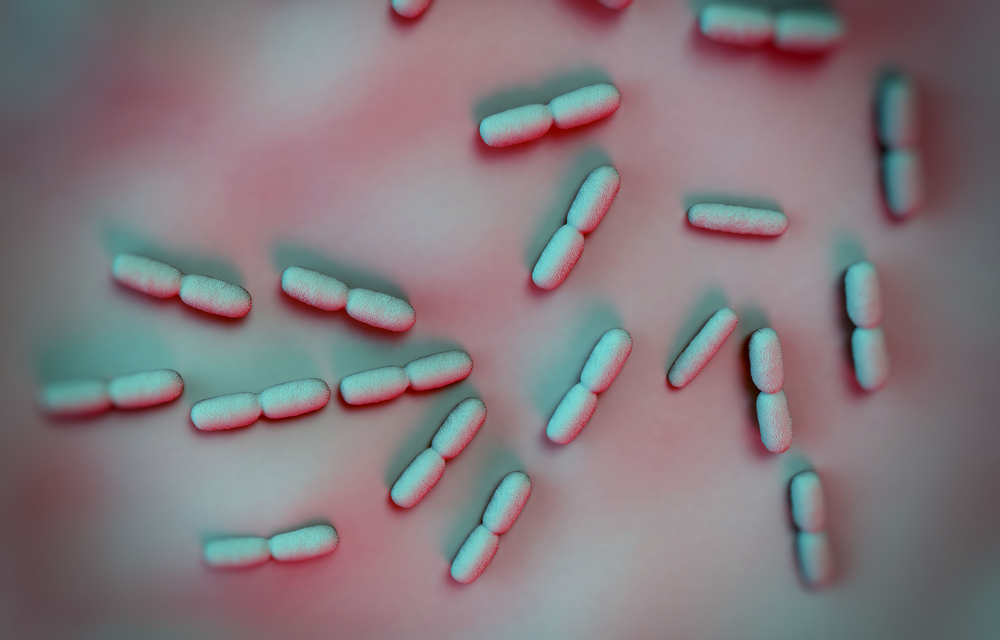
From a processing standpoint, blueberry listeria contamination can occur at multiple stages. It might happen during harvesting, especially if equipment or water sources are contaminated. It could also occur in processing facilities if sanitation controls break down.
Listeria has a troubling ability to form biofilms, which are communities of bacteria that cling to surfaces and resist cleaning. Once established in a facility, Listeria can persist in drains, conveyor belts, or hard-to-reach crevices. That persistence is one reason frozen fruit processors must follow strict environmental monitoring programs.
Consumers sometimes assume that washing fruit removes all risk. While washing fresh produce can reduce some surface contamination, it does not eliminate Listeria, especially in frozen products that have already been processed and packaged.
In commercial settings, once the fruit is frozen and sealed in bulk packaging, end users do not usually wash it again before use. They may blend it into smoothies or bake it into desserts. If contamination exists, freezing alone will not kill the bacteria.
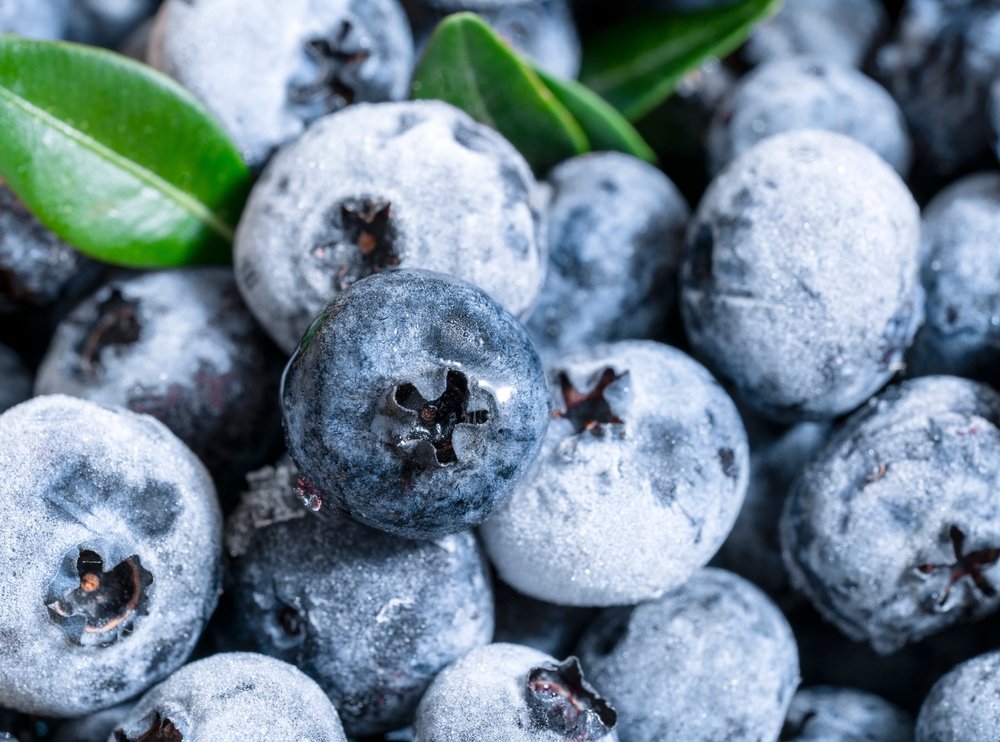
At the same time, it is important not to create unnecessary panic. The FDA confirmed that the blueberries recalled were not sold directly at retail stores. That significantly limits the number of people who might have been exposed.
In addition, no confirmed illnesses had been linked to this recall at the time of the announcement. That suggests the recall may have successfully intercepted the product before it caused harm. Still, the event highlights how quickly a routine food item can turn into a public health concern when pathogens enter the picture.
Supply Chains, Public Health Monitoring, and Real-World Risk
Even though this particular recall did not involve retail grocery bags, it still offers a useful reminder about how interconnected food systems really are. A single processing facility can supply ingredients to multiple manufacturers across different states or even countries. Those manufacturers might then use frozen blueberries in yogurt, baked goods, smoothie mixes, or ready-to-eat meals.
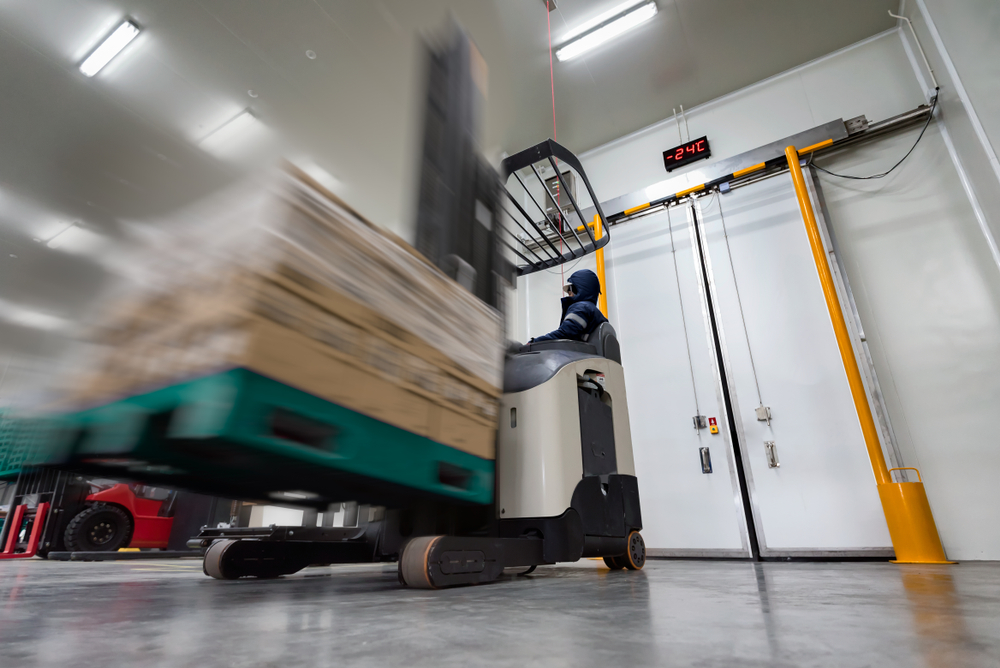
Image credit: Shutterstock.
So while the frozen blueberries recalled in this case were shipped in bulk, the ripple effect of any contamination event can travel much further than people expect. That is why traceability, documentation, and rapid communication matter so much in modern food safety.
For businesses that received the affected product, the recall notice was not just informational; it required action. Companies were instructed to stop using the blueberries immediately and either dispose of them or return them according to recall guidance.
In commercial kitchens and manufacturing plants, that can mean halting production lines, reviewing inventory logs, and double-checking lot codes against recall lists. It is disruptive, yes, but it is also a critical safeguard. Acting quickly reduces the chance that contaminated fruit ends up in finished products consumed by the public.
Meanwhile, public health officials always monitor for potential illness reports after a Class I recall. Listeriosis has an incubation period that can range from a few days to several weeks. That delay makes investigations complicated. Someone might not connect mild flu-like symptoms to a smoothie they drank weeks earlier.
For pregnant individuals in particular, symptoms can be subtle at first, sometimes just fatigue or mild fever, yet the consequences for a fetus can be severe. That is one reason health agencies communicate so clearly about Listeria risks. Awareness allows high-risk individuals to seek medical care sooner if symptoms appear.

It is also worth noting that Listeria infections, while relatively rare compared to other foodborne illnesses, tend to be more deadly. According to data from U.S. health authorities, Listeria causes a smaller number of total infections each year, but it accounts for a disproportionately high number of hospitalizations and deaths. That reality shapes how regulators respond. When blueberry listeria contamination is suspected, the threshold for action is low. Waiting for confirmed outbreaks would be irresponsible.
At the same time, food safety experts often emphasize that recalls are evidence of the system working, not failing. Detection, reporting, and public notification are built into regulatory frameworks. Under the Food Safety Modernization Act, companies must implement preventive controls and maintain hazard analysis plans, and routine testing is part of that.
What This Means for Consumers and the Food Industry
This situation highlights how layered food safety really is. From farm to freezer, produce passes through harvesting crews, washing systems, sorting equipment, freezing tunnels, packaging lines, warehouses, and transport trucks. Each step introduces potential risk.
Most of the time, strict sanitation protocols and environmental monitoring programs keep those risks under control. However, when a pathogen like Listeria monocytogenes is detected, even at low levels, companies and regulators have to respond decisively. That is what happened here.
For consumers, the broader takeaway is not to avoid blueberries. Blueberries remain a nutrient-dense food linked to heart health, cognitive support, and reduced inflammation. Instead, the lesson is about awareness. If you ever hear about frozen blueberries recalled and you have a matching product at home, check the lot number and follow official guidance. Do not taste test it to see if it seems fine. Listeria does not change the smell or appearance of food in a reliable way. When in doubt, throw it out.
It is also helpful to understand the symptoms of listeriosis. In healthy adults, infection may cause fever, muscle aches, nausea, or diarrhea. These symptoms can feel mild and nonspecific. However, if the infection becomes invasive, it can spread to the bloodstream or nervous system, leading to stiff neck, confusion, loss of balance, or convulsions. Pregnant individuals should be especially cautious, because even mild symptoms can signal risk to the fetus. Anyone in a high-risk group who suspects exposure should contact a healthcare provider promptly.
From an industry perspective, blueberry listeria contamination events often lead to internal reviews and strengthened controls. Facilities may increase environmental swabbing, reevaluate cleaning procedures, retrain staff, and reassess equipment design to reduce areas where moisture and bacteria can accumulate. In some cases, companies invest in new technologies or redesign workflows to limit cross-contamination. While those changes are costly, they are part of maintaining public trust.
Read More: FDA Issues Nationwide Recall of Popular Blood Pressure Drug, Impacting Over 11,000 Bottles
Why Food Safety Matters
Food recalls can feel alarming, but they also show the value of regulatory oversight. The FDA’s Class I designation is not used casually. It signals that the agency believes there is a reasonable probability of serious harm. By issuing a public alert and updating recall classifications, regulators provide transparency and guidance. That transparency allows businesses to act quickly and gives consumers information they can use.
In the end, the blueberries recalled over a Listeria threat is not just about one shipment of frozen fruit. It is about a food safety system designed to detect hazards before widespread illness occurs, the resilience of Listeria in cold environments, and the balance between enjoying nutritious foods and respecting the realities of microbiology.
Blueberries will continue to be a staple in freezers and recipes across the country. With careful monitoring and responsive oversight, they can remain what most people expect them to be, a small, sweet fruit that supports health rather than threatens it.
A.I. Disclaimer: This article was created with AI assistance and edited by a human for accuracy and clarity.
Read More: Cheese Recalled Nationwide Over Potentially Fatal Health Risk
Trending Products

Red Light Therapy for Body, 660nm 8...

M PAIN MANAGEMENT TECHNOLOGIES Red ...

Red Light Therapy for Body, Infrare...

Red Light Therapy Infrared Light Th...

Handheld Red Light Therapy with Sta...

Red Light Therapy Lamp 10-in-1 with...

Red Light Therapy for Face and Body...

Red Light Therapy Belt for Body, In...

Red Light Therapy for Shoulder Pain...
